Prepared nourishment consisting of processed or pureed vegetables is a common dietary element for infants transitioning from solely milk-based diets. Examples include single-ingredient purees such as carrots, peas, or sweet potatoes, as well as combinations formulated for balanced nutrition.
Introducing infants to plant-based nutrition during the early stages of development is vital for establishing healthy eating habits and providing essential vitamins, minerals, and fiber. Historically, homemade versions were prevalent, evolving to commercially produced options to provide convenience and ensure consistent nutritional profiles.
Subsequent sections will delve into the nutritional composition of these products, examine preparation methods, and analyze the role they play in infant development and overall health.
Guidance for Introducing Plant-Based Infant Diets
Implementing a plant-based dietary regimen for infants requires careful consideration. The following guidelines provide insights into optimizing nutritional intake and ensuring safe consumption.
Tip 1: Introduce Single-Ingredient Options First: Starting with single-ingredient pures, such as squash or green beans, aids in identifying potential allergens. Wait several days between introducing new items to observe for adverse reactions.
Tip 2: Prioritize Nutrient Density: Select vegetables rich in vitamins and minerals like iron, zinc, and calcium. Consider options such as spinach, broccoli, or sweet potatoes to maximize nutritional value.
Tip 3: Maintain Proper Hygiene During Preparation: Thoroughly wash all vegetables before cooking. Utilize clean utensils and preparation surfaces to prevent contamination and minimize the risk of foodborne illness.
Tip 4: Adhere to Appropriate Textural Consistency: Initially, offer smooth, thin pures. As the infant develops oral motor skills, gradually increase the texture by adding finely mashed or minced pieces.
Tip 5: Ensure Proper Storage: Prepared portions should be refrigerated promptly and consumed within 24-48 hours. Commercially produced options should be stored according to manufacturer instructions to maintain freshness and safety.
Tip 6: Avoid Added Salt, Sugar, and Unnecessary Additives: The infant’s kidneys are still developing, so avoid the addition of salt. Added sugars offer no nutritional benefit and may contribute to unhealthy eating habits. Read labels carefully to avoid products containing artificial colors, flavors, or preservatives.
Tip 7: Consult with a Pediatrician or Registered Dietitian: Seek professional guidance to address specific dietary concerns and ensure the infant’s nutritional needs are being adequately met, particularly if there are pre-existing health conditions or dietary restrictions.
Adhering to these recommendations contributes to the successful introduction of plant-based options, promoting healthy growth and development while minimizing potential risks.
The subsequent sections will examine common challenges associated with introducing solids and provide solutions for addressing parental concerns.
1. Nutrient Density
Nutrient density, the concentration of vitamins, minerals, and other essential nutrients per calorie, is a critical consideration when selecting plant-based options for infants. The comparatively small stomach capacity of infants necessitates that each serving delivers a substantial amount of necessary elements to support rapid growth and development. Inadequate nutrient density can lead to deficiencies, impacting physical and cognitive milestones. Therefore, vegetables selected for purees must offer a high concentration of beneficial compounds relative to their caloric content.
Specifically, darker green vegetables such as spinach and broccoli are excellent sources of iron, folate, and vitamin K, which are important for blood formation and bone health. Orange and yellow vegetables like sweet potatoes and carrots provide beta-carotene, a precursor to vitamin A, essential for vision and immune function. Conversely, less nutrient-dense choices, like iceberg lettuce, provide limited nutritional value per serving. Consequently, emphasizing variety within vegetable selection ensures a broader spectrum of nutrients, promoting comprehensive infant well-being. For example, incorporating both iron-rich spinach and vitamin C-rich bell peppers can enhance iron absorption, maximizing the benefit of each component.
In summary, prioritizing nutrient-dense vegetable options is paramount to meet the elevated nutritional demands of infancy. A strategic approach to vegetable selection, grounded in an understanding of nutrient profiles, is essential for fostering optimal growth, development, and long-term health outcomes.
2. Ingredient Purity

Ingredient purity is paramount in the context of vegetable-based nourishment for infants. Given their undeveloped immune systems and digestive tracts, infants are particularly vulnerable to the potential adverse effects of contaminants, additives, and non-vegetable components. Ensuring the integrity of ingredients directly impacts infant health and safety.
- Absence of Pesticide Residue
Pesticides, used in agriculture to protect crops, can leave residues on vegetables. Infants are more susceptible to the neurotoxic effects of these residues compared to adults. Selecting organically grown vegetables or rigorously washing conventionally grown produce minimizes pesticide exposure. Government regulations and third-party certifications play a crucial role in monitoring and ensuring compliance with pesticide limits.
- Exclusion of Additives and Preservatives
Many commercially processed foods contain additives such as artificial colors, flavors, and preservatives to enhance appearance, taste, or shelf life. These additives offer no nutritional value and can potentially trigger allergic reactions or sensitivities in infants. Unmodified pureed vegetables, free from added substances, are preferable to minimize potential adverse effects.
- Freedom from Heavy Metals
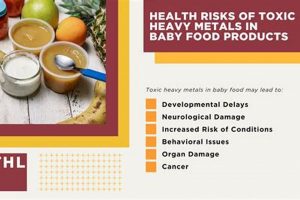
Heavy metals, such as lead, arsenic, and cadmium, can be present in soil and water, subsequently contaminating vegetables. Exposure to heavy metals, even at low levels, can have detrimental effects on infant neurological development. Sourcing vegetables from regions with stringent environmental monitoring and employing rigorous testing protocols are crucial for ensuring minimal heavy metal content.
- Minimization of Natural Toxins
Certain vegetables naturally contain compounds that can be toxic in high concentrations. For instance, nitrates are present in leafy green vegetables, and excessive intake can interfere with oxygen transport in infants. Careful preparation techniques, such as proper washing and cooking, can reduce the concentration of these natural toxins, mitigating potential risks.
The collective impact of these purity facets directly influences the health and safety profile. Rigorous adherence to purity standards, encompassing the entire supply chain from cultivation to processing, is vital for delivering nourishment that supports optimal infant development and minimizes the risk of adverse health outcomes. Therefore, caregivers must prioritize ingredient lists, sourcing transparency, and relevant certifications when making selections.
3. Texture consistency

Texture consistency in infant vegetable-based nourishment significantly influences acceptance, safety, and developmental readiness. Matching the texture to the infant’s oral motor skills promotes successful feeding and reduces potential hazards.
- Initial Introduction of Smooth Purees
The initial stage of introducing solids typically involves smooth, homogenous purees. This consistency minimizes the risk of choking, as infants at this stage possess limited oral motor control and swallowing coordination. Single-ingredient options such as sweet potato or squash are commonly offered in this form. The consistency should be similar to that of yogurt, allowing for easy consumption and digestion.
- Progression to Thicker Consistency
As infants develop better oral motor control, the texture can gradually advance to a thicker consistency. This may involve slightly mashed or coarsely pureed textures, encouraging increased oral exploration and tongue movement. Vegetables such as peas or carrots, slightly mashed, provide a stimulating experience for the developing palate and musculature.
- Introduction of Small, Soft Lumps
Further development permits the introduction of small, soft lumps. This stage encourages chewing motions and prepares the infant for more complex textures. Finely minced cooked vegetables, such as green beans or zucchini, offer a transitional texture that facilitates the development of chewing skills. The size and softness of the lumps are crucial to prevent choking hazards.
- Consideration of Individual Development
Each infant develops at an individual pace. Adjustments to texture consistency must be made based on observable cues, such as gagging, spitting up, or difficulty swallowing. Premature infants or those with developmental delays may require a slower progression and consultation with a healthcare professional to determine appropriate texture adaptations. Careful observation and responsiveness to the infants signals are paramount.
The strategic management of texture consistency is a pivotal element in ensuring a safe and developmentally appropriate introduction to vegetable-based nourishment. Observational assessments and adaptations, driven by the infants unique capabilities, optimize feeding experiences and support healthy oral motor development. This careful approach minimizes risks and fosters positive associations with food.
4. Preparation safety

Preparation safety, encompassing procedures to minimize contamination and ensure foodborne illness prevention, constitutes a fundamental aspect of vegetable-based infant nourishment. Mishandling during preparation directly impacts the risk of introducing harmful bacteria, viruses, or parasites, potentially leading to severe health consequences for infants. Because infant immune systems are underdeveloped, even low levels of contamination can trigger adverse reactions. For example, insufficient washing of vegetables may leave pesticide residues or soil-borne pathogens, while inadequate cooking temperatures may fail to eliminate harmful bacteria. Proper food handling practices are therefore indispensable to safeguard infant health during this crucial developmental stage.
The application of preparation safety principles manifests in various practical steps. Thorough washing of vegetables under running water removes surface contaminants. Utilizing separate cutting boards and utensils for raw vegetables and other foods prevents cross-contamination. Cooking vegetables to appropriate internal temperatures, as measured by a food thermometer, eliminates pathogens such as E. coli and Salmonella. Proper storage techniques, including immediate refrigeration of prepared portions, inhibit bacterial growth. These measures, meticulously followed, create a safer food preparation environment and reduce the likelihood of infant illness.
In summary, preparation safety is a non-negotiable element in providing vegetable-based nourishment for infants. Emphasizing adherence to recommended food handling practices, from washing to storage, minimizes the risk of contamination and ensures that food is safe for consumption. Prioritizing preparation safety is not merely a best practice; it represents a critical responsibility to protect infant health and well-being.
5. Allergen awareness

Allergen awareness in the context of vegetable introduction to infants is paramount due to the potential for adverse reactions. While vegetables are generally considered safe, certain varieties can trigger allergic responses in susceptible individuals. Vigilance in identifying and managing these reactions is crucial to safeguarding infant health.
- Common Vegetable Allergens
Although less frequent than allergies to milk, eggs, or nuts, vegetable allergies do occur. Common culprits include carrots, celery, squash, and sweet potatoes. Allergic reactions may manifest as skin rashes, hives, gastrointestinal distress, or, in severe cases, anaphylaxis. Identifying these specific vegetables as potential allergens allows for targeted monitoring during introduction.
- Sequential Introduction of Vegetables
The recommended approach to introducing solids involves sequentially introducing single-ingredient purees. This method facilitates the identification of potential allergens, enabling caregivers to isolate and remove offending vegetables from the infant’s diet. Waiting several days between introducing new vegetables allows for observation of any adverse reactions, making the process safer and more manageable.
- Cross-Reactivity Considerations
Cross-reactivity occurs when proteins in one substance are similar to those in another, leading to an allergic reaction in individuals sensitized to the original allergen. For example, individuals allergic to birch pollen may exhibit cross-reactivity to certain vegetables like carrots or celery. Awareness of these potential cross-reactions can inform dietary management and help anticipate potential allergic responses.
- Monitoring and Documentation
Careful monitoring for signs of allergic reactions is essential during vegetable introduction. Documenting any adverse reactions, including the specific vegetable consumed and the nature of the reaction, aids in identifying potential allergens and informing subsequent dietary decisions. This record-keeping facilitates communication with healthcare professionals and contributes to personalized dietary management strategies.
In conclusion, allergen awareness plays a crucial role in safely introducing vegetables to infants. By understanding common allergens, employing sequential introduction methods, considering cross-reactivity, and diligently monitoring for reactions, caregivers can minimize the risk of adverse events and promote healthy dietary habits from an early age. Careful observation and documentation are key to informed decision-making and proactive management of potential allergies.
6. Digestive suitability

Digestive suitability constitutes a critical determinant in the successful introduction of vegetable-based solids to infants. The immature gastrointestinal system of infants necessitates careful consideration of vegetable selection and preparation methods to minimize digestive distress and maximize nutrient absorption.
- Fiber Content and Gut Development
The fiber content of vegetables directly influences infant digestive health. Excessive fiber intake can lead to gastrointestinal discomfort, including gas, bloating, and diarrhea. Conversely, inadequate fiber can contribute to constipation. Selecting vegetables with moderate fiber levels, such as cooked carrots or sweet potatoes, and gradually increasing fiber intake supports healthy gut development and prevents digestive disturbances.
- Enzyme Activity and Nutrient Absorption
Infant digestive systems possess limited enzyme activity, particularly for complex carbohydrates. Certain vegetables contain complex carbohydrates that may be difficult for infants to digest. Thorough cooking of vegetables aids in breaking down these complex compounds, improving digestibility and enhancing nutrient absorption. The stage of infant development also influences enzyme activity, necessitating adjustments to the type and preparation of vegetables introduced.
- Potential for Gas Production
Certain vegetables, such as broccoli, cauliflower, and cabbage, are known to produce gas during digestion due to the presence of raffinose, a complex sugar. Introducing these vegetables gradually and in small quantities can minimize gas production and associated discomfort. Cooking these vegetables also helps break down raffinose, reducing their gas-producing potential. Observing the infant’s reaction to these vegetables and adjusting portion sizes accordingly is crucial.
- Impact on Stool Consistency
The composition of vegetables influences stool consistency in infants. Some vegetables, such as bananas and applesauce, can have a binding effect, leading to firmer stools. Others, such as prunes, act as natural laxatives, promoting softer stools. Selecting a balanced variety of vegetables and monitoring stool consistency can help manage constipation or diarrhea. Adjustments to vegetable choices can address specific digestive issues and promote regular bowel movements.
These facets collectively highlight the intricate relationship between vegetable characteristics and infant digestive capabilities. Careful selection, preparation, and monitoring are paramount in ensuring that vegetable-based nutrition is both beneficial and well-tolerated, promoting healthy growth and development while minimizing digestive distress.
7. Developmental stage
The developmental stage of an infant directly influences the appropriate selection and introduction of plant-based nourishment. Aligning the texture, composition, and quantity of these products with the infant’s evolving physiological and cognitive capabilities is essential for optimal nutrition and safety.
- Oral Motor Skills and Texture Progression
Infant oral motor skills progress sequentially, beginning with sucking and swallowing, advancing to coordinating tongue movements and chewing. Initially, smooth purees are appropriate as infants lack the ability to manage more complex textures. As these skills develop, thicker purees, mashed textures, and eventually small, soft pieces can be introduced. Premature advancement beyond the infant’s capabilities poses a choking hazard and may lead to food refusal.
- Digestive Capacity and Enzyme Production
The infant digestive system undergoes maturation during the first year of life. Enzyme production, essential for breaking down complex carbohydrates and fats, increases gradually. Introducing vegetables with high fiber content or complex carbohydrates prematurely may result in digestive distress, gas, and discomfort. Selecting easily digestible vegetables, such as cooked carrots or sweet potatoes, and introducing them in small quantities minimizes digestive issues.
- Nutritional Needs and Complementary Feeding
Breast milk or formula provides complete nutrition during the first six months of life. Complementary feeding, including plant-based options, is introduced to meet increasing nutritional demands, particularly for iron and zinc. The specific nutritional needs of the infant vary with age and developmental stage. For instance, infants at six months require iron-rich foods, while older infants may benefit from a wider variety of vegetables to support diverse nutrient requirements. Balancing these needs is crucial for healthy growth.
- Cognitive Development and Food Exploration
Cognitive development influences an infant’s acceptance and exploration of new foods. As infants develop sensory awareness, they become more receptive to different tastes and textures. Introducing a variety of vegetables during this period can promote acceptance of healthy eating habits. Positive mealtime experiences and repeated exposure to new vegetables can increase the likelihood of acceptance. Ignoring the infant’s cues for fullness or forcing consumption can create negative associations with food.
Aligning plant-based nourishment with the infant’s developmental stage promotes safe and effective feeding practices. Considerations encompass oral motor skills, digestive capacity, nutritional needs, and cognitive development. A responsive and individualized approach maximizes the benefits and minimizes the risks associated with the introduction of these products.
Frequently Asked Questions
This section addresses common inquiries and concerns regarding the integration of plant-based options into infant diets. It offers concise answers grounded in current nutritional guidelines and scientific understanding.
Question 1: Is plant-based nourishment nutritionally complete for infants?
Plant-based preparations can contribute significantly to infant nutrition. However, ensuring complete nutrition requires careful planning and attention to specific nutrients, such as iron, zinc, vitamin B12, and calcium. Consultation with a pediatrician or registered dietitian is recommended to address any potential deficiencies.
Question 2: At what age is it appropriate to introduce plant-based nourishment?
Current recommendations generally advise introducing solids, including plant-based options, around six months of age. This aligns with developmental milestones, such as the ability to sit upright and demonstrate interest in food. Individual circumstances may vary, warranting consultation with a healthcare provider.
Question 3: How can potential allergic reactions to plant-based foods be managed?
Introducing single-ingredient preparations sequentially, with a waiting period of several days between each new item, is recommended. This facilitates the identification of potential allergens. Observation for signs of allergic reactions, such as skin rashes, hives, or gastrointestinal distress, is crucial.
Question 4: Are commercially produced preparations superior to homemade options?
Both commercially produced and homemade preparations offer advantages. Commercially produced options provide convenience and often undergo rigorous quality control measures. Homemade preparations allow for greater control over ingredients and preparation methods. Nutritional adequacy and safety are paramount regardless of the source.
Question 5: What are the potential benefits of introducing plant-based nourishment early in life?
Early introduction of plant-based options can contribute to establishing healthy eating habits and promoting acceptance of diverse flavors and textures. It also provides essential vitamins, minerals, and fiber that support healthy growth and development.
Question 6: What factors should be considered when selecting commercially produced preparations?
Careful review of ingredient lists is essential. Selecting products that are free from added salt, sugar, artificial colors, flavors, and preservatives is recommended. Consideration of organic certification and third-party testing can provide additional assurance of quality and safety.
In summary, informed decisions regarding plant-based infant nutrition require a comprehensive understanding of nutritional needs, safety considerations, and developmental appropriateness. Consultation with healthcare professionals remains a valuable resource.
The subsequent section will address potential challenges and provide solutions for integrating plant-based nourishment into infant diets.
Concluding Remarks on Vegetable Baby Food
This exploration of vegetable baby food has underscored the multifaceted considerations critical to its safe and beneficial utilization. Nutritional density, ingredient purity, appropriate texture, and scrupulous preparation are paramount in optimizing infant health outcomes. Attention to allergen awareness, digestive suitability, and developmental stage remains integral to informed decision-making.
Given the significance of early nutrition on lifelong health trajectories, diligent application of the principles outlined herein is strongly advised. Further research and continued vigilance are necessary to ensure that the introduction of vegetable baby food consistently supports optimal infant development and well-being.