Infant vocalizations during sleep, often characterized by soft, plaintive sounds, are a common parental observation. These noises differ from outright crying and typically fall under the broader category of sleep-related vocal behavior. They might be accompanied by restlessness, small movements, or facial expressions indicating discomfort or a state of semi-wakefulness. For instance, a baby might emit a series of drawn-out, nasal sounds while shifting positions in their crib.
Understanding these sleep sounds is crucial for parental well-being and responsive care. Differentiating between normal sleep vocalizations and signs of genuine distress allows caregivers to provide appropriate comfort without unnecessary intervention, promoting healthier sleep patterns for both infant and parents. Historically, such vocalizations were often misinterpreted, leading to inconsistent care practices. Modern research emphasizes the importance of discerning the underlying causes before reacting.
The following sections will explore the physiological and environmental factors contributing to these nocturnal expressions, delving into the roles of sleep cycles, digestive processes, and external stimuli. This analysis aims to provide a clearer understanding of the potential origins and management strategies for infant sleep vocalizations.
Guidance Regarding Infant Sleep Vocalizations
The following recommendations address common parental concerns regarding infant sleep sounds and propose strategies for effective management and discernment.
Tip 1: Establish a Consistent Sleep Schedule: A regular sleep-wake cycle supports the infant’s circadian rhythm, potentially reducing sleep disturbances and associated vocalizations. Maintain consistent bedtimes and wake times, even on weekends, to reinforce the natural sleep-wake pattern.
Tip 2: Optimize the Sleep Environment: Ensure the sleep environment is conducive to rest. A dark, quiet, and cool room can minimize external stimuli that might trigger restlessness and vocalizations. Consider using white noise to mask disruptive sounds.
Tip 3: Address Potential Physical Discomfort: Rule out common sources of discomfort, such as gas or hunger. Before bedtime, ensure the infant has been adequately fed and burped. Gently massage the infant’s abdomen to alleviate gas-related discomfort.
Tip 4: Monitor for Signs of Illness: Observe the infant for any indications of illness, such as fever, congestion, or changes in feeding habits. Increased sleep vocalizations might be a symptom of underlying discomfort caused by illness and warrant consultation with a pediatrician.
Tip 5: Distinguish Between Sleep Vocalizations and Distress Cries: Learn to differentiate between normal sleep vocalizations and genuine distress cries. Brief periods of whimpering or fussing during sleep are often self-soothing behaviors and do not necessarily require intervention. However, persistent or escalating cries should be addressed.
Tip 6: Consider a Period of Observation: Before intervening, observe the infant for a short period to determine if they are able to self-soothe and return to a deeper sleep. This allows the infant to develop independent sleep skills.
Tip 7: Maintain a Sleep Log: Document the frequency, duration, and context of sleep vocalizations. This record can provide valuable insights into potential patterns and triggers, aiding in the identification of underlying issues.
Implementing these strategies may help reduce parental anxiety and promote improved sleep quality for both infant and caregiver by addressing factors impacting nocturnal sound production.
The subsequent section will address when professional consultation is warranted concerning infant sleep behaviors.
1. Sleep Cycle Transition

Infants cycle through different sleep stages, including active sleep (akin to REM sleep in adults) and quiet sleep (non-REM sleep). Transitions between these stages are not always seamless. During a shift from deep, quiet sleep to lighter, active sleep, an infant may experience a brief period of partial arousal. This arousal can manifest as whimpering, grunting, or other vocalizations, coupled with restlessness. These sounds do not necessarily indicate full wakefulness or distress; rather, they are often a byproduct of the neurological and physiological changes occurring during the sleep cycle transition. For example, an infant deeply asleep may abruptly emit a short cry while their body shifts position, then quickly return to deeper sleep.
The frequency and intensity of sleep cycle transition vocalizations vary among infants, depending on factors such as age, developmental stage, and individual sleep patterns. Newborns typically have shorter sleep cycles compared to older infants, leading to more frequent transitions and potentially more frequent vocalizations. Understanding the natural occurrence of these transitions is crucial for caregivers. Overreacting to every sound during these periods can disrupt the infant’s sleep and hinder the development of self-soothing skills. Instead, a period of observation is often recommended to determine if the infant is able to return to a deeper sleep state independently.
In summary, sleep cycle transitions represent a common and usually benign reason for vocalizations during infant sleep. Acknowledging this connection empowers caregivers to differentiate between normal sleep behavior and genuine signs of distress, facilitating more appropriate and effective care. Failing to recognize this can lead to unnecessary interventions, ultimately disrupting the infant’s developing sleep patterns and potentially causing undue parental anxiety. Observing the infant’s behavior holistically allows for an informed response, promoting better sleep for both the child and the caregiver.
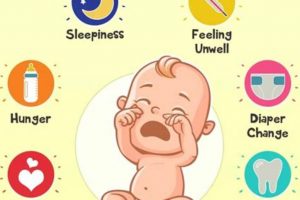
2. Hunger

Hunger is a primary physiological driver influencing infant behavior, particularly during sleep. Nocturnal awakenings accompanied by vocalizations are frequently attributable to the infant’s need for sustenance, especially during periods of rapid growth. The connection between nutritional requirements and disrupted sleep patterns is significant in understanding infant sleep habits.
- Metabolic Demands
Infants have high metabolic rates due to their rapid growth and development. This necessitates frequent feedings, even during the night. A full-term newborn’s stomach capacity is limited, requiring regular replenishment. As the infant digests breast milk or formula, blood sugar levels can decrease, triggering a hunger response. This physiological need can manifest as restlessness and vocalizations, signaling the infant’s need for nourishment.
- Growth Spurts
Infant growth is not linear; it occurs in spurts. During these periods, the infant’s caloric demands increase substantially. A previously established feeding schedule might become inadequate to meet the heightened nutritional needs. Consequently, the infant may awaken more frequently during the night, emitting hunger cues such as whimpering or fussing, which can then escalate into more pronounced crying if not addressed.
- Inconsistent Feeding Schedules
Irregular or unpredictable feeding patterns can contribute to increased sleep disturbances and associated vocalizations. Infants thrive on routine, and a lack of consistency in feeding times can disrupt their internal clock and lead to hunger-related awakenings. Establishing a predictable feeding schedule, aligned with the infant’s individual needs, can promote more consolidated sleep and reduce instances of hunger-induced vocalizations.
- Nutrient Absorption and Digestion
Individual variations in nutrient absorption and digestive efficiency can influence how long an infant feels satiated after a feeding. Some infants might digest food more quickly than others, leading to earlier hunger cues and more frequent nocturnal awakenings. Additionally, certain medical conditions affecting nutrient absorption can exacerbate this issue. Careful observation of the infant’s feeding patterns and digestive habits can inform adjustments to feeding strategies.
In conclusion, the interplay between metabolic demands, growth spurts, feeding consistency, and digestive processes establishes hunger as a significant contributor to infant sleep vocalizations. Addressing these nutritional aspects through thoughtful feeding strategies and an understanding of the infant’s individual needs can improve sleep quality and reduce the frequency of vocalizations. Recognizing that crying is not always an immediate sign of distress, but potentially indicates a need for feeding, is crucial for effective parental response.
3. Discomfort

Discomfort, in its various forms, represents a significant instigator of infant sleep disturbances and associated vocalizations. Addressing potential sources of physical discomfort is crucial for promoting restful sleep and reducing instances of whimpering and fussing during the night.
- Diaper Wetness or Soiling
A wet or soiled diaper creates a noticeable sensation against the infant’s skin, leading to discomfort and irritation. Prolonged exposure to moisture and fecal matter can cause diaper rash, further exacerbating the discomfort. Infants unable to communicate their distress verbally often express it through restlessness and vocalizations. Frequent diaper changes, especially before bedtime, are essential for minimizing this common source of discomfort and promoting better sleep. For example, an infant might begin to stir and whine shortly after wetting their diaper, signaling the need for a change and subsequently quieter sleep.
- Restrictive Clothing or Bedding
Clothing that is too tight or made of irritating fabrics can significantly impact an infant’s comfort and sleep quality. Seams, tags, or elastic bands that rub against the skin can cause friction and discomfort, prompting restlessness and vocalizations. Similarly, bedding that is too heavy or restrictive can limit movement and contribute to a sense of being confined. Opting for loose-fitting, breathable clothing made of natural fibers like cotton, and using lightweight, non-restrictive bedding, can help minimize discomfort and improve sleep. A swaddled infant who has outgrown the swaddle may struggle and whine as they attempt to move their limbs.
- Temperature Imbalance
Maintaining a comfortable room temperature is crucial for infant sleep. Both overheating and being too cold can cause discomfort and disrupt sleep patterns. Infants are less able to regulate their body temperature compared to adults, making them more susceptible to environmental temperature fluctuations. Overdressing can lead to overheating, while insufficient clothing can result in feeling chilled. Maintaining a room temperature between 68-72 degrees Fahrenheit and dressing the infant appropriately for the ambient temperature can minimize this source of discomfort. For example, an infant who is sweating may whine in their sleep until a layer of clothing is removed.
- Physical Aches and Pains
Even in the absence of an underlying illness, infants can experience physical aches and pains that contribute to sleep disturbances. Muscular discomfort from prolonged periods in one position, or minor growing pains, can lead to restlessness and vocalizations. Gentle massage can help alleviate muscular tension and promote relaxation, potentially reducing these types of discomfort-related sleep disturbances. Additionally, ensuring proper positioning during sleep can minimize pressure points and improve comfort. An infant who has been lying on one side for an extended period may whine as they shift position to relieve pressure.
In summary, discomfort plays a substantial role in triggering infant sleep vocalizations. Addressing factors such as diaper wetness, restrictive clothing, temperature imbalances, and physical aches is essential for creating a comfortable sleep environment and promoting restful sleep. By proactively minimizing sources of discomfort, caregivers can reduce instances of whimpering and fussing during the night, leading to improved sleep quality for both infant and parent.
4. Gas

Intestinal gas is a frequent cause of discomfort in infants and a notable contributor to sleep disturbances manifested as fussing and whimpering. This discomfort arises from the accumulation of air in the digestive tract, leading to abdominal distension and pain. The immature digestive system of infants is particularly susceptible to gas accumulation, due to factors such as incomplete digestion of lactose and the ingestion of air during feeding. This physiological reality directly connects to nighttime awakenings and vocalizations, as the discomfort disrupts the infant’s sleep cycle.
Several factors contribute to increased gas production and retention. Feeding techniques, such as improper latch during breastfeeding or rapid bottle-feeding, can lead to excessive air intake. Certain formulas may contain ingredients that are more difficult for some infants to digest, resulting in increased gas production. Additionally, the infant’s position can affect the ability to expel gas; lying flat can hinder the natural release of air bubbles. Caregivers may observe an infant arching their back, drawing their legs up to their chest, or exhibiting general restlessness during sleep, all indicative of gas-related discomfort. Gentle burping after feedings and tummy time during waking hours can help to mitigate gas buildup and associated sleep disturbances. Parents who recognize gas as the cause can adjust feeding techniques, switch formulas (under pediatrician guidance), and employ physical interventions to reduce discomfort.
In conclusion, intestinal gas is a significant, though often overlooked, factor contributing to sleep disruptions and vocalizations in infants. Understanding the mechanisms behind gas accumulation, recognizing the associated signs of discomfort, and implementing proactive strategies to alleviate gas buildup are crucial for promoting more restful sleep. Addressing this common issue can lead to a noticeable reduction in nighttime fussing and whimpering, benefiting both the infant and the caregiver by fostering a more peaceful sleep environment.
5. Overstimulation

Overstimulation is a state of heightened arousal in infants caused by excessive sensory input, environmental activity, or social interaction. This state can negatively impact sleep patterns, leading to increased restlessness and vocalizations during sleep. The immaturity of an infant’s neurological system makes them particularly vulnerable to overstimulation, impacting their ability to regulate internal states and leading to sleep disturbances.
- Sensory Overload
Excessive exposure to bright lights, loud noises, and varied visual stimuli can overwhelm an infant’s sensory processing capacity. The immature nervous system struggles to filter and process this influx of information, leading to a state of heightened arousal that persists even when the stimuli are removed. For example, a baby exposed to a busy shopping mall environment before bedtime may exhibit difficulty settling down and experience restless sleep characterized by whimpering and fussing. The sensory overload experienced prior to sleep disrupts the natural sleep-wake cycle and impacts the quality of rest.
- Social Interaction
While social interaction is crucial for development, excessive handling, talking, or playing with an infant, especially close to bedtime, can lead to overstimulation. The excitement and engagement stimulate the infant’s nervous system, making it difficult for them to transition into a relaxed state conducive to sleep. For instance, an infant engaged in a lively play session with multiple family members shortly before bedtime may experience difficulty falling asleep and may exhibit increased vocalizations during the initial sleep stages. The heightened state of arousal triggered by social interaction interferes with the onset of sleep.
- Environmental Activity
A busy or chaotic home environment, with frequent interruptions, loud conversations, or television noise, can disrupt an infant’s sleep. The constant exposure to environmental stimuli prevents the infant from achieving a state of deep relaxation necessary for restful sleep. For example, an infant sleeping in a room adjacent to a living room where a party is taking place may experience frequent awakenings accompanied by whimpering and fussing due to the noise and activity. The lack of a calm and quiet sleep environment hinders the consolidation of sleep.
- Sleep Deprivation
Paradoxically, overstimulation can lead to sleep deprivation, which in turn exacerbates the issue. An overstimulated infant may resist sleep, leading to a cumulative sleep debt. As the infant becomes increasingly tired, they become more susceptible to overstimulation, creating a vicious cycle. A sleep-deprived infant may exhibit heightened irritability and increased vocalizations during sleep. This creates a feedback loop where increased vocalizations and restlessness disrupt sleep even further, hindering the restoration of normal sleep patterns. The combination of sleep deprivation and overstimulation intensifies sleep disturbances.
In summary, overstimulation represents a significant factor contributing to sleep disruptions and vocalizations in infants. Addressing sources of sensory overload, managing social interaction, creating a calm sleep environment, and preventing sleep deprivation are crucial for promoting restful sleep. Reducing environmental noise and adjusting social interactions before bedtime can significantly minimize these disturbances and foster a more peaceful sleep environment for both the infant and the caregiver.
6. Temperature

Ambient temperature exerts a significant influence on infant comfort and sleep quality, directly impacting the likelihood of sleep disturbances manifested as whimpering and fussing. Infants possess a limited capacity for thermoregulation, rendering them particularly susceptible to fluctuations in environmental temperature. Deviations from a thermoneutral zonethe temperature range within which the body expends minimal energy to maintain a stable core temperaturecan trigger physiological stress responses that disrupt sleep. For example, an overheated infant may experience increased heart rate and perspiration, leading to restlessness and vocalizations. Conversely, an infant exposed to excessively cool temperatures may expend energy shivering, disrupting sleep with discomfort.
Maintaining a stable and appropriate thermal environment is essential for promoting uninterrupted sleep. Overdressing infants, or using excessively heavy blankets, can lead to overheating, a risk factor for Sudden Infant Death Syndrome (SIDS). Conversely, underdressing infants in a cool environment can lead to discomfort and awakenings. Real-life examples abound: a parent layering clothing on their infant during sleep without considering the room temperature may unknowingly create an environment conducive to overheating, potentially leading to restless sleep and whimpering. Understanding the relationship between temperature and infant comfort allows caregivers to adjust clothing, bedding, and room temperature to optimize the sleep environment.
In conclusion, maintaining an appropriate ambient temperature is a crucial component of promoting restful sleep and minimizing sleep disturbances in infants. Recognizing the connection between temperature and vocalizations necessitates a proactive approach to environmental control, emphasizing appropriate clothing choices, bedding materials, and room temperature management. By ensuring thermal comfort, caregivers can reduce instances of nighttime whimpering and promote healthier sleep patterns.
7. Teething

The eruption of teeth through the gums, commonly known as teething, is a developmental milestone associated with discomfort and behavioral changes in infants. This physiological process can significantly disrupt sleep patterns, contributing to nocturnal fussiness and whimpering. Therefore, teething constitutes an important consideration when addressing infant sleep disturbances.
- Inflammation and Pain
The process of a tooth breaking through the gum tissue causes localized inflammation and pain. This discomfort can be particularly acute at night, as the distraction of daytime activities diminishes, and the infant becomes more aware of the sensation. For example, an infant experiencing the eruption of a molar tooth may exhibit increased restlessness, crying, and sleep disruptions due to the heightened discomfort. This sensation drives the behaviors classified as “whining” during sleep.
- Increased Drooling and Irritation
Teething often stimulates increased saliva production, leading to drooling. This excessive moisture can irritate the skin around the mouth and neck, further contributing to discomfort. The resulting skin irritation can exacerbate fussiness and disrupt sleep patterns. The combined discomfort of gum pain and skin irritation can lead to a cycle of disturbed sleep, which also contributes to whining.
- Desire to Gnaw and Chew
Infants experiencing teething often exhibit an increased desire to gnaw or chew on objects, presumably to alleviate gum pressure. This urge can disrupt sleep if the infant awakens seeking oral stimulation. The act of mouthing objects is a coping mechanism for teething pain; lack of access to chewable items may lead to whining during sleep.
- Impact on Feeding Patterns
Teething discomfort can sometimes affect feeding patterns. Sore gums may make feeding painful, leading to reduced intake or changes in feeding behavior. This, in turn, can disrupt sleep if the infant awakens due to hunger or discomfort associated with feeding difficulties. The intersection of discomfort during feeding and sleep is a key factor in establishing “why do babies whine in their sleep.”
The various manifestations of teething discomfort, from inflammation and skin irritation to changes in feeding behavior, contribute significantly to sleep disturbances and infant vocalizations. Acknowledging these factors allows caregivers to implement appropriate comfort measures, such as providing teething toys or administering age-appropriate pain relief medications (under pediatric guidance), to mitigate discomfort and promote more restful sleep. Ignoring this connection may result in prolonged or heightened episodes of nocturnal fussiness.
Frequently Asked Questions
The following section addresses common inquiries regarding infant sleep vocalizations, offering insights based on current understanding and best practices.
Question 1: Are sleep vocalizations always indicative of a problem?
No, not all sleep vocalizations signify an issue. Many instances of whimpering or fussing during sleep are normal and associated with sleep cycle transitions or self-soothing behaviors. It is crucial to differentiate between these benign vocalizations and signs of genuine distress.
Question 2: When should professional medical advice be sought for sleep vocalizations?
Persistent, excessive, or escalating crying, especially when accompanied by other symptoms such as fever, feeding difficulties, or changes in behavior, warrants consultation with a pediatrician. Sudden changes in sleep patterns or vocalizations should also be evaluated by a medical professional.
Question 3: Can sleep vocalizations be prevented?
While it may not be possible to entirely prevent sleep vocalizations, strategies such as establishing a consistent sleep schedule, optimizing the sleep environment, addressing potential discomforts (hunger, gas, etc.), and monitoring for signs of illness can help minimize their occurrence.
Question 4: How does the age of the infant affect sleep vocalizations?
The frequency and nature of sleep vocalizations can vary with age. Newborns have shorter sleep cycles and may exhibit more frequent vocalizations. Older infants may vocalize less often as their sleep patterns mature and their self-soothing abilities develop.
Question 5: What role do feeding practices play in sleep vocalizations?
Feeding practices significantly influence sleep patterns and vocalizations. Ensuring adequate caloric intake during the day, addressing hunger cues promptly, and burping the infant effectively can reduce instances of hunger-related awakenings and associated vocalizations. Consulting lactation consultant would be benefits.
Question 6: Do sleep vocalizations indicate developmental delays?
In most cases, infant sleep vocalizations are not indicative of developmental delays. However, if the vocalizations are accompanied by other concerning developmental signs, such as delays in motor skills or communication, a thorough evaluation by a healthcare professional is warranted.
Understanding that the reasons for infant sleep vocalizations may vary, caregivers are encouraged to employ a balanced approach, acknowledging normal sleep behaviors while seeking professional guidance when warranted.
The succeeding section will explore resources that offers parents and caregivers can refer to for additional information and support.
Conclusion
This discussion has explored the multifaceted nature of the query “why do babies whine in their sleep.” It underscores that such vocalizations are not monolithic; they originate from diverse physiological and environmental factors. The interplay of sleep cycles, hunger, discomfort, gas, overstimulation, temperature sensitivities, and teething contributes to the behavioral phenomenon. Accurate differentiation between normal sleep-related vocalizations and signs of genuine distress is crucial for appropriate care.
Continued research and parental education are essential for refining understanding of infant sleep patterns and optimizing care practices. A proactive, informed approach to addressing the underlying causes of infant sleep vocalizations can significantly improve sleep quality, reduce parental anxiety, and promote the long-term well-being of both child and caregiver. Healthcare professionals should continue emphasizing preventative care and responsive parental education.