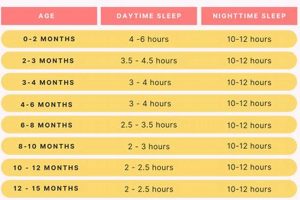
Increased somnolence in infants experiencing illness is a common physiological response. This behavior manifests as longer and more frequent periods of rest than typically observed in a healthy infant. For example, a baby who usually naps for one hour might sleep for three hours during an illness, or a baby who sleeps twelve hours at night might sleep fourteen. This change in sleep patterns is often one of the first indicators parents notice when their child is unwell.
The body’s need for recuperation intensifies during periods of sickness. Rest facilitates energy conservation, allowing the infant’s system to focus its resources on combating the illness. Furthermore, sleep is crucial for the immune system’s function, as it is during rest that the body produces and regulates immune cells and proteins essential for fighting infection. Historically, encouraging rest has been a cornerstone of pediatric care, predicated on the understanding that it supports the body’s natural healing processes.
Understanding the reasons behind altered sleep habits in unwell infants, distinguishing between normal and concerning sleep pattern changes, and knowing when to seek professional medical advice are important for caregivers. The following sections will delve into the underlying mechanisms, potential implications, and appropriate management strategies relating to changes in sleep when a baby is ill.
Guidance on Managing Infant Sleep During Illness
When an infant’s sleep patterns shift during an illness, careful observation and appropriate care strategies are essential. The following tips provide guidance on how to support the infant’s recuperation through attentive sleep management.
Tip 1: Prioritize Hydration: Ensure the infant receives adequate fluid intake. Dehydration can exacerbate symptoms and disrupt sleep. Offer breast milk or formula frequently, and consult with a pediatrician regarding electrolyte solutions if necessary.
Tip 2: Maintain a Comfortable Environment: Create a sleep environment that is conducive to rest. The room should be dark, quiet, and appropriately cool. Maintain a consistent temperature to prevent overheating or chilling.
Tip 3: Closely Monitor for Warning Signs: While increased sleep is generally a normal response, vigilant monitoring is critical. Observe for signs of respiratory distress, such as labored breathing, rapid breathing, or nasal flaring. Seek immediate medical attention if such symptoms are present.
Tip 4: Provide Gentle Comfort: Soothe the infant with gentle rocking, soft singing, or quiet cuddling. Physical comfort can promote relaxation and facilitate sleep. Be mindful of the infant’s cues; if the infant resists comfort, allow for independent rest.
Tip 5: Consult with a Healthcare Professional: If there are concerns regarding the infant’s illness or changes in sleep patterns, promptly consult with a pediatrician. Professional guidance is crucial for proper diagnosis and management.
Tip 6: Avoid Over-the-Counter Medications without Approval: Do not administer any over-the-counter medications without first consulting with a healthcare professional. Certain medications may interfere with sleep or have adverse effects on infants.
These tips emphasize the importance of both attentive care and informed medical consultation during an infant’s illness. By providing a supportive environment and seeking professional guidance when needed, caregivers can facilitate the infant’s recovery.
The following sections will explore specific medical conditions that can impact infant sleep patterns, as well as strategies for addressing sleep disturbances that persist beyond the acute phase of illness.
1. Immune System Activation

Immune system activation represents a fundamental physiological process directly linked to increased sleep duration in infants experiencing illness. The activation process itself demands significant energy resources and triggers the release of various cytokines, chemical messengers that influence sleep regulation.
- Cytokine Release and Sleep Regulation
During an infection, the immune system releases cytokines such as interleukin-1 (IL-1) and tumor necrosis factor-alpha (TNF-). These cytokines act on the brain to promote sleep, essentially signaling the body to prioritize rest for immune function. This is why, for instance, an infant with a fever caused by a viral infection will often exhibit increased sleepiness alongside other symptoms. The cytokines directly influence neural circuits involved in sleep-wake regulation.
- Energy Allocation and Metabolic Demands
Fighting an infection necessitates substantial energy expenditure. The body redirects resources away from activities such as digestion and physical movement and towards immune cell proliferation and antibody production. Sleep, being a state of reduced metabolic activity, allows for optimal energy conservation. A baby fighting off a respiratory infection, for example, might sleep for extended periods because their body is dedicating a large portion of its energy to fighting the pathogen.
- Inflammatory Response and Fatigue
The inflammatory response, a critical component of immune activation, can induce fatigue and lethargy. Inflammation triggers the release of mediators that can affect muscle function and nervous system activity, leading to a sensation of tiredness. Consider an infant experiencing a systemic infection; the widespread inflammation contributes to a feeling of being unwell and necessitates increased rest, resulting in longer sleep durations.
- Brain Development and Immune Interactions
In infants, the developing brain is particularly susceptible to the effects of immune activation. Cytokines and other inflammatory mediators can influence brain activity and neuronal development, further contributing to altered sleep patterns. This interaction is particularly evident in infants with prolonged or severe infections, where the impact on sleep can be more pronounced.
These facets illustrate the intimate connection between immune system activation and increased sleep in infants. The body’s adaptive response to infection involves a complex interplay of cytokine signaling, energy allocation, inflammatory processes, and brain development, all of which converge to promote rest and facilitate recovery. Understanding these mechanisms enables caregivers and healthcare providers to better support infants during periods of illness.
2. Energy Conservation Imperative

The energy conservation imperative is a primary driver behind an infant’s increased sleep duration during illness. When the body confronts a pathogenic challenge, its metabolic demands shift significantly. Resources ordinarily allocated to growth, digestion, and physical activity are redirected toward immune function and tissue repair. Engaging in wakeful activity during this period would represent a wasteful expenditure of precious metabolic energy, thereby impeding the body’s ability to effectively combat the illness. Increased sleep serves as a mechanism for minimizing energy consumption, allowing the infant’s system to prioritize recovery processes. For instance, an infant experiencing a respiratory infection conserves energy by sleeping more, reducing the energy needed for physical exertion and facilitating the body’s focus on clearing the infection.
This physiological response has practical implications for infant care. Caregivers should recognize that an increased need for rest is a natural and beneficial component of the healing process. Attempts to stimulate activity or force feeding during periods of increased somnolence may be counterproductive, diverting energy away from recovery. Instead, focusing on providing a comfortable and supportive environment that promotes rest and minimizing unnecessary stimulation is paramount. Similarly, it is essential to monitor the infant’s hydration levels. Dehydration can further deplete energy reserves and exacerbate the symptoms of illness. Frequent, small offerings of fluids help to maintain hydration without placing undue stress on the digestive system.
In summary, the energy conservation imperative plays a crucial role in shaping an infant’s sleep patterns during illness. By recognizing the importance of this mechanism and adapting care strategies accordingly, caregivers can effectively support the infant’s recovery. While increased sleep is generally a beneficial response, caregivers must remain vigilant for signs of more serious complications and seek professional medical advice when warranted. Balancing the need for rest with attentive monitoring ensures the best possible outcome for the ill infant.

Fever-related fatigue is a significant contributor to increased sleep duration in infants experiencing illness. Elevated body temperature, indicative of an active immune response, triggers physiological processes that directly induce fatigue. The body expends considerable energy maintaining a higher temperature, diverting resources from other functions, including muscle activity and cognitive processes. This metabolic shift leads to a sensation of tiredness and a reduced capacity for sustained wakefulness. For example, an infant with a viral infection causing a fever of 102F will likely exhibit marked lethargy and a strong inclination to sleep, reflecting the body’s prioritization of temperature regulation over activity.
The inflammatory response accompanying fever further compounds fatigue. Inflammatory cytokines released during infection affect the central nervous system, influencing neurotransmitter balance and neuronal function. These alterations can disrupt normal sleep-wake cycles and promote increased sleepiness. Furthermore, muscle aches and general discomfort associated with fever can make it difficult for an infant to find a comfortable position, further encouraging sleep as a means of relief. Consider the case of an infant with influenza: the combination of fever, muscle pain, and inflammatory cytokine release creates a powerful stimulus for prolonged sleep, essential for conserving energy and supporting immune function.
Understanding the relationship between fever-related fatigue and increased sleep has practical implications for infant care. Caregivers should prioritize creating a restful environment and avoiding unnecessary stimulation. However, vigilance is paramount; high fevers can sometimes mask other symptoms, so continuous monitoring of the infant’s overall condition is essential. While increased sleep is a normal response to fever, persistent lethargy or unresponsiveness warrants immediate medical attention to rule out more serious complications. By recognizing the underlying mechanisms of fever-related fatigue, caregivers can provide appropriate support and ensure timely intervention when necessary.
4. Dehydration's somnolent effect

Dehydration’s somnolent effect plays a critical role in the observed phenomenon of infants sleeping more during illness. The disruption of fluid balance significantly impacts physiological functions, leading to increased lethargy and a propensity for sleep.
- Reduced Blood Volume and Cerebral Perfusion
Dehydration leads to a reduction in blood volume, which in turn decreases cerebral perfusion. Insufficient blood flow to the brain impairs neuronal function and reduces alertness. This reduced cerebral activity results in increased somnolence. An infant experiencing diarrhea, for example, loses fluids and electrolytes, leading to decreased blood volume and impaired brain function, resulting in increased sleepiness.
- Electrolyte Imbalance and Neuromuscular Function
Dehydration disrupts the balance of electrolytes, such as sodium and potassium, which are crucial for maintaining normal neuromuscular function. Imbalances in these electrolytes impair nerve impulse transmission and muscle contractility, leading to weakness and fatigue. This state of physical exhaustion contributes to the infant’s tendency to sleep more. For instance, an infant with a fever who is also vomiting is at high risk of electrolyte imbalance, leading to neuromuscular impairment and increased sleep.
- Metabolic Impairment and Energy Production
Dehydration impairs metabolic processes essential for energy production. Reduced fluid volume affects the transport of nutrients and oxygen to cells, limiting their ability to generate energy. This leads to a state of metabolic compromise, resulting in increased fatigue and a need for extended periods of rest. An infant with a respiratory infection who is not feeding well experiences reduced nutrient intake and dehydration, leading to impaired energy production and increased sleep.
- Thermoregulatory Dysfunction and Central Nervous System Depression
Dehydration can interfere with the body’s ability to regulate its temperature effectively. Impaired thermoregulation, coupled with the stress of illness, can lead to central nervous system depression, further promoting sleep. This is evident in infants with prolonged fever and inadequate fluid intake, where the combination of impaired thermoregulation and CNS depression significantly increases sleep duration.
In summation, dehydration exerts a multifaceted somnolent effect on infants, encompassing reduced cerebral perfusion, electrolyte imbalances, impaired metabolic function, and thermoregulatory dysfunction. These factors collectively contribute to the observed increase in sleep duration during illness, reflecting the body’s physiological response to fluid imbalance and its impact on overall function.
5. Medication Side Effects

Medication side effects constitute a significant factor influencing increased sleep duration in infants undergoing treatment for illness. Many medications commonly prescribed to infants, while intended to alleviate symptoms or combat infection, possess sedative properties that contribute to heightened somnolence. Antihistamines, often administered for cold or allergy symptoms, frequently induce drowsiness as a direct consequence of their mechanism of action on histamine receptors in the central nervous system. Similarly, certain pain relievers, particularly those containing codeine or other opioids, can exert a sedative effect, resulting in prolonged periods of sleep. For instance, an infant receiving an antihistamine for a runny nose may exhibit increased sleepiness primarily due to the medication’s inherent sedative properties rather than solely as a result of the illness itself. This necessitates careful consideration of medication profiles when evaluating an infant’s altered sleep patterns during illness.
Furthermore, the interaction between medications and the infant’s immature metabolic pathways can exacerbate sedative side effects. Infants possess limited capacity to efficiently metabolize certain drugs, leading to prolonged exposure and increased susceptibility to adverse effects. Antibiotics, while crucial for combating bacterial infections, can indirectly influence sleep patterns by disrupting the gut microbiome. Alterations in the gut microbiome have been linked to changes in neurotransmitter production, which can affect sleep regulation. Consequently, an infant undergoing antibiotic treatment may experience both direct sedative effects from the medication and indirect effects stemming from microbiome disruption, both contributing to increased sleep duration. The potential for polypharmacy, where multiple medications are administered concurrently, further complicates the picture, as drug interactions can amplify sedative effects.
In conclusion, medication side effects represent a crucial consideration when assessing why an infant sleeps more during illness. Caregivers and healthcare providers must remain vigilant for potential sedative effects of prescribed medications and carefully weigh the benefits against the risks. Understanding the interplay between medication properties, infant metabolism, and potential drug interactions is essential for providing informed care and minimizing unintended consequences on sleep patterns. Continuous monitoring and open communication between caregivers and healthcare professionals are imperative to optimize medication management and ensure the infant’s well-being.
Frequently Asked Questions
This section addresses common inquiries and concerns regarding increased sleep observed in infants during periods of illness, providing evidence-based insights to guide caregivers.
Question 1: Is increased sleep during illness always a cause for concern in infants?
Generally, increased sleep during illness is a normal physiological response, allowing the body to conserve energy and prioritize immune function. However, it is crucial to monitor the infant for any additional signs of distress, such as labored breathing, high fever, or dehydration, which would necessitate immediate medical attention.
Question 2: How much more sleep is considered normal when an infant is sick?
The amount of increased sleep varies depending on the infant’s age, the severity of the illness, and individual factors. A noticeable increase of several hours beyond the infant’s usual sleep patterns is generally considered within the normal range. However, if the infant is excessively lethargic or unresponsive, medical evaluation is warranted.
Question 3: Can over-the-counter medications affect infant sleep patterns during illness?
Yes, many over-the-counter medications, particularly those containing antihistamines or decongestants, can induce drowsiness and increase sleep duration. Caregivers should exercise caution when administering these medications and consult with a healthcare professional regarding appropriate dosages and potential side effects.
Question 4: How can caregivers ensure the infant’s safety while they are sleeping more during illness?
Caregivers should ensure the infant is placed on their back to sleep, maintain a safe sleep environment free of loose bedding or toys, and regularly monitor the infant’s breathing and overall condition. Adequate hydration is also crucial, and frequent offerings of fluids are recommended.
Question 5: When should a healthcare professional be consulted regarding an infant’s increased sleep during illness?
A healthcare professional should be consulted if the infant exhibits signs of respiratory distress, high fever unresponsive to medication, dehydration, decreased responsiveness, or any other concerning symptoms. Prompt medical evaluation is essential to rule out serious complications and ensure appropriate management.
Question 6: Does the type of illness influence the extent of increased sleep in infants?
Yes, the type of illness can influence sleep patterns. Infections accompanied by fever, such as influenza, tend to induce more pronounced fatigue and increased sleep compared to milder conditions. The severity of the illness and its impact on the infant’s overall physiological state play a significant role in determining sleep duration.
In summary, while increased sleep during illness is generally a normal physiological response in infants, attentive monitoring and prompt medical consultation are crucial to ensure their well-being. Recognizing potential warning signs and providing appropriate care are essential components of effective infant care during periods of illness.
The following sections will delve into strategies for managing persistent sleep disturbances that may arise following an infant’s recovery from illness.
Conclusion
The phenomenon of baby sleeping more when sick is a multifaceted physiological response rooted in immune system activation, energy conservation, and symptom-related factors such as fever and dehydration. Understanding the underlying mechanisms is crucial for providing appropriate supportive care. This analysis has explored the interplay between the body’s need for rest during illness and the various factors that contribute to altered sleep patterns in infants. Careful monitoring for warning signs and prompt consultation with healthcare professionals remain paramount in ensuring the infant’s well-being.
Recognizing that changes in sleep are often an indicator of underlying health status, continued research and awareness initiatives are vital. Proactive strategies for managing infant health, particularly during vulnerable periods, are essential to optimize outcomes and promote overall development. Further investigation into the long-term impacts of illness on sleep regulation may provide additional insights and refine clinical practice.