Infant movement during sleep, characterized by subtle or pronounced body motions, is a common occurrence in early development. These movements can manifest as twitches, jerks, or more coordinated actions involving limbs and the torso. This behavior is generally observed across various stages of infant sleep cycles and is frequently perceived by caregivers.
This nocturnal activity plays a potentially crucial role in neurological development and motor skill acquisition. The movements may contribute to the maturation of the infant’s nervous system and aid in the development of proprioception, the body’s awareness of its position in space. Historically, such movements were often viewed with concern, but modern research suggests they are largely benign and potentially beneficial.
The subsequent discussion will delve into the underlying physiological mechanisms, typical patterns, potential causes for concern, and strategies for addressing parental anxieties associated with this common infant behavior.
Guidance for Addressing Infant Sleep Movements
The following recommendations offer practical advice for managing parental observations and concerns related to infant movements during sleep. These suggestions aim to provide a supportive environment for both the infant and caregiver.
Tip 1: Document Observed Patterns: Maintain a log of the infant’s sleep movements, noting the frequency, duration, and intensity of the observed behaviors. This record provides valuable data for healthcare professionals if consultation becomes necessary.
Tip 2: Ensure Safe Sleep Environment: Adhere to established safe sleep guidelines, including placing the infant on their back on a firm mattress free of loose bedding or soft toys. This practice minimizes potential risks associated with infant movement.
Tip 3: Maintain Consistent Sleep Routine: Establish a predictable bedtime routine to promote regular sleep cycles. Consistency aids in regulating the infant’s circadian rhythm and may influence sleep movement patterns.
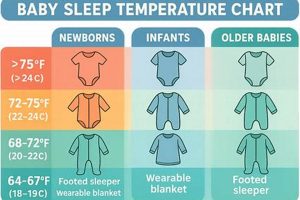
Tip 4: Monitor Environmental Factors: Assess the sleep environment for potential disruptors such as temperature fluctuations, excessive noise, or inadequate darkness. Optimizing these factors can contribute to more restful sleep.
Tip 5: Distinguish Between Normal and Abnormal Movements: Educate oneself on the distinction between typical infant sleep movements and signs of potential neurological issues. Spasms, prolonged stiffness, or irregular breathing warrant immediate medical attention.
Tip 6: Seek Professional Evaluation When Concerned: If significant anxieties or uncertainties persist, consult a pediatrician or pediatric neurologist. A professional assessment can provide reassurance or identify underlying medical conditions.
Consistent adherence to safe sleep practices, coupled with attentive observation and, when warranted, professional consultation, offers a comprehensive approach to managing infant sleep movements and ensuring the well-being of the child.
The ensuing section will offer additional resources and insights to further enhance understanding of infant sleep and associated behaviors.
1. Normal motor development

Normal motor development in infants is intrinsically linked to the manifestation of movements during sleep. These movements, often characterized as squirming, are not arbitrary; rather, they frequently reflect the infant’s ongoing process of motor skill acquisition and refinement. As the nervous system matures, spontaneous motor activity increases, contributing to the observed movements during both active and quiet sleep phases. These actions serve as practice for emerging motor patterns, strengthening neural pathways associated with limb control and coordination. The intensity and frequency of such movements can vary considerably between infants, largely influenced by their individual developmental trajectories.
Consider, for example, an infant who is nearing the developmental milestone of rolling over. During sleep, this infant may exhibit increased leg kicking and torso twisting, effectively rehearsing the movements required to achieve this motor skill. These sleep-related movements are not simply random; they are indicative of the infant’s innate drive to master new physical abilities. Similarly, an infant developing fine motor skills might display more frequent hand twitches or finger movements during sleep. Understanding this connection allows caregivers to interpret these actions not as signs of discomfort or agitation, but as evidence of healthy neurological development. Furthermore, it underscores the importance of providing ample opportunities for awake play and exploration, as these experiences directly contribute to the motor skills being refined during sleep.
In summary, the presence of squirming during sleep often represents a tangible manifestation of normal motor development. Recognizing this relationship enables caregivers to view these movements within the context of developmental progress, fostering a more informed and less anxious approach to infant sleep patterns. While excessive or unusual movements should always be evaluated by a healthcare professional, typical squirming is generally a benign and even beneficial aspect of infant development. This understanding promotes a more nuanced and supportive approach to infant care during this critical period of growth.
2. Sleep cycle variations

Infant sleep architecture is characterized by distinct cycles of active sleep (also known as Rapid Eye Movement or REM sleep) and quiet sleep (Non-REM sleep). Active sleep is typically associated with increased brain activity, irregular breathing patterns, and heightened muscle tone, often resulting in observable movements, including squirming. Conversely, quiet sleep is marked by slower brain waves, regular respiration, and reduced muscle activity, leading to a relative absence of movement. The proportion of active sleep is significantly higher in infants compared to adults, constituting approximately 50% of their total sleep time. Consequently, the likelihood of observing squirming is considerably elevated during the active sleep phase. Understanding these sleep cycle variations is crucial for interpreting the significance of infant movements during sleep; frequent squirming during active sleep is typically physiological and not indicative of distress or pathology.
The transitions between active and quiet sleep phases are not always abrupt and may be characterized by periods of fluctuating muscle tone and intermittent movements. External stimuli, such as temperature changes or minor noises, can also trigger brief arousals and subsequent movements, even during quiet sleep. Premature infants, in particular, exhibit less organized sleep cycles and may display more frequent and pronounced movements throughout their sleep periods. Furthermore, the duration and composition of sleep cycles evolve rapidly during the first few months of life, resulting in corresponding changes in movement patterns. For instance, as the proportion of quiet sleep increases, the frequency and intensity of squirming may gradually decrease. The interplay between sleep cycle variations and external factors, such as feeding schedules and environmental conditions, further complicates the interpretation of infant sleep movements.
In summary, the presence and characteristics of squirming during infant sleep are inextricably linked to the underlying sleep cycle variations. Recognizing the inherent differences between active and quiet sleep, along with the developmental trajectory of sleep architecture, is essential for differentiating normal physiological behavior from potentially concerning signs. Caregivers should be educated about these nuances to mitigate anxiety and ensure appropriate responses to infant sleep patterns, emphasizing the importance of observing overall sleep quality and consulting healthcare professionals when persistent concerns arise.
3. Sensory integration process

The sensory integration process, the neurological mechanism by which individuals organize and interpret sensory information, is intrinsically linked to movements observed during infant sleep. While often perceived as mere restlessness, squirming in sleep can represent a manifestation of the infant’s nervous system processing and integrating sensory input received throughout the day. This input, encompassing tactile, vestibular, and proprioceptive stimuli, undergoes neurological processing, influencing motor output even during sleep. An infant exposed to a variety of sensory experiences, such as gentle touch, rocking, and visual stimulation, may exhibit corresponding motor activity during sleep as the brain consolidates these experiences. This process aids in the development of sensorimotor skills and the establishment of neural pathways.
Consider the scenario of an infant who has spent the day exploring different textures through tactile play. During sleep, the infant may exhibit subtle hand and finger movements, potentially reflecting the brain’s ongoing processing of the tactile information encountered. Similarly, an infant who has experienced vestibular stimulation through activities like swinging or being held upright might display torso movements during sleep, indicating the integration of spatial orientation and balance information. The intensity and frequency of these movements can vary depending on the quantity and complexity of sensory input received. Furthermore, underlying sensory processing sensitivities may influence the degree to which an infant exhibits movements during sleep. An infant with heightened sensitivity to tactile stimuli, for example, may exhibit more pronounced squirming in response to seemingly minor sensory input.
In summary, the relationship between the sensory integration process and infant sleep movements underscores the importance of providing rich and varied sensory experiences during waking hours. These experiences contribute to the development of sensorimotor skills and support healthy neurological development. While excessive or atypical movements should be evaluated by a healthcare professional, typical squirming during sleep can be interpreted as a natural and potentially beneficial aspect of the sensory integration process. This understanding promotes a more informed and less reactive approach to infant sleep patterns and overall development. It is crucial to foster balanced sensory diet by introducing various types of sensory stimuli during the day which would potentially contribute to efficient sensory data processing and less disturbance during sleep.
4. Potential discomfort indicators

Infant movements during sleep, while often normal, can also serve as indicators of underlying discomfort. Differentiating between typical sleep-related activity and signs of potential distress requires careful observation and awareness of common discomfort indicators. These indicators, manifested through movement patterns, provide valuable insights into the infant’s physiological state.
- Gastrointestinal Distress
Increased squirming, particularly accompanied by leg raising, arching of the back, or facial grimacing, may signal gastrointestinal discomfort such as gas, colic, or reflux. These movements are often the infant’s attempt to alleviate internal pressure or pain. For instance, an infant experiencing gas may repeatedly draw their legs towards their chest in an attempt to expel trapped air.
- Temperature Disregulation
Both overheating and chilling can manifest as increased restlessness during sleep. An infant who is too warm may thrash their limbs and attempt to kick off blankets, while an infant who is cold may exhibit shivering and increased muscle tension. Careful monitoring of the infant’s body temperature and adjustment of the sleep environment are crucial in such cases.
- Skin Irritation
Irritations such as diaper rash, eczema, or insect bites can cause significant discomfort, leading to increased squirming and scratching during sleep. The movements are often directed towards the affected area, indicating localized irritation. For example, an infant with diaper rash may rub their legs together or fidget excessively in their sleep.
- Restrictive Clothing or Bedding
Tight-fitting clothing, scratchy fabrics, or bulky blankets can restrict movement and cause discomfort, resulting in increased restlessness. The infant may attempt to reposition themselves or remove the offending item. It is crucial to ensure that the infant is dressed in loose, comfortable clothing and that bedding is soft and non-irritating.
Recognizing these potential discomfort indicators is essential for providing appropriate care and addressing the underlying cause of the infant’s restlessness. While squirming alone may not always indicate a problem, persistent or pronounced movements, especially when accompanied by other signs of distress, warrant further investigation and potential intervention. A proactive approach to identifying and addressing discomfort contributes to improved sleep quality and overall well-being for the infant.
5. Neurological maturity variations

Neurological maturity variations represent a significant factor influencing infant sleep patterns, specifically manifesting in differing degrees of motor activity such as squirming. The extent to which an infant exhibits movements during sleep is often directly correlated with the level of neurological development attained at a given age. Disparities in this maturation process can lead to observable differences in sleep-related motor behavior.
- Developmental Stage and Motor Control
Infants at earlier stages of neurological development may exhibit more pronounced and less coordinated movements during sleep due to incomplete motor pathway myelination and reduced cortical inhibition. As the nervous system matures, motor control improves, potentially leading to a reduction in the frequency and intensity of squirming. However, this process is not linear, and variations in developmental trajectories can result in differing patterns across infants.
- Prematurity and Neurological Immaturity
Premature infants, characterized by their comparatively immature neurological systems, often demonstrate more frequent and disorganized movements during sleep compared to their full-term counterparts. This increased activity stems from the underdeveloped state of brain regions responsible for motor regulation and sensory processing. The extent of immaturity is directly related to the degree and type of movement observed.
- Sensory Processing and Integration Skills
Neurological maturity influences the infant’s ability to process and integrate sensory information. Variations in this capacity can manifest as differences in sleep movements. Infants with more mature sensory processing systems may exhibit more purposeful and organized movements in response to internal or external stimuli, while those with less mature systems may display more reflexive and less coordinated actions.
- Reflex Integration and Motor Patterns
The integration of primitive reflexes, a key indicator of neurological maturation, directly impacts sleep movements. As reflexes are integrated, they are replaced by more voluntary and controlled motor patterns. Incomplete reflex integration may lead to the persistence of reflexive movements during sleep, contributing to increased squirming. Monitoring the presence and persistence of these reflexes provides insight into neurological maturity and its influence on sleep behavior.
These facets of neurological maturity highlight the intricate connection between neurological development and infant sleep movements. Variations in neurological maturation contribute to the diversity of sleep patterns observed in infants, underscoring the importance of considering individual developmental trajectories when interpreting sleep behaviors. Further research into these nuanced relationships is essential for refining our understanding of infant neurological development and optimizing care practices.
Frequently Asked Questions
The following section addresses common inquiries and concerns regarding infant sleep movements, providing evidence-based information to promote understanding and informed caregiving.
Question 1: Is frequent movement during infant sleep indicative of a medical problem?
While persistent or atypical movements may warrant medical evaluation, frequent movement during infant sleep is often a normal physiological occurrence, particularly during active sleep cycles. Such movements can reflect neurological development and sensory processing.
Question 2: How can normal infant sleep movements be distinguished from potential seizure activity?
Seizure activity typically presents with repetitive, rhythmic jerking or stiffening, often accompanied by changes in consciousness or breathing. Normal infant sleep movements are generally less rhythmic and coordinated, and the infant remains responsive to stimuli.
Question 3: What sleep environment factors can influence infant sleep movements?
Environmental factors such as room temperature, bedding, and noise levels can impact infant sleep movements. Extremes in temperature, restrictive clothing, or excessive noise may increase restlessness.
Question 4: Can diet impact the frequency or intensity of infant sleep movements?
Dietary factors, particularly those affecting gastrointestinal comfort, can influence sleep movements. Food sensitivities or intolerances may contribute to increased squirming due to gas or discomfort.
Question 5: At what age should concerns about excessive infant sleep movements be addressed with a healthcare professional?
Concerns regarding excessive or atypical infant sleep movements should be addressed with a healthcare professional if the movements are persistent, accompanied by other concerning symptoms (e.g., feeding difficulties, developmental delays), or cause parental distress.
Question 6: Are there any strategies to minimize normal infant sleep movements?
While eliminating normal infant sleep movements is not advisable, establishing a consistent sleep routine, ensuring a comfortable sleep environment, and addressing any potential sources of discomfort can promote more restful sleep.
In summary, while most infant sleep movements are benign, careful observation and awareness of potential red flags are essential for ensuring infant well-being.
The succeeding section will explore strategies for promoting optimal sleep environments for infants.
Conclusion
This exposition has thoroughly examined the multifaceted phenomenon of infant movements during sleep. The investigation encompassed typical motor development, sleep cycle variations, the sensory integration process, potential discomfort indicators, and neurological maturity variations. A comprehensive understanding of these factors is essential for caregivers to distinguish between normal, benign sleep activity and potentially concerning symptoms warranting professional evaluation. Recognizing the nuances of infant sleep behavior allows for informed and appropriate responses.
Ongoing vigilance regarding infant sleep patterns remains paramount. Further research and continued education for caregivers are crucial to fostering improved infant sleep health and overall well-being. Prioritizing safe sleep practices and seeking timely professional guidance when uncertainties arise are essential steps in ensuring optimal developmental outcomes for all infants.