Rapid or labored breathing during an infant’s sleep cycle, characterized by increased rate and depth of respiration, warrants careful observation. Such breathing patterns, if persistent or accompanied by other concerning symptoms, should prompt consultation with a healthcare professional to rule out underlying medical conditions. For example, an infant exhibiting shallow, rapid breaths with visible chest retractions during sleep may be experiencing respiratory distress.
Understanding atypical breathing patterns in infants is crucial for ensuring timely intervention and preventing potential complications. Early identification allows healthcare providers to diagnose and manage any contributing factors, such as respiratory infections, allergies, or structural abnormalities. Historically, awareness of infant respiratory health has significantly improved, leading to more effective monitoring and treatment strategies, ultimately enhancing infant well-being.
The following discussion will delve into the potential causes of irregular breathing during infant sleep, diagnostic approaches, and appropriate management strategies. This exploration aims to provide a comprehensive overview for parents and caregivers, empowering them to recognize concerning signs and seek timely medical advice.
Guidance Regarding Infant Breathing Patterns During Sleep
The following recommendations are intended to provide guidance concerning the observation and potential management of unusual breathing patterns exhibited by infants during sleep. It is crucial to consult with a healthcare professional for personalized advice and diagnosis.
Tip 1: Observe Breathing Rate and Depth. Monitor the infant’s breaths per minute and the depth of each breath. Sustained rapid or shallow breathing, or unusually deep breaths, should be documented and reported to a pediatrician.
Tip 2: Note Any Accompanying Symptoms. Observe for additional signs such as nasal flaring, chest retractions (pulling in of the chest between ribs), grunting sounds during breathing, or changes in skin color (bluish tint). These symptoms can indicate respiratory distress.
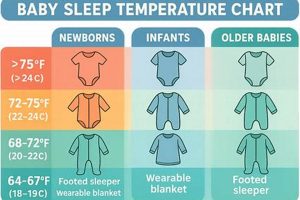
Tip 3: Maintain a Consistent Sleep Environment. Ensure the infant’s sleep environment is free from potential irritants such as smoke, dust, or strong fragrances. Maintain a comfortable temperature and humidity level.
Tip 4: Position the Infant Correctly. Always place the infant on their back to sleep, unless otherwise directed by a healthcare professional. This position is associated with a lower risk of Sudden Infant Death Syndrome (SIDS).
Tip 5: Keep the Airway Clear. Regularly check for and clear any nasal congestion with a bulb syringe, especially before sleep. This can facilitate easier breathing.
Tip 6: Document Observations. Maintain a log of any unusual breathing patterns, including the time of day, duration, and any associated symptoms. This documentation can be valuable for healthcare providers during diagnosis.
Tip 7: Consider Environmental Factors. Note any potential environmental triggers, such as recent exposure to allergens or illnesses, that may be contributing to the observed breathing patterns.
Early recognition and appropriate response to atypical infant breathing during sleep can significantly contribute to positive health outcomes. Prompt medical evaluation is essential for accurate diagnosis and effective management.
The following sections will explore potential underlying causes and diagnostic approaches related to the observed breathing patterns in infants during sleep.
1. Rate of Respiration
The rate of respiration, or the number of breaths per minute, is a fundamental indicator of respiratory health in infants. Deviations from the normal range, particularly an elevated rate, can be a key characteristic associated with atypical breathing patterns during sleep.
- Normal Respiratory Rate in Infants
A healthy newborn typically exhibits a respiratory rate between 30 and 60 breaths per minute. This rate gradually decreases as the infant grows, but it remains higher than that of older children or adults. Establishing a baseline for a specific infant is essential for identifying abnormal increases.
- Tachypnea as an Indicator
Tachypnea, defined as an abnormally rapid respiratory rate, is a significant finding when evaluating a sleeping infant. While transient increases can occur due to factors like fever or recent activity, persistent tachypnea during sleep warrants further investigation to rule out underlying medical conditions.
- Underlying Medical Conditions
Elevated respiratory rates in sleeping infants may be indicative of various medical conditions, including respiratory infections (such as bronchiolitis or pneumonia), cardiac abnormalities, or metabolic disorders. In some cases, it can also be a compensatory mechanism for conditions affecting oxygen levels in the blood.
- Clinical Assessment and Monitoring
When an elevated respiratory rate is observed during sleep, a thorough clinical assessment is necessary. This includes evaluating for other signs of respiratory distress, such as nasal flaring, chest retractions, or grunting. Continuous monitoring of the infant’s respiratory rate and oxygen saturation may be necessary to assess the severity and progression of the condition.
In summary, the respiratory rate is a critical parameter in assessing infant respiratory health, particularly during sleep. Elevated rates, or tachypnea, can be an important clue in identifying potential underlying medical conditions and necessitate prompt evaluation and monitoring. Understanding the normal range and recognizing deviations from it are essential for timely intervention and optimal infant care.
2. Depth of Breath

The depth of breath, or tidal volume, is a significant characteristic of respiration, particularly when evaluating potential respiratory abnormalities in infants during sleep. Deviations in the depth of breath, when coupled with an elevated respiratory rate, may contribute to or result from hyperventilation.
- Shallow Breathing (Hypopnea)
Hypopnea, characterized by abnormally shallow breaths, can coexist with rapid breathing. In the context of a sleeping infant, this pattern may not effectively oxygenate the blood, leading to compensatory increases in respiratory rate. For instance, an infant with a mild airway obstruction might exhibit shallow, rapid breaths in an attempt to maintain adequate oxygen levels. The reduced tidal volume contributes to inefficient gas exchange.
- Deep Breathing (Hyperpnea)
Hyperpnea, where breaths are abnormally deep, may also occur alongside rapid breathing. While seemingly beneficial for oxygenation, excessively deep breaths can disrupt the normal carbon dioxide levels in the bloodstream, potentially leading to alkalosis. An example is an infant experiencing anxiety or discomfort, where increased depth and rate of breathing can occur together. The excessive expulsion of carbon dioxide disrupts the acid-base balance.
- Irregular Breathing Patterns
Fluctuations in the depth of breath, characterized by alternating periods of shallow and deep breaths, are concerning. These irregular patterns can indicate neurological issues or underlying respiratory control problems. Observing an infant displaying Cheyne-Stokes respirationgradual increases and decreases in rate and depth of breathing, followed by periods of apneanecessitates immediate medical attention, as it often signals serious neurological or cardiopulmonary dysfunction.
- Implications for Gas Exchange
Whether breaths are excessively shallow or deep, deviations from the normal depth of breath can impair efficient gas exchange in the lungs. Compromised gas exchange leads to imbalances in oxygen and carbon dioxide levels, potentially causing hypoxemia or hypercapnia. This can further exacerbate underlying medical conditions or create new complications. Close monitoring of breathing depth, along with other vital signs, is crucial for assessing the overall respiratory status of infants during sleep.
In conclusion, the depth of breath serves as a critical indicator when assessing potential infant hyperventilation during sleep. Variations in tidal volume, whether manifested as hypopnea or hyperpnea, can disrupt normal respiratory physiology and gas exchange. Accurate assessment of breathing depth, combined with the evaluation of other respiratory parameters, is essential for ensuring prompt diagnosis and appropriate intervention.
3. Chest retractions

Chest retractions, a visible sinking of the skin between the ribs or above the sternum during inspiration, represent a critical sign of increased respiratory effort in infants. Their presence in conjunction with rapid or labored breathing during sleep indicates a significant compromise in the infant’s ability to adequately ventilate, potentially contributing to or resulting from atypical respiratory patterns.
- Increased Work of Breathing
Chest retractions occur when the infant must generate greater negative pressure within the chest cavity to draw air into the lungs. This increased effort arises from airway obstruction, reduced lung compliance, or lung tissue disease. For example, an infant with bronchiolitis experiences inflammation and mucus buildup in the small airways, leading to increased resistance and requiring more forceful inhalations. The visible sinking of the intercostal spaces reflects the elevated work of breathing.
- Compensatory Mechanism
When an infant struggles to maintain adequate oxygen levels due to respiratory distress, chest retractions serve as a compensatory mechanism to increase tidal volume. By generating more negative intrathoracic pressure, the infant attempts to draw in a larger volume of air with each breath. However, this mechanism is unsustainable and energetically costly, eventually leading to fatigue and respiratory failure if the underlying cause is not addressed. For example, in a case of pneumonia, the infant’s lungs may be partially consolidated, requiring greater effort to inflate the remaining healthy lung tissue.
- Indicator of Severity
The severity of chest retractions correlates with the degree of respiratory compromise. Mild retractions may only be visible in the intercostal spaces, while severe retractions involve the suprasternal notch and supraclavicular areas. The more pronounced the retractions, the greater the respiratory distress and the more urgent the need for medical intervention. An infant exhibiting deep suprasternal retractions during sleep, accompanied by rapid breathing, warrants immediate evaluation and potential respiratory support.
- Differentiation from Normal Breathing
It is important to differentiate chest retractions from the normal movement of the chest wall during infant respiration. Healthy infants may exhibit slight intercostal movement, especially when crying or agitated. However, true retractions involve a distinct sinking or pulling in of the chest wall with each breath, indicating increased respiratory effort. Furthermore, retractions are typically accompanied by other signs of respiratory distress, such as nasal flaring and grunting.
Chest retractions observed during an infant’s sleep, particularly when accompanied by rapid or labored breathing, serve as a critical indicator of respiratory distress. These retractions reflect the increased work of breathing required to overcome airway obstruction or lung disease. The degree of retractions correlates with the severity of respiratory compromise and underscores the importance of prompt medical evaluation and intervention to prevent further deterioration. Monitoring for the presence and severity of chest retractions is an essential component of assessing an infant’s respiratory health during sleep.
4. Skin discoloration

Skin discoloration, particularly cyanosis (a bluish tint), represents a critical and readily observable indicator of compromised respiratory function in infants. Its presence during sleep, especially when coupled with atypical breathing patterns, requires immediate assessment. Cyanosis indicates insufficient oxygenation of the blood, potentially stemming from or contributing to atypical respiratory patterns.
- Peripheral Cyanosis
Peripheral cyanosis, characterized by bluish discoloration of the extremities (fingers, toes, and around the mouth), can occur due to reduced blood flow or increased oxygen extraction at the tissue level. While it may sometimes result from cold exposure, persistent peripheral cyanosis during sleep, particularly alongside rapid or labored breathing, suggests impaired oxygen delivery. An example is an infant with nasal congestion forcing mouth breathing, leading to cooling of the oral mucosa and subsequent peripheral cyanosis. Reduced ambient temperature exacerbates this effect. Peripheral cyanosis in isolation is less concerning than central cyanosis but requires careful evaluation.
- Central Cyanosis
Central cyanosis, a bluish discoloration of the tongue, lips, and mucous membranes, signifies a significant reduction in arterial oxygen saturation. This form of cyanosis strongly suggests inadequate oxygenation at the pulmonary level or a cardiac shunt bypassing the lungs. In the context of infant breathing irregularities during sleep, central cyanosis may result from severe respiratory infections, congenital heart defects, or airway obstructions. An infant with respiratory syncytial virus (RSV) infection, exhibiting rapid breathing and central cyanosis during sleep, exemplifies this connection. The compromised lung function directly impairs oxygen uptake.
- Differential Cyanosis
Differential cyanosis refers to cyanosis localized to specific body regions, often seen in infants with certain congenital heart conditions. In such cases, the upper body may appear pink while the lower body exhibits cyanosis, or vice versa. This pattern arises from abnormal blood flow patterns caused by structural heart defects. Differential cyanosis during sleep is a highly specific sign of underlying cardiac abnormalities and warrants immediate cardiology consultation.
- Acrocyanosis
Acrocyanosis is a bluish discoloration of the hands and feet that is common in newborns, especially when exposed to cold. It usually resolves within the first few days of life. Unlike other forms of cyanosis, acrocyanosis is generally benign and does not indicate low oxygen levels in the blood. However, it’s important to differentiate it from other types of cyanosis, and if accompanied by other signs of respiratory distress during sleep, further evaluation is needed.
The presence of skin discoloration, especially central or differential cyanosis, in conjunction with atypical breathing patterns during an infant’s sleep necessitates urgent medical attention. The nature and location of the cyanosis offer valuable diagnostic clues regarding the underlying cause of respiratory compromise. Early recognition and intervention are critical for optimizing outcomes and preventing potential complications.
5. Associated sounds
Associated sounds during an infant’s sleep offer valuable insights into the underlying respiratory status and may provide critical clues in the context of observed breathing irregularities. These sounds, often indicative of airway obstruction or respiratory distress, necessitate careful evaluation.
- Grunting
Grunting is a short, expiratory sound resulting from the infant’s attempt to maintain positive end-expiratory pressure (PEEP) by exhaling against a partially closed glottis. This compensatory mechanism helps prevent alveolar collapse and improve gas exchange. In the context of irregular breathing during sleep, grunting suggests significant respiratory distress, often associated with conditions like pneumonia or respiratory distress syndrome (RDS). The grunting sound is generated as the infant attempts to keep air in the lungs.
- Wheezing
Wheezing, characterized by a high-pitched whistling sound, arises from the turbulent flow of air through narrowed airways. In infants, wheezing is commonly associated with bronchiolitis, asthma, or foreign body aspiration. During sleep, the presence of wheezing alongside rapid or labored breathing may indicate acute airway inflammation or obstruction. Mucus and inflammation reduce the airway diameter, leading to the audible whistling.
- Stridor
Stridor, a high-pitched, harsh sound heard during inspiration, signifies upper airway obstruction. Common causes in infants include croup, laryngomalacia, or subglottic stenosis. Stridor during sleep, especially when accompanied by chest retractions, necessitates immediate medical evaluation due to the risk of complete airway obstruction. The sound emanates from the forced passage of air through the narrowed upper airway.
- Snoring
Snoring, a low-pitched sound resulting from the vibration of tissues in the upper airway during sleep, can be relatively common in infants. While occasional snoring is usually benign, persistent or loud snoring, particularly when accompanied by pauses in breathing (apnea) or restless sleep, may indicate obstructive sleep apnea. Enlarged tonsils or adenoids are potential contributing factors. Consistent snoring may disrupt sleep architecture and lead to daytime sleepiness.
These associated sounds serve as important indicators of respiratory compromise in sleeping infants. Their presence, particularly in conjunction with other signs like rapid breathing, chest retractions, or cyanosis, warrants prompt medical attention to identify and address the underlying cause of the observed breathing irregularities. Careful auscultation and assessment of these sounds contribute to a comprehensive evaluation of the infant’s respiratory status.
6. Sleep Environment

The sleep environment significantly influences infant respiratory physiology and can contribute to atypical breathing patterns during sleep. Factors such as air quality, temperature, humidity, and bedding materials directly impact the infant’s respiratory system, potentially triggering or exacerbating underlying vulnerabilities that manifest as rapid or labored breathing during sleep. For instance, exposure to secondhand smoke or airborne allergens can irritate the infant’s airways, leading to inflammation and increased respiratory effort. Similarly, excessively warm or cold temperatures can disrupt the infant’s thermoregulation, indirectly affecting respiratory rate and depth. An overheated room, for example, may cause an infant to breathe faster in an attempt to cool down.
Maintaining an optimal sleep environment is a crucial component of preventative care to mitigate the risk of respiratory distress. A well-ventilated room, free from pollutants and irritants, minimizes the potential for airway inflammation. Temperature regulation, ensuring a comfortable and consistent thermal environment, avoids triggering compensatory respiratory responses. The selection of appropriate bedding materials, such as hypoallergenic mattresses and breathable fabrics, reduces the risk of allergen exposure and overheating. Regular cleaning and maintenance of the sleep environment are essential to remove dust mites and other irritants that can compromise infant respiratory health. A real-world example is a family who switched to hypoallergenic bedding and installed an air purifier after their infant repeatedly experienced labored breathing during sleep, leading to a noticeable improvement in the infant’s respiratory patterns.
In summary, the sleep environment exerts a profound influence on infant respiratory function. A carefully managed sleep environment, characterized by clean air, regulated temperature, and hypoallergenic materials, minimizes the risk of respiratory irritation and optimizes breathing patterns during sleep. Addressing environmental factors is crucial for comprehensive infant respiratory care and prevention of potential complications. However, persistent respiratory issues necessitate medical evaluation to rule out underlying medical conditions requiring specific interventions.
Frequently Asked Questions Regarding Infant Breathing Patterns During Sleep
The following questions and answers address common concerns related to observed breathing patterns in infants during sleep. The information presented here is intended for educational purposes and does not substitute professional medical advice.
Question 1: What constitutes an abnormal breathing rate during an infant’s sleep?
A respiratory rate consistently exceeding 60 breaths per minute in a sleeping infant is generally considered abnormal and warrants medical evaluation.
Question 2: What are the potential underlying causes?
Potential underlying causes include, but are not limited to, respiratory infections, cardiac abnormalities, metabolic disorders, and airway obstructions.
Question 3: Are there specific risk factors that increase the likelihood of irregular breathing?
Exposure to secondhand smoke, premature birth, congenital abnormalities, and a family history of respiratory problems may increase the likelihood of irregular breathing patterns during an infant’s sleep.
Question 4: What steps can be taken to ensure a safe sleeping environment?
Placing the infant on their back to sleep, maintaining a smoke-free environment, and avoiding loose bedding are critical steps to ensure a safe sleeping environment and reduce the risk of Sudden Infant Death Syndrome (SIDS).
Question 5: When should medical attention be sought?
Medical attention should be sought immediately if the infant exhibits rapid breathing accompanied by chest retractions, cyanosis, or signs of distress.
Question 6: How is abnormal breathing diagnosed?
Diagnosis typically involves a physical examination, review of medical history, and potentially additional testing such as pulse oximetry, chest X-rays, or blood gas analysis.
Recognizing and responding to potential abnormalities in infant breathing patterns during sleep is essential for ensuring prompt medical care. However, it is important to consult a healthcare professional for individualized advice.
The subsequent section will explore strategies for managing and treating underlying conditions contributing to observed infant breathing irregularities.
Conclusion
This exploration of atypical breathing patterns during infant sleep, particularly focusing on rapid or labored respiration, underscores the importance of vigilance and timely intervention. Recognizing associated signs, such as chest retractions, cyanosis, and abnormal respiratory sounds, proves critical for accurate assessment. Environmental factors and underlying medical conditions must be considered as potential contributing causes. A holistic understanding of the observed phenomena promotes informed decision-making.
Continued research and awareness campaigns are essential for improving infant respiratory health outcomes. Healthcare providers and caregivers must collaborate to ensure early detection and appropriate management of any irregularities. A proactive approach contributes significantly to safeguarding infant well-being and reducing the potential for long-term complications.