The practice of utilizing infant feeding containers from a previous child for a subsequent child necessitates a careful evaluation of safety and hygiene. Concerns regarding material degradation, potential contamination, and evolving safety standards are central to the decision-making process.
Reusable feeding equipment, while potentially offering economic and environmental advantages, requires meticulous cleaning and sterilization protocols to mitigate the risk of bacterial or fungal growth. Furthermore, materials like plastic can degrade over time with repeated use and sterilization, potentially leaching chemicals. Changes in safety regulations or recommendations from pediatric health organizations may also impact the suitability of older feeding equipment.
This article will examine the factors to consider when contemplating the reuse of infant feeding containers, focusing on material types, cleaning methods, signs of wear and tear, and updated recommendations from relevant health authorities. The information provided aims to assist caregivers in making informed choices about infant feeding practices.
Guidelines for Reusing Infant Feeding Containers
The following guidelines are designed to aid in the decision-making process regarding the reuse of infant feeding containers for subsequent children. Adherence to these points can help mitigate potential risks and ensure infant safety.
Tip 1: Assess Material Integrity: Thoroughly inspect all bottles and nipples for signs of wear and tear, including cracks, discoloration, or cloudiness. Discard any items exhibiting such damage, as these compromises increase the risk of contamination and material leaching.
Tip 2: Verify Material Composition and Safety Standards: Confirm that the bottles are constructed from BPA-free materials. Current safety standards might render older bottles obsolete; researching the product’s manufacturing date and comparing it to current guidelines is essential.
Tip 3: Implement Rigorous Cleaning and Sterilization Protocols: Employ consistent and thorough cleaning procedures after each use. Sterilize bottles and nipples using boiling water, steam sterilization, or a dishwasher with a sterilization cycle. Inadequate sterilization can lead to bacterial proliferation.
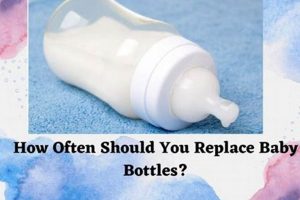
Tip 4: Replace Nipples Regularly: Nipples degrade more rapidly than bottles. Replace nipples frequently, regardless of their apparent condition. Changes in texture or flow rate can indicate the need for replacement.
Tip 5: Maintain Detailed Records of Usage: Document the duration of use for each bottle and nipple. This record will help track potential degradation and inform timely replacements.
Tip 6: Consult Pediatric Healthcare Professionals: Seek advice from a pediatrician or other qualified healthcare provider regarding the suitability of reusing specific bottle types or brands, especially if there are concerns about allergies or sensitivities.
By carefully evaluating the condition of infant feeding containers, adhering to strict hygiene practices, and consulting with healthcare professionals, informed decisions regarding reuse can be made, minimizing potential risks to infant health.
The next section will address alternative feeding options and considerations for choosing new bottles, providing a comprehensive overview of infant feeding practices.
1. Material Degradation

Material degradation is a primary concern when considering the reuse of infant feeding bottles. Repeated use and sterilization processes can compromise the structural integrity and chemical stability of bottle materials, leading to potential health risks for the infant.
- Plastic Polymer Breakdown
Many infant bottles are made from plastic polymers that, over time, degrade due to heat exposure during sterilization and physical stress from repeated washing. This breakdown can release microplastics and other chemical compounds into the infant’s formula or breast milk. For example, repeated boiling of polycarbonate bottles can lead to the release of Bisphenol A (BPA), although BPA-free alternatives are now more common, even these can degrade releasing other substances.
- Structural Weakening and Cracking
The repeated heating and cooling cycles of sterilization can cause bottles to become brittle and prone to cracking. These cracks can harbor bacteria, even after sterilization, posing a risk of infection. Visual inspection for cracks is crucial, but microscopic fissures may be undetectable to the naked eye, highlighting the inherent risk associated with reusing older bottles.
- Discoloration and Clouding
Changes in the appearance of bottles, such as discoloration or clouding, often indicate material degradation. These alterations suggest that the plastic is undergoing chemical changes that could affect the safety of the bottle. A cloudy bottle, for example, signals changes at the molecular level that weaken the structure and potentially leach unwanted substances.
- Nipple Deterioration
Infant bottle nipples, typically made of silicone or latex, are especially susceptible to degradation. Repeated use and sterilization can cause nipples to become sticky, deformed, or cracked. These changes not only compromise the feeding experience but also pose a choking hazard if small pieces break off. Regular nipple replacement is recommended even when bottles are reused.
The potential consequences of material degradation necessitate careful evaluation when considering reusing infant feeding bottles. While rigorous cleaning and sterilization are essential, they cannot fully mitigate the risks associated with compromised materials. The decision should weigh the economic benefits of reuse against the potential health implications for the infant, with a preference for new bottles when any signs of degradation are apparent.
2. Hygiene Maintenance

Hygiene maintenance forms a critical nexus in the context of reusing infant feeding bottles for a subsequent child. The effective removal of microbial contaminants from previously used feeding equipment is paramount to preventing infant illness. The act of reusing introduces potential sources of contamination that are not present with new, sterile bottles. Failure to adequately sterilize and clean bottles previously used by another child exposes the infant to a potentially harmful microbial load, increasing the risk of gastrointestinal infections and other illnesses. For instance, residual milk or formula can serve as a breeding ground for bacteria such as Salmonella or E. coli, leading to severe health consequences in infants.
Proper hygiene maintenance encompasses a multi-faceted approach, including thorough washing with hot, soapy water followed by sterilization. Sterilization methods include boiling, steam sterilization, and chemical sterilization. The selection of an appropriate method must consider the bottle’s material composition and manufacturer’s recommendations. Furthermore, caregivers must ensure meticulous hand hygiene before handling sterilized bottles and preparing formula or breast milk. Ignoring any stage in this process compromises the entire effort. As an example, if a bottle is thoroughly sterilized but subsequently handled with unclean hands, it negates the benefit of sterilization.
In summary, the feasibility of reusing infant feeding bottles hinges directly on the rigor of hygiene maintenance practices. While economic and environmental motivations may drive the decision to reuse, the overriding priority must be safeguarding infant health. Any uncertainty regarding the ability to consistently maintain impeccable hygiene standards necessitates a reevaluation of the decision to reuse, favoring the use of new, sterile feeding equipment. Challenges include maintaining cleanliness during travel or when access to appropriate sterilization equipment is limited. This reinforces the broader theme of informed decision-making prioritizing infant well-being.
3. BPA/Material Safety

The evaluation of BPA and overall material safety stands as a critical prerequisite when considering the re-utilization of infant feeding bottles for a subsequent child. Historical use of materials now deemed unsafe necessitates careful assessment to mitigate potential risks to the infant’s health. The evolution of material safety standards dictates that older bottles may not meet current guidelines, thus rendering them unsuitable for reuse.
- BPA Leaching Potential
Bisphenol A (BPA), a chemical formerly prevalent in polycarbonate plastics, is known to leach into food and liquids, particularly when exposed to heat. This leaching poses potential endocrine-disrupting effects, especially concerning for infants. Even if bottles are labeled “BPA-free,” the replacement chemicals might also have similar negative effects. The prolonged use and sterilization processes associated with reusing bottles can exacerbate this leaching, increasing the risk of exposure. A study on polycarbonate baby bottles showed significant BPA release after repeated sterilization cycles. Reuse of such bottles, irrespective of cleaning, presents a tangible health hazard.
- Material Degradation and Microplastic Release
Plastic materials, including those now used in infant bottles, degrade over time through repeated cleaning and sterilization. This degradation can lead to the release of microplastics into the infant’s feed. While the long-term effects of microplastic ingestion are still under investigation, preliminary research suggests potential adverse health outcomes. A bottle that appears intact may still be shedding microplastics at a rate that poses concern. The reuse of bottles intensifies this shedding, making it a more probable source of exposure compared to single-use scenarios.
- Evolving Safety Standards
Infant product safety standards evolve continuously, with new research informing regulatory changes. A bottle manufactured a decade ago may not meet current safety benchmarks concerning material composition or chemical leaching. Regulations regarding phthalates, heavy metals, and other potentially harmful substances can change over time. Thus, a previously deemed “safe” bottle might not be acceptable for reuse under current guidelines. A critical review of manufacturing dates and material specifications against current standards is essential.
- Alternative Material Considerations
While plastic bottles have been dominant, alternative materials like glass and stainless steel offer potential advantages regarding safety and durability. Glass bottles are inert and do not leach chemicals, but they are susceptible to breakage. Stainless steel is durable and non-leaching but lacks transparency. The decision to reuse bottles must factor in the comparative safety profiles of different materials. For instance, choosing to reuse a well-maintained glass bottle may be safer than reusing a plastic bottle, even if the plastic bottle is relatively new.
The assessment of material safety constitutes a cornerstone of the decision-making process regarding the reuse of infant feeding equipment. Consideration must extend beyond superficial cleaning to encompass a comprehensive evaluation of potential chemical leaching, material degradation, and compliance with current safety standards. While economic or environmental factors may influence the inclination to reuse, infant health remains the paramount consideration, mandating a cautious and informed approach.
4. Nipple Integrity

Nipple integrity serves as a crucial determinant in the suitability of reusing infant feeding bottles for a subsequent child. The condition of the nipple directly impacts feeding efficiency and safety, thereby exerting significant influence on infant well-being. Deterioration of the nipple material can lead to a compromised feeding experience and potential health risks. For example, a cracked or torn nipple presents a choking hazard due to the potential for small pieces to detach. Furthermore, changes in nipple texture or flow rate can disrupt the infant’s feeding rhythm, leading to frustration or inadequate nutrient intake. The decision to reuse bottles must therefore prioritize a thorough assessment of nipple condition.
Reusable nipples, typically constructed from silicone or latex, are subject to wear and tear from repeated sterilization and use. Silicone nipples may develop tears or discoloration, while latex nipples can become sticky and prone to degradation. These changes indicate a loss of structural integrity and necessitate replacement. Even with meticulous cleaning, microscopic damage can harbor bacteria, increasing the risk of infection. One must consider the cumulative effects of repeated use; a nipple that appears intact initially may degrade rapidly after several sterilization cycles. The type of formula used can also affect nipple integrity. Some formulas can cause faster degradation than others.
In summary, nipple integrity is a non-negotiable aspect of the “can i reuse bottles for second baby” consideration. Regular inspection and timely replacement of nipples are essential, regardless of the bottle’s condition. Given the potential risks associated with compromised nipples, erring on the side of caution is advisable. The cost of new nipples is minimal compared to the potential health consequences of using deteriorated ones, reinforcing the importance of prioritizing infant safety. Thus, while the bottle itself might be deemed reusable, the nipple’s condition may dictate otherwise.
5. Sterilization Efficacy

Sterilization efficacy holds paramount importance when considering the reuse of infant feeding bottles. The success or failure of sterilization processes directly impacts the safety and well-being of the infant, thereby establishing a critical link to the viability of reusing bottles previously used by another child. Inadequate sterilization renders the practice of reuse potentially hazardous, negating any economic or environmental benefits.
- Impact of Sterilization Method
The choice of sterilization method significantly influences the elimination of harmful microorganisms. Boiling, steam sterilization, and chemical sterilization each offer varying degrees of efficacy. Insufficient temperature, inadequate exposure time, or improper chemical concentrations can compromise the process. For instance, simply rinsing a bottle with hot water is not sterilization and fails to eliminate pathogens effectively. Sterilization equipment malfunctions or human error in following procedures can lead to incomplete sterilization, increasing the risk of bacterial contamination.
- Material Compatibility
The material composition of the bottle and nipple dictates the suitability of specific sterilization methods. Certain plastics may warp or degrade under high heat, while some chemicals can react adversely with the bottle material. Steam sterilization, while effective, may not be appropriate for all types of plastic. Choosing an incompatible sterilization method compromises the bottle’s integrity and sterilization efficacy. Therefore, verifying material compatibility with the chosen sterilization process is essential.
- Biofilm Formation
Biofilm formation on bottle surfaces presents a significant challenge to sterilization efficacy. Biofilms, composed of microbial communities encased in a protective matrix, exhibit increased resistance to sterilization agents. Microscopic scratches or crevices on the bottle provide ideal sites for biofilm development. Standard sterilization procedures may not penetrate biofilms effectively, allowing bacteria to persist and potentially colonize subsequent feedings. Regular and thorough cleaning is necessary to minimize biofilm formation before sterilization.
- Water Quality
The quality of water used in sterilization processes can affect the outcome. Hard water containing high mineral content can leave deposits on bottles, interfering with sterilization. Contaminated water can introduce new microorganisms, negating the effects of sterilization. Using purified or distilled water minimizes the risk of introducing contaminants or mineral deposits. A water source with known contaminants requires pretreatment, such as filtration or boiling, prior to use in bottle sterilization.
In conclusion, sterilization efficacy is an indispensable factor when evaluating the feasibility of reusing infant feeding bottles. While thorough cleaning is necessary, it is the sterilization process that provides the critical safeguard against harmful microorganisms. Any uncertainty regarding sterilization efficacy necessitates a reassessment of the reuse decision, prioritizing infant safety over potential cost savings.
Frequently Asked Questions Regarding Infant Feeding Bottle Reuse
This section addresses common inquiries surrounding the practice of reusing infant feeding bottles for subsequent children. The information provided aims to clarify potential risks and inform responsible decision-making.
Question 1: What are the primary concerns associated with reusing infant feeding bottles?
The principal concerns encompass material degradation, potential leaching of chemicals, and the risk of bacterial contamination, even after sterilization. These risks warrant careful consideration before reusing feeding equipment.
Question 2: How does material degradation impact the safety of reused bottles?
Material degradation, resulting from repeated sterilization and use, can compromise the structural integrity of the bottle and increase the likelihood of chemical leaching into the infant’s feed. Visual inspection for cracks and discoloration is essential.
Question 3: Is sterilization sufficient to eliminate all risks associated with reusing bottles?
While sterilization reduces the risk of bacterial contamination, it does not address the concerns related to material degradation or the potential leaching of chemicals. Furthermore, efficacy of sterilization depends on adherence to proper procedures.
Question 4: Are “BPA-free” bottles safe for reuse indefinitely?
While “BPA-free” bottles eliminate the risk of Bisphenol A leaching, they may still contain alternative chemicals that can degrade over time. Material degradation remains a concern, necessitating regular inspection and eventual replacement.
Question 5: How often should nipples be replaced on reused bottles?
Nipples degrade more rapidly than bottles and should be replaced frequently, regardless of the bottle’s condition. Signs of wear, such as stickiness, cracking, or changes in flow rate, indicate the need for immediate replacement.
Question 6: What factors should be considered when choosing between reusing bottles and purchasing new ones?
The decision should weigh the economic and environmental benefits of reuse against the potential risks to infant health. Material integrity, sterilization efficacy, and compliance with current safety standards should be carefully evaluated. When in doubt, new bottles are recommended.
In summary, while the reuse of infant feeding bottles may seem economically and environmentally sound, a thorough assessment of potential risks is paramount. Prioritizing infant safety through meticulous hygiene practices and informed decision-making is essential.
The subsequent section will address alternative feeding methods and provide guidance on selecting appropriate new feeding equipment.
Can I Reuse Bottles for Second Baby
The exploration of “can i reuse bottles for second baby” reveals a complex decision-making process centered on infant safety. Factors such as material degradation, sterilization efficacy, and evolving safety standards must be rigorously evaluated. While economic and environmental motivations may influence the decision, the potential risks to infant health cannot be understated. Thorough assessment and adherence to stringent hygiene protocols are crucial if reuse is contemplated.
Ultimately, the decision to reuse infant feeding bottles rests on a balanced assessment of potential risks and benefits. The paramount consideration must remain the well-being of the infant. If any uncertainty exists regarding material integrity, sterilization effectiveness, or compliance with current safety guidelines, the recommendation leans decisively toward utilizing new feeding equipment. This choice reflects a commitment to prioritizing infant health and minimizing potential adverse outcomes.