

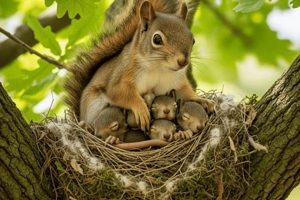

The reproductive frequency of squirrels varies depending on species and environmental conditions. Generally, many squirrel species experience one to two breeding seasons annually. The initial litter is often born in late winter... Read more »
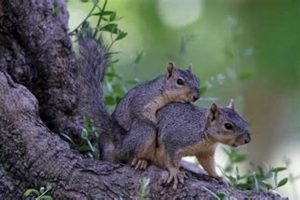
Squirrel reproduction is typically characterized by two distinct breeding seasons annually. These periods of increased reproductive activity are largely dictated by environmental factors and resource availability. Understanding when these breeding periods occur... Read more »


The typical litter size for squirrels varies depending on the species and environmental conditions, but generally ranges from two to five offspring. This number represents the average number of young produced in... Read more »

Providing appropriate nourishment to infant squirrels is crucial for their survival when they are orphaned or require supplemental feeding. The diet must mimic the nutritional composition of a mother squirrel’s milk to... Read more »
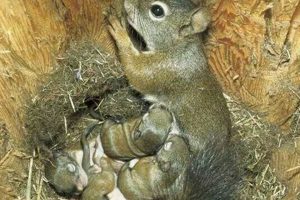
The reproductive cycle of squirrels involves distinct periods for gestation and raising young. The timing of these periods can vary slightly based on geographic location and species. Understanding the breeding patterns of... Read more »

The dietary needs of young squirrels are highly specific and crucial for their survival. During their early weeks, these animals are entirely dependent on their mother’s milk, which provides essential nutrients, antibodies,... Read more »