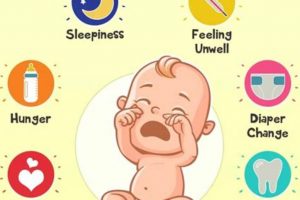
Infant vocalizations during sleep, often manifesting as distressed sounds, are a common parental concern. These nocturnal episodes range in intensity from whimpers to full-fledged cries and typically occur without the infant fully awakening. Several factors contribute to these sleep disturbances, including normal developmental stages, physiological processes, and potential underlying discomfort.
Understanding the origins of these nocturnal cries is crucial for parental well-being and the infant’s healthy development. Differentiating between benign sleep behaviors and signs of distress allows for appropriate intervention. Historically, various cultural interpretations and outdated medical advice have shaped parental responses to infant sleep cries. Modern research provides a more nuanced understanding, emphasizing observation and responsive caregiving.
The subsequent discussion will delve into specific reasons for these vocalizations, distinguishing between normal sleep cycles, common discomforts such as gas or hunger, and potential indicators of medical concerns. Further exploration will address strategies for soothing infants during these episodes and when professional consultation is warranted.
Strategies for Addressing Infant Sleep Vocalizations
Effective management of nocturnal infant cries involves careful observation and responsive caregiving. Understanding the potential causes facilitates targeted interventions.
Tip 1: Establish a Consistent Sleep Routine: Maintaining a regular bedtime and wake time helps regulate the infant’s circadian rhythm, potentially reducing sleep disturbances. This routine can include a calming bath, gentle massage, and quiet reading.
Tip 2: Ensure Adequate Daytime Feeding: Sufficient caloric intake during the day can minimize nighttime hunger awakenings. Closely monitor feeding cues and consult with a pediatrician regarding appropriate feeding schedules.
Tip 3: Check for Physical Discomfort: Prior to intervening, assess for obvious sources of discomfort such as diaper wetness, tight clothing, or ambient temperature extremes. Addressing these immediate needs can swiftly resolve the crying.
Tip 4: Utilize Gentle Soothing Techniques: If the infant is not in immediate distress, employ gentle soothing methods such as rocking, swaddling, or white noise. These techniques mimic the sensations of the womb and can promote relaxation.
Tip 5: Avoid Overstimulation: Limit exposure to bright lights and loud noises before bedtime, as these can disrupt the infant’s sleep patterns. A quiet and dimly lit environment is conducive to restful sleep.
Tip 6: Monitor for Signs of Illness: Persistent crying, especially if accompanied by fever, vomiting, or changes in feeding behavior, warrants medical attention. These symptoms may indicate an underlying illness requiring treatment.
Tip 7: Practice Safe Sleep Guidelines: Always place the infant on their back to sleep on a firm, flat surface free of loose bedding or toys. This reduces the risk of sudden infant death syndrome (SIDS).
By implementing these strategies, caregivers can effectively manage most instances of nocturnal infant crying and promote healthy sleep habits. However, consistent or concerning vocalizations require further investigation.
The following section will address specific situations where medical consultation is advisable.
1. Discomfort

Discomfort serves as a significant catalyst for nocturnal infant vocalizations. Physical or physiological unease frequently disrupts sleep cycles, leading to crying episodes. Addressing potential sources of discomfort is a primary step in soothing a crying infant.
- Gastrointestinal Issues
Infants are prone to gas, colic, and reflux, all of which can cause significant abdominal discomfort. Trapped gas can lead to bloating and cramping, disrupting sleep. Colic, characterized by prolonged periods of inconsolable crying, often peaks in the evening and continues into the night. Gastroesophageal reflux, where stomach contents flow back into the esophagus, can cause burning sensations and discomfort, particularly when lying down. Recognizing signs such as arching the back, drawing knees to the chest, or frequent spitting up can indicate these issues. Addressing such discomfort, possibly through burping, gentle abdominal massage, or dietary adjustments (under medical guidance), may alleviate the crying.
- Temperature Sensitivity
Infants have difficulty regulating their body temperature, making them susceptible to discomfort from being too hot or too cold. Overdressing can lead to overheating, causing restlessness and crying. Conversely, inadequate clothing in a cool environment can lead to shivering and discomfort, also disrupting sleep. Caregivers must monitor the infant’s temperature and adjust clothing or room temperature accordingly. Feeling the infant’s chest or back (not hands or feet) provides a reliable assessment of their temperature.
- Diaper Discomfort
A wet or soiled diaper can cause significant discomfort, irritating the skin and disrupting sleep. Prolonged exposure to moisture and fecal matter can lead to diaper rash, exacerbating the discomfort. Regular diaper changes are crucial for maintaining the infant’s comfort and preventing skin irritation. Using barrier creams can help protect the skin and reduce the likelihood of discomfort from wetness.
- Teething Pain
Teething, the process of teeth erupting through the gums, can cause discomfort and pain, especially during the night. Inflammation of the gums can lead to irritability, drooling, and sleep disturbances. Gentle gum massage, teething rings, or appropriate doses of pain relief medication (under medical advice) can help alleviate the discomfort and promote restful sleep.
These various forms of physical unease underscore the importance of a thorough assessment when an infant cries during sleep. Addressing these discomforts promptly and effectively is crucial not only for soothing the infant but also for promoting healthy sleep patterns and overall well-being.
2. Development

Infant development, encompassing both physical and neurological maturation, profoundly influences sleep patterns and propensities for nocturnal vocalizations. These cries, often perceived as distress signals, frequently stem from developmental processes rather than solely from discomfort or illness. Recognizing the interplay between development and sleep crying is essential for caregivers to provide appropriate responses.
- Sleep Cycle Maturation
Newborn sleep cycles differ significantly from those of adults. Infants spend a greater proportion of sleep in active sleep (similar to REM sleep), characterized by increased brain activity, body movements, and vocalizations. As the infant matures, sleep cycles lengthen and consolidate, leading to fewer arousals and cries during the night. The immaturity of the infant’s sleep architecture contributes to the frequency of sleep crying during the early months of life.
- Cognitive Development and Dream Activity
As cognitive abilities develop, infants begin to experience more complex dreams and subconscious processing of daytime experiences. These mental activities can manifest as vocalizations or cries during sleep. While infants cannot articulate the content of their dreams, the emotional intensity can trigger physical responses such as crying or whimpering. The emergence of object permanence, a developmental milestone, may also contribute to separation anxiety, leading to crying episodes during sleep as the infant becomes more aware of the caregiver’s absence.
- Motor Skill Development
During sleep, infants continue to develop motor skills through involuntary movements and muscle twitches. These movements can sometimes be accompanied by vocalizations, particularly during periods of active sleep. Furthermore, new motor skills, such as rolling over or crawling, can disrupt sleep patterns and lead to crying as the infant attempts to practice these skills in their sleep.
- Emotional Regulation Development
Infants gradually develop the capacity to regulate their emotions. Initially, they rely on caregivers to soothe and comfort them. As they mature, they begin to develop self-soothing techniques, such as sucking on their fingers or finding a comfortable position. Crying during sleep can reflect the infant’s struggle to self-soothe, particularly when experiencing discomfort or anxiety. Caregivers can support the development of emotional regulation by providing consistent and responsive care, helping the infant learn to manage their emotions independently.
In summary, developmental milestones significantly impact sleep patterns and nocturnal crying. Understanding these connections allows caregivers to differentiate between normal developmental crying and cries that may indicate underlying issues, enabling more effective and responsive caregiving strategies.
3. Environment

The surrounding environment exerts a considerable influence on infant sleep and the propensity for nocturnal vocalizations. Elements within the infant’s immediate surroundings can either promote restful sleep or contribute to disturbances that manifest as crying. Careful management of these environmental factors is crucial for optimizing infant sleep quality.
- Ambient Temperature
Maintaining an appropriate room temperature is paramount. Extremes of heat or cold disrupt sleep and induce crying. Overheating, especially due to excessive bundling, is linked to an increased risk of Sudden Infant Death Syndrome (SIDS). Conversely, a cold environment can cause discomfort and shivering, leading to crying. The recommended room temperature for infant sleep is between 68 and 72 degrees Fahrenheit (20 to 22 degrees Celsius). Lightweight, breathable clothing minimizes the risk of overheating while ensuring adequate warmth.
- Noise Levels
Excessive noise interferes with sleep cycles and prompts awakenings, often accompanied by crying. Sudden loud noises startle infants, triggering the Moro reflex and disrupting their sleep. Conversely, complete silence can be equally disruptive, as infants are accustomed to the sounds of the womb. White noise machines or ambient sounds can mask disruptive noises and create a soothing sleep environment. Maintaining a consistent, low-level sound environment aids in promoting uninterrupted sleep.
- Light Exposure
Light exposure, particularly bright or artificial light, inhibits the production of melatonin, a hormone that regulates sleep. Exposure to light before bedtime can delay the onset of sleep and lead to increased crying during the night. Maintaining a dark or dimly lit environment promotes melatonin production and facilitates the initiation and maintenance of sleep. Blackout curtains or dim nightlights can help create a conducive sleep environment.
- Air Quality
Poor air quality can irritate the respiratory system and disrupt sleep. Exposure to allergens, pollutants, or smoke can trigger coughing, wheezing, and nasal congestion, leading to discomfort and crying during sleep. Maintaining good air quality through regular ventilation and the use of air purifiers can minimize respiratory irritation and promote restful sleep. Avoiding exposure to cigarette smoke is particularly important, as it is a significant respiratory irritant.
The impact of the environment highlights the importance of proactive measures to optimize sleep conditions. By carefully controlling factors such as temperature, noise levels, light exposure, and air quality, caregivers can significantly reduce the likelihood of environment-related sleep disturbances and promote more restful sleep for the infant, minimizing the occurrences of nocturnal crying.
4. Hunger
Hunger is a primary stimulus for infant crying, particularly during sleep. Infants possess limited capacity for delayed gratification and rely on frequent feedings to maintain stable blood sugar levels. Depleted energy reserves trigger physiological distress, culminating in crying as a communication mechanism. The temporal proximity of sleep cycles and feeding schedules often results in nocturnal hunger awakenings and subsequent cries.
Consider a three-month-old infant who typically feeds every three hours during the day. If the infant experiences a growth spurt or has a particularly active day, energy demands increase. As a result, the infant’s sleep is interrupted as blood glucose levels fall below a threshold necessary for sustained rest. The infant transitions from quiet sleep to active sleep, and then to crying, signaling the need for nourishment. Recognizing these hunger cues, such as rooting or lip smacking, prior to the onset of intense crying is crucial for preemptive feeding. Ineffective early feeding patterns are often associated with frequent night waking and protracted periods of crying, underscoring the connection between consistent nourishment and uninterrupted sleep. Failure to adequately address hunger-related crying can lead to increased stress for both the infant and caregiver.
In conclusion, hunger represents a fundamental cause for infant sleep crying. Understanding the physiological basis of hunger and recognizing early feeding cues allows caregivers to implement proactive strategies. Addressing nocturnal hunger efficiently minimizes sleep disruptions and promotes overall well-being. Though other factors contribute to infant crying, hunger remains a pervasive and modifiable element, highlighting the importance of responsive feeding practices in managing infant sleep.
5. Illness

Illness represents a significant instigator of nocturnal crying in infants. The presence of disease states, ranging from minor infections to more severe conditions, disrupts normal sleep patterns and elicits distress. Pain, discomfort, and physiological imbalances associated with illness serve as potent stimuli for crying, a primary communication method for infants incapable of verbalizing their condition. Consequently, discerning illness as a potential cause is essential when evaluating “why do babies cry out in their sleep,” as targeted medical intervention may be necessary.
Several categories of illness commonly manifest as sleep disturbances and crying in infants. Respiratory infections, such as bronchiolitis or pneumonia, cause breathing difficulties and discomfort, leading to frequent awakenings and distressed vocalizations. Gastrointestinal ailments, including gastroenteritis or food allergies, result in abdominal pain, vomiting, and diarrhea, which disrupt sleep architecture and trigger crying episodes. Ear infections, specifically otitis media, are prevalent in infancy and induce significant pain, particularly when lying down, resulting in nocturnal crying. Systemic infections, such as urinary tract infections or meningitis, cause fever, irritability, and generalized discomfort, disrupting sleep and prompting prolonged periods of crying. In each instance, the underlying illness directly impinges on the infant’s physiological well-being, causing sleep disturbances and crying that necessitate prompt medical evaluation and management. For example, an infant with an undiagnosed ear infection may cry inconsolably during the night, arching their back and pulling at their ear, behaviors indicative of pain and requiring immediate attention from a healthcare provider.
In conclusion, illness is a critical consideration when assessing “why do babies cry out in their sleep.” The correlation between disease states and disrupted sleep patterns underscores the importance of vigilant observation and timely medical intervention. While numerous factors contribute to infant crying, the potential presence of an underlying illness demands a systematic diagnostic approach to ensure accurate identification and appropriate treatment. Understanding this connection promotes informed caregiving and optimizes infant health outcomes by addressing the root cause of the crying, rather than solely focusing on symptomatic relief.
6. Sleep Cycles

Infant sleep cycles, characterized by distinct phases of activity and quiescence, play a critical role in understanding nocturnal crying episodes. Unlike adults, infants exhibit shorter sleep cycles, cycling more frequently between active sleep (akin to REM sleep) and quiet sleep. These frequent transitions inherently increase the likelihood of arousal and subsequent crying. For example, an infant transitioning from deep, quiet sleep to lighter, active sleep may experience a brief period of heightened sensitivity to external stimuli, such as noise or discomfort. This heightened sensitivity can trigger crying, even if the underlying stimulus is minor. The immaturity of the infant’s sleep architecture, including the underdeveloped mechanisms for regulating sleep-wake transitions, further contributes to these arousals and cries. Thus, the inherent structure and function of infant sleep cycles directly influence the frequency and intensity of nocturnal crying.
The practical implications of understanding this connection are significant. Caregivers, aware of the cyclical nature of infant sleep, can learn to differentiate between cries indicating genuine distress and those arising from normal sleep cycle transitions. A brief, soft cry during a transition may not warrant immediate intervention, allowing the infant to self-soothe and return to deeper sleep. Conversely, a prolonged, intense cry may signal a need for attention, such as feeding or diaper changing. Recognizing these distinctions requires careful observation and knowledge of the infant’s individual sleep patterns. Furthermore, establishing consistent sleep routines and optimizing the sleep environment can help regulate sleep cycles, potentially reducing the frequency of disruptive transitions and associated crying.
In conclusion, the relationship between sleep cycles and infant crying is multifaceted and fundamental. Infant crying during sleep is often triggered by the transitional phases that exist in sleep cycles. Infant sleep cycles are a crucial and primary component to “why do babies cry out in their sleep.” While challenging to completely eliminate nocturnal crying stemming from normal sleep cycle transitions, caregivers can mitigate its occurrence through informed observation, consistent routines, and optimized sleep environments. Further research into the neurophysiological mechanisms underlying infant sleep regulation is warranted to develop more effective strategies for promoting consolidated sleep and minimizing disruptive crying episodes.
7. Reflexes

Innate reflexes, automatic motor responses to specific stimuli, contribute to instances of nocturnal crying in infants. These reflexes, essential for survival and development, can inadvertently disrupt sleep and elicit crying. The Moro reflex, also known as the startle reflex, exemplifies this connection. A sudden noise or a perceived loss of support triggers the Moro reflex, causing the infant to extend their arms and legs, arch their back, and then rapidly bring their limbs back towards their body. This involuntary movement can startle the infant awake from sleep, leading to crying. Similarly, the rooting reflex, where the infant turns their head and opens their mouth in response to stimulation of the cheek, can be triggered during sleep, prompting the infant to seek a nipple and cry if unsuccessful. These reflexes, while crucial for survival, can interrupt sleep cycles and manifest as crying episodes.
Understanding the role of reflexes in nocturnal crying enables caregivers to differentiate between reflex-induced cries and those arising from other causes, such as hunger or discomfort. If an infant cries following a sudden noise or movement, the Moro reflex is a likely trigger. In such cases, gentle swaddling can help to restrain the infant’s movements and prevent the reflex from disrupting sleep. Alternatively, if an infant exhibits rooting behavior during sleep and begins to cry, offering a pacifier or breast/bottle may satisfy the rooting instinct and alleviate the crying. Recognizing these reflex-driven patterns allows for targeted interventions that address the underlying cause of the crying, promoting more restful sleep for both the infant and caregiver. Failure to recognize and address these reflex-induced cries can lead to unnecessary distress and perpetuate sleep disturbances.
In summary, reflexes represent a significant, yet often overlooked, factor in nocturnal infant crying. The Moro and rooting reflexes, among others, can disrupt sleep cycles and trigger crying episodes. By understanding the mechanisms and manifestations of these reflexes, caregivers can differentiate between reflex-induced cries and those stemming from other causes, enabling targeted interventions. This knowledge promotes more effective caregiving strategies, fostering improved sleep and overall well-being for infants. Further research into the neurophysiological basis of infant reflexes and their impact on sleep is warranted to develop more comprehensive approaches to managing nocturnal crying.
Frequently Asked Questions
This section addresses common inquiries regarding infant nocturnal vocalizations, offering evidence-based insights to inform parental understanding and caregiving practices.
Question 1: Are infant sleep cries always indicative of distress or pain?
Not necessarily. While sleep cries may signal discomfort, hunger, or illness, they can also arise from normal sleep cycle transitions, dream activity, or reflex activation. Distinguishing between types of cries requires careful observation of accompanying behaviors and contextual factors.
Question 2: What strategies are most effective for soothing an infant who cries out in their sleep?
Effective soothing techniques include ensuring physical comfort (clean diaper, appropriate temperature), employing gentle rocking or swaying motions, providing white noise, and offering a pacifier. Responsive and consistent caregiving builds trust and security, promoting self-soothing abilities.
Question 3: How can parents differentiate between normal sleep cries and those requiring medical attention?
Cries accompanied by fever, vomiting, diarrhea, breathing difficulties, or changes in feeding behavior warrant immediate medical evaluation. Persistent, inconsolable crying or marked changes in sleep patterns also merit professional consultation.
Question 4: Can sleep training methods be applied to address infant nocturnal crying?
Sleep training methods may be considered for infants beyond six months of age, after addressing potential medical or developmental factors contributing to the crying. Consultation with a pediatrician or sleep specialist is recommended to determine the appropriateness of specific sleep training techniques.
Question 5: Is it harmful to allow an infant to “cry it out” during the night?
The “cry it out” method remains controversial. While some proponents suggest its effectiveness in promoting independent sleep, concerns exist regarding potential stress and emotional impact on the infant. Alternative, gentler approaches to sleep training are available.
Question 6: What role does breastfeeding play in influencing infant sleep patterns and nocturnal crying?
Breastfeeding provides optimal nutrition and promotes bonding, potentially contributing to improved sleep. However, breastfed infants may require more frequent feedings, including during the night, which can influence sleep patterns and crying episodes. Individual infant needs and parental preferences should guide feeding decisions.
Understanding “why do babies cry out in their sleep” requires a nuanced approach. Caregivers may consider implementing some of the suggested techniques after speaking with their healthcare provider.
The discussion continues in the next section with actionable tips for parental support.
Conclusion
The examination of “why do babies cry out in their sleep” reveals a complex interplay of factors, encompassing physiological processes, developmental stages, environmental influences, and potential medical conditions. Recognizing the multifaceted nature of these nocturnal vocalizations is crucial for informed caregiving and appropriate intervention strategies. Differentiating between normal sleep behaviors and signs of distress empowers caregivers to respond effectively, promoting both infant well-being and parental peace of mind.
Continued research into infant sleep physiology and behavior remains essential for refining our understanding of “why do babies cry out in their sleep.” A comprehensive approach, integrating empirical evidence with individualized assessment, is necessary to optimize infant sleep health and support families in navigating the challenges of early parenthood. By prioritizing responsive caregiving and seeking professional guidance when warranted, caregivers can foster healthy sleep patterns and minimize unnecessary distress for both themselves and their infants.