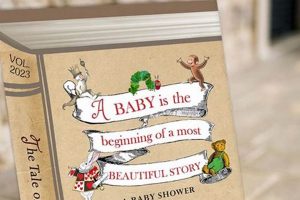
The celebration of impending parenthood is evolving. Conventional models, often characterized by gender-specific themes and gift registries focused solely on infant necessities, are giving way to alternative approaches. These contemporary adaptations prioritize inclusivity, personalization, and the unique needs and preferences of the expectant parents. For example, co-ed gatherings, donation-based events benefiting relevant charities, and experiences centered around parental wellness are becoming increasingly common.
These updated celebrations offer several advantages. They can reduce the pressure associated with adhering to rigid social expectations, allowing for a more relaxed and authentic expression of support and joy. Furthermore, these alternatives frequently address the broader challenges of parenthood, such as mental health and financial stability, rather than solely focusing on material possessions. Historically, such events were heavily influenced by Victorian social norms, but these norms are increasingly being challenged in favor of more modern and equitable celebrations.
Understanding the nuances of these evolving celebrations requires consideration of various factors. These include theme selection, guest list composition, activity planning, and the management of gift expectations. The following sections will delve into these topics, providing practical guidance for planning an event that reflects the individual values and desires of the expectant parents.
Guidance for a Personalized Celebration
Planning an alternative celebration necessitates careful consideration of various elements to ensure a meaningful and representative experience.
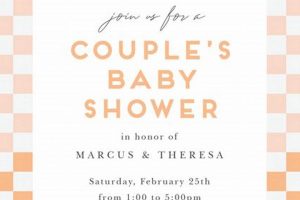
Tip 1: Embrace Co-ed Gatherings: Rather than adhering to gender-segregated traditions, inclusive celebrations welcome individuals of all genders. This fosters a broader network of support for the expectant parents and allows for more diverse perspectives.
Tip 2: Select Thematic Adaptations: Move beyond conventional baby-centric themes. Explore themes aligned with the parents’ hobbies, interests, or cultural backgrounds. This adds a personal touch and creates a more engaging atmosphere for attendees.
Tip 3: Prioritize Experiences Over Material Gifts: Consider activities that promote relaxation, education, or connection. Examples include prenatal yoga sessions, parenting workshops, or group crafting activities designed to create personalized items for the baby.
Tip 4: Establish a Charitable Registry: Instead of or in addition to traditional gifts, encourage guests to donate to a charity aligned with the parents’ values, such as organizations supporting maternal health, child welfare, or environmental conservation.
Tip 5: Implement a Skill-Sharing Registry: A registry can be created where guests offer their skills or services, such as babysitting, meal preparation, or home organization, providing valuable support to the new parents during the initial postpartum period.
Tip 6: Encourage Open Communication: Clearly communicate expectations regarding gifts, attire, and the overall tone of the celebration. This ensures that guests are informed and comfortable, contributing to a more harmonious event.
Tip 7: Focus on Parental Wellness: Incorporate activities that prioritize the well-being of the expectant parents. This may include massage stations, meditation sessions, or discussions focused on mental health and self-care.
Implementing these strategies ensures the celebration reflects the values and preferences of the expectant parents, resulting in a more meaningful and supportive experience for all involved.
The subsequent section will examine common misconceptions surrounding these celebrations and offer clarification.
1. Inclusive Guest Lists

The expansion of guest lists beyond traditional gender and familial constraints is a defining characteristic. This inclusivity significantly shapes the nature and purpose of the event, moving it away from established norms and towards a more representative celebration.
- Beyond Gendered Norms
Traditional baby showers often feature predominantly female attendees. Inclusive guest lists actively incorporate male friends, family members, and colleagues. This broadening of participation acknowledges that support for new parents extends beyond gendered roles and fosters a more diverse support system.
- Extended Family Representation
Instead of limiting invitations to immediate family members, inclusive approaches extend invitations to distant relatives, chosen family, and close friends who play significant roles in the expectant parents’ lives. This creates a larger network of emotional and practical support.
- Diverse Perspectives and Experiences
Including individuals from varying backgrounds, life stages, and parenting experiences introduces a range of perspectives and advice. This allows expectant parents to benefit from a broader pool of knowledge and support, rather than relying solely on traditional wisdom.
- Normalization of Shared Responsibility
An inclusive guest list reinforces the concept of shared responsibility in raising a child. By actively involving a diverse group of individuals, the event emphasizes that support and involvement from a wide network are crucial for the well-being of the child and the parents.
The deliberate effort to construct an inclusive guest list demonstrates a commitment to redefining the social support system surrounding new parents. This active participation shapes the tone and intention and aligns the celebration with modern values of equality, shared responsibility, and diversified support networks.
2. Experiential Gift Alternatives

The incorporation of experiential gifts represents a key divergence from conventional celebrations. Rather than focusing solely on material items for the infant, emphasis is placed on providing opportunities and resources that support the parents’ well-being, education, or personal growth. This shift reflects a holistic understanding of the transition to parenthood and the diverse needs that arise during this period.
- Prenatal and Postnatal Wellness Services
These gifts address the physical and emotional demands of pregnancy and early parenthood. Examples include massage therapy, yoga classes, or postpartum doula services. Such gifts prioritize the parents’ well-being and contribute to a smoother transition into their new roles.
- Educational Workshops and Classes
Experiential gifts can encompass parenting classes, infant CPR courses, or workshops on breastfeeding and newborn care. These offerings equip expectant parents with knowledge and skills, fostering confidence and reducing anxiety surrounding the challenges of raising a child.
- Date Night Vouchers and Babysitting Services
Maintaining connection and intimacy within the parental relationship is crucial. Gifts such as date night vouchers or pre-paid babysitting services allow parents to prioritize their relationship and recharge amidst the demands of childcare. This fosters emotional well-being and strengthens the familial bond.
- Subscription Boxes Tailored to Parental Needs
Subscription boxes offer a curated selection of items or experiences delivered regularly. Examples include boxes focused on self-care for new mothers, healthy snacks for breastfeeding parents, or developmental toys for infants. This provides ongoing support and contributes to a sense of well-being during the early months of parenthood.
By prioritizing experiential gifts, celebrations acknowledge the multifaceted nature of the transition to parenthood. These alternatives not only provide tangible benefits to the parents but also foster a sense of community and support, enriching the overall experience of welcoming a new child.
3. Personalized Thematic Elements

Personalized thematic elements are integral to the modern celebration, marking a departure from standardized, commercially driven motifs towards reflections of the expectant parents’ identities, interests, and values. This personalization shapes the entire experience, imbuing the event with deeper meaning and creating a more memorable and relevant occasion.
- Hobby and Interest Integration
Expectant parents’ passions can serve as thematic inspiration. If they enjoy travel, the event may incorporate a global exploration theme, featuring decorations, cuisine, and activities related to different cultures. Similarly, if literature is a shared interest, the event could revolve around favorite books, with guests encouraged to bring literary-themed gifts or engage in book-related games. This integration transforms the celebration into a genuine expression of the parents’ personalities.
- Cultural Heritage Representation
Embracing cultural heritage provides a rich source of thematic inspiration. The event can showcase traditional customs, attire, music, and food from the parents’ cultural backgrounds. This not only celebrates their heritage but also introduces guests to new traditions and perspectives, fostering cultural understanding and appreciation. For example, a celebration might incorporate elements of a traditional tea ceremony or feature music and dance performances specific to their heritage.
- Environmental Consciousness
Reflecting a commitment to sustainability, events can adopt an eco-friendly theme. This involves using recycled or biodegradable decorations, serving locally sourced and organic food, and encouraging guests to bring reusable gifts or contribute to environmental charities. Such celebrations promote environmental awareness and align with the parents’ values of responsible consumption and environmental stewardship.
- Artistic Expression
For art enthusiasts, the celebration can revolve around various art forms. Guests could participate in collaborative art projects, such as creating a mural for the nursery or decorating ceramic items for the baby. The event space could feature displays of artwork by the parents or local artists, creating an immersive and inspiring atmosphere. This artistic focus transforms the celebration into a creative and engaging experience for all attendees.
Personalized thematic elements enhance the significance by creating a meaningful and authentic experience for the expectant parents and their guests. These elements, whether inspired by hobbies, culture, environmental consciousness, or artistic expression, represent a deliberate move away from generic celebrations toward events that truly reflect the unique individuals and values being honored.
4. Parental Wellness Focus
Parental wellness, encompassing mental, emotional, and physical health, represents a cornerstone in contemporary celebrations surrounding impending parenthood. This focus addresses the multifaceted challenges new parents encounter, extending beyond the immediate needs of the infant and acknowledging the significant adjustment required for both individuals.
- Mental Health Support
Celebrations can incorporate elements that promote awareness of and access to mental health resources. This may involve providing information about postpartum depression and anxiety, hosting discussions led by mental health professionals, or encouraging attendees to offer practical support such as childcare or meal preparation. Addressing mental well-being acknowledges the emotional challenges inherent in parenthood and aims to destigmatize seeking help.
- Physical Recovery and Self-Care
Events can prioritize the physical recovery and self-care needs of the expectant parents. This may include offering spa treatments or massage vouchers, providing healthy and nourishing food options, or facilitating discussions on postpartum physical changes and recovery strategies. Acknowledging the physical demands of pregnancy and childbirth allows attendees to offer practical support and encouragement for self-care practices.
- Relationship Building and Connection
Celebrations provide opportunities for expectant parents to strengthen their relationship and connect with others who have experienced similar transitions. This may involve hosting couple-focused activities, facilitating group discussions on parenting challenges and strategies, or creating a supportive environment for sharing experiences and building community. Reinforcing the importance of partnership and social connection helps alleviate feelings of isolation and fosters a sense of shared understanding.
- Educational Resources and Support Networks
Events can serve as platforms for disseminating information about parenting resources and establishing support networks. This may involve inviting guest speakers to share insights on newborn care, breastfeeding, or child development, providing information about local parenting groups and services, or creating online forums for ongoing support and communication. Equipping expectant parents with knowledge and connections empowers them to navigate the challenges of parenthood with greater confidence and resilience.
The integration of parental wellness considerations within celebrations underscores a shift towards holistic support for new families. By addressing the mental, physical, and relational needs of expectant parents, these events contribute to a more positive and sustainable transition into parenthood, promoting the well-being of both the individuals and the family unit as a whole.
5. Charitable Contribution Options

The incorporation of charitable contribution options within a contemporary celebration represents a significant departure from traditional gift-giving norms. This approach redirects the focus from material acquisition to supporting causes aligned with the expectant parents’ values, effectively transforming the celebration into a vehicle for social good. The option to donate to relevant charities, in lieu of or in addition to traditional gifts, underscores a shift towards altruism and a desire to contribute to a larger purpose during a significant life event. For example, expectant parents passionate about environmental conservation might request donations to organizations dedicated to reforestation or wildlife preservation. Similarly, those concerned about maternal health could direct contributions to charities providing prenatal care in underserved communities. The cause-and-effect relationship is clear: a desire for meaningful celebration leads to charitable contributions, ultimately benefiting chosen organizations and their beneficiaries.
Charitable registries offer a structured mechanism for guests to participate. These registries function similarly to conventional gift registries, but instead of listing specific items, they feature a selection of pre-vetted charities. Guests can then donate to the chosen charities in honor of the expectant parents. Some online platforms facilitate this process, providing tools for creating and managing charitable registries, tracking donations, and ensuring funds reach the intended recipients. The practical significance of this approach extends beyond the immediate financial benefit to the charities. It fosters a sense of shared purpose among guests, promotes awareness of important social issues, and establishes a precedent for philanthropic engagement within the family unit. For instance, a celebration honoring parents involved in animal rescue could generate substantial donations for a local animal shelter, enhancing its ability to provide care and find homes for animals in need.
In summary, charitable contribution options represent a powerful way to imbue a celebration with meaning beyond the acquisition of material goods. This approach aligns with contemporary values of social responsibility and offers a tangible way to support causes the expectant parents care deeply about. While challenges may include educating guests about the concept and ensuring transparency in donation processes, the benefits of this altruistic approach outweigh the obstacles. The strategic integration of charitable contributions links the personal joy of welcoming a new life with a broader commitment to making a positive impact on the world.
Frequently Asked Questions
The following questions and answers address common inquiries and misconceptions surrounding alternative celebrations for expectant parents.
Question 1: What constitutes as a “non traditional baby shower?”
This refers to celebrations departing from conventional norms, often characterized by gender-specific themes, exclusive female attendance, and a primary focus on material gifts for the infant. Alternatives emphasize inclusivity, personalization, parental wellness, and charitable contributions.
Question 2: How does one politely decline gifts at a “non traditional baby shower?”
Communicating preferences clearly and proactively is essential. Invitations should explicitly state the desire for alternative contributions, such as donations to a designated charity or offers of support services, rather than material gifts. Expressing gratitude for the thought, regardless of whether a gift is given, maintains graciousness.
Question 3: Is it acceptable to host a co-ed “non traditional baby shower?”
Indeed. Including individuals of all genders fosters a broader support network for the expectant parents and acknowledges that assistance and guidance extend beyond traditional gender roles. Co-ed gatherings are a hallmark of inclusive celebrations.
Question 4: How can one incorporate parental wellness into a “non traditional baby shower?”
Elements prioritizing parental well-being may include massage stations, guided meditation sessions, workshops on stress management, or informational resources on postpartum mental health. Such additions acknowledge the challenges of parenthood and promote self-care.
Question 5: What are some examples of experiential gifts suitable for a “non traditional baby shower?”
Experiential gifts encompass services and opportunities that support the parents’ well-being. Examples include prenatal yoga classes, babysitting vouchers, meal delivery services, or subscriptions to parenting resources. These offerings prioritize parental needs beyond material possessions for the infant.
Question 6: How does a charitable registry function within a “non traditional baby shower?”
A charitable registry allows guests to donate to pre-selected charities aligned with the expectant parents’ values, rather than providing traditional gifts. Online platforms often facilitate this process, enabling the creation and management of donation campaigns. This approach transforms the celebration into a vehicle for social good.
In summary, embracing alternative celebrations requires open communication, a focus on parental well-being, and a willingness to challenge conventional norms. The result is a more meaningful and supportive experience for all involved.
The next section will explore potential challenges and solutions in implementing alternative celebrations.
Non Traditional Baby Shower
This exploration has illuminated the evolving landscape of celebrations surrounding new parenthood. It has delineated how the non traditional baby shower moves beyond established norms, prioritizing inclusivity, parental well-being, and personalized expression. These adaptations reshape the event into a reflection of the expectant parents’ values and a source of holistic support.
As societal expectations surrounding parenthood continue to evolve, the principles underlying non traditional baby shower celebrations will likely gain further prominence. This shift represents a move towards more authentic, supportive, and meaningful acknowledgements of this pivotal life transition. Embracing these principles can cultivate a stronger sense of community and promote the well-being of new families.