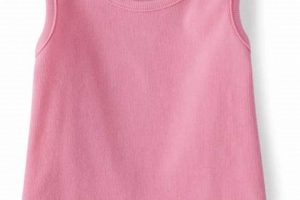
Apparel designed for infant females within the developmental stage spanning three to six months is characterized by considerations of size, material, and functionality. Garments within this category typically accommodate babies weighing between approximately 12 and 16 pounds and measuring between 23 and 26 inches in length. Examples include onesies, sleepers, dresses, and separates (tops and bottoms) constructed from soft, breathable fabrics.
Providing appropriate attire for this age group is essential for ensuring comfort, safety, and optimal development. Well-chosen items allow for ease of movement, facilitating exploration and muscle development. Furthermore, suitable fabrics and designs minimize the risk of skin irritation and overheating. Historically, the availability of diverse and specialized clothing for this demographic has evolved significantly, reflecting advancements in textile technology and an increased focus on infant well-being.
The following sections will delve into specific aspects of selecting, caring for, and optimizing the use of garments intended for infant girls in this developmental phase. These topics encompass fabric considerations, sizing guidelines, essential garment types, and safety standards.
Guidance on Selecting Infant Female Garments (3-6 Months)
The following guidelines provide essential information for procuring and utilizing clothing items suitable for infant girls in the 3-6 month age range. Adherence to these suggestions promotes comfort, safety, and optimal developmental support.
Tip 1: Prioritize Natural Fibers: Opt for garments crafted from 100% cotton, bamboo, or merino wool. These materials exhibit superior breathability and moisture-wicking properties, minimizing the risk of skin irritation. Synthetic fabrics can trap heat and moisture, leading to discomfort.
Tip 2: Ensure Proper Sizing: Refer to specific sizing charts provided by manufacturers, as variations exist. Select sizes that allow for comfortable movement and growth. Avoid overly tight or restrictive garments, which can impede circulation and physical development.
Tip 3: Evaluate Garment Construction: Inspect seams for smoothness and durability. Opt for flat seams to prevent rubbing and irritation against the infant’s delicate skin. Reinforce closures, such as snaps or zippers, to ensure they remain secure and prevent accidental detachment.
Tip 4: Minimize Embellishments: Avoid clothing with excessive embellishments, such as buttons, ribbons, or appliques, that could pose a choking hazard. If present, ensure these elements are securely attached and routinely inspected for integrity.
Tip 5: Choose Practical Designs: Opt for garments with wide necklines or snap closures at the shoulders or crotch to facilitate easy dressing and diaper changes. Consider the climate and season when selecting appropriate layering options.
Tip 6: Adhere to Safe Sleep Practices: For sleepwear, prioritize flame-resistant materials or snug-fitting designs that eliminate the need for loose blankets, which are associated with increased SIDS risk. Avoid garments with drawstrings or hoods during sleep.
Tip 7: Establish a Regular Cleaning Protocol: Wash all new garments before initial use with a mild, hypoallergenic detergent. Avoid using fabric softeners or bleach, as these can irritate sensitive skin. Dry garments thoroughly to prevent mildew growth.
Following these recommendations will aid in selecting comfortable, safe, and functional clothing that supports the well-being of infant girls during this critical developmental stage.
The subsequent sections will address specific considerations for garment care and maintenance to prolong the lifespan of infant apparel.
1. Softness

The characteristic of softness assumes paramount importance in garments designed for infant females within the 3-6 month age range. The delicate nature of an infant’s skin necessitates textiles that minimize friction and potential irritation. Softness directly contributes to overall comfort and well-being.
- Fiber Composition and Tactile Properties
The selection of fiber directly influences the tactile experience. Natural fibers, such as cotton (especially organic varieties), bamboo, and merino wool, are inherently softer than many synthetic alternatives. The inherent structure of these fibers, characterized by smooth surfaces and pliability, reduces the likelihood of abrasion against the infant’s skin. For example, a 100% organic cotton onesie will generally exhibit a softer feel compared to a polyester blend.
- Weave and Knit Structures
The method of fabric construction also plays a critical role. Tightly woven fabrics can sometimes feel stiffer, even when using soft fibers. Knit structures, such as jersey or interlock, tend to offer greater stretch and a softer hand feel. A loosely knit cotton fabric, for example, provides enhanced breathability and softness compared to a tightly woven cotton broadcloth.
- Chemical Processing and Finishing
The processes involved in dyeing, printing, and finishing fabrics can significantly impact their softness. Harsh chemicals or dyes can strip natural oils from fibers, leading to a rougher texture. Garments that undergo minimal processing or utilize eco-friendly, low-impact dyes are often softer and less likely to cause irritation. A garment labeled “Oeko-Tex certified” indicates it has been tested for harmful substances and is generally a safer and softer choice.
- Seam Construction and Label Placement
Internal seams and labels, if not properly constructed or positioned, can negate the benefits of soft fabrics. Seams should be flat and smooth to minimize rubbing. Labels should be made from soft materials and placed in areas that avoid direct contact with the skin, such as the outer back or side seam. A tagless design further enhances comfort by eliminating this potential source of irritation.
The cumulative effect of these factors determines the overall softness and suitability of garments intended for infant females aged 3-6 months. Prioritizing garments with a soft texture is paramount for ensuring comfort and minimizing the risk of skin irritation in this vulnerable population. Attention to fiber composition, weave structure, processing methods, and garment construction details is essential for discerning the optimal choices.
2. Breathability
Breathability, as it pertains to infant apparel for females aged 3-6 months, represents a critical factor in maintaining thermal regulation and minimizing the risk of skin irritation. This consideration necessitates careful evaluation of fabric properties and garment design.
- Fiber Composition and Air Permeability
The intrinsic properties of textile fibers directly influence air permeability. Natural fibers, notably cotton, linen, and bamboo, exhibit superior breathability compared to synthetic alternatives such as polyester or nylon. The porous structure of these natural fibers allows for efficient moisture wicking and air circulation, facilitating the evaporation of perspiration. A garment constructed from tightly woven synthetic fibers will inherently restrict airflow, potentially leading to overheating and discomfort.
- Weave/Knit Structure and Ventilation
The structural configuration of the fabric, whether woven or knitted, significantly affects ventilation. Loosely woven or knitted fabrics promote greater airflow than tightly constructed materials. Examples include open-weave cotton gauze or loosely knitted cotton jersey, which allow for enhanced air circulation and moisture evaporation. Conversely, densely woven fabrics such as denim or twill restrict airflow and can contribute to heat retention.
- Garment Design and Layering
The design of the garment itself impacts breathability. Loose-fitting garments allow for greater air circulation around the infant’s body. Overly tight or restrictive clothing can impede airflow and trap heat. Thoughtful layering of breathable fabrics, such as a cotton onesie beneath a lightweight cotton sweater, provides adaptability to changing environmental conditions without compromising breathability.
- Dyeing and Finishing Processes
Certain dyeing and finishing processes can compromise the breathability of fabrics. Heavy dyes or chemical finishes can clog the pores of the fibers, reducing their ability to wick moisture and allow airflow. Garments that undergo minimal processing or utilize natural dyes are generally more breathable. Certification labels, such as Oeko-Tex, indicate that the fabric has been tested for harmful substances and is likely to be more breathable and skin-friendly.
The cumulative effect of these elements underscores the importance of selecting breathable garments for infant females aged 3-6 months. Careful consideration of fiber composition, fabric structure, garment design, and processing methods ensures optimal thermal regulation and minimizes the risk of skin irritation and discomfort.
3. Durability

Durability, when considered in the context of garments for infant females aged 3-6 months, encompasses the ability of the apparel to withstand repeated use, laundering, and the general wear and tear associated with infant activity. This characteristic is paramount due to the frequent washing requirements and the potential for exposure to various substances.
- Fabric Strength and Fiber Integrity
The inherent strength of the fabric directly correlates with the garment’s longevity. Tightly woven or knitted fabrics, composed of resilient fibers such as cotton or cotton blends, exhibit greater resistance to tearing, stretching, and abrasion. For instance, a onesie constructed from interlock knit cotton will generally withstand more washing cycles than one made from a loosely woven material. Similarly, reinforced stitching at stress points, such as seams and closures, significantly enhances durability.
- Seam Construction and Stitching Quality
The method of seam construction and the quality of stitching are critical determinants of a garment’s ability to withstand repeated stress. Double-stitched or serged seams provide increased strength and prevent unraveling. The use of high-quality thread that resists breakage and abrasion further contributes to the overall durability of the garment. Inferior stitching can lead to seam failure and premature garment degradation, rendering the item unusable.
- Colorfastness and Resistance to Fading
The ability of the fabric to retain its original color and resist fading over multiple washings is an important aspect of durability. High-quality dyes and appropriate dyeing processes ensure that the garment maintains its aesthetic appeal and does not become discolored or unsightly with repeated use. Garments that exhibit poor colorfastness can appear worn and faded prematurely, even if the fabric itself remains structurally sound.
- Resistance to Shrinkage and Distortion
The capacity of the garment to maintain its original size and shape after repeated laundering is a critical element of durability. Fabrics that are pre-shrunk or treated to minimize shrinkage will retain their fit and functionality over time. Excessive shrinkage or distortion can render the garment unwearable or uncomfortable, significantly reducing its lifespan. Garments constructed from stable fabrics and employing appropriate construction techniques are more likely to resist shrinkage and maintain their intended dimensions.
In summation, durability in infant apparel for females aged 3-6 months encompasses fabric strength, seam integrity, colorfastness, and resistance to shrinkage. Garments exhibiting these characteristics provide increased value by withstanding the rigors of frequent use and laundering, ultimately extending their lifespan and reducing the need for frequent replacements. Considerations regarding durability are essential for making informed purchasing decisions that prioritize both quality and value.
4. Safety
The paramount importance of safety considerations in the selection and utilization of garments for infant females aged 3-6 months cannot be overstated. This developmental stage is characterized by increased mobility and oral exploration, necessitating meticulous attention to potential hazards associated with clothing.
- Choking Hazards
Small parts, such as buttons, ribbons, and decorative appliques, present a significant choking hazard to infants. These items can detach from the garment and be ingested, potentially leading to airway obstruction. Garments should be devoid of such embellishments or feature them securely attached and of sufficient size to preclude ingestion. Regular inspection of garment integrity is essential to identify and address potential hazards proactively.
- Suffocation Risks
Loose strings, drawstrings, and excessively long ribbons pose a suffocation risk, particularly during sleep. These elements can become entangled around the infant’s neck, restricting airflow. Garments designed for sleepwear should adhere to strict safety standards that prohibit the inclusion of such features. Caregivers should diligently remove any extraneous strings or ribbons from garments prior to use.
- Flame Retardancy
Infant sleepwear must comply with stringent flame-retardancy standards to minimize the risk of burns in the event of a fire. Garments that meet these standards are either inherently flame-resistant due to their fabric composition (e.g., modacrylic fibers) or treated with flame-retardant chemicals. While both approaches are acceptable, it is advisable to inquire about the specific treatment used and its potential impact on infant health. Snug-fitting garments can also reduce flammability risks.
- Harmful Substances
Fabrics and dyes used in infant apparel should be free from harmful chemicals, such as formaldehyde, lead, and phthalates. These substances can be absorbed through the skin, potentially causing allergic reactions or other adverse health effects. Garments certified by organizations such as Oeko-Tex Standard 100 provide assurance that they have been tested for harmful substances and meet stringent safety requirements.
The multifaceted nature of safety necessitates a comprehensive approach to garment selection and usage. Prioritizing garments that minimize choking and suffocation risks, adhere to flame-retardancy standards, and are free from harmful substances is crucial for safeguarding the health and well-being of infant females aged 3-6 months. Vigilant monitoring and adherence to recommended safety practices are essential complements to these preventative measures.
5. Sizing

Accurate sizing is of paramount importance when selecting garments for infant females in the 3-6 months age range. Improperly sized clothing can impede movement, cause discomfort, and potentially compromise development. Precise sizing considerations are therefore critical.
- Weight and Length Correlations
Garment sizing charts frequently correlate weight and length measurements to determine appropriate fit. Manufacturers typically provide guidelines indicating the weight and length ranges that correspond to a particular size. For example, a size labeled “3-6 months” might be designed for infants weighing between 12 and 16 pounds and measuring between 23 and 26 inches in length. Deviations from these ranges necessitate adjustments in sizing selection.
- Variations Across Brands
Significant variations in sizing standards exist across different clothing brands. What constitutes a “3-6 months” size in one brand may differ substantially in another. Therefore, relying solely on labeled size is insufficient. Consulting specific brand sizing charts and, when possible, comparing actual garment measurements is essential for ensuring accurate fit.
- Growth Trajectory and Anticipatory Sizing
Infants experience rapid growth during the 3-6 months period. Consequently, selecting garments with some degree of room for growth is advisable. However, excessive looseness can also pose safety hazards. Anticipatory sizing involves considering the infant’s current measurements and projecting future growth to select garments that will fit comfortably for a reasonable duration.
- Garment Style and Fit Preferences
Different garment styles may exhibit variations in fit. For example, a fitted dress may require a larger size than a loose-fitting romper. Moreover, personal preferences regarding fit can influence sizing decisions. Some caregivers prefer a snug fit, while others opt for a more relaxed style. These considerations should inform the selection of appropriate garment sizes.
The interplay of these factors necessitates a nuanced approach to sizing when procuring apparel for infant females aged 3-6 months. Consideration of weight, length, brand variations, growth trajectory, and style preferences is crucial for ensuring comfort, safety, and optimal fit. Accurate sizing promotes freedom of movement and contributes to the infant’s overall well-being.
6. Accessibility

Accessibility, concerning garments designed for infant females aged 3-6 months, encompasses the ease and efficiency with which caregivers can dress and undress the infant. This factor directly impacts the practicality and convenience of clothing items, influencing the daily care routine.
- Closure Mechanisms and Ease of Manipulation
The type and placement of closures, such as snaps, zippers, or Velcro, significantly affect accessibility. Closures located at the front or down the inseam generally facilitate easier dressing compared to those positioned at the back or sides. Snap closures should be easily manipulated with one hand, while zippers must operate smoothly without snagging. Garments with overly complex or difficult-to-manage closures impede the dressing process, potentially causing frustration and discomfort for both the caregiver and the infant.
- Neckline Openings and Head Passage
The size and elasticity of the neckline opening are crucial for ensuring comfortable and effortless head passage. Necklines that are too small or rigid can cause distress to the infant during dressing. Envelope-style necklines or those with snap closures at the shoulders offer greater flexibility and ease of manipulation. Stiff or non-stretchable necklines present a significant accessibility challenge.
- Limb Openings and Range of Motion
The size and construction of arm and leg openings influence the ease with which the infant’s limbs can be inserted and removed. Elasticized openings should provide sufficient stretch to accommodate the infant’s limbs without causing constriction or discomfort. Overly tight or inflexible limb openings impede the dressing process and can potentially restrict circulation. Wide or adjustable openings enhance accessibility.
- Garment Design and Full Undress Capability
Garments that allow for complete undress without requiring removal over the head are particularly advantageous, especially during diaper changes or instances of soiling. Rompers or onesies with inseam snap closures facilitate quick and easy access for diapering. Garments that necessitate full removal over the head can be cumbersome and potentially distressing for the infant. Designs that prioritize accessibility streamline caregiving tasks.
The aforementioned aspects of accessibility collectively contribute to the practicality and convenience of garments designed for infant females aged 3-6 months. Prioritizing clothing items that incorporate user-friendly closure mechanisms, appropriately sized openings, and designs that facilitate easy undress streamlines the daily care routine and enhances the overall comfort of both the caregiver and the infant.
7. Washability

Washability is a critical attribute of apparel designed for infant females within the 3-6 month age range. The frequent occurrence of spills, spit-up, and diaper leaks necessitates regular laundering. Garments that are easily and effectively cleaned contribute significantly to hygiene maintenance and the overall practicality of infant clothing.
- Fabric Composition and Stain Resistance
The fiber content of the fabric directly influences its susceptibility to staining and its ease of cleaning. Natural fibers, such as cotton, are generally absorbent and prone to staining. However, they are also amenable to thorough washing. Synthetic fibers, while often more stain-resistant, may retain odors or require specialized cleaning methods. Blends of natural and synthetic fibers can offer a balance between stain resistance and washability. For instance, a cotton-polyester blend may resist stains more effectively than 100% cotton while still being machine washable.
- Dye Stability and Colorfastness
The dyes used to color infant clothing must exhibit excellent colorfastness to withstand repeated washing without fading or bleeding. Poorly dyed garments can transfer color onto other items in the wash or become discolored and unsightly over time. Opting for garments made with high-quality, colorfast dyes ensures that the apparel maintains its aesthetic appeal through numerous laundering cycles. Consider searching for labels that denote colorfastness, indicating the item has been tested against fading or running of dye.
- Garment Construction and Durability of Seams
The construction of the garment and the strength of its seams are crucial for withstanding the rigors of frequent washing. Weak seams or poorly constructed garments may unravel or distort after repeated laundering. Reinforced seams and durable stitching enhance the garment’s ability to maintain its structural integrity and shape. Ensure all seams are properly serged or finished to prevent fraying during washing.
- Care Label Instructions and Recommended Washing Procedures
Adhering to the care label instructions is essential for preserving the washability and longevity of infant clothing. The care label provides specific recommendations regarding water temperature, washing machine settings, and drying methods. Deviating from these instructions can damage the fabric, cause shrinkage, or compromise the garment’s overall quality. Always follow the care label guidance to ensure proper cleaning and maintenance.
The interplay of fabric composition, dye stability, garment construction, and adherence to care label instructions collectively determines the washability of garments designed for infant females aged 3-6 months. Prioritizing items that are easily cleaned, maintain their color and shape, and withstand frequent laundering is essential for ensuring hygiene, practicality, and the longevity of infant apparel.
Frequently Asked Questions
The following section addresses common inquiries regarding the selection, care, and safety of apparel for infant females within the 3-6 month age range. This information is intended to provide clarity and guidance to caregivers.
Question 1: What fabrics are most suitable for infant clothing during this developmental stage?
Fabrics composed of natural fibers, such as 100% cotton (especially organic varieties), bamboo, or merino wool, are generally recommended. These materials exhibit superior breathability and moisture-wicking properties, minimizing the risk of skin irritation and discomfort.
Question 2: How should caregivers determine the appropriate size for infant garments?
Referencing specific sizing charts provided by individual manufacturers is essential, as sizing standards vary across brands. Weight and length measurements should be considered when selecting the appropriate size. Garments should allow for comfortable movement and growth.
Question 3: What safety precautions should be observed when choosing infant apparel?
Avoid garments with small, detachable embellishments, such as buttons or ribbons, that could pose a choking hazard. Ensure that any closures, such as snaps or zippers, are securely fastened. For sleepwear, prioritize flame-resistant materials or snug-fitting designs that eliminate the need for loose blankets.
Question 4: How frequently should infant clothing be laundered?
Due to the potential for spills, spit-up, and diaper leaks, infant clothing should be laundered frequently, ideally after each use. Utilize a mild, hypoallergenic detergent and avoid fabric softeners or bleach, which can irritate sensitive skin.
Question 5: What features facilitate ease of dressing and undressing?
Garments with wide necklines, snap closures at the shoulders or crotch, or front-zippered openings enhance accessibility. Rompers or onesies with inseam snap closures are particularly convenient for diaper changes.
Question 6: How can the lifespan of infant garments be prolonged?
Adhering to the care label instructions is crucial for maintaining the quality and durability of infant clothing. Avoid over-drying garments, which can cause shrinkage and damage. Store garments in a clean, dry environment to prevent mildew growth.
In summary, careful consideration of fabric selection, sizing accuracy, safety precautions, laundering practices, and garment design contributes to the well-being and comfort of infant females within the 3-6 month age range.
The subsequent section will provide guidance on creating a functional and aesthetically pleasing wardrobe for infant girls in this developmental phase.
3-6 months baby girl clothes
The preceding exploration of garments tailored for infant females aged three to six months has underscored the multifaceted considerations inherent in their selection and utilization. Key aspects encompass fabric composition, safety standards, accurate sizing, accessibility features, washability properties, and durability expectations. Prioritizing these factors ensures the well-being and comfort of infants during this critical developmental period.
Continued adherence to established safety guidelines and a discerning approach to apparel procurement remain essential. A commitment to informed decision-making, coupled with an understanding of the specific needs of this demographic, will contribute to optimal outcomes. The informed selection and responsible care of 3-6 months baby girl clothes directly impacts infant health, safety, and comfort.