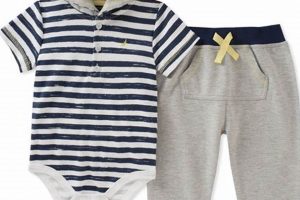
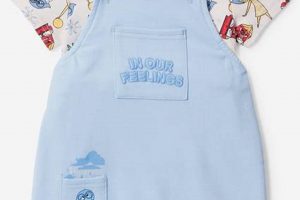
Infant apparel designed for the earliest stages of life focuses on comfort, safety, and practicality. Garments for newborns and young babies often prioritize soft, natural materials to minimize skin irritation and promote ease of movement. Common examples include bodysuits, sleepwear, and outerwear specifically tailored for the needs of developing infants.
The selection of appropriate garments plays a significant role in an infant’s well-being. Comfortable clothing contributes to better sleep and reduced fussiness. Moreover, thoughtfully designed items with secure closures and minimal embellishments contribute to safety by reducing the risk of choking or entanglement. Historically, infant clothing has evolved from restrictive swaddling to more liberating and functional designs, reflecting advancements in textile technology and a greater understanding of infant development.
The subsequent sections will delve into the specific considerations for choosing appropriate garments for babies, focusing on material selection, design features, and safety standards to ensure optimal comfort and well-being for infants.
Essential Considerations for Infant Apparel Selection
Choosing appropriate garments for infants requires careful consideration of several factors to ensure comfort, safety, and practicality. The following guidelines provide insights into the selection process.
Tip 1: Prioritize Natural Fibers. Opt for clothing made from 100% cotton, bamboo, or merino wool. These materials are breathable, absorbent, and less likely to irritate delicate skin compared to synthetic fabrics.
Tip 2: Assess Seam Placement. Examine garments for flat or concealed seams, particularly in areas that come into direct contact with the baby’s skin. This minimizes friction and reduces the potential for chafing.
Tip 3: Evaluate Closure Mechanisms. Select items with secure and easily manageable closures such as snaps or zippers with protective coverings. Avoid garments with buttons or ties that could pose a choking hazard.
Tip 4: Ensure Appropriate Sizing. Choose clothing that allows for unrestricted movement and growth. Avoid garments that are too tight or constricting, as these can impede circulation and hinder development.
Tip 5: Consider Seasonal Appropriateness. Select lightweight, breathable fabrics for warmer months and heavier, insulating materials for cooler temperatures. Layering clothing is an effective strategy for maintaining a comfortable body temperature.
Tip 6: Minimize Embellishments. Avoid garments with excessive decorations, such as ribbons, bows, or beads, which could detach and present a choking hazard.
Tip 7: Check for Chemical Residues. Opt for clothing that is certified free from harmful chemicals, dyes, and finishes. Look for certifications like OEKO-TEX Standard 100.
Adhering to these guidelines promotes the well-being and comfort of infants. Careful attention to material, design, and safety features contributes to a healthy and secure environment for development.
The following sections will explore further the various types of infant apparel available and provide detailed recommendations for their appropriate use.
1. Softness

Softness in infant apparel is paramount, directly influencing a newborn’s comfort and well-being. The tactile experience of clothing against delicate skin can significantly impact mood, sleep patterns, and overall physiological comfort. Therefore, material selection and garment construction must prioritize a gentle touch.
- Material Composition and Tactile Properties
The choice of fabric dictates the garment’s tactile properties. Natural fibers, such as cotton and merino wool, inherently possess a softer texture compared to synthetic alternatives. The weave and knit of the fabric further influence softness; for example, a tightly woven material may feel less pliable than a looser knit. The inherent softness of the material needs to be considered to make sure the babies clothing is soft
- Minimizing Abrasive Elements
Garment construction plays a critical role in minimizing potential sources of abrasion. Seams, labels, and embellishments can irritate sensitive skin if not carefully addressed. Flatlock seams, which lie flush against the fabric, reduce friction. Tagless designs eliminate the irritation caused by traditional labels. Minimal embellishments and secure attachment methods prevent potential scratching or rubbing.
- Chemical Treatments and Skin Sensitivity
Chemical treatments applied during fabric processing can impact softness and skin sensitivity. Harsh dyes and finishes can leave residues that irritate delicate skin. Opting for clothing certified free from harmful chemicals, such as those meeting OEKO-TEX Standard 100, minimizes the risk of adverse reactions. Pre-washing garments before use further reduces potential irritants.
- Impact on Sleep Quality and Comfort
The softness of infant apparel directly correlates with sleep quality and overall comfort. Soft, non-irritating garments promote restful sleep by minimizing distractions and discomfort. Comfortable clothing allows for free movement, preventing overheating and promoting a sense of security. A peaceful sleep environment is important for a baby.
The multifaceted nature of softness in infant apparel underscores its importance. Choosing garments that prioritize gentle materials, minimize abrasive elements, avoid harsh chemicals, and promote comfortable sleep contributes significantly to a baby’s well-being during their earliest stages. It supports comfort and health as an infant.
2. Safety

Safety is a paramount consideration in the design and selection of apparel intended for infants. Given their vulnerability and dependence, ensuring the safety of garments is critical for preventing potential harm and promoting well-being. Garments must be selected to ensure the protection and safe operation as intended.
- Material Selection and Chemical Exposure
The composition of fabrics utilized in infant apparel directly impacts safety. Materials should be non-toxic and free from harmful chemicals, dyes, and finishes that could be absorbed through the skin or ingested. Examples of safe materials include organic cotton and bamboo, while materials treated with formaldehyde or flame retardants should be avoided. The implications of chemical exposure include skin irritation, allergic reactions, and potential long-term health effects.
- Design Features and Choking Hazards
Garment design must minimize potential choking hazards. Features such as buttons, ribbons, and small embellishments should be securely attached or avoided altogether. Snaps and zippers should be made of durable materials and positioned to prevent accidental detachment or injury. Drawstrings around the neck area pose a significant strangulation risk and should be eliminated from infant clothing designs.
- Flammability Standards and Protective Measures
Infant apparel must adhere to established flammability standards to reduce the risk of fire-related injuries. Garments should be designed to be either inherently flame-resistant or treated with flame-retardant chemicals that meet safety regulations. Loose-fitting clothing made from highly flammable materials should be avoided. Compliance with relevant safety standards provides a measure of protection against fire hazards.
- Proper Fit and Restriction of Movement
Appropriate garment sizing is essential for ensuring safety and promoting healthy development. Clothing that is too tight can restrict movement, impede circulation, and interfere with normal physiological functions. Oversized clothing can pose a tripping hazard or become entangled in cribs or other equipment. A proper fit allows for unrestricted movement while minimizing potential risks.
Collectively, these facets of safety highlight the critical role of responsible manufacturing and informed consumer choices in ensuring the well-being of infants. By prioritizing non-toxic materials, hazard-free designs, adherence to flammability standards, and appropriate sizing, it is possible to minimize potential risks and create a safer environment for infants to grow and develop. These facets are critical to protecting a baby from harm.
3. Comfort

Comfort, as it pertains to infant apparel, directly influences a newborn’s physiological and psychological well-being. Garments that prioritize comfort minimize skin irritation, regulate body temperature, and allow for unrestricted movementfactors crucial for healthy development. The selection of soft, breathable fabrics, such as organic cotton, exemplifies this principle. For instance, a bodysuit made from rough, synthetic material can lead to skin rashes and discomfort, disrupting sleep and potentially increasing fussiness. Conversely, a soft, well-fitting garment can promote restful sleep and a sense of security.
The design of infant apparel also plays a significant role in comfort. Seams placed in areas that rub against the skin can cause irritation, highlighting the importance of flatlock seams or tagless designs. Elastic waistbands that are too tight can restrict movement and cause discomfort, necessitating designs that prioritize gentle elasticity. Furthermore, the ability to easily dress and undress a baby without causing distress is a key aspect of comfort. Garments with wide necklines, snap closures, or zippered fronts facilitate diaper changes and outfit adjustments, minimizing disruption and discomfort for the infant.
In summary, comfort is not merely a desirable attribute of infant apparel but an essential component that directly impacts a baby’s well-being. Selecting garments that prioritize soft materials, thoughtful design, and ease of use can contribute significantly to a comfortable and secure environment for infants. Conversely, neglecting comfort considerations can lead to skin irritation, restricted movement, and disrupted sleep. Prioritizing infant comfort during apparel selection is a tangible investment in a baby’s health and happiness.
4. Durability

Durability in infant apparel signifies the capacity to withstand repeated washing, wear, and general use without significant degradation. This attribute is particularly relevant for garments intended for infants, given the frequency of laundering and the demands placed on clothing during periods of rapid growth and development.
- Material Strength and Fiber Composition
The inherent strength of the fabric directly influences the durability of infant apparel. Natural fibers, such as cotton and linen, offer varying degrees of resistance to wear and tear. Synthetic fibers, such as polyester, often exhibit enhanced durability compared to natural alternatives. The selection of appropriate fiber blends can optimize both comfort and longevity. For instance, a cotton-polyester blend in a bodysuit may provide a balance of softness and resistance to shrinkage and fading after repeated washing.
- Seam Construction and Reinforcement
Seam construction significantly impacts the overall durability of garments. Reinforced seams, such as double stitching or overlocking, enhance resistance to stress and prevent unraveling. Seams located in high-stress areas, such as the crotch or armpits of a bodysuit, require particularly robust construction. The selection of high-quality thread and appropriate stitching techniques contributes to long-lasting seams.
- Colorfastness and Resistance to Fading
The ability of fabrics to retain their original color after repeated washing and exposure to sunlight is a critical aspect of durability. Colorfastness is influenced by the quality of dyes and the dyeing process. Garments that exhibit poor colorfastness may fade or bleed, resulting in a diminished appearance and potentially transferring dye to other items during laundering. The use of colorfast dyes and appropriate washing instructions are essential for maintaining the aesthetic appeal of infant apparel over time.
- Resistance to Shrinkage and Stretching
Fabrics are prone to shrinkage or stretching, particularly after laundering. Excessive shrinkage can alter the fit of garments, rendering them unusable. Stretching can cause garments to lose their shape and become ill-fitting. Pre-shrinking fabrics during manufacturing can minimize shrinkage, while appropriate laundering practices, such as avoiding high heat, can prevent excessive stretching.
The durability of infant apparel is not merely a matter of economic value but also a reflection of responsible consumption and environmental stewardship. Garments that withstand the demands of frequent use and laundering contribute to a reduction in textile waste. Choosing durable infant clothing aligns with a commitment to sustainability and the responsible management of resources. In summary, prioritizing the selection of durable clothing helps in saving money and helps the environment
5. Practicality

Practicality constitutes a core element in the design and selection of infant apparel. Garments worn by infants must facilitate ease of dressing, diaper changes, and cleaning, as these tasks are performed multiple times daily. Clothing that is difficult to put on or take off, or that requires specialized cleaning procedures, presents a significant inconvenience for caregivers. A practical garment prioritizes features that streamline these essential tasks without compromising comfort or safety.
The design of closures exemplifies the intersection of practicality and infant apparel. Snaps, zippers, and hook-and-loop fasteners offer varying degrees of ease of use. Snaps, when well-constructed, provide a secure closure that can be easily opened and closed with one hand. Zippers offer quick and efficient closure, particularly for outerwear. Hook-and-loop fasteners provide adjustability but may degrade with repeated use. The selection of an appropriate closure mechanism depends on the specific garment and the caregiver’s preferences. Furthermore, the placement of closures is critical for facilitating diaper changes. Bodysuits with snaps along the inseam allow for quick access without requiring complete removal of the garment. Outfits with wide necklines or envelope shoulders ease dressing and undressing without causing discomfort or distress to the infant. Real-life examples illustrate the significance of such design considerations. A caregiver struggling to fasten numerous small buttons on a squirming infant highlights the challenges posed by impractical clothing. Conversely, a bodysuit with a conveniently placed zipper streamlines diaper changes, reducing both time and stress for the caregiver and the infant.
In summary, practicality is not merely a convenience but a necessity in infant apparel. Garments designed with ease of use in mind contribute to a more efficient and less stressful caregiving experience. Features such as well-designed closures, accessible openings, and easy-care fabrics enhance practicality, facilitating essential tasks and promoting the well-being of both infants and their caregivers. Challenges persist in balancing practicality with other essential attributes, such as safety and aesthetic appeal, but prioritizing ease of use remains a fundamental consideration in the design and selection of infant clothing.
6. Growth

Infant growth, characterized by rapid increases in size and weight, necessitates careful consideration in the selection and design of apparel. Garments intended for newborns and young babies must accommodate these developmental changes to ensure comfort, freedom of movement, and overall well-being. Restrictive clothing can impede physical development, while improperly sized garments can pose safety hazards. As such, a direct correlation exists between the rate of infant growth and the suitability of their clothing.
Several design features address the challenge of rapid growth. Adjustable closures, such as snaps or hook-and-loop fasteners, allow for modifications in fit as the infant grows. Expandable waistbands and cuffs provide additional room for movement and accommodate increases in size. The use of stretchable fabrics, such as those incorporating elastane, allows garments to conform to the infant’s changing body shape. “Grow-with-me” designs, featuring extended length in the torso and sleeves, offer an extended period of use before the garment is outgrown. A real-world example of a parent needing to replace multiple sizes of clothing within a few months demonstrates the importance of these features. The economic and practical benefits of clothing designed to accommodate growth are readily apparent.
Understanding the connection between infant growth and apparel selection is crucial for caregivers. Selecting clothing that allows for unrestricted movement, provides room for growth, and adapts to the infant’s changing body shape promotes comfort and supports healthy development. Failure to account for growth can result in discomfort, restricted movement, and the need for frequent and costly replacements. Designs which factor in infant growth facilitate infant care and also reduce overall household expenses.
Frequently Asked Questions Regarding Infant Apparel
The following section addresses common inquiries pertaining to garments designed for newborns and young infants. These responses aim to provide clarity and guidance for caregivers in selecting appropriate apparel.
Question 1: What materials are most suitable for infant garments?
Natural fibers, such as organic cotton, merino wool, and bamboo, are generally recommended due to their breathability and reduced potential for skin irritation. Synthetics should be avoided.
Question 2: How should infant clothing be laundered?
Infant apparel should be washed separately from other clothing using a mild, fragrance-free detergent. High heat settings should be avoided during both washing and drying.
Question 3: What safety considerations are paramount when selecting infant clothing?
Garments should be free from small parts that could pose a choking hazard. Drawstrings around the neck should be avoided. Flame-retardant finishes should be compliant with established safety standards.
Question 4: How can caregivers ensure proper sizing of infant garments?
Garments should allow for unrestricted movement and growth. Sizing charts provided by manufacturers should be consulted. Avoid clothing that is too tight or constricting.
Question 5: What types of closures are most practical for infant apparel?
Snaps, zippers, and hook-and-loop fasteners offer varying degrees of ease of use. The selection of an appropriate closure mechanism depends on the specific garment and caregiver preferences.
Question 6: Are there certifications to look for when purchasing infant clothing?
Certifications such as OEKO-TEX Standard 100 indicate that the garment has been tested for harmful substances. These certifications provide a measure of assurance regarding product safety.
Appropriate consideration of these queries contributes to the selection of safe, comfortable, and practical garments for infants.
The subsequent section will explore the future trends in infant apparel design and manufacturing, focusing on sustainability and technological innovation.
“Little Beginnings Baby Clothes”
This exploration of “little beginnings baby clothes” has underscored the critical interplay between material selection, design features, safety considerations, and practical functionality. The suitability of infant apparel hinges on a holistic approach, one that prioritizes comfort, safety, durability, and ease of use. Natural fibers, secure closures, and thoughtful construction are paramount for promoting infant well-being and facilitating efficient caregiving.
The selection of appropriate garments represents a tangible investment in an infant’s health and development. As manufacturing practices evolve and technological innovations emerge, continued vigilance regarding safety standards and material integrity remains essential. Prioritizing informed decision-making, based on the principles outlined herein, contributes to a nurturing environment for infants during their formative stages.