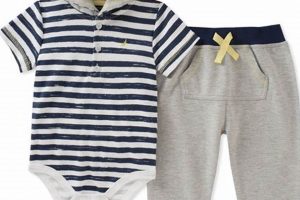
The inquiry regarding the safety of infant apparel sourced from the online retailer Shein is a multifaceted concern. It stems from broader anxieties about product safety, particularly where vulnerable populations like babies are concerned. This issue encompasses potential exposure to harmful chemicals and the overall manufacturing standards employed in the production of these garments.
Ensuring the safety of items intended for babies is paramount for multiple reasons. Infants’ skin is more permeable and sensitive, rendering them more susceptible to absorbing potentially hazardous substances. Furthermore, the lower body mass of babies means that even small amounts of harmful chemicals can have a disproportionately large impact. Historically, there have been instances of clothing and toys containing unsafe levels of lead, phthalates, and other toxic materials, which underscores the importance of rigorous safety testing and regulatory oversight.
This analysis will delve into the potential risks associated with infant clothing from Shein, exploring relevant testing standards, consumer protection laws, and providing resources for parents and caregivers seeking to make informed purchasing decisions. The analysis will also consider information available from product testing reports, consumer reviews, and relevant regulatory agency findings.
Safety Considerations for Shein Baby Apparel
Given concerns regarding the safety of infant clothing from various manufacturers, including Shein, the following recommendations provide guidelines for responsible purchasing and usage.
Tip 1: Exercise Caution with Unverified Brands: When procuring infant garments, particularly from online marketplaces, preference should be given to established brands with a proven record of safety compliance.
Tip 2: Scrutinize Product Information: Thoroughly review all available product details, including materials used, country of origin, and any certifications or safety standards claimed by the manufacturer. Absence of such information should raise concerns.
Tip 3: Prioritize Natural Fibers: Opt for clothing made from natural, breathable fibers like cotton, linen, or bamboo. These materials are generally less likely to contain harmful chemicals and are gentler on a baby’s sensitive skin.
Tip 4: Conduct a Pre-Wear Wash: Regardless of the source, all new clothing should be washed before initial use. This practice can help remove residual chemicals and dyes that may irritate the skin.
Tip 5: Inspect for Potential Hazards: Before dressing an infant, meticulously inspect the garment for loose buttons, ribbons, or other embellishments that could pose a choking hazard. Remove any such hazards immediately.
Tip 6: Monitor for Allergic Reactions: Closely observe the infant for any signs of skin irritation, rash, or other allergic reactions after wearing the clothing. Discontinue use immediately if any adverse reactions occur.
Tip 7: Adhere to Care Instructions: Follow the manufacturer’s washing and care instructions to maintain the integrity of the garment and minimize potential chemical leaching.
Tip 8: Stay Informed on Recalls: Regularly check for product recalls issued by regulatory agencies. Subscribe to relevant email alerts or monitor agency websites for updates regarding potentially hazardous products.
By implementing these precautionary measures, caregivers can mitigate potential risks and make informed decisions regarding the selection and use of baby clothing.
The application of these guidelines contributes to the overall safety and well-being of infants, and supports a more responsible approach to consumerism within the global garment industry.
1. Chemical Residue

The presence of chemical residue in textiles, particularly in infant apparel, represents a significant consideration in evaluating the safety of clothing sourced from Shein. These residues originate from various stages of the manufacturing process and raise concerns regarding potential adverse health effects.
- Dyes and Colorants
Textile dyes often contain heavy metals and aromatic amines, some of which are known carcinogens. Infants are particularly vulnerable due to their developing systems and tendency to mouth objects. Exposure can occur through skin contact or ingestion, potentially leading to allergic reactions, skin irritation, or, in extreme cases, more serious health consequences. Azo dyes, for example, can break down into carcinogenic aromatic amines under certain conditions.
- Formaldehyde
Formaldehyde resins are frequently used in textile finishing to impart wrinkle resistance and dimensional stability. However, formaldehyde is a known irritant and sensitizer, capable of causing contact dermatitis and respiratory problems. Infants, with their more permeable skin, are more susceptible to absorbing formaldehyde, increasing the risk of adverse reactions. Formaldehyde exposure is regulated in some countries, but compliance can be inconsistent.
- Phthalates
Phthalates are plasticizers used in printing inks and some synthetic fabrics. They are endocrine disruptors, meaning they can interfere with hormonal systems. Infants are exposed through skin contact and mouthing. Exposure during critical developmental stages can have long-term health consequences, including reproductive and developmental effects. The use of phthalates is restricted in children’s products in many jurisdictions, but enforcement challenges remain.
- Flame Retardants
Some textiles are treated with flame retardants to meet flammability standards. While intended to enhance safety, some flame retardants, such as organophosphates, have been linked to neurodevelopmental problems and endocrine disruption. Infants are exposed through inhalation, ingestion, and skin contact. Alternative, less toxic flame retardants are available, but their adoption is not universal.
The potential presence of these chemical residues in Shein baby clothes underscores the importance of rigorous testing and transparency in the manufacturing process. While Shein states that it adheres to certain safety standards, the lack of independent verification and consistent enforcement mechanisms raises concerns about the actual levels of these substances in their products. Consumers are advised to exercise caution, prioritize natural fibers, and thoroughly wash all new clothing before use to mitigate potential risks.
2. Manufacturing Standards

The integrity of manufacturing standards directly correlates with the safety of infant garments sourced from entities like Shein. Lax or inconsistent manufacturing processes serve as a primary cause for concern when evaluating whether the apparel is safe for babies. These standards encompass a range of factors, including the selection of raw materials, the implementation of quality control measures, and adherence to ethical labor practices. Deficiencies in any of these areas can introduce risks related to chemical contamination, physical hazards, and overall product durability, all contributing to potential harm for the infant wearer. For instance, inadequate quality control might allow garments with loose buttons or poorly attached embellishments to reach consumers, posing a choking hazard.
The importance of stringent manufacturing standards is amplified by the vulnerabilities of infants, whose skin is more sensitive and whose immune systems are still developing. These factors render them more susceptible to the adverse effects of chemical exposure and physical injury. Furthermore, the globalized nature of the garment industry means that companies like Shein often rely on complex supply chains involving numerous manufacturers and subcontractors, making it difficult to ensure consistent adherence to safety protocols throughout the entire production process. The Rana Plaza factory collapse in Bangladesh serves as a stark reminder of the potential consequences of neglecting manufacturing standards, highlighting the need for greater transparency and accountability within the fashion industry.
In conclusion, maintaining rigorous manufacturing standards is a prerequisite for ensuring the safety of baby clothes, particularly those sourced from online retailers with complex supply chains. The challenge lies in establishing effective mechanisms for monitoring and enforcing these standards across global production networks. Promoting greater transparency, conducting independent audits, and advocating for stricter regulatory oversight are crucial steps in safeguarding the health and well-being of infants who wear these garments.
3. Material Composition

The fabric content of infant clothing bears a direct correlation to its overall safety. Material composition dictates factors such as breathability, absorbency, and the potential for chemical leaching, all of which influence the wearer’s well-being. For example, synthetic fabrics, such as polyester, may contain chemical residues from the manufacturing process. These chemicals, including formaldehyde, can trigger allergic reactions or skin irritation in sensitive infants. Furthermore, the reduced breathability of synthetic materials may contribute to overheating and discomfort, potentially increasing the risk of skin conditions.
Conversely, natural fibers like organic cotton are generally considered safer choices for infant garments. Organic cotton is grown without the use of synthetic pesticides or fertilizers, minimizing the risk of chemical exposure. Its inherent breathability and absorbency promote air circulation and moisture wicking, helping to regulate body temperature and reduce the likelihood of skin irritation. However, even natural fibers can pose risks if processed with harsh dyes or finishes. The prevalence of synthetic blends in fast-fashion offerings, including those from Shein, necessitates a critical evaluation of the potential trade-offs between cost and safety.
Therefore, a discerning approach to material selection is paramount when considering infant apparel. Caregivers should prioritize garments made from natural, untreated fibers whenever feasible, scrutinizing labels for certification standards such as GOTS (Global Organic Textile Standard). While material composition alone does not guarantee complete safety, it represents a significant factor in minimizing potential risks associated with chemical exposure and skin irritation. A greater understanding of fabric properties and manufacturing processes empowers consumers to make more informed choices, promoting the health and well-being of infants.
4. Flammability Regulations
Flammability regulations constitute a crucial dimension of safety standards for infant garments, directly impacting the assessment of whether apparel from retailers like Shein meets acceptable benchmarks. These regulations are designed to mitigate the risk of fire-related injuries, particularly for vulnerable populations such as infants. The application of these standards varies across jurisdictions, creating a complex landscape for manufacturers and consumers alike. Rigorous adherence to these regulations is essential in minimizing the potential for catastrophic harm.
- Legal Requirements
In many countries, including the United States, specific laws mandate that children’s clothing meet certain flammability standards. The Consumer Product Safety Commission (CPSC) enforces these standards, which dictate how quickly a fabric can ignite and how readily it will continue to burn. Non-compliance can result in product recalls, financial penalties, and legal action. Shein, as a global retailer, is expected to comply with the flammability regulations of each market in which it operates. However, verifying adherence to these regulations across their extensive supply chain presents a significant challenge.
- Fabric Testing
To ensure compliance, manufacturers must conduct rigorous fabric testing to determine flammability characteristics. These tests involve exposing fabric samples to controlled ignition sources and measuring the rate of flame spread. Different fabric types exhibit varying degrees of flammability. For example, loose-fitting garments made from lightweight, highly flammable fabrics pose a greater risk than tightly woven garments made from inherently flame-resistant materials. Accurate and reliable testing is paramount, but questions arise regarding the transparency and oversight of testing procedures employed by Shein’s suppliers.
- Treatment Methods
To meet flammability standards, some garments are treated with flame-retardant chemicals. While effective in reducing fire risk, certain flame retardants have been linked to potential health concerns, including endocrine disruption and developmental problems. The use of these chemicals is subject to increasing scrutiny, and some jurisdictions have imposed restrictions or bans. Retailers must carefully consider the trade-offs between flammability protection and potential health risks when selecting fabrics and treatment methods. Consumers should be aware of the potential presence of flame retardants and exercise caution when purchasing treated garments.
- Garment Design
Garment design also plays a critical role in flammability safety. Loose-fitting garments and those with flowing elements (e.g., ruffles, ribbons) tend to ignite more readily and burn more intensely than close-fitting garments with simple designs. Design considerations should prioritize minimizing the surface area exposed to potential ignition sources and reducing the likelihood of the garment becoming entangled in flames. Prudent design choices can significantly enhance the safety of infant clothing, regardless of the fabric’s inherent flammability.
The intersection of flammability regulations, fabric testing, treatment methods, and garment design forms a multifaceted approach to ensuring the safety of infant clothing. Given the complexities of global supply chains and varying regulatory standards, consumers should exercise due diligence when evaluating the flammability risk associated with apparel from Shein and other retailers. Seeking garments made from inherently flame-resistant materials, scrutinizing product labels for compliance certifications, and avoiding loose-fitting designs can help mitigate potential fire hazards.
5. Consumer Protection

Consumer protection mechanisms are vital when evaluating the safety of infant apparel, particularly concerning products from online retailers such as Shein. These protections aim to ensure products meet specific safety standards and provide recourse for consumers harmed by unsafe goods. In the context of “are shein baby clothes safe”, these measures are crucial for safeguarding vulnerable infants from potentially hazardous materials and poorly manufactured items.
- Product Safety Standards and Regulations
Consumer protection laws often mandate adherence to specific product safety standards. These standards, established by regulatory agencies, outline requirements for materials used, manufacturing processes, and permissible levels of hazardous substances. Regarding infant clothing, these regulations may dictate limits on lead, phthalates, and flame retardants. For example, the Consumer Product Safety Improvement Act (CPSIA) in the United States sets stringent standards for children’s products, including apparel. Failure to comply with these standards can result in recalls, fines, and legal action. When assessing whether garments from Shein are safe, compliance with such regulations becomes a key consideration.
- Information Disclosure and Labeling Requirements
Consumer protection often requires clear and accurate information disclosure. This encompasses labeling requirements that inform consumers about product materials, care instructions, and potential hazards. Transparent labeling enables informed purchasing decisions. For instance, a label should accurately state the fabric composition of a garment and warn of potential flammability risks. Omission of critical information or misleading labeling practices can expose consumers to avoidable risks. Accurate labeling practices by Shein enhance the consumer’s ability to assess the suitability of garments for infants.
- Liability and Redress Mechanisms
Consumer protection frameworks establish liability for manufacturers and retailers who sell unsafe products. These mechanisms provide avenues for consumers to seek redress for damages caused by defective or hazardous goods. If an infant is harmed due to a toxic substance in clothing purchased from Shein, legal avenues may exist to recover medical expenses and other damages. The potential for liability incentivizes manufacturers to prioritize safety and implement rigorous quality control measures. Effective redress mechanisms are essential for holding companies accountable and deterring the sale of unsafe products.
- Enforcement and Monitoring
Effective consumer protection hinges on robust enforcement and monitoring mechanisms. Regulatory agencies must have the authority and resources to inspect manufacturing facilities, conduct product testing, and pursue legal action against non-compliant companies. Regular monitoring helps ensure that safety standards are consistently upheld. Without adequate enforcement, even well-intentioned regulations can be ineffective. Scrutiny of Shein’s manufacturing processes and supply chain, combined with responsive enforcement actions by regulatory bodies, plays a critical role in protecting consumers from unsafe infant clothing.
These facets of consumer protection collectively contribute to ensuring the safety and well-being of infants. By demanding compliance with safety standards, promoting transparent information disclosure, establishing liability for unsafe products, and enforcing regulations effectively, consumer protection mechanisms serve as a vital safeguard against potentially harmful infant apparel, including items sourced from retailers such as Shein. The effectiveness of these protections ultimately depends on ongoing vigilance and proactive enforcement by both regulatory bodies and consumers themselves.
Frequently Asked Questions
The following frequently asked questions address common concerns regarding the safety of infant apparel sourced from Shein, providing information based on current understanding and available data. These answers are intended to offer guidance and promote informed decision-making.
Question 1: What potential hazards exist in baby clothes manufactured by Shein?
Potential hazards encompass the presence of harmful chemicals (e.g., lead, phthalates, formaldehyde), non-compliance with flammability standards, and the risk of small parts detaching, posing a choking hazard.
Question 2: Does Shein conduct safety testing on its baby clothes?
Shein asserts compliance with safety standards, however, independent verification of these claims and consistent, transparent testing data is often lacking, raising concerns regarding reliability.
Question 3: How can caregivers minimize risks associated with Shein baby clothes?
Recommended practices include washing all new clothing before use, opting for natural fibers, scrutinizing labels for certifications, and regularly inspecting garments for potential hazards such as loose buttons.
Question 4: What regulations govern the safety of baby clothes?
Regulations vary by country, including standards set by the Consumer Product Safety Commission (CPSC) in the United States, governing flammability, lead content, and other safety parameters.
Question 5: What are the implications of fast fashion manufacturing on baby clothes safety?
The fast-fashion model often prioritizes low costs and rapid production, potentially compromising safety standards and oversight, thereby increasing the risk of hazardous materials or poor construction.
Question 6: Where can consumers report unsafe baby clothes purchased from Shein?
Reports can be filed with consumer protection agencies, such as the CPSC in the United States, and by contacting Shein directly to report the specific product and concerns.
In summary, while Shein offers a wide range of infant apparel at competitive prices, due diligence is paramount. Caregivers should prioritize safety by taking precautionary measures and staying informed about potential hazards. Ongoing vigilance and proactive consumer engagement are vital in ensuring the well-being of infants.
The subsequent sections will explore alternatives to fast-fashion baby clothes and discuss broader trends in sustainable and ethical manufacturing.
Concluding Remarks
The preceding analysis has explored the complexities inherent in the question: are Shein baby clothes safe? Examination reveals a landscape marked by potential hazards, varying levels of regulatory compliance, and the need for heightened consumer awareness. The presence of chemical residues, the challenges of ensuring consistent manufacturing standards, and the imperative of adherence to flammability regulations all underscore the importance of cautious decision-making. Consumer protection mechanisms, while offering recourse, are only effective when actively engaged.
Ultimately, the responsibility for safeguarding infant health rests with caregivers. A proactive approach, encompassing careful product selection, thorough inspection, and ongoing vigilance, is essential. The future demands greater transparency from manufacturers, enhanced regulatory oversight, and a collective commitment to prioritizing safety over cost considerations. The well-being of infants necessitates a continued and rigorous examination of the products they encounter.