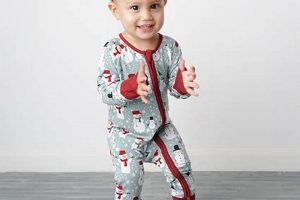
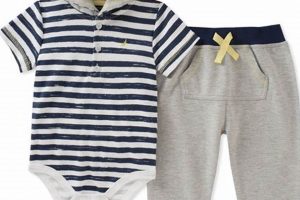
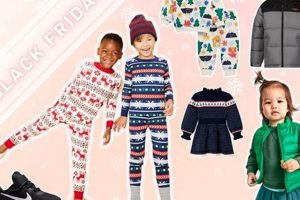
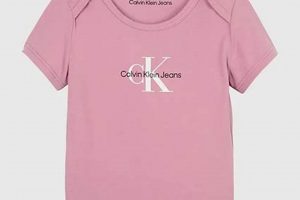
Garments designed for infants and toddlers that are not specifically tailored for either males or females constitute a distinct category in the apparel market. These items often feature neutral colors, simple patterns, and practical designs suitable for any child. A common example is a plain white onesie or a striped cotton romper.
The prevalence of gender-neutral infant apparel offers several advantages. It simplifies purchasing decisions for parents, particularly those who prefer to keep the child’s sex a surprise or who desire to avoid gender stereotypes. Furthermore, these articles of clothing can be readily passed down between siblings of different sexes, representing a cost-effective and sustainable approach to outfitting young children. Historically, societal norms dictated gender-specific colors and styles, but a shift towards inclusivity and practicality has fueled the increasing demand for adaptable infant wear.
The subsequent sections will explore the materials typically used in constructing such garments, prevalent designs, factors to consider when selecting suitable items, and the evolving trends within this segment of the childrenswear industry.
Guidance on Selecting Infant Apparel Without Gender Connotations
This section provides practical advice for choosing garments suitable for infants, focusing on versatility and avoiding gendered stereotypes.
Tip 1: Opt for Neutral Color Palettes: Predominantly select items in hues such as gray, beige, white, green, or yellow. These colors offer greater flexibility and are less likely to be associated with specific genders.
Tip 2: Prioritize Fabric Composition: Choose natural, breathable fabrics such as cotton, bamboo, or linen. These materials are gentle on delicate skin and minimize the risk of irritation.
Tip 3: Consider Functional Design Elements: Prioritize garments with easy-access closures, such as snaps or zippers, to facilitate diaper changes and dressing.
Tip 4: Select Simple, Versatile Patterns: Opt for classic patterns like stripes, polka dots, or geometric shapes. Avoid overtly themed designs that might limit the garment’s applicability.
Tip 5: Evaluate Size and Fit: Ensure the garment allows for comfortable movement and growth. Avoid overly tight or restrictive clothing that could impede development.
Tip 6: Prioritize Durability and Washability: Given the frequency with which infant garments require laundering, choose items constructed from robust materials that can withstand repeated washing.
Tip 7: Avoid Excessive Embellishments: While embellishments can add visual appeal, they can also pose a safety hazard. Limit the use of items with small, detachable parts.
By implementing these guidelines, one can curate a functional and adaptable wardrobe for infants, irrespective of their sex, while promoting practicality and minimizing reliance on gendered fashion norms.
The following section will delve into the evolving trends within the manufacturing and marketing of adaptable infant wear.
1. Adaptability

Adaptability, as it relates to infant apparel, is a critical design attribute directly influencing the longevity and usability of garments. It reflects the capacity of an item to accommodate various stages of infant development and to transcend gender-specific styling, aligning directly with the principles of gender-neutral design.
- Size Adjustability
Adaptable sizing features, such as adjustable straps, expandable waistbands, or roll-up cuffs, enable a garment to accommodate a child’s growth over a longer period. This reduces the frequency with which new clothing must be purchased, contributing to cost savings and decreased textile waste. An example includes rompers with adjustable shoulder straps or pants with elastic waistbands that can be tightened or loosened.
- Functional Versatility
Garments with multiple functionalities enhance their overall adaptability. For example, a blanket that can also be used as a stroller cover or a swaddle that can be converted into a wearable blanket provides diverse applications. This reduces the need for multiple specialized items and maximizes the utility of a single piece of clothing.
- Seasonality Considerations
Adaptable infant apparel often incorporates design elements that allow for use in varying climatic conditions. Layered clothing systems, detachable hoods, or convertible sleeves enable a single garment to be suitable for both warmer and cooler temperatures. This reduces the need for separate wardrobes for each season.
- Design Neutrality
Adaptability in design refers to features that are not inherently associated with a specific gender. This includes avoiding overtly feminine or masculine embellishments, opting for neutral color palettes, and selecting classic patterns that are suitable for all infants. This ensures that the garment can be worn by any child, regardless of gender identity or expression.
The interplay of size adjustability, functional versatility, seasonality considerations, and design neutrality collectively defines the adaptability of infant apparel. By prioritizing these factors, manufacturers and consumers can contribute to a more sustainable and inclusive approach to dressing infants, while maximizing the value and utility of each garment.
2. Practicality

Practicality constitutes a core tenet of gender-neutral infant apparel. The demand for adaptable, easily maintained garments directly stems from the realities of infant care. Frequent diaper changes, spills, and rapid growth necessitate clothing that simplifies these tasks. This drives the design and selection of items, emphasizing features like snap closures, machine-washable fabrics, and relaxed fits that accommodate movement. Therefore, practicality is not merely a desirable feature but a fundamental requirement influencing the design and consumer choice within the infant clothing market. The absence of gendered stylistic constraints further enhances practicality by allowing for interchangeability and easier hand-me-down potential, leading to resource conservation.
Examples of practicality-driven design include simple onesies with envelope necklines for easy removal, rompers with crotch snaps facilitating quick diaper changes, and fabric choices prioritizing durability and stain resistance. These design choices reflect the need for garments that withstand the rigors of daily use and frequent laundering. Furthermore, a practical approach extends to minimizing embellishments or complex constructions that might pose safety hazards or complicate cleaning. Parents and caregivers, faced with the demands of infant care, often prioritize these practical attributes over purely aesthetic considerations. In fact, they opt for apparel that eases the daily routine and contributes to the infant’s comfort and well-being.
In summary, practicality deeply intertwines with the concept of gender-neutral infant apparel. It drives design innovation, influences consumer behavior, and fosters sustainable practices. While aesthetics play a role, the need for functional, durable, and easy-to-maintain clothing remains paramount. This emphasis on practicality addresses the real-world challenges of infant care and ultimately contributes to the creation of apparel that serves both the needs of the child and the convenience of the caregiver.
3. Neutral Colors

The selection of neutral colors is a cornerstone of designs suited for any infant, offering a deliberate departure from traditional gender-specific hues and significantly contributing to the market. Their adoption reflects a movement towards inclusivity and practicality within the domain of infant apparel.
- Minimizing Gender Stereotypes
Neutral color palettes, such as gray, beige, white, or muted greens and yellows, actively diminish the association of clothing with conventional gender norms. This approach allows caregivers to avoid reinforcing stereotypes, presenting a more equitable and less prescriptive environment for infants. A beige onesie or a gray patterned sweater, for instance, lacks inherent gender connotations.
- Enhancing Versatility and Reusability
Garments in these shades are inherently more versatile, easily paired with items of varying styles and colors. This attribute increases the likelihood of reuse and hand-me-down potential across multiple children, irrespective of sex. A white knit hat, being devoid of gendered cues, can be worn by any infant.
- Facilitating Simplicity in Wardrobe Planning
A wardrobe composed of clothing primarily in neutral colors simplifies the task of coordinating outfits. This allows caregivers to create ensembles that are both aesthetically pleasing and functional, without the constraints of gendered color matching. The base layer can easily integrate with outerwear, creating a cohesive look.
- Promoting Aesthetic Harmony
The use of muted tones often results in a more visually harmonious and aesthetically calming effect. This can be particularly appealing to caregivers who prioritize a minimalist or sophisticated aesthetic. A soft palette creates a calming, serene environment that is visually appealing.
The implementation of color palettes demonstrates their broader impact on design and consumer choice. This promotes a more inclusive and practical approach to infant apparel. They are a testament to the evolving landscape of infant fashion.
4. Comfort

The paramount importance of infant comfort dictates a significant portion of design and material choices in garments suitable for either sex. The physiological sensitivities of newborns and young children render comfort a non-negotiable factor, influencing the selection of fabrics, construction techniques, and overall garment design. Ill-fitting or irritating apparel can disrupt sleep patterns, provoke skin irritations, and impede free movement, thereby negatively impacting overall well-being. Therefore, a focus on adaptable design inherently necessitates prioritizing this to ensure clothing avoids causing distress or physical limitations. Examples of this correlation include the use of tagless designs to prevent skin chafing, the selection of breathable, natural fibers like organic cotton to minimize the risk of allergic reactions, and the incorporation of roomy cuts to facilitate unrestricted movement. Furthermore, the absence of gender-specific embellishments, such as scratchy sequins or stiff ruffles, often contributes to improved physical well-being.
Practical application of this understanding translates directly into informed purchasing decisions. Caregivers seeking apparel that is both gender-neutral and optimized for infant comfort will prioritize garments with features like flat seams, soft, flexible closures, and minimally processed fabrics. Consideration is given to the garment’s ability to regulate body temperature, prevent moisture buildup, and accommodate the use of diapers without causing compression. Garments designed with these considerations are generally favored because it shows the manufacturers were concerned about the infants and toddlers well-being. Brands that emphasize the comfort aspects of their gender-neutral lines often gain a competitive advantage, as they cater directly to the practical needs and concerns of parents prioritizing the well-being of their children.
In summary, comfort serves as an indispensable component of adaptable infant apparel, directly influencing design choices, material selection, and purchasing decisions. Challenges may arise in balancing comfort with aesthetic appeal and durability. However, the central tenet remains that apparel, regardless of its design, must first and foremost ensure the infant’s physical well-being and freedom of movement. This core principle reinforces the inherent connection between versatility and a design philosophy centered on infant comfort, which is often used for adaptable clothing.
5. Durability

The attribute of durability is intrinsically linked to the value proposition of infant apparel lacking gender specifications. Given the frequency of laundering necessitated by infant care, garments must withstand repeated washing cycles without significant degradation in quality or structural integrity. This requirement exerts a direct influence on material selection and construction methods. For example, durable fabrics such as tightly woven cotton blends or reinforced stitching at stress points are often favored to ensure the garment maintains its shape and functionality over extended periods. This is particularly important because such items are often intended for use by multiple children, further amplifying the need for longevity.
Furthermore, the practical significance of durability extends beyond mere cost-effectiveness. It aligns with principles of sustainability by reducing the need for frequent replacements, thereby minimizing textile waste. Real-world examples include garments that retain their color and shape after numerous washes, allowing them to be effectively passed down to subsequent children. Durable construction also enhances safety by preventing the premature deterioration of closures or the loosening of embellishments, which could present choking hazards. Therefore, the connection between durability and infant clothing that lacks gender specifications underscores a commitment to both economic and environmental responsibility. This promotes child safety.
In summary, durability forms a critical pillar supporting the practicality and sustainability of adaptable infant clothing. It is not simply a desirable feature but a fundamental requirement dictated by the demands of infant care and the potential for multi-generational use. While challenges may exist in balancing durability with other factors, such as softness and breathability, the enduring value of long-lasting garments remains a central consideration for manufacturers and consumers alike. This is a feature consumers often seek in clothing.
Frequently Asked Questions
This section addresses common inquiries regarding infant garments not specifically designed for either male or female children.
Question 1: What defines baby clothes unisex?
This term describes apparel designed to be suitable for infants of any sex. These items typically feature neutral colors, simple patterns, and avoid overt gender-specific embellishments. The design aims for versatility and practicality rather than adherence to traditional gendered styling.
Question 2: What are the primary benefits of garments designed for any child?
The advantages include simplified purchasing decisions, cost savings through intergenerational use, and the avoidance of reinforcing gender stereotypes. These items offer a practical and inclusive approach to dressing infants.
Question 3: How does one select garments appropriate for any infant?
Selection criteria should include neutral color palettes, breathable fabrics, functional design elements (e.g., easy closures), and consideration of size and fit. Prioritizing durability and washability is also essential, given the demands of infant care.
Question 4: Are there specific fabrics to avoid when selecting clothing for any child?
It is advisable to avoid fabrics that may cause irritation, such as synthetic materials with poor breathability or heavily dyed textiles with potential for allergic reactions. Opting for natural fibers like cotton, bamboo, or linen is generally recommended.
Question 5: Do items lacking gender specifications adequately address the needs of both male and female infants?
Yes, when designed with functionality and comfort in mind, such garments can meet the needs of all infants. The focus on practical features like easy diaper access and comfortable fit ensures suitability for any child, regardless of sex.
Question 6: Is the trend toward items designed for any child merely a passing fad, or does it represent a more lasting shift in consumer preferences?
The increasing demand for adaptable infant wear reflects a broader societal shift toward inclusivity, practicality, and sustainability. While fashion trends may fluctuate, the underlying principles driving this movement suggest a more enduring change in consumer values and preferences.
In summary, the attributes define their appropriateness and influence consumer choices. Emphasis on practicality, inclusivity, and sustainability guides design and purchasing decisions in this market.
The next section will explore future trends and innovations within the realm of garments suitable for any infant.
Conclusion
This exploration has delineated the multifaceted nature of infant garments devoid of gendered specifications. The discussion encompassed design considerations, practical advantages, and evolving consumer preferences. Key attributesadaptability, practicality, neutral color palettes, comfort, and durabilitywere identified as central to the value proposition of this category. The analysis also addressed frequently asked questions, clarifying misconceptions and providing guidance for informed purchasing decisions.
The continued evolution of societal values and a heightened awareness of sustainable practices suggest that the demand for adaptable infant wear will persist. Manufacturers and consumers alike are encouraged to prioritize design innovations that further enhance functionality, minimize environmental impact, and promote inclusivity. The future trajectory of this market segment hinges on a sustained commitment to these principles, ensuring that garments continue to serve the practical needs and evolving sensibilities of caregivers and infants alike.