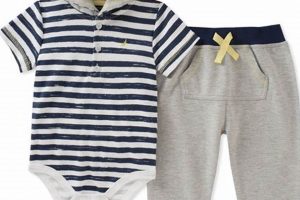
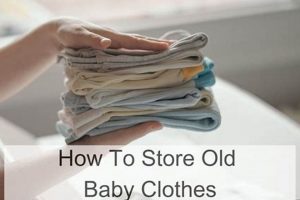
Financial obligations associated with infant apparel represent a significant category of household expenditure. These costs encompass a range of items, from essential garments such as onesies and sleepwear to specialized outerwear designed for varying weather conditions. For instance, the cumulative expense of acquiring a complete wardrobe for a newborn can quickly escalate depending on brand, material, and quantity purchased.
Managing the monetary aspect of acquiring attire for infants is crucial for family budgeting. Historically, families relied on handcrafted or second-hand items to mitigate these financial pressures. The contemporary market offers a wider array of purchasing options, from budget-friendly retailers to premium brands, necessitating careful consideration of value and durability. Effective management allows families to allocate resources to other essential needs without compromising the infant’s comfort and well-being.
This article will explore practical strategies for minimizing expenditures in this area, including identifying affordable alternatives, maximizing the lifespan of purchased items, and navigating the landscape of sales and discounts. The discussion will also address the role of sustainable choices in reducing long-term costs and environmental impact, further enhancing financial prudence and responsible consumption.
Strategies for Minimizing Infant Apparel Expenses
Effective management of financial resources dedicated to infant clothing necessitates a proactive and informed approach. The following strategies provide guidance for optimizing expenditures without compromising quality or necessity.
Tip 1: Leverage Second-Hand Markets: Explore consignment shops, online marketplaces, and community exchanges for gently used items. These sources often provide substantial discounts compared to retail prices, allowing for significant savings on frequently replaced garments.
Tip 2: Prioritize Versatile Basics: Invest in a selection of neutral-colored, adaptable items that can be mixed and matched. This approach minimizes the need for a large number of specialized outfits, reducing overall expenditure.
Tip 3: Capitalize on Seasonal Sales and Clearance Events: Monitor retailer websites and promotional materials for end-of-season clearances and holiday sales. Purchasing items in advance, particularly for future size ranges, can result in considerable cost reductions.
Tip 4: Consider Fabric Durability and Washability: Opt for materials known for their resilience and ease of care, such as cotton blends and wrinkle-resistant fabrics. This ensures longevity and reduces the need for frequent replacements due to wear and tear.
Tip 5: Implement a Needs-Based Inventory System: Regularly assess the infant’s current wardrobe and identify true necessities. Avoid impulse purchases based on aesthetic appeal and focus on acquiring items that fulfill specific functional requirements.
Tip 6: Explore Rental and Subscription Services: Investigate clothing rental and subscription programs designed for infants. These services offer a cost-effective alternative to purchasing a constantly evolving wardrobe, particularly during periods of rapid growth.
Tip 7: Practice Proper Garment Care: Adhere to recommended washing and drying instructions to extend the lifespan of each item. Addressing stains and minor repairs promptly can prevent premature disposal and minimize replacement costs.
Implementing these strategies enables families to achieve significant savings on infant apparel, allowing for a more efficient allocation of financial resources. This approach prioritizes value, durability, and practicality without sacrificing the infant’s comfort or well-being.
The subsequent section will address the importance of sustainable practices in infant apparel consumption, further underscoring the commitment to both financial prudence and environmental responsibility.
1. Budget Allocation

Budget allocation, within the context of expenses for infant clothing, constitutes a critical aspect of household financial management. It necessitates a deliberate assignment of monetary resources to ensure adequate provision for essential apparel without compromising overall financial stability.
- Prioritization of Needs vs. Wants
Effective budget allocation demands a distinction between essential garments and discretionary items. Prioritizing basic necessities, such as onesies and sleepwear, over non-essential accessories enables responsible spending. This involves evaluating the practical utility of each item in relation to its cost and potential impact on the budget.
- Forecasting Growth and Replacements
Infants experience rapid growth spurts, necessitating frequent replacement of clothing. Budget allocation must incorporate anticipated expenditures for larger sizes and seasonal changes. Failing to account for these factors can lead to unexpected financial strain and necessitate adjustments to other budgetary categories.
- Exploring Cost-Effective Alternatives
Budget allocation should include an assessment of alternative purchasing options, such as second-hand markets, consignment stores, and discount retailers. These sources offer opportunities to acquire high-quality garments at reduced prices, thereby minimizing the overall financial burden. Prudent allocation involves considering these options alongside traditional retail channels.
- Establishing a Contingency Fund
Unexpected expenses, such as premature wear and tear or unforeseen climate changes, can disrupt carefully planned budgets. Allocating a contingency fund specifically for infant apparel provides a financial buffer to address these unanticipated needs without jeopardizing other financial commitments.
The strategic allocation of financial resources directly influences the ability to maintain adequate provision of infant clothing without incurring undue financial strain. By prioritizing needs, forecasting growth, exploring cost-effective alternatives, and establishing a contingency fund, families can effectively manage expenses for infant apparel and ensure financial stability.
2. Essential Garments

The acquisition of essential garments constitutes a primary driver of expenditures associated with infant apparel. Understanding the composition and function of these items is crucial for effective budgeting and responsible fiscal management. The following outlines key facets of essential garments and their implications for overall expenses.
- Core Wardrobe Components
Essential garments encompass a foundational set of items necessary for basic comfort and hygiene. This includes onesies, sleepwear, socks, and outerwear appropriate for the prevailing climate. The cumulative cost of these items represents a significant portion of total expenditure on infant apparel. For example, the recurring need for larger sizes due to rapid growth necessitates frequent replacement, contributing to escalating expenses.
- Durability and Longevity Considerations
The selection of durable and easily washable fabrics is paramount in mitigating long-term costs. Garments constructed from resilient materials, such as cotton blends, withstand frequent laundering and resist premature wear and tear. This reduces the need for frequent replacements and lowers the overall financial burden. Conversely, purchasing less durable items may result in higher long-term expenses.
- Seasonal Adaptation and Requirements
Essential garments must be adapted to accommodate seasonal variations in temperature and weather conditions. This necessitates acquiring appropriate outerwear, such as jackets and hats for colder months, and lightweight, breathable clothing for warmer periods. Failure to account for seasonal requirements may necessitate additional purchases, contributing to increased expenses. Effective planning involves anticipating seasonal needs and purchasing items in advance during sales or clearance events.
- Impact of Brand and Retailer Selection
The choice of brand and retailer significantly influences the cost of essential garments. Premium brands often command higher prices compared to budget-friendly alternatives, despite offering similar functionality. Prudent financial management involves evaluating the value proposition of different brands and retailers, considering factors such as quality, durability, and pricing. Exploring discount retailers and second-hand markets can further reduce overall expenditures.
The strategic management of essential garment acquisition directly impacts the overall budgetary allocation for infant apparel. Prioritizing durability, adapting to seasonal needs, and carefully selecting brands and retailers are essential strategies for mitigating expenses. These considerations, when implemented effectively, contribute to responsible fiscal practices and ensure adequate provision for infant apparel without incurring undue financial strain.
3. Growth Spurts

Infant growth spurts exert a direct and quantifiable influence on the financial demands associated with infant apparel. The rapid and often unpredictable nature of these periods necessitates frequent adjustments to the wardrobe, leading to increased expenditure on items that are quickly outgrown. The correlation between these biological events and financial outlay is a key consideration in effective budgeting for infant care.
- Accelerated Clothing Turnover
Growth spurts precipitate an accelerated rate of clothing turnover. Infants may transition between sizes within weeks, rendering previously purchased items obsolete. This rapid succession of size changes necessitates continuous procurement of larger garments, thereby increasing the overall expenditure on apparel. For example, a newborn may outgrow newborn-sized clothing within a month, requiring a complete replacement with items designed for infants aged 0-3 months. The financial implication is a constant demand for new inventory.
- Misalignment of Seasonal Apparel
Growth spurts can create a misalignment between the infant’s size and the appropriate seasonal apparel. A growth spurt occurring at the onset of winter may necessitate the immediate purchase of larger winter clothing, regardless of whether the existing wardrobe contains items suitable for the season. This unforeseen requirement disrupts planned spending and potentially results in redundant or underutilized garments. The financial impact is amplified when specialized or expensive outerwear is required.
- The Economic Implications of Gifting
While gifts of clothing can partially alleviate the financial burden of growth spurts, their effectiveness is often limited by variations in sizing standards and personal preferences. Gifts may not align with the immediate needs of the infant, resulting in a surplus of inappropriate or ill-fitting items. This necessitates supplemental purchases to address specific requirements, effectively diminishing the economic benefit of the gifted items. Careful coordination with gift-givers can mitigate this effect, but often necessitates direct communication regarding current needs.
- The Necessity of Size Forecasting
Effective financial management requires anticipating the impact of growth spurts and proactively forecasting future clothing needs. This involves assessing the infant’s growth rate, considering familial growth patterns, and strategically purchasing larger sizes in advance. While this approach carries the risk of acquiring items that may not be needed, it allows for leveraging sales and discounts, potentially offsetting the cost of inaccurate forecasting. Regular monitoring of the infant’s growth trajectory is crucial for refining forecasting accuracy and minimizing wasteful expenditure.
The interplay between growth spurts and the financial implications for infant apparel necessitates careful planning and proactive management. Recognizing the patterns and potential impact of these growth periods enables informed decision-making regarding clothing purchases, optimizing resource allocation and mitigating unnecessary expenditure. The ability to anticipate and adapt to these growth-related changes is essential for maintaining a financially sustainable approach to providing appropriate and comfortable attire for infants.
4. Durability Assessment
Durability assessment is inextricably linked to managing expenditures on infant apparel. The lifespan of garments directly impacts the frequency of replacement, consequently influencing the overall financial burden. Infants, due to their rapid growth and active nature, subject clothing to considerable wear and tear. Evaluating the material composition, construction quality, and care requirements of items becomes a crucial step in mitigating long-term costs. For instance, purchasing less expensive garments constructed from inferior materials may result in frequent replacements, ultimately exceeding the cost of initially investing in more durable items. The tensile strength of fabric, resistance to abrasion, and colorfastness are key indicators of garment longevity.
The practical application of durability assessment extends to informed purchasing decisions. Prioritizing fabrics such as cotton blends, known for their resilience and ease of care, can significantly extend the useful life of garments. Furthermore, examining seam construction and reinforcement at stress points, such as knees and elbows, provides insight into the garment’s ability to withstand rigorous activity. Adhering to recommended washing and drying instructions also contributes to maintaining garment integrity and preventing premature degradation. Real-world examples include selecting reinforced-knee trousers for crawling infants or choosing clothing with stain-resistant finishes to minimize the impact of frequent spills.
In summary, integrating durability assessment into the decision-making process regarding infant apparel acquisition directly contributes to effective financial management. By prioritizing garments constructed from resilient materials, examining construction quality, and adhering to proper care guidelines, families can reduce the frequency of replacement and minimize overall expenditures. This approach aligns with broader themes of responsible consumption and the efficient allocation of resources, ensuring both the infant’s needs are met and financial stability is maintained. Challenges may arise in balancing cost considerations with durability requirements; however, a comprehensive understanding of material properties and construction techniques enables informed choices that optimize value and longevity.
5. Resale Value

The potential to recoup a portion of the initial cost of infant apparel through resale channels represents a salient factor in managing the overall financial outlay. Evaluating the resale value of garments prior to purchase can inform budgetary decisions and contribute to a more financially sustainable approach to infant care.
- Brand Recognition and Demand
The resale value of infant clothing is directly influenced by brand recognition and market demand. Garments from well-established brands with a reputation for quality and durability command higher prices in the resale market. This is due to the perceived assurance of quality and the desirability of the brand among potential buyers. Conversely, less recognizable or generic brands may experience lower resale values, limiting the potential to recoup initial costs. Practical examples include premium organic cotton brands that retain significant value compared to fast-fashion alternatives. The implication is that investing in reputable brands can offer a partial return on investment through resale opportunities.
- Condition and Maintenance
The physical condition of garments at the time of resale significantly impacts their market value. Items that are well-maintained, free from stains or damage, and exhibit minimal signs of wear and tear command higher resale prices. Proactive care, including following recommended washing instructions and promptly addressing any repairs, is essential for preserving the garment’s resale value. For instance, an unstained, gently used designer onesie will fetch a higher price than a similarly branded item with visible signs of wear. This highlights the importance of diligent care and maintenance throughout the garment’s lifecycle to maximize its potential resale value.
- Material Composition and Quality
The material composition of infant clothing influences its durability and, consequently, its resale value. Garments constructed from high-quality, resilient materials, such as organic cotton or wool blends, are more likely to withstand repeated washings and retain their structural integrity. This longevity translates into higher resale value, as potential buyers are more willing to invest in items that are expected to last. Conversely, garments made from less durable or synthetic materials may exhibit premature wear and tear, reducing their resale potential. A wool jacket, carefully stored during off-seasons, has good resale value due to its durability and classic style.
- Seasonality and Trend Considerations
The resale value of infant apparel is subject to seasonal fluctuations and prevailing fashion trends. Items that are in line with current seasonal needs and fashion trends are more likely to attract buyers and command higher prices. For example, winter outerwear will fetch higher prices during the colder months, while lightweight summer clothing will be in greater demand during warmer periods. Similarly, items that reflect current fashion trends, such as specific colors or patterns, may be more appealing to potential buyers. Timing the resale of items to coincide with seasonal demand and trend cycles can maximize their resale value.
The convergence of brand recognition, garment condition, material quality, and seasonal timing collectively determines the resale value of infant clothing. Recognizing and strategically managing these factors can significantly impact the overall financial burden associated with acquiring and maintaining an infant’s wardrobe. This approach aligns with principles of responsible consumption and maximizes the return on investment in infant apparel.
Frequently Asked Questions Regarding Infant Apparel Expenditures
The following questions address common inquiries related to the financial obligations associated with infant apparel, providing informative and objective responses to aid in responsible budgetary planning.
Question 1: What constitutes an acceptable budget allocation for infant apparel expenses?
An acceptable budget allocation for infant apparel varies depending on household income, lifestyle, and purchasing preferences. Establishing a realistic budget requires a comprehensive assessment of essential clothing needs, anticipated growth spurts, and potential seasonal requirements. Financial experts recommend allocating a specific percentage of monthly income to cover these expenses, allowing for adjustments based on individual circumstances.
Question 2: How can the frequency of clothing replacement due to rapid growth be mitigated?
The frequency of clothing replacement due to rapid growth can be mitigated by strategically purchasing larger sizes in advance, capitalizing on sales and discounts. Exploring second-hand markets and consignment stores offers opportunities to acquire gently used items at reduced prices. Parents must monitor the infant’s growth trajectory to optimize sizing accuracy and minimize wasteful purchases.
Question 3: What are the key factors contributing to the durability of infant apparel?
The durability of infant apparel is primarily determined by the material composition and construction quality of the garments. Opting for fabrics such as cotton blends, known for their resilience and ease of care, extends the lifespan of items. Reinforcement at stress points, such as knees and elbows, further enhances durability. Adhering to recommended washing instructions also contributes to maintaining garment integrity and preventing premature degradation.
Question 4: Does the brand of infant apparel significantly impact its overall value proposition?
The brand of infant apparel can influence its value proposition, although not exclusively. Premium brands often command higher prices, but this does not automatically guarantee superior quality or durability. Budget-friendly brands may offer comparable functionality at a lower cost. A thorough comparison of material composition, construction quality, and pricing is recommended to assess the true value proposition, irrespective of brand recognition.
Question 5: Is the resale market a viable option for recouping costs associated with infant apparel?
The resale market presents a viable option for recouping a portion of the costs associated with infant apparel. Garments from well-established brands in good condition command higher prices in the resale market. Preserving the condition of items through proper care and storage maximizes their resale potential. Timing the resale to coincide with seasonal demand and trend cycles can further enhance the return on investment. However, expect only a fraction of the original price.
Question 6: What are some cost-effective alternatives to purchasing new infant clothing?
Cost-effective alternatives to purchasing new infant clothing include exploring second-hand markets, consignment stores, and clothing swaps. Participating in community exchanges and utilizing online marketplaces provides access to gently used items at reduced prices. Clothing rental services offer another viable option, particularly during periods of rapid growth. Hand-me-downs from friends and family members represent a mutually beneficial strategy for minimizing expenditure.
Careful consideration of these questions promotes responsible fiscal planning regarding infant apparel, ensuring a balance between financial prudence and the infants essential needs.
The subsequent discussion will address the role of sustainable practices in infant apparel consumption, furthering the commitment to both financial prudence and environmental responsibility.
Managing Infant Apparel Expenditures
This exploration of financial obligations related to bills baby clothes has highlighted the salient factors influencing budgetary demands. Strategic planning, encompassing durability assessment, resale considerations, and informed purchasing practices, provides a framework for mitigating expenses. A comprehensive understanding of these elements empowers families to allocate resources effectively while ensuring the provision of adequate and appropriate attire for infants.
The prudent management of expenditures associated with bills baby clothes remains a crucial aspect of household financial planning. Continued vigilance regarding sustainable practices and a commitment to informed decision-making will contribute to both fiscal responsibility and environmental stewardship. This ongoing process necessitates adaptability and awareness to navigate the evolving landscape of infant apparel costs, ultimately ensuring financial stability and responsible consumption patterns.