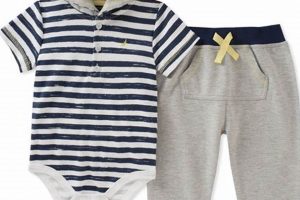
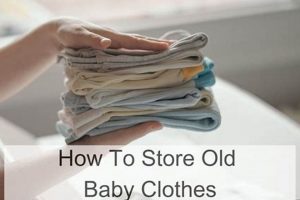
A product specifically formulated for laundering garments worn by infants and young children is designed to be gentle on their sensitive skin. These cleansers aim to remove stains and residue effectively while minimizing the risk of irritation or allergic reactions, addressing the unique needs of delicate fabrics and immature immune systems. For example, a fragrance-free, hypoallergenic liquid used to wash newborn onesies falls under this category.
The use of specialized cleansers offers several advantages. Reducing exposure to harsh chemicals and potential allergens promotes comfort and well-being for infants. Historically, parents relied on simpler methods for cleaning baby clothes; however, advancements in chemical engineering and dermatological research have led to the development of more refined and safer alternatives. These formulations play a crucial role in maintaining fabric integrity and hygiene.
Understanding the key ingredients, potential irritants to avoid, and factors influencing product selection is essential for making informed decisions. Subsequently, the following sections will examine the specific attributes that define effective and gentle laundering solutions, exploring the criteria for assessment and the characteristics of top-performing options.
Essential Guidance for Garment Care of Infants
Proper laundering practices extend the lifespan of infant apparel while safeguarding a young child’s well-being. The following recommendations offer practical strategies for selecting and utilizing appropriate cleaning agents.
Tip 1: Prioritize Hypoallergenic and Fragrance-Free Options: Select a formula specifically labelled hypoallergenic. Fragrances are a leading cause of skin irritation in infants; therefore, eliminating them minimizes the likelihood of adverse reactions.
Tip 2: Review the Ingredient List: Scrutinize the product label for potentially harmful substances such as dyes, optical brighteners, phosphates, and sulfates. Opt for options that feature plant-derived or readily biodegradable ingredients whenever possible.
Tip 3: Adhere to Recommended Dosage: Exceeding the recommended amount of cleaning agent can lead to residue build-up in fabric fibers, increasing the risk of skin irritation. Follow manufacturer instructions diligently.
Tip 4: Implement a Double-Rinse Cycle: An additional rinse cycle ensures the complete removal of detergent residue from clothing. This step is particularly important for garments worn directly against the skin.
Tip 5: Pre-Treat Stains Promptly: Address stains as quickly as possible using a gentle stain remover specifically designed for delicate fabrics. Avoid harsh chemicals or vigorous scrubbing, which can damage fibers.
Tip 6: Separate Laundry Loads: Launder baby clothing separately from adult clothing to prevent cross-contamination with potential irritants or allergens present in other detergents or fabric softeners.
Tip 7: Sun-Dry When Possible: The sun’s ultraviolet rays possess natural sanitizing properties. When weather permits, air-drying garments outdoors helps to further reduce bacteria and freshen clothing naturally.
Following these guidelines contributes to creating a healthier environment for infants by minimizing their exposure to potentially irritating chemicals and allergens. Consistent adherence to these practices promotes garment longevity and minimizes potential skin sensitivities.
The subsequent section explores specific product categories and brands known for their gentle and effective cleaning properties, offering detailed reviews and comparative analyses.
1. Hypoallergenic Composition

The term “hypoallergenic” signifies a product formulated to minimize the risk of allergic reactions. In the context of cleansers for infant apparel, this characteristic is paramount. The immature skin barrier of infants renders them more susceptible to irritants and allergens present in conventional cleaning agents. Detergents lacking hypoallergenic properties often contain ingredients such as dyes, perfumes, and certain preservatives that can trigger contact dermatitis, eczema flare-ups, or other cutaneous sensitivities. A carefully formulated hypoallergenic composition, conversely, aims to exclude or significantly reduce the concentration of these potential irritants.
The implementation of hypoallergenic formulations relies on rigorous testing and careful selection of raw materials. Manufacturers often conduct patch tests on human volunteers to assess the potential for skin irritation. Furthermore, independent organizations may certify products as hypoallergenic based on predefined criteria. The practical consequence of using a non-hypoallergenic detergent is evidenced in cases where infants develop rashes, itching, or redness after wearing freshly laundered clothes. These adverse reactions underscore the critical importance of selecting a cleaning agent specifically designed to minimize allergic responses. For instance, a family switching from a standard detergent to a certified hypoallergenic one observed a marked reduction in their infant’s recurring eczema, illustrating the direct benefit of this property.
In summary, the hypoallergenic composition is not merely a marketing claim but a fundamental requirement for any cleaning agent intended for use on baby clothes. Its presence mitigates the risk of adverse skin reactions, promoting the comfort and well-being of the infant. While the term itself does not guarantee complete absence of reactions, it signifies a deliberate effort to reduce allergenic potential, making it a crucial factor in informed product selection. The continued emphasis on developing and utilizing hypoallergenic detergents contributes significantly to preventative care in early childhood.
2. Fragrance-Free Formulation

The absence of added fragrances constitutes a critical attribute of effective cleansers intended for infant apparel. Fragrances, often comprised of complex mixtures of synthetic chemicals, represent a leading cause of skin irritation and allergic reactions in infants. The immature immune system and heightened skin sensitivity of young children render them particularly vulnerable to these compounds. Therefore, a product’s classification as a top choice for cleaning infant garments necessitates the deliberate exclusion of artificial scents. Introducing scented detergents can lead to conditions such as contact dermatitis, characterized by redness, itching, and inflammation, disrupting the infant’s comfort and well-being. For instance, an infant with previously clear skin may develop a rash following the introduction of a fragranced detergent, demonstrating the causative relationship.
The practical significance of utilizing a fragrance-free product extends beyond merely avoiding immediate skin reactions. Chronic exposure to fragrance chemicals, even at low levels, may contribute to the development of long-term sensitivities or respiratory issues in susceptible individuals. Furthermore, the masking effect of fragrances can obscure the detection of other potential irritants or contaminants present in the product. The incorporation of “fragrance-free” labeling provides transparency and allows caregivers to make informed decisions based on a clearer understanding of the detergent’s composition. As an example, consider families with a history of allergies who have found fragrance-free detergents to be an essential component in maintaining their infants’ skin health, preventing recurring irritation and minimizing the need for medicated treatments.
In summation, a fragrance-free formulation is an indispensable characteristic of a superior cleanser for infant garments. The removal of these potential irritants minimizes the risk of skin reactions, reduces long-term health concerns, and enables a more transparent assessment of product safety. Prioritizing fragrance-free options demonstrates a commitment to infant health and well-being, aligning with the fundamental principles of preventative care and informed decision-making. This approach ensures garments are effectively cleaned while minimizing potential harm to sensitive skin.
3. Residue-Free Rinsing
Residue-free rinsing is a defining characteristic of effective cleansers for infant apparel, directly impacting skin health and comfort. Detergent residue remaining on fabrics poses a significant risk of irritation, particularly for infants with their sensitive and permeable skin.
- Minimizing Skin Irritation
Residual detergents can trigger contact dermatitis, characterized by redness, itching, and inflammation. Infants are especially vulnerable due to their underdeveloped skin barrier. Detergents designed for residue-free rinsing employ formulations that are easily solubilized and washed away during the rinse cycle, reducing the likelihood of direct skin contact with irritating chemicals. For example, an infant persistently scratching after wearing freshly laundered clothes might be experiencing irritation from detergent residue.
- Preventing Allergic Reactions
Certain detergent ingredients, even in trace amounts, can act as allergens. These allergens persist on fabric if rinsing is inadequate, leading to allergic reactions upon skin contact. Residue-free detergents are formulated to ensure these potential allergens are completely removed, reducing the risk of sensitization and allergic responses. Consider the case of an infant with known sensitivities who experiences fewer reactions when garments are washed with a detergent specifically designed for complete removal.
- Maintaining Fabric Integrity
Detergent residue can affect the texture and breathability of fabrics. Build-up over time can stiffen materials, reduce their softness, and impede moisture-wicking properties. Residue-free detergents help maintain the original characteristics of the fabric, ensuring comfort and prolonging the lifespan of the garments. For instance, baby clothes washed repeatedly with residue-free detergents remain softer and more pliable compared to those treated with standard detergents.
- Supporting Overall Hygiene
Residual detergent can create an environment conducive to bacterial growth. The trapped moisture and chemical compounds can serve as a food source for microorganisms, potentially increasing the risk of skin infections. Residue-free rinsing promotes a cleaner fabric surface, reducing the likelihood of bacterial proliferation. Observing a reduction in skin rashes and infections in infants whose clothes are washed with residue-free detergents highlights the importance of this characteristic.
In essence, residue-free rinsing is not merely an aesthetic consideration but a critical attribute of the ideal cleansing solution for infant apparel. It minimizes skin irritation, prevents allergic reactions, maintains fabric integrity, and supports overall hygiene. Detergents failing to provide thorough rinsing pose a direct threat to infant health and well-being, underscoring the need for products rigorously tested and formulated for complete removal of residue. Selecting such detergents contributes significantly to a safer and more comfortable environment for infants.
4. Gentle Cleaning Efficacy

Gentle cleaning efficacy is paramount for identifying top-tier cleansers. The balance between effective stain removal and the preservation of fabric integrity dictates its importance. Products must eliminate common soiling, such as formula stains, spit-up, and diaper leakage, without compromising the delicate fibers of infant clothing. Strong chemicals, while effective at removing stains, can degrade fabrics, cause skin irritation, and leave harmful residues. Therefore, cleansers exhibiting gentle cleaning efficacy rely on alternative, less aggressive ingredients and formulations. An instance where a highly potent detergent removes a stain but leaves the garment faded and rough highlights the necessity for finding this balance. Effective removal of stains without resorting to harsh chemicals illustrates this principle.
The practical significance of gentle cleaning efficacy extends to both the infant’s well-being and the longevity of their wardrobe. Consistent use of harsh detergents can lead to premature wear and tear of garments, necessitating frequent replacements. The implementation of cleansers offering gentle cleaning efficacy translates to cost savings in the long term. Furthermore, the reduction of exposure to potentially irritating chemicals minimizes the risk of skin reactions, contributing to the infant’s comfort. The use of plant-based enzymes or milder surfactants to break down stains, coupled with thorough rinsing, ensures effective cleaning while minimizing potential harm. The transition to gentle yet effective cleansers often results in fewer instances of skin irritation.
In conclusion, gentle cleaning efficacy is not merely a desirable attribute but a fundamental requirement for cleansers intended for infant apparel. Its integration of effective stain removal with fabric preservation and minimization of chemical exposure renders it essential. Challenges remain in balancing efficacy and gentleness, but the prioritization of this characteristic contributes directly to infant health, garment longevity, and cost-effectiveness. The consistent pursuit of innovative formulations achieving this balance is crucial for advancing the field of infant garment care.
5. Pediatrician Recommendations
Pediatrician endorsements hold significant weight in the selection of cleaning agents. These recommendations reflect a professional evaluation of the product’s safety and efficacy for use on infant apparel, influencing parental choices.
- Validation of Hypoallergenic Claims
Pediatricians often recommend cleansers that are certified hypoallergenic. This recommendation stems from their clinical experience managing infants with sensitive skin and allergic conditions. A pediatrician’s endorsement suggests the product has undergone scrutiny and meets specific criteria for minimizing allergic reactions, providing reassurance to parents concerned about skin irritation. For example, a pediatrician might advise a family with a history of eczema to exclusively use cleansers labeled hypoallergenic and approved by relevant dermatological associations. This directly links the professional opinion to the selection process.
- Emphasis on Fragrance-Free Formulations
Pediatricians consistently advocate for fragrance-free options when advising on infant care products. Fragrances are a known cause of skin irritation and allergic contact dermatitis in infants. Pediatricians’ recommendations reflect an understanding of the potential adverse effects of these additives on delicate skin. The absence of fragrances lowers the risk of triggering allergic reactions, making it a safer choice for infants. In scenarios where infants develop rashes or skin sensitivities, pediatricians often recommend immediate cessation of fragranced products in favor of fragrance-free alternatives, underscoring the importance of this aspect.
- Guidance on Ingredient Safety
Pediatricians provide guidance on specific ingredients to avoid in cleaning agents, such as dyes, phosphates, and optical brighteners. Their recommendations stem from an awareness of the potential toxicity and irritant properties of these substances. Pediatricians advise parents to scrutinize product labels and select cleansers with minimal and safe ingredients. They might caution against products containing ingredients linked to skin sensitivities or endocrine disruption. This proactive approach helps parents make informed decisions based on expert knowledge, directly influencing product selection.
- Promotion of Residue-Free Rinsing
Pediatricians frequently stress the importance of thorough rinsing when laundering infant apparel. They recognize that detergent residue can cause skin irritation, even with hypoallergenic formulations. Pediatricians recommend using an extra rinse cycle to ensure complete removal of cleaning agents from fabrics. They might advise parents to observe their infant’s skin for any signs of irritation and adjust rinsing practices accordingly. This emphasis on residue-free rinsing highlights the pediatrician’s role in promoting safe laundering practices, complementing product selection.
In conclusion, pediatrician recommendations offer valuable guidance for selecting suitable detergents. The emphasis on hypoallergenic claims, fragrance-free formulations, ingredient safety, and residue-free rinsing reflects a commitment to minimizing potential risks to infant health. Parental adherence to these recommendations contributes to a safer and more comfortable environment for infants, underscoring the relevance of expert opinion in product selection.
6. Ingredient Safety Profile

The ingredient safety profile constitutes a cornerstone in evaluating cleansing solutions, directly impacting the health and well-being of infants. The selection of optimal cleansers hinges on a comprehensive understanding of the components and their potential effects, mitigating the risk of adverse reactions and promoting a safer laundering practice.
- Absence of Known Irritants and Allergens
A safe ingredient profile is characterized by the exclusion of substances known to cause skin irritation or allergic reactions in infants. Common culprits include synthetic fragrances, dyes, optical brighteners, and certain preservatives. Cleansers omitting these components minimize the risk of contact dermatitis, eczema flare-ups, and other cutaneous sensitivities. For instance, a product lacking fragrance and dyes reduces the likelihood of adverse skin reactions in infants with sensitive skin, demonstrating the practical importance of this aspect.
- Use of Plant-Derived or Biodegradable Ingredients
The incorporation of plant-derived or readily biodegradable ingredients contributes to a safer ingredient profile. These substances are generally less harsh than their synthetic counterparts, reducing the potential for skin irritation and minimizing environmental impact. Cleansers utilizing plant-based surfactants and enzymes offer effective cleaning while minimizing the risk of adverse reactions. The growing demand for eco-friendly options reflects an increasing awareness of the benefits associated with naturally derived ingredients. A cleanser utilizing coconut-based surfactants is an example.
- Transparency and Full Disclosure of Ingredients
A transparent ingredient list, providing full disclosure of all components, enables informed decision-making. Manufacturers committed to safety openly list all ingredients, allowing consumers to assess the potential risks and benefits. Ambiguous or incomplete ingredient lists raise concerns about undisclosed chemicals. Responsible manufacturers provide detailed information, including the specific function of each ingredient, promoting consumer trust. Consider a product that not only lists all ingredients but also provides information on their source and safety profile.
- Independent Testing and Certification
Independent testing and certification by reputable organizations validate the safety claims made by manufacturers. Certifications such as those from dermatological associations or environmental advocacy groups provide assurance that the product has undergone rigorous testing and meets specific criteria. These certifications offer an objective assessment of the ingredient profile, bolstering consumer confidence. A cleanser certified by a leading dermatological association signals adherence to stringent safety standards, enhancing its credibility.
The integration of these facets ensures a comprehensive evaluation of the ingredient safety profile, facilitating the selection of suitable cleansers for infant apparel. Cleansers prioritizing these elements contribute to a safer laundering practice, minimizing the risk of adverse reactions and promoting the overall health and well-being of infants. The ongoing emphasis on transparent and safe ingredient profiles reflects a growing commitment to consumer protection and environmental responsibility, shaping the landscape of infant care products.
Frequently Asked Questions
The following addresses common inquiries concerning cleansers intended for infant apparel, providing clarity and evidence-based information.
Question 1: Is a specialized cleanser truly necessary, or can standard adult cleansers be utilized?
Specialized cleansers are generally recommended due to their formulated gentleness and reduced risk of irritation. Standard adult cleansers often contain harsh chemicals, fragrances, and dyes that can cause adverse reactions in infants with sensitive skin. Utilizing specialized cleansers minimizes this risk.
Question 2: What ingredients should be explicitly avoided when selecting a cleanser for baby clothes?
Ingredients to avoid include synthetic fragrances, dyes, optical brighteners, phosphates, and sulfates. These substances are known irritants and potential allergens that can trigger skin sensitivities in infants.
Question 3: How frequently should infant garments be laundered?
Infant garments should be laundered as needed, particularly after soiling. Frequent laundering helps remove potential irritants and maintain hygiene. Using a gentle cleansing agent, as previously discussed, is especially important with frequent washing.
Question 4: Does “hypoallergenic” guarantee the absence of any allergic reaction?
The term “hypoallergenic” indicates a reduced likelihood of allergic reactions but does not guarantee complete absence. Individuals may still exhibit sensitivities to certain ingredients, even in hypoallergenic formulations. Careful monitoring for any adverse reactions is advised.
Question 5: Are plant-based or “natural” cleansers inherently safer than synthetic alternatives?
Plant-based or “natural” cleansers are not automatically safer. While often gentler, some plant-derived substances can still trigger allergic reactions. Thorough assessment of the ingredient list is essential, regardless of the product’s labeling.
Question 6: Is hand-washing preferable to machine-washing when laundering infant garments?
Both hand-washing and machine-washing can be effective. The key consideration is using an appropriate cleanser and ensuring thorough rinsing. Machine-washing on a delicate cycle with an extra rinse is generally acceptable, provided the garment’s care instructions permit it.
In summation, informed selection and proper utilization of cleansers contribute significantly to infant well-being. Careful consideration of ingredients, laundering frequency, and individual sensitivities are essential elements in this process.
The subsequent section explores specific product reviews and comparative analyses to further assist in selecting the most suitable cleansing solution.
Concluding Summary
The preceding analysis has illuminated the multifaceted considerations critical to selecting the most appropriate cleanser for infant apparel. Hypoallergenic composition, fragrance-free formulations, residue-free rinsing, gentle cleaning efficacy, pediatrician recommendations, and ingredient safety profiles were scrutinized as key determinants of product suitability. The prioritization of these factors is paramount in mitigating potential risks to infant health and well-being.
Ultimately, the selection process necessitates diligence and informed decision-making. Continued vigilance regarding product formulations and their potential impact remains essential. Further research and development are vital in advancing the field of infant garment care, striving for ever-safer and more effective cleansing solutions. This commitment to excellence benefits both the health of infants and the environment.