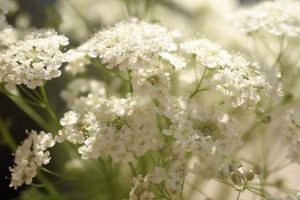
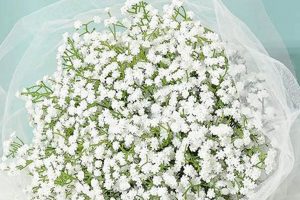
The longevity of Gypsophila, commonly known as Baby’s Breath, when removed from a water source is a significant consideration for floral arrangements and decorative purposes. Its delicate structure and high surface area contribute to its susceptibility to dehydration once severed from its water supply. The duration that this flower maintains its aesthetic appeal without water is variable and depends on several environmental factors.
Understanding the factors affecting the flower’s wilting process is crucial for preserving its appearance. Ambient temperature, humidity levels, and initial hydration status of the cut stems all play a vital role. Flowers stored in cooler environments with higher humidity tend to exhibit prolonged freshness compared to those exposed to warm, dry conditions. Properly hydrated stems at the time of cutting also enhance their ability to withstand water deprivation for a more extended duration.
Several preservation techniques can be employed to extend the lifespan of cut Baby’s Breath. These include utilizing floral preservatives, controlling the surrounding environmental conditions, and implementing drying methods. Each of these strategies can influence the ultimate duration the flower retains its visual appeal in the absence of a continuous water supply.
Tips for Extending the Lifespan of Cut Baby’s Breath Out of Water
Maximizing the aesthetic lifespan of cut Gypsophila without a water source requires careful management of several key factors. The following guidelines provide practical strategies for preserving its visual appeal:
Tip 1: Harvest at Optimal Maturity: Cut stems when approximately half of the individual florets are fully open. Harvesting at this stage ensures the flowers have reached sufficient maturity for prolonged display without water.
Tip 2: Initial Hydration is Key: After cutting, immediately place stems in water treated with a floral preservative. This initial hydration period, lasting several hours, significantly improves the flower’s turgor pressure and resilience to dehydration.
Tip 3: Control Ambient Temperature: Store the cut flowers in a cool environment, ideally between 35-40F (2-4C), when not on display. Lower temperatures reduce the rate of respiration and water loss, thereby extending freshness.
Tip 4: Manage Humidity Levels: Maintain a moderately humid environment around the flowers. High humidity minimizes water loss through transpiration. However, avoid excessively damp conditions, which can promote fungal growth.
Tip 5: Consider Desiccation Techniques: For long-term preservation, employ desiccation methods such as air-drying or using silica gel. These techniques remove moisture from the flowers, preventing decay and preserving their shape and color.
Tip 6: Application of Anti-Transpirants: Apply an anti-transpirant spray to the foliage. These sprays form a protective coating, reducing water loss through the leaves and extending the flower’s freshness without water.
Tip 7: Avoid Direct Sunlight: Exposure to direct sunlight accelerates wilting. Store or display cut Gypsophila in areas with indirect light to minimize heat absorption and water evaporation.
By implementing these techniques, the duration that cut Baby’s Breath retains its visual quality in the absence of water can be substantially improved, thereby enhancing its suitability for decorative applications and floral design.
These insights provide a foundation for understanding and optimizing the presentation of Baby’s Breath, moving towards a more informed approach to floral preservation.
1. Hydration at cutting

The initial hydration status of Gypsophila stems at the time of cutting directly and substantially influences its subsequent longevity in the absence of a water source. Adequate hydration establishes a reservoir within the plant tissue, enabling it to withstand water loss for a longer period and maintain turgor pressure, thus preserving its visual appeal.
- Water Uptake Mechanisms
Hydration at cutting relies on the plant’s natural water transport mechanisms, primarily xylem. By immediately placing freshly cut stems in water, the xylem vessels can efficiently absorb water and transport it throughout the plant. The initial water uptake rate and volume directly correlate with the stem’s ability to combat wilting when removed from water. Insufficient or delayed hydration compromises this natural process.
- Role of Floral Preservatives
The addition of floral preservatives to the hydration solution significantly enhances water uptake and extends the lifespan of cut Baby’s Breath. Floral preservatives typically contain biocides to inhibit microbial growth in the water, preventing vascular blockage. They also include nutrients that provide a limited energy source for the cut stems and agents that lower the water’s surface tension, facilitating absorption. Their use optimizes the hydration process at cutting.
- Impact on Turgor Pressure
Adequate hydration directly affects turgor pressure within the plant cells. Turgor pressure is the force exerted by the cell’s contents against its cell wall, maintaining rigidity and preventing wilting. Stems that are well-hydrated at cutting exhibit higher turgor pressure, enabling them to maintain their upright posture and prevent the drooping associated with dehydration. The maintenance of turgor pressure is crucial for aesthetic longevity.
- Influence of Stem Preparation
Proper stem preparation at the time of cutting further enhances hydration. This includes removing lower leaves that would otherwise be submerged in water, preventing bacterial contamination. Recutting the stem at an angle under water also eliminates air bubbles that can impede water uptake. These preparatory steps optimize the plant’s ability to absorb and retain water, positively impacting its lifespan without a water source.
In summary, the degree of hydration achieved at the time of cutting is a primary determinant of how long Gypsophila will last out of water. Optimizing water uptake through proper stem preparation, the use of floral preservatives, and immediate submersion in water maximizes turgor pressure and provides a reservoir of moisture that sustains the flower’s appearance for a prolonged period.
2. Ambient Temperature

Ambient temperature exerts a significant influence on the longevity of cut Gypsophila stems when removed from a water source. Elevated temperatures accelerate metabolic processes within the plant tissue, leading to increased respiration and transpiration rates. This, in turn, causes a more rapid depletion of the plant’s internal water reserves, resulting in wilting and a reduced lifespan. Conversely, lower temperatures slow these metabolic processes, conserving water and extending the flower’s freshness.
For example, Baby’s Breath displayed at an outdoor summer wedding, exposed to direct sunlight and high temperatures, will likely wilt within a few hours. The heat increases transpiration, causing the flower to lose moisture faster than it can be replenished, even if initially hydrated. In contrast, the same flowers kept in a refrigerated display case, or a cool, shaded indoor environment, can maintain their turgidity and aesthetic appeal for several days. Floral shops routinely utilize this principle to extend the shelf life of their inventory. The effectiveness of drying techniques, another preservation method, depends on controlled temperature to prevent decay while removing moisture.
Understanding the direct correlation between ambient temperature and the rate of deterioration is crucial for optimizing the display and preservation of cut Baby’s Breath. By manipulating the surrounding temperature, the duration that these delicate flowers retain their visual quality can be significantly extended. While controlling ambient conditions is not always feasible, awareness of its impact informs choices about display locations, storage methods, and the appropriateness of using these flowers in certain environments. This awareness is essential for floral designers, event planners, and anyone seeking to maximize the beauty and lifespan of cut Gypsophila.
3. Humidity influence

Ambient humidity levels exert a considerable influence on the post-harvest longevity of Gypsophila, or Baby’s Breath, when severed from its water source. The underlying mechanism involves the regulation of transpiration, the process by which plants lose water vapor through their stomata. In conditions of low humidity, the vapor pressure deficit between the plant’s internal tissues and the surrounding air increases, leading to accelerated transpiration rates. This heightened water loss exacerbates dehydration, causing the stems and florets to wilt more rapidly and thereby shortening their aesthetic lifespan. Conversely, elevated humidity reduces the vapor pressure deficit, slowing transpiration and preserving the plant’s moisture content, consequently extending its visual appeal.
The practical implications of humidity influence are evident in diverse settings. Floral shops often employ humidifiers or misting systems to maintain high humidity levels around cut flowers, including Baby’s Breath, to minimize water loss and prolong their freshness. Similarly, in regions with arid climates, maintaining the turgidity of cut stems requires strategic management of humidity through enclosed displays or controlled environmental conditions. Failure to account for humidity can result in premature wilting, particularly in arid climates or air-conditioned environments where relative humidity is often significantly reduced. Desiccation methods, used for long term preservation, must also consider ambient humidity to prevent moisture reabsorption after the drying process.
In conclusion, ambient humidity plays a crucial role in regulating the rate of water loss from cut Gypsophila stems. Understanding and managing humidity levels is essential for extending the flower’s lifespan in the absence of a water source. While precise control of humidity may not always be feasible, awareness of its impact allows for informed decisions regarding storage, display, and preservation strategies. Failure to mitigate the effects of low humidity can lead to rapid dehydration and diminished aesthetic value, underscoring the importance of this environmental factor in determining how long these delicate flowers will last.
4. Airflow effects

Airflow, or the movement of air around cut Gypsophila stems, is a significant environmental factor influencing the duration the flowers maintain their aesthetic quality without a water source. Increased airflow generally accelerates water loss from plant tissues, thereby reducing the lifespan of the cut stems.
- Enhanced Transpiration
Moving air increases the rate of transpiration. Transpiration is the process where water exits the plant through stomata, primarily located on the leaves and stems. Greater airflow removes the humid layer of air surrounding the plant, which would otherwise slow down transpiration. Removing this boundary layer increases the vapor pressure gradient between the plant’s interior and the surrounding environment, causing water to evaporate more quickly. This accelerated water loss leads to quicker wilting and a shortened display life.
- Surface Evaporation
Airflow also directly impacts evaporation from the cut surfaces of the stems and any exposed florets. The cut ends are particularly vulnerable to water loss. When air moves across these surfaces, it carries away moisture, further contributing to dehydration. This is analogous to how a wet surface dries more rapidly on a windy day compared to a still day. Protecting the cut ends or reducing airflow can mitigate this evaporative water loss.
- Relative Humidity Reduction
Airflow is often associated with lower relative humidity. As air circulates more freely, it tends to mix with drier air in the surrounding environment, leading to a reduction in the local humidity around the flowers. This lower humidity exacerbates transpiration, as described above, creating a compounded effect that hastens the dehydration process. Controlling airflow can indirectly help maintain higher relative humidity levels around the flowers, thereby slowing water loss.
- Mechanical Stress
In addition to affecting water balance, strong airflow can cause physical damage to the delicate stems and florets of Baby’s Breath. The movement can cause the stems to rub against each other or against other objects, leading to bruising, breakage, and accelerated deterioration. This mechanical stress not only detracts from the flower’s appearance but also creates entry points for pathogens, further reducing its lifespan.
The various effects of airflow on cut Gypsophila highlight the importance of minimizing air circulation to extend the flower’s freshness in the absence of a water source. Implementing strategies to reduce airflow, maintain higher humidity levels, and protect the flowers from physical damage can significantly prolong their aesthetic appeal and overall lifespan. Balancing airflow considerations with other environmental factors, such as temperature and light exposure, is crucial for optimal preservation.
5. Stem maturity

Stem maturity in Gypsophila, or Baby’s Breath, is a critical factor influencing its post-harvest longevity when removed from a water source. The stage of development at which the stem is cut dictates its ability to withstand water stress and maintain aesthetic appeal.
- Carbohydrate Reserves
More mature stems generally possess greater carbohydrate reserves. These reserves, accumulated through photosynthesis, provide the energy needed to sustain cellular processes after the stem is cut. Stems harvested prematurely have fewer stored carbohydrates, leading to quicker depletion of energy and accelerated senescence. Mature stems, with their higher carbohydrate content, can maintain turgor pressure and metabolic function for a longer period. For instance, Baby’s Breath harvested before the majority of florets are fully open will likely wilt faster than stems cut when most of the flowers have reached full bloom. The former lacks the necessary energy reserves to prolong its lifespan without water.
- Xylem Development
The development and functionality of the xylem, the plant’s water-conducting tissue, improve with stem maturity. More developed xylem vessels facilitate more efficient water transport, both initially upon cutting and subsequently as the plant attempts to maintain hydration. Stems cut too early may have incompletely formed xylem, hindering water uptake and leading to rapid dehydration. Mature stems, with their fully functional xylem, can more effectively transport water to the florets, delaying wilting and prolonging freshness. The difference in xylem development directly influences the stem’s ability to combat desiccation without a continuous water supply.
- Structural Rigidity
Structural rigidity increases with stem maturity, contributing to the flower’s overall presentation. More mature stems tend to be sturdier and less prone to bending or drooping, maintaining an upright posture even under water stress. Immature stems, on the other hand, may be more flexible and susceptible to wilting-induced bending. This difference in structural integrity affects the aesthetic appeal of the cut flowers. Mature stems are better equipped to retain their form, enhancing their suitability for floral arrangements and displays where a consistent, upright appearance is desired. Structural stability is paramount for prolonged visual appeal.
- Hormonal Balance
Hormonal balance shifts as stems mature, impacting senescence. Mature stems may have a higher ratio of senescence-delaying hormones, such as cytokinins, compared to immature stems, which may have a higher concentration of senescence-promoting hormones like ethylene. This hormonal balance influences the rate at which the plant’s tissues break down and contributes to the flower’s overall lifespan. Hormonal regulation plays a crucial role in the plant’s response to cutting and water deprivation, ultimately affecting how long it lasts without a water source.
In summary, stem maturity profoundly affects the longevity of cut Baby’s Breath when removed from a water source. The interplay of carbohydrate reserves, xylem development, structural rigidity, and hormonal balance dictates the plant’s resilience to water stress. Harvesting at the appropriate stage of maturity is essential for maximizing the lifespan and aesthetic appeal of these delicate flowers. Understanding these facets of stem maturity is essential for floral professionals and enthusiasts alike.
6. Preservation methods

Preservation methods directly influence the duration that Gypsophila, commonly known as Baby’s Breath, maintains its aesthetic qualities when removed from a water source. The selection and application of appropriate preservation techniques are crucial for extending its lifespan and enabling its use in long-term floral arrangements and decorative applications.
- Air Drying
Air drying is a passive preservation method that involves suspending stems of Baby’s Breath in a dry, well-ventilated area. This allows the moisture within the plant tissues to evaporate gradually, preventing decay and preserving the flower’s structure. The success of air drying is contingent on low humidity and adequate air circulation. For instance, stems hung upside down in a cool, dark attic will typically dry within a few weeks, retaining their shape and color. However, air-dried Baby’s Breath may become brittle and susceptible to damage, limiting its suitability for applications requiring flexibility or handling. The outcome of air drying significantly extends the lifespan beyond what would be possible with fresh stems, albeit with altered physical characteristics.
- Desiccation with Silica Gel
Desiccation using silica gel involves burying Baby’s Breath stems in a container filled with this granular drying agent. Silica gel absorbs moisture from the plant tissues more rapidly than air drying, resulting in better preservation of the flower’s original color and shape. This method is particularly effective for delicate flowers that tend to wilt or discolor during slower drying processes. For example, Baby’s Breath stems desiccated in silica gel for a week retain a more vibrant appearance compared to air-dried stems. However, silica gel desiccation requires careful monitoring to prevent excessive drying, which can lead to brittleness. While more labor-intensive than air drying, silica gel significantly extends the lifespan while better preserving the flower’s aesthetic qualities.
- Glycerin Treatment
Glycerin treatment involves immersing the cut ends of Baby’s Breath stems in a solution of glycerin and water. The plant tissues absorb the glycerin, which replaces water and maintains their flexibility. Glycerin-treated Baby’s Breath remains pliable and less prone to breakage compared to air-dried or desiccated stems. This method is often used for foliage and flowers intended for long-lasting arrangements where a natural look and feel are desired. For instance, stems treated with glycerin can be incorporated into wreaths or other decorative items that will be handled frequently. The glycerin treatment extends the lifespan and also alters the texture of the Baby’s Breath, making it suitable for a wider range of applications.
- Freeze-Drying
Freeze-drying, or lyophilization, is a sophisticated preservation method that involves freezing the Baby’s Breath stems and then subjecting them to a vacuum to remove the frozen water through sublimation. This process minimizes cellular damage and results in exceptionally well-preserved flowers that retain their original shape, color, and texture. Freeze-dried Baby’s Breath is often used in high-end floral arrangements and wedding bouquets. For example, freeze-dried stems can be incorporated into shadow boxes or other displays where a lifelike appearance is paramount. Freeze-drying is the most effective method for preserving the aesthetic qualities of Baby’s Breath over extended periods, although it is also the most costly.
In conclusion, preservation methods significantly alter the usable lifespan of Baby’s Breath when removed from a water source. From simple air drying to advanced techniques like freeze-drying, each method offers distinct advantages and disadvantages in terms of cost, effort, and the resulting appearance and texture of the preserved flowers. The choice of preservation method depends on the intended application and the desired balance between longevity and aesthetic quality.
Frequently Asked Questions
The following questions address common inquiries regarding the duration Gypsophila maintains its aesthetic qualities when deprived of a water source. These answers aim to provide practical guidance for handling and preserving this delicate flower.
Question 1: How long does baby’s breath typically last out of water under normal conditions?
Under typical indoor conditions, cut Baby’s Breath may maintain a presentable appearance for approximately 24-72 hours without water. This timeframe is significantly influenced by ambient temperature, humidity, and the flower’s initial hydration status.
Question 2: Does the variety of Baby’s Breath affect its lifespan out of water?
While subtle variations exist, the general longevity characteristics are similar across most commercially available Gypsophila varieties. Differences in stem thickness or floret density may slightly alter water loss rates, but these are generally minor compared to environmental factors.
Question 3: Can floral preservatives extend the lifespan of Baby’s Breath out of water?
Floral preservatives primarily enhance water uptake when the stems are initially placed in water. While beneficial for initial hydration, they offer limited direct benefit to longevity once the flower is removed from water. The initial hydration provided by preservatives is the primary advantage.
Question 4: What are the most effective methods for preserving Baby’s Breath for long-term use?
Air drying, desiccation with silica gel, glycerin treatment, and freeze-drying are all effective methods for preserving Baby’s Breath. Each method offers varying degrees of color and shape retention, as well as altered texture. The appropriate method depends on the desired outcome.
Question 5: How does storage temperature affect the lifespan of cut Baby’s Breath out of water?
Lower storage temperatures significantly extend the lifespan of cut Baby’s Breath. Storing the stems in a cool environment (e.g., 35-40F or 2-4C) reduces metabolic activity and water loss, thereby prolonging freshness. This practice is commonly employed in floral shops.
Question 6: Is it possible to revive Baby’s Breath that has begun to wilt after being out of water?
While significantly wilted Baby’s Breath cannot be fully restored, re-cutting the stems and placing them in fresh, cool water may temporarily improve their appearance. This provides a renewed opportunity for water uptake, although the effect is often limited.
These answers provide foundational insights into the factors influencing Baby’s Breath longevity without water and offer practical strategies for preservation.
The following section explores practical applications and creative uses for preserved Baby’s Breath.
Concluding Remarks on Gypsophila Longevity
The preceding exploration has illuminated the diverse factors influencing the duration Baby’s Breath, or Gypsophila, maintains its aesthetic qualities when removed from a water source. The interplay of initial hydration, ambient conditions, stem maturity, and preservation techniques collectively determine the plant’s post-harvest lifespan. Manipulating these variables allows for optimized presentation and extended use, particularly in contexts where continuous hydration is not feasible. Proper management ensures prolonged visual appeal.
Understanding the dynamics of Gypsophila‘s response to water deprivation empowers informed decision-making in floral design, event planning, and decorative applications. Continued research into advanced preservation methodologies promises to further enhance the longevity and versatility of this delicate flower. The diligent application of current knowledge remains paramount for maximizing its aesthetic contribution across diverse settings.