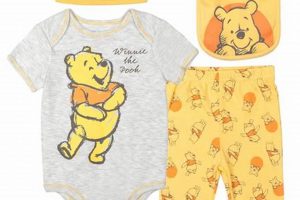
The selection of appropriate seasonal attire for infant females involves considerations of comfort, safety, and aesthetic appeal during warmer months. These garments encompass a range of items, including lightweight dresses, rompers, tops, and shorts, typically crafted from breathable materials like cotton or linen. For example, a sunsuit with a wide-brimmed hat provides protection from solar radiation, while allowing for ease of movement.
Suitable apparel contributes significantly to maintaining optimal body temperature, preventing overheating, and minimizing skin irritation. The selection process is often influenced by factors such as current fashion trends, cultural norms, and the availability of age-appropriate designs. Historically, choices have evolved from simpler, utilitarian designs to a broader array of styles incorporating various embellishments and functionalities.
The subsequent sections will delve into specific material considerations, safety guidelines, and stylistic options for ensuring that infant females are appropriately and comfortably dressed throughout the summer season. Furthermore, practical tips on garment care and budget-conscious shopping strategies will be explored.
Essential Considerations for Infant Girl Summer Apparel
Selecting appropriate seasonal attire for infant girls requires careful consideration of several factors to ensure comfort, safety, and well-being during warmer weather.
Tip 1: Fabric Breathability is Paramount. Opt for natural, breathable fabrics such as cotton, linen, or bamboo. These materials facilitate air circulation and moisture absorption, reducing the risk of overheating and skin irritation.
Tip 2: Prioritize Sun Protection. Select garments that offer inherent sun protection, such as long-sleeved rompers or dresses made from tightly woven fabrics. Supplement with sunscreen on exposed skin and consider wide-brimmed hats for added protection.
Tip 3: Minimize Embellishments. Choose clothing with minimal embellishments, such as buttons, bows, or ribbons, to prevent choking hazards. Ensure all closures are securely fastened and that strings or ties are kept short.
Tip 4: Opt for Loose-Fitting Styles. Select loose-fitting garments that allow for unrestricted movement and air circulation. Avoid tight-fitting clothing, which can trap heat and restrict blood flow.
Tip 5: Regularly Assess Body Temperature. Monitor the infant’s body temperature to ensure they are not overheating or becoming chilled. Adjust clothing layers as needed based on environmental conditions and the infant’s activity level.
Tip 6: Consider Color Selection. Lighter-colored clothing reflects more sunlight and absorbs less heat compared to darker colors. Opt for lighter shades to help keep the infant cool.
Tip 7: Inspect Garments for Irritants. Before dressing the infant, thoroughly inspect all garments for any potential irritants, such as rough seams, scratchy labels, or loose threads. Remove or modify any features that could cause discomfort or skin irritation.
Adhering to these guidelines promotes a comfortable and safe summer experience for infant girls, minimizing risks associated with heat exposure and potential irritants.
The subsequent section will address specific style options and considerations for various summer activities.
1. Breathable Fabrics

The selection of breathable fabrics is a cornerstone of appropriate summer apparel for infant females. These materials play a crucial role in regulating body temperature and preventing discomfort associated with heat and humidity. The subsequent discussion will detail key facets of breathable fabrics in relation to appropriate summer dressing for infants.
- Air Permeability and Ventilation
Air permeability is the fabric’s ability to allow air to pass through it. Higher air permeability facilitates better ventilation, preventing the build-up of heat and moisture against the infant’s skin. Cotton, linen, and certain bamboo blends exhibit superior air permeability compared to synthetic materials. Consequently, the use of these fabrics in items like rompers and dresses promotes greater comfort during warmer months.
- Moisture Wicking Properties
Moisture-wicking fabrics draw perspiration away from the skin’s surface, allowing it to evaporate more rapidly. This process aids in maintaining a dry and comfortable environment, minimizing the risk of skin irritation and chafing. While some synthetic fabrics possess moisture-wicking capabilities, natural fibers like merino wool also offer this benefit without the potential for allergic reactions sometimes associated with synthetics. The implementation of moisture-wicking fabrics in inner layers can enhance overall comfort.
- Natural Fiber Composition
Natural fibers, such as cotton and linen, are inherently more breathable and absorbent than many synthetic alternatives. Their structure allows for greater air circulation and moisture absorption, reducing the likelihood of overheating and skin rashes. For instance, organic cotton avoids the inclusion of chemicals that could further irritate delicate skin. Prioritizing natural fiber composition in selection criteria aids in the maintenance of skin health.
- Lightweight Construction
The weight of the fabric influences its breathability. Lightweight fabrics allow for better air circulation compared to heavier materials, preventing the trapping of heat. For summer garments, such as sundresses, lightweight constructions made from breathable materials are preferable. This consideration promotes ease of movement and reduces the burden on the infant, contributing to greater overall comfort.
In summary, the connection between breathable fabrics and infant female summer apparel is integral to ensuring comfort and well-being. By prioritizing air permeability, moisture-wicking properties, natural fiber composition, and lightweight construction, caregivers can mitigate risks associated with overheating and skin irritation. The benefits extend beyond mere comfort, contributing to the overall health and safety of the infant during warm-weather months. The inclusion of these elements is critical when choosing suitable seasonal attire.
2. Sun Protection
Adequate defense against solar radiation constitutes a critical consideration in the selection of summer attire for infant females. The vulnerability of infant skin necessitates a multifaceted approach to sun protection, extending beyond topical sunscreens to encompass appropriate clothing choices.
- UPF-Rated Fabrics
Garments fabricated from Ultraviolet Protection Factor (UPF)-rated fabrics provide a quantified measure of sun protection. These fabrics are designed to block a significant percentage of UVA and UVB rays, reducing the risk of sunburn and long-term skin damage. For example, a UPF 50+ rating indicates that the fabric blocks 98% of ultraviolet radiation. The integration of UPF-rated materials into items such as sunsuits and hats delivers a substantial increase in protective measures.
- Protective Clothing Styles
Certain garment styles offer enhanced sun protection compared to others. Long-sleeved shirts, dresses with extended coverage, and wide-brimmed hats minimize direct exposure to sunlight. Choosing these styles, even when lightweight fabrics are employed, can significantly reduce the surface area vulnerable to solar radiation. A sunsuit incorporating long sleeves and legs provides comprehensive coverage suitable for extended outdoor activities.
- Fabric Density and Color
Densely woven fabrics inherently offer better sun protection than loosely woven materials. The tighter weave minimizes the penetration of UV rays. Darker colors, while potentially increasing heat absorption, generally provide superior sun protection compared to lighter hues. However, the overall breathability of the fabric remains a paramount consideration, mitigating potential overheating risks. Combining a densely woven, dark-colored fabric with design features that promote ventilation optimizes sun protection.
- Layering Strategies
Employing layering strategies can enhance sun protection without compromising comfort. A lightweight, long-sleeved shirt worn over a sleeveless dress provides an additional barrier against solar radiation. This approach allows for flexibility in adjusting the level of protection based on environmental conditions and the infant’s activity level. Furthermore, layering offers an adaptable solution to fluctuations in temperature throughout the day.
The integration of UPF-rated fabrics, strategic clothing styles, consideration of fabric density and color, and layering strategies synergistically enhance sun protection for infant females. These elements, when thoughtfully incorporated into summer ensembles, mitigate the risks associated with sun exposure, contributing to the well-being of the infant during outdoor activities. Prioritization of these combined factors provides comprehensive solar defense.
3. Minimal Embellishments

The deliberate reduction of extraneous adornments in infant female summer apparel represents a safety-conscious design philosophy. Embellishments, while aesthetically appealing, pose potential hazards that necessitate careful consideration when selecting clothing for this demographic.
- Choking Hazards
Small, detachable embellishments, such as buttons, beads, sequins, or appliqus, present a significant choking risk if ingested by an infant. Garments designed with minimal or securely attached embellishments mitigate this potential danger. For example, a simple romper without detachable bows reduces the likelihood of accidental ingestion.
- Skin Irritation
Rough or poorly attached embellishments can cause skin irritation, particularly in infants with sensitive skin. Scratchy sequins, protruding seams, or stiff lace can lead to discomfort and potential dermatitis. Outfits with smooth, flat seams and minimal ornamentation minimize the risk of skin irritation, enhancing comfort during warm-weather wear.
- Entanglement Risks
Long strings, ribbons, or dangling embellishments can pose an entanglement hazard, particularly during periods of active play. These elements can become ensnared on furniture or other objects, potentially leading to injury. Simple designs without loose or trailing components reduce the risk of entanglement and ensure greater freedom of movement.
- Durability Considerations
Garments with excessive embellishments often exhibit reduced durability compared to simpler designs. The repeated washing and wearing of heavily ornamented clothing can lead to the detachment of embellishments, compromising both the aesthetic appeal and the safety of the garment. Durable, minimalist designs withstand regular use and laundering without posing increased hazards.
The prioritization of minimal embellishments in infant female summer attire reflects a commitment to safety and practicality. By reducing potential choking hazards, minimizing skin irritation, mitigating entanglement risks, and enhancing garment durability, simpler designs offer a more secure and comfortable dressing solution for infants during the summer months. The selection of such garments promotes infant well-being and peace of mind for caregivers.
4. Loose Fitting

The incorporation of loose-fitting designs within infant female summer apparel directly influences thermal regulation and freedom of movement. Constrictive clothing impedes natural air circulation, elevating the risk of overheating, especially in humid climates. Conversely, garments characterized by generous proportions allow for uninhibited airflow, promoting evaporative cooling and mitigating heat stress. A loose-fitting cotton dress, for instance, allows for unimpeded movement and ventilation, minimizing the likelihood of discomfort and skin irritation caused by trapped perspiration. Practical understanding of this connection is crucial for selecting attire that prioritizes the infant’s physiological comfort during summer.
Furthermore, loose-fitting clothing reduces the potential for chafing and pressure points, particularly in areas prone to friction, such as the diaper region. Tight-fitting waistbands or leg openings can exacerbate diaper rash and restrict circulation. Opting for rompers or dresses with ample room allows for unimpeded diaper changes and minimizes the risk of skin breakdown. Real-world application of this principle involves prioritizing garments that accommodate diaper bulk without compromising the infant’s comfort or mobility. For instance, a bubble romper with elasticized leg openings that are loose rather than snug provides a comfortable fit that allows for both freedom of movement and ease of diaper changes.
In summary, the connection between loose-fitting apparel and infant well-being during the summer months is demonstrably significant. Prioritizing garments that permit adequate air circulation and minimize friction contributes directly to thermal regulation and comfort. The challenge lies in selecting loose-fitting styles that also provide adequate coverage and sun protection without compromising mobility. This understanding underscores the importance of considering both form and function when curating a summer wardrobe for infant females.
5. Temperature Regulation

Maintaining a stable core body temperature is crucial for infant health, particularly during summer months when external temperatures can fluctuate significantly. The selection of appropriate apparel directly impacts an infant’s ability to regulate body heat and prevent overheating or chilling. Garments function as a barrier between the infant and the external environment, influencing heat dissipation and retention. Therefore, the design and material composition of attire worn by infant females during summer necessitate careful consideration regarding temperature regulation.
- Fabric Breathability and Airflow
Fabrics with high breathability ratings facilitate the movement of air across the skin’s surface, promoting evaporative cooling. Natural fibers, such as cotton and linen, inherently possess greater breathability compared to synthetic materials. The use of breathable fabrics allows perspiration to evaporate, reducing the risk of overheating. For example, a loose-fitting linen dress allows for unimpeded airflow, minimizing heat retention. Conversely, garments made from synthetic materials can trap heat and moisture, potentially leading to discomfort and heat rash. The degree of airflow significantly influences the effectiveness of temperature regulation.
- Moisture-Wicking Properties
Garments with moisture-wicking capabilities draw perspiration away from the skin, facilitating evaporation and preventing the accumulation of moisture. The maintenance of a dry skin surface enhances comfort and reduces the risk of skin irritation and infection. Fabrics that exhibit moisture-wicking properties contribute to effective temperature regulation by minimizing the insulating effect of damp clothing. For instance, certain lightweight merino wool blends possess both breathability and moisture-wicking properties, making them suitable for warmer weather. The efficient removal of moisture plays a vital role in maintaining a stable body temperature.
- Clothing Layering and Adaptability
The ability to add or remove layers of clothing enables adjustments to insulation based on fluctuating environmental conditions. Layering provides flexibility in responding to changes in temperature throughout the day. Lightweight, easily removable layers, such as cotton cardigans or muslin wraps, allow for quick adjustments to prevent overheating or chilling. For example, a sleeveless romper can be paired with a light cardigan during cooler periods, providing adaptable temperature regulation. Strategic layering enhances the infant’s ability to maintain thermal comfort.
- Color and Heat Absorption
The color of clothing influences its absorption of solar radiation. Darker colors absorb more heat compared to lighter colors, potentially increasing the risk of overheating. Lighter colors reflect sunlight, reducing heat absorption and promoting cooler temperatures. For summer attire, lighter-colored garments are generally preferred to minimize heat retention. A light-colored sun hat, for example, reflects solar radiation, protecting the infant’s head and face from direct sunlight. The selection of appropriate colors contributes to effective temperature regulation.
The synergistic effect of fabric breathability, moisture-wicking properties, adaptable layering, and color selection significantly impacts temperature regulation in infant females during summer. Garments that prioritize these elements contribute to maintaining a stable core body temperature, preventing both overheating and chilling. The mindful selection of appropriate apparel supports the infant’s physiological well-being and comfort throughout the warmer months.
6. Light Colors

The selection of light colors for infant female summer attire directly influences thermal comfort and ultraviolet radiation exposure. Darker hues absorb a greater proportion of solar radiation, leading to elevated skin temperatures and a heightened risk of overheating. Light colors, conversely, reflect a significant portion of incident solar radiation, minimizing heat absorption and promoting a cooler microclimate next to the skin. This effect is particularly important for infants, who possess a limited capacity for thermoregulation. For instance, a white or pastel-colored cotton dress will absorb less heat than a navy-blue dress of the same material, thereby contributing to improved thermal comfort for the infant during hot weather.
Furthermore, light-colored fabrics facilitate the visualization of dirt and stains, enabling prompt cleaning and reducing the risk of skin irritation from prolonged exposure to contaminants. While this characteristic may necessitate more frequent laundering, the benefits of maintaining skin hygiene outweigh the increased maintenance demands. A cream-colored romper, for example, will readily display traces of spilled food or diaper leakage, prompting timely cleaning. In practice, this attribute allows caregivers to proactively address potential sources of skin irritation and maintain a healthier environment for the infant.
In summary, the utilization of light colors in infant female summer attire is predicated on principles of thermal regulation and hygiene. The reflective properties of light-colored fabrics minimize heat absorption, while their tendency to reveal soiling promotes proactive cleaning practices. Balancing aesthetic considerations with these practical benefits is essential when curating a summer wardrobe for infant females. The challenge lies in finding durable, easily washable light-colored garments that meet both functional and aesthetic requirements, ensuring both comfort and safety for the infant.
7. Skin Sensitivity

Infant skin exhibits heightened sensitivity compared to adult skin, rendering it particularly vulnerable to environmental irritants and allergens. This vulnerability necessitates careful consideration in the selection of summer attire for infant females to mitigate potential adverse reactions.
- Material Composition and Irritation
Certain synthetic fabrics or dyes can trigger allergic reactions or irritant contact dermatitis in infants with sensitive skin. Natural fibers, such as organic cotton or bamboo, are generally preferred due to their hypoallergenic properties and reduced risk of causing irritation. For instance, a romper made from non-organic cotton may contain residual chemicals from processing that can irritate the infant’s skin. Selecting garments certified as free from harmful substances minimizes this risk.
- Fabric Texture and Friction
Rough or abrasive fabric textures can cause friction and chafing, leading to skin irritation, particularly in areas where clothing rubs against the skin, such as the diaper region or underarms. Smooth, soft fabrics are recommended to minimize friction and promote comfort. For example, a dress with coarse lace trim may irritate the infant’s skin. Prioritizing garments with smooth seams and gentle fabrics reduces the likelihood of friction-related skin problems.
- Sun Exposure and Sensitivity
Sun exposure can exacerbate skin sensitivity, leading to sunburn and heat rash. Garments that provide adequate sun protection, such as long-sleeved shirts and wide-brimmed hats, are essential for minimizing ultraviolet radiation exposure. Lightweight, breathable fabrics with a tight weave offer enhanced sun protection. A sunsuit made from tightly woven cotton provides a physical barrier against solar radiation. Limiting sun exposure and selecting appropriate protective clothing mitigates the risk of sun-induced skin irritation.
- Laundry Practices and Residue
Residue from detergents or fabric softeners can irritate sensitive skin. The use of hypoallergenic, fragrance-free laundry products is recommended to minimize the risk of chemical irritation. Thorough rinsing of garments after washing removes residual detergent. For example, using a harsh detergent to wash a baby’s clothing can leave behind residue that irritates their skin, causing itching and redness. Gentle laundry practices help preserve the skin’s natural barrier function.
The interplay between material composition, fabric texture, sun exposure, and laundry practices significantly influences the likelihood of skin irritation in infant females. Careful consideration of these factors during the selection and care of summer attire is crucial for safeguarding the infant’s skin health and promoting comfort. The avoidance of potentially irritating materials and the implementation of gentle care practices collectively minimize the risk of adverse skin reactions.
Frequently Asked Questions
The following section addresses common inquiries regarding the selection and maintenance of appropriate summer clothing for infant females. Information presented aims to provide clarity on best practices and address potential concerns.
Question 1: What fabric types are most suitable for infant summer apparel?
The optimal fabric choices include lightweight, breathable natural fibers such as cotton, linen, and bamboo. These materials promote air circulation and minimize the risk of overheating. Avoidance of synthetic fabrics with limited breathability is recommended.
Question 2: How can adequate sun protection be ensured through clothing?
Garments with a Ultraviolet Protection Factor (UPF) rating provide quantifiable sun protection. Long-sleeved shirts, dresses with extended coverage, and wide-brimmed hats offer additional shielding from solar radiation. Darker, densely woven fabrics generally provide enhanced protection.
Question 3: What safety precautions should be taken regarding embellishments on infant clothing?
Minimal embellishments are preferred to mitigate choking hazards and skin irritation. Ensure that all attachments are securely fastened. Remove or modify any features that pose a potential risk.
Question 4: How should the fit of summer clothing be assessed for infants?
Loose-fitting garments are recommended to allow for unrestricted movement and air circulation. Avoid tight-fitting clothing that can trap heat and restrict blood flow. Consider the diaper bulk when assessing fit in the lower body region.
Question 5: What laundry practices are most appropriate for infant summer clothing?
The use of hypoallergenic, fragrance-free detergents is advised to minimize the risk of skin irritation. Thorough rinsing of garments is essential to remove residual detergent. Frequent washing is recommended to maintain cleanliness.
Question 6: How can overheating be prevented in infant females during the summer?
Select lightweight, breathable clothing in light colors. Ensure adequate hydration and avoid prolonged exposure to direct sunlight during peak hours. Monitor the infant’s body temperature and adjust clothing layers as needed.
Key takeaways emphasize the importance of prioritizing breathable fabrics, sun protection, minimal embellishments, appropriate fit, gentle laundry practices, and vigilance against overheating when selecting summer clothing for infant females.
The subsequent section will explore specific styling options and wardrobe recommendations for infant female summer attire.
Conclusion
This exploration of baby girl summer outfits underscores the critical interplay between style, safety, and infant well-being. Key considerations, including fabric breathability, sun protection, minimized embellishments, and appropriate fit, directly influence thermal comfort and potential health risks. Prioritizing these factors ensures the selection of suitable garments that mitigate overheating, skin irritation, and other common summer-related challenges.
Continued adherence to evidence-based guidelines and careful attention to individual infant needs remains paramount. The judicious selection and maintenance of seasonal attire directly impacts infant comfort and overall health during warmer months, emphasizing the importance of informed decision-making. Vigilance and awareness contribute to a safer, healthier summer experience.

![Shop Adorable Baby Coming Home Outfits | [Brand] | Baby Care 101: Essential Tips for Happy, Healthy Babies](https://singlebabies.com/wp-content/uploads/2026/05/th-206-300x200.jpg "Shop Adorable Baby Coming Home Outfits | [Brand] Baby Care 101: Essential Tips for Happy, Healthy Babies")