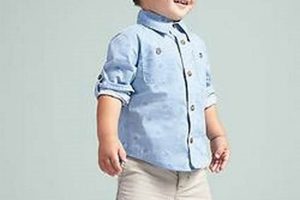
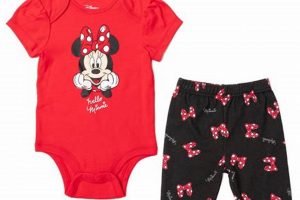
The selection of attire for an infant female’s initial journey from the hospital to her residence is a significant decision for many parents. This carefully chosen ensemble often marks the beginning of a child’s life outside of the medical environment and represents a symbolic welcome into the family. Examples of such outfits might include a soft cotton onesie, a delicate knit sweater, a coordinating hat, and booties designed for comfort and warmth.
The practice of selecting a special outfit for this occasion carries emotional weight, providing parents with an opportunity to express their joy and anticipation. Historically, these outfits have reflected prevailing fashion trends and societal expectations regarding infant presentation. Beyond aesthetics, practical considerations such as weather conditions and ease of dressing are paramount, ensuring the newborn’s well-being during transit. The choice also allows for the creation of lasting memories captured through photographs and keepsakes.
Subsequent sections will delve into the factors influencing outfit selection, explore popular style choices, provide guidance on material selection for optimal comfort, and offer tips for capturing memorable photographs of this special event. The information aims to assist parents in making informed decisions regarding this significant purchase.
Selection Guidance
The following advice aims to inform decision-making when choosing appropriate attire for a newborn female’s initial homecoming.
Tip 1: Prioritize Comfort: Opt for fabrics such as 100% cotton or bamboo, known for their softness and breathability, minimizing potential skin irritation.
Tip 2: Consider Seasonal Appropriateness: Adjust the outfit based on the prevailing weather conditions. In cooler months, layering with a sweater or blanket is advisable, while lighter, breathable fabrics are preferable during warmer seasons.
Tip 3: Evaluate Ease of Dressing: Garments with wide neck openings or snap closures facilitate easier dressing and diaper changes, reducing stress for both the infant and caregiver.
Tip 4: Assess Safety Features: Ensure that any embellishments, such as buttons or bows, are securely attached to prevent choking hazards. Avoid outfits with long ribbons or ties that could pose a strangulation risk.
Tip 5: Plan for Sizing: Newborn sizes typically fit infants up to approximately 7-9 pounds. Consider purchasing an outfit slightly larger to accommodate variations in birth weight and provide room for growth.
Tip 6: Coordinate with Travel Gear: Consider the car seat or carrier being used and select an outfit that allows for proper harness adjustment and does not restrict movement.
Tip 7: Simplicity in Design: While aesthetics are a consideration, prioritize practicality. Intricate designs or overly embellished outfits may be uncomfortable for the newborn.
Tip 8: Laundering Before Use: Always wash new clothing prior to the infant wearing it to remove any potential irritants or manufacturing residues.
Adhering to these guidelines ensures that the selected ensemble not only presents well but also prioritizes the newborn’s comfort, safety, and well-being during this significant transition.
The ensuing discussion will focus on popular aesthetic styles and trends relevant to this type of infant attire.
1. Soft Fabrics

The selection of soft fabrics is paramount when choosing apparel for a newborn female’s initial journey home. Given the delicate nature of infant skin, the material’s texture and composition directly impact comfort and overall well-being during this sensitive transition.
- Minimizing Irritation
The primary role of soft fabrics is to reduce the risk of skin irritation. Fabrics like 100% cotton, bamboo, and merino wool possess inherent properties that minimize friction and prevent the development of rashes or allergic reactions. Synthetic materials, unless specifically designed for sensitive skin, often lack the necessary breathability and can trap moisture, exacerbating irritation. For example, an outfit made of rough polyester could cause chafing, whereas a soft cotton onesie provides a gentle and breathable layer against the skin.
- Temperature Regulation
Soft, natural fibers contribute to effective temperature regulation. These materials allow air to circulate, preventing overheating or chilling. Cotton, in particular, is known for its ability to wick away moisture, keeping the infant dry and comfortable. Conversely, fabrics that lack breathability can lead to overheating, particularly in warmer climates. An appropriate soft fabric choice can help maintain a stable body temperature for the newborn.
- Hypoallergenic Properties
Many soft, natural fabrics exhibit hypoallergenic properties, reducing the likelihood of allergic reactions. Organic cotton, for example, is grown without the use of pesticides or synthetic fertilizers, minimizing exposure to potential irritants. Selecting materials specifically labeled as hypoallergenic is crucial for infants with sensitive skin or a history of allergies. This precaution ensures that the chosen outfit does not trigger adverse reactions.
- Enhanced Comfort and Sleep
The tactile sensation of soft fabrics contributes to a sense of comfort and security, which can promote relaxation and sleep. A garment made of a soft, plush material can create a calming effect, particularly during the initial transition to a new environment. The absence of rough seams or scratchy textures further enhances comfort, allowing the newborn to rest peacefully. Softness equates to comfort, a key consideration when creating a positive homecoming experience.
These facets underscore the critical role soft fabrics play in the selection of an appropriate homecoming ensemble for a newborn female. The choice of material directly influences comfort, safety, and overall well-being, contributing to a positive and memorable beginning.
2. Weather Suitability
Weather suitability is a critical determinant in the selection of a coming-home outfit for a newborn female. The infant’s limited capacity for thermoregulation necessitates careful consideration of environmental conditions to ensure comfort and safety during the initial journey from the hospital to the home environment.
- Temperature Management
Temperature management directly relates to the choice of fabrics and layering. In colder climates or seasons, multiple layers of breathable materials such as cotton or merino wool are essential to trap heat and prevent hypothermia. Conversely, warmer conditions require lightweight, breathable fabrics like cotton or linen to facilitate airflow and prevent overheating. Failure to account for ambient temperature can lead to either cold stress or heat stress in the newborn, both of which can have adverse physiological effects.
- Protection from Elements
Weather suitability also encompasses protection from specific environmental elements. In rainy or snowy conditions, a water-resistant outer layer may be necessary to shield the infant from moisture. Similarly, direct sunlight necessitates protective clothing and accessories, such as a wide-brimmed hat, to prevent sunburn. Exposure to wind can also contribute to heat loss, necessitating additional layers or a wind-resistant garment. The selection of appropriate protective measures is crucial to maintaining the infant’s comfort and safety.
- Fabric Weight and Breathability
The weight and breathability of fabrics directly impact the infant’s comfort level. Heavy fabrics, while providing insulation, may restrict movement and reduce airflow, leading to overheating. Lightweight fabrics offer greater breathability but may not provide sufficient insulation in colder conditions. The ideal choice involves a balance between insulation and breathability, depending on the prevailing weather conditions. For example, a lightweight cotton onesie paired with a fleece blanket may be suitable for a mild day, while a heavier wool sweater and hat would be more appropriate for colder temperatures.
- Adaptive Layering
Adaptive layering involves selecting clothing items that can be easily added or removed to accommodate changes in temperature. This approach allows caregivers to adjust the infant’s clothing based on the immediate environment, ensuring optimal comfort. For instance, a long-sleeved onesie can be paired with a light sweater and blanket, allowing layers to be removed if the temperature rises. This flexibility is particularly important during transitional seasons when temperatures can fluctuate significantly.
These considerations underscore the importance of weather suitability in the selection of a coming-home outfit. Careful attention to temperature management, protection from the elements, fabric weight and breathability, and adaptive layering is essential to ensuring the infant’s comfort, safety, and well-being during this initial transition.
3. Ease of Dressing

The concept of “ease of dressing” assumes significant importance when selecting apparel for a newborn female’s initial homecoming. Garments that facilitate quick and uncomplicated dressing procedures minimize stress for both the infant and caregiver during this delicate transition period.
- Closure Mechanisms and Design
The type and placement of closures directly impact the ease of dressing. Outfits featuring snap closures along the inseam and front of the garment allow for swift diaper changes and dressing without requiring complete removal of the attire. Similarly, envelope necklines offer ample room for maneuvering the garment over the infant’s head. Conversely, outfits with numerous small buttons or restrictive necklines can complicate the dressing process, potentially causing discomfort to the newborn. One-piece outfits with full-length zippers or snap closures exemplify designs that prioritize accessibility and convenience.
- Fabric Stretch and Flexibility
The stretch and flexibility of the fabric influence the ease with which the garment can be put on and taken off. Fabrics with inherent elasticity, such as knit cotton or blends containing spandex, allow for greater range of motion and accommodate the infant’s movements. Rigid or non-stretch fabrics can restrict movement and make dressing more challenging. An example of a fabric offering high stretch and flexibility would be a ribbed knit, which conforms to the infant’s body without constricting movement.
- Minimization of Embellishments
The presence of excessive embellishments, such as ruffles, bows, or appliqus, can impede the dressing process. These decorative elements may snag on the infant’s skin or clothing, creating friction and discomfort. Furthermore, intricate designs can complicate the process of aligning the garment correctly. Outfits with a minimalist design, devoid of unnecessary embellishments, facilitate smoother and more efficient dressing procedures.
- Accessibility for Medical Needs
In certain cases, infants may require medical monitoring or procedures shortly after birth. Outfits that provide easy access for medical personnel, such as those with strategically placed openings or closures, can minimize disruption and facilitate necessary interventions. Garments designed with snaps or zippers along the chest or back can provide access for monitoring heart rate or administering medication without requiring complete undressing. This consideration is particularly relevant for infants with specific medical needs.
The preceding facets underscore the significance of “ease of dressing” as a criterion for selecting appropriate attire for a newborn female’s initial journey home. Outfits that prioritize simple closures, flexible fabrics, minimal embellishments, and accessibility for medical needs contribute to a more comfortable and stress-free experience for both the infant and caregiver.
4. Safety Compliance

Safety compliance constitutes a non-negotiable aspect in the selection and design of apparel intended for a newborn female’s initial departure from a medical facility. The absence of adherence to established safety standards can present significant risks to the infant’s well-being. For example, garments featuring unsecured small parts, such as buttons or decorative embellishments, pose a choking hazard. Similarly, the presence of long, loose ribbons or drawstrings creates a potential strangulation risk. Regulations, such as those stipulated by the Consumer Product Safety Commission (CPSC), mandate specific safety features, including limitations on drawstring length and the secure attachment of small components, to mitigate these hazards.
The composition of materials also falls under the purview of safety compliance. Certain dyes and chemical treatments used in textile manufacturing may contain substances that can irritate or harm the infant’s delicate skin. The selection of fabrics certified as free from harmful chemicals, such as those bearing the Oeko-Tex Standard 100 label, minimizes the risk of allergic reactions or skin sensitivities. Furthermore, flame retardant treatments, while intended to enhance fire safety, may contain chemicals that pose health risks. The conscientious selection of materials that meet stringent safety criteria is paramount in safeguarding the infant’s health.
In summation, safety compliance is not merely an ancillary consideration but a fundamental requirement in the provision of appropriate attire for a newborn female’s homecoming. By adhering to established safety standards and prioritizing the selection of safe materials and design features, manufacturers and caregivers can significantly reduce the risk of injury or harm, ensuring a secure and comfortable transition for the infant. The consequences of neglecting safety compliance can be severe, underscoring the importance of vigilance and adherence to best practices in this domain.
5. Photo-Worthy Appearance

The concept of a “photo-worthy appearance” constitutes a significant, albeit often unspoken, component in the selection of a homecoming ensemble for a newborn female. The immediate post-birth period is frequently documented through photography, creating lasting visual records of the infant’s initial moments outside of the medical environment. Consequently, the chosen attire assumes a symbolic role, contributing to the aesthetic narrative captured in these images. Parental aspirations often include presenting the infant in a manner that reflects joy, health, and familial pride. An outfit deemed aesthetically pleasing, therefore, becomes a conduit for conveying these sentiments through visual representation.
The practical implications of prioritizing a photo-worthy appearance extend beyond mere aesthetics. These photographs serve as historical records, documenting a pivotal moment in the infant’s life and family history. They are frequently shared with relatives and friends, serving as an announcement of the birth and an introduction of the new family member. The selection of a visually appealing outfit can be understood as an investment in creating a positive and memorable first impression. For example, the choice of a pastel-colored outfit with delicate embellishments may be perceived as more visually appealing in photographs compared to a plain, unadorned garment. Further, the potential for these images to be included in future milestone celebrations, such as birthdays or graduations, reinforces the long-term value of a well-chosen, photo-ready ensemble.
While prioritizing a photo-worthy appearance is understandable, it is essential to maintain a balance with other critical factors, such as safety and comfort. Overly elaborate outfits or those containing potentially hazardous embellishments should be avoided, even if they are deemed aesthetically pleasing. The ultimate goal should be to select an ensemble that is both visually appealing and conducive to the infant’s well-being, ensuring that the resulting photographs reflect not only aesthetic beauty but also a commitment to responsible parenting. The confluence of these considerations represents the true essence of a well-chosen homecoming outfit.
Frequently Asked Questions
The following section addresses common inquiries regarding the selection and utilization of attire for an infant female’s initial journey home from a medical facility. The information aims to clarify concerns and provide informed guidance.
Question 1: What fabric compositions are most suitable for a newborn’s sensitive skin?
Fabrics composed of 100% organic cotton, bamboo, or merino wool are generally recommended due to their inherent softness, breathability, and hypoallergenic properties. These materials minimize the risk of skin irritation and promote comfort. Synthetic fabrics should be avoided unless specifically designed for sensitive skin and free from potentially irritating dyes or chemical treatments.
Question 2: How should one determine the appropriate size for a “baby coming home outfit girl?”
Newborn size clothing typically accommodates infants up to approximately 7-9 pounds. However, variations in birth weight necessitate careful consideration. It is advisable to select an outfit slightly larger than the anticipated birth weight to ensure a comfortable fit and allow for minor growth in the initial days. Consulting size charts provided by clothing manufacturers can further aid in the selection process.
Question 3: What safety precautions should be observed when selecting garments for a newborn?
Garments should be free from small, detachable components, such as buttons or beads, that could pose a choking hazard. Long, loose ribbons or drawstrings should be avoided due to the risk of strangulation. Fabrics should be free from harmful chemicals or dyes. Furthermore, the garment should allow for unrestricted movement and should not impede access for necessary medical monitoring or procedures.
Question 4: How can the selection of an outfit be tailored to accommodate seasonal variations in temperature?
During colder seasons, layering is essential. A base layer of breathable fabric, such as cotton, can be supplemented with additional layers of fleece or wool for insulation. Hats and booties are crucial for minimizing heat loss. In warmer seasons, lightweight, breathable fabrics are preferred. Overdressing should be avoided to prevent overheating. A lightweight cotton onesie may suffice in mild temperatures.
Question 5: Is it necessary to launder new clothing prior to the infant wearing it?
Yes, laundering new clothing prior to use is strongly recommended. This practice removes potential irritants, such as manufacturing residues, dyes, or sizing agents, that could cause skin irritation. A gentle, hypoallergenic detergent should be used, and the garments should be thoroughly rinsed to remove any traces of detergent.
Question 6: What design features contribute to ease of dressing and diaper changes?
Outfits featuring snap closures along the inseam and front of the garment facilitate swift diaper changes and dressing without requiring complete removal of the attire. Envelope necklines offer ample room for maneuvering the garment over the infant’s head. One-piece outfits with full-length zippers or snap closures exemplify designs that prioritize accessibility and convenience. Avoid garments with restrictive necklines or numerous small buttons.
These responses offer a framework for informed decision-making when selecting attire for an infant female’s initial journey home. Prioritizing safety, comfort, and practicality remains paramount.
The subsequent section will provide guidance on capturing memorable photographs of this special event.
Considerations Regarding Infant Female Homecoming Attire
The preceding discussion has explored various facets relevant to selecting attire for an infant female’s initial departure from a medical facility. Key considerations encompass safety compliance, material composition, seasonal appropriateness, ease of dressing, and the desire for a photo-worthy presentation. Each of these elements contributes to ensuring the infant’s comfort, safety, and well-being during this transition. Understanding the interplay between these factors is crucial for making informed and responsible purchasing decisions.
Ultimately, the selection of appropriate attire should reflect a commitment to prioritizing the infant’s needs above all other considerations. The enduring significance of this initial homecoming necessitates careful planning and thoughtful execution. The chosen ensemble not only provides physical comfort but also serves as a symbolic representation of parental care and anticipation for the future. Continued vigilance in adhering to safety standards and prioritizing infant well-being remains paramount.