![Adorable Baby Pageant Dress: Styles & Tips [2024]](data:image/svg+xml;base64,PHN2ZyB4bWxucz0iaHR0cDovL3d3dy53My5vcmcvMjAwMC9zdmciIHdpZHRoPSI0NzQiIGhlaWdodD0iNzAiIHZpZXdCb3g9IjAgMCA0NzQgNzAiPjxyZWN0IHdpZHRoPSIxMDAlIiBoZWlnaHQ9IjEwMCUiIHN0eWxlPSJmaWxsOiNjZmQ0ZGI7ZmlsbC1vcGFjaXR5OiAwLjE7Ii8+PC9zdmc+ "Adorable Baby Pageant Dress: Styles & Tips [2024] Baby Care 101: Essential Tips for Happy, Healthy Babies")
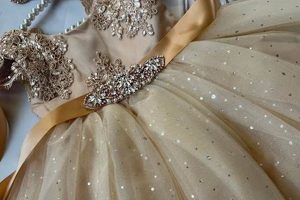
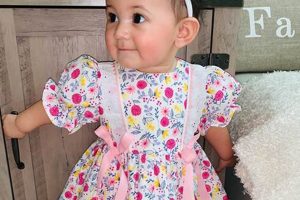
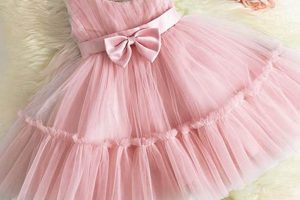
Apparel designed for infants and toddlers participating in beauty competitions commonly features embellishments such as sequins, rhinestones, and lace. These garments are often constructed from materials like satin, tulle, and chiffon. An example includes a floor-length gown adorned with intricate beading, paired with matching gloves and a tiara.
Such formal attire serves to present the child in a manner deemed aesthetically pleasing and aligns with established standards within the competitive environment. The selection of a specific style can influence the overall impression conveyed to judges. Historically, the style and complexity of these ensembles have evolved, mirroring trends in fashion and societal perceptions of childhood beauty.
The subsequent sections will delve into the considerations for selecting appropriate attire, the common design elements, and the ethical perspectives surrounding children’s participation in such events. Additionally, factors such as cost, maintenance, and the impact on child development will be examined.
Guidance on Selecting Appropriate Competition Attire for Infants
The following guidelines are designed to aid in the selection of appropriate attire for infants participating in competitive events. Prioritizing comfort and safety, while adhering to established aesthetic standards, is crucial.
Tip 1: Prioritize Comfort: Ensure the garment allows for unrestricted movement. Fabrics should be soft and non-irritating to prevent skin discomfort. Avoid materials with rough seams or excessive embellishments that may cause chafing.
Tip 2: Focus on Proper Fit: The garment should fit appropriately, neither too tight nor too loose. Ill-fitting attire can impede movement and detract from the overall presentation. Consider professional alterations for optimal fit.
Tip 3: Choose Age-Appropriate Styles: Select designs that are suitable for an infant’s age and developmental stage. Overly elaborate or mature styles can appear incongruous. Simplicity and elegance are often preferable.
Tip 4: Consider Fabric Durability: Opt for fabrics that can withstand the rigors of competition, including potential spills or stains. Durable materials will ensure the garment maintains its appearance throughout the event.
Tip 5: Evaluate Embellishment Security: Ensure all embellishments, such as beads and sequins, are securely attached to prevent detachment and potential choking hazards. Regularly inspect the garment for loose components.
Tip 6: Adhere to Competition Rules: Familiarize yourself with the specific attire guidelines outlined by the competition organizers. Non-compliance can result in disqualification. Confirm any restrictions on color, style, or embellishments.
Tip 7: Factor in Weather Conditions: Select attire that is appropriate for the expected weather conditions. Overheating or chilling can negatively impact the child’s comfort and performance. Consider breathable fabrics for warmer climates.
Selecting suitable competition attire necessitates a balance between aesthetic appeal and practical considerations. Prioritizing the infant’s comfort and safety, while adhering to event regulations, will contribute to a positive experience.
The subsequent section will examine the ethical considerations associated with infant participation in competitive events and the impact of such activities on child development.
1. Aesthetics

The aesthetic dimension of infant formal competition attire significantly influences judgment within the competitive arena. The visual impact of such garments can affect perceptions of poise, grace, and overall presentation. The choice of color, fabric, embellishments, and silhouette contributes to this aesthetic effect, creating an immediate and lasting impression on the judging panel. Example: A dress utilizing pastel colors and delicate lace may evoke a sense of innocence and purity, potentially aligning with prevailing notions of childhood beauty within the competition context.
The impact of aesthetics extends beyond mere visual appeal. It incorporates cultural values and societal expectations regarding beauty and appropriate presentation. For example, the inclusion of specific embellishments, such as rhinestones or sequins, may align with contemporary fashion trends and elevate the perceived value of the garment. However, over-embellishment or the selection of overly mature styles can detract from the overall aesthetic harmony, potentially diminishing the child’s perceived presence. The careful balancing of these aesthetic elements is therefore a crucial aspect of successful garment selection.
Ultimately, the effective application of aesthetic principles in the selection of infant formal competition attire represents a strategic attempt to influence subjective judgment. The successful blending of design elements, while respecting age appropriateness and comfort, is vital. Failure to adequately address the aesthetic dimensions can undermine the child’s competitive standing. Understanding the interplay between aesthetics and judging criteria is, therefore, essential for those involved in selecting such attire.
2. Comfort

The comfort of an infant wearing formal competition attire represents a critical, often overlooked, factor influencing their overall demeanor and performance. Ill-fitting or uncomfortable garments can cause distress, irritability, and a diminished ability to engage positively with the competition environment. The direct result of discomfort is a compromised presentation, counteracting the intended aesthetic appeal. For instance, a dress constructed from stiff fabrics and adorned with abrasive embellishments may lead to visible signs of discomfort, such as fussiness or crying, thus negating any perceived visual advantage. The importance of comfort as a component is underscored by the extended duration these garments are often worn during events.
Practical application of this understanding involves prioritizing soft, breathable fabrics like cotton or lightweight blends, particularly for the under layers of the garment. Careful attention should be paid to seam placement and embellishment application to minimize skin irritation. Design choices should favor styles that allow for a full range of motion, avoiding restrictive bodices or excessively tight waistbands. Real-world examples include designers who incorporate stretchy panels into the construction of formal wear, allowing for greater flexibility and comfort without sacrificing aesthetic appeal. Furthermore, ensuring the garment is properly sized and adjusted is crucial; a professional fitting can prevent common issues such as chafing or binding.
In conclusion, the comfort factor is not merely an ancillary consideration but an essential element that directly impacts the success of the infant’s participation. Neglecting this aspect can lead to a negative experience, undermining the purpose of the attire itself. Challenges remain in balancing aesthetic demands with the practical needs of infant comfort, requiring innovative design solutions and a greater awareness of textile properties. By prioritizing comfort, designers and caregivers can ensure that infant formal competition attire serves its intended purpose without compromising the well-being of the child.
3. Safety

The paramount importance of safety when selecting formal competition attire for infants cannot be overstated. The very young are particularly vulnerable to hazards associated with garments, necessitating rigorous attention to detail.
- Choking Hazards
Embellishments such as beads, sequins, and rhinestones present a significant choking hazard if detached from the garment. Thorough inspection prior to each wearing is mandatory. Secure attachment methods, such as reinforced stitching or non-toxic adhesives, mitigate this risk. Example: Gowns with glued-on appliques are inherently less safe than those with securely sewn embellishments.
- Suffocation Risks
Loose ribbons, sashes, or excessively long trains pose a suffocation risk, especially for infants incapable of removing them independently. Garments should be designed to minimize the presence of such components or ensure they are securely attached and of appropriate length. Example: A lengthy train dragging behind a crawling infant can easily become entangled, leading to potential suffocation.
- Skin Irritation
Certain fabrics and dyes can cause skin irritation, particularly for infants with sensitive skin. Prioritize natural, hypoallergenic materials such as cotton or silk for the lining of the garment. Avoid harsh chemical dyes and ensure all materials are flame-retardant. Example: Synthetic fabrics with rough textures can lead to rashes and discomfort, negatively impacting the child’s well-being.
- Entrapment Hazards
Intricate lacework or netting can potentially trap fingers or toes, causing discomfort or injury. Examine the garment for any areas where extremities could become entangled. Simplified designs with fewer potential entrapment points are preferable. Example: Loosely woven lace can easily ensnare tiny fingers, leading to potential lacerations or restricted circulation.
The safety of infant formal competition attire is not merely a secondary consideration; it is an essential prerequisite. Prioritizing safety through careful design choices, material selection, and rigorous inspection protocols is crucial to ensuring the well-being of the child. The allure of aesthetics should never supersede the fundamental need to protect the infant from potential harm.
4. Regulations

Governing stipulations exert a direct influence on the design and acceptability of formal attire intended for infant competitive events. These regulations, enforced by event organizers, dictate parameters encompassing style, embellishments, and overall presentation. Non-compliance results in disqualification, highlighting the critical importance of adherence. The causal relationship between regulation and garment design is evident: event stipulations shape the allowable features of the attire. For instance, some competitions prohibit attire mimicking adult formal wear, leading designers to create age-appropriate styles. The absence of stringent guidelines can invite overly sexualized or inappropriate garments, while clearly defined rules promote ethical and suitable presentation.
Real-world examples illustrate the practical significance of understanding these regulations. In jurisdictions with stricter rules, attire typically exhibits simpler designs and fewer elaborate embellishments, emphasizing the infant’s natural appearance. Conversely, events with lax regulations may feature highly embellished and stylized garments, reflecting a different aesthetic philosophy. Furthermore, regulations often address safety concerns, such as restrictions on potentially hazardous embellishments or fabric types. The effectiveness of such rules hinges on consistent enforcement and clear communication to participants. Challenges arise when regulations are ambiguous or inconsistently applied, leading to confusion and potential disputes.
In summary, regulations are an integral component affecting both the design and acceptance of formal competition attire for infants. The consequences of ignoring these rules are significant, underscoring the need for thorough understanding and strict adherence. While challenges exist in ensuring clarity and consistent application, the presence of well-defined regulations promotes fair competition and safeguards the well-being of participating infants. The connection between these rules and the attire is a direct and unavoidable factor in the competitive context.
5. Durability
The durability of infant formal competition attire is a critical, often understated, factor impacting both the economic and practical aspects of participation. The repetitive use, potential for spills and stains, and the rigors of travel associated with competitive events place significant stress on these garments. Lack of durability results in premature wear and tear, necessitating frequent replacement and escalating costs. The causal link between material quality and longevity is self-evident: inferior fabrics and construction yield garments susceptible to damage, thus undermining their usability. The importance of durability is amplified by the relatively short lifespan of infant clothing, as children rapidly outgrow their garments. Therefore, selecting durable materials extends the usable life of the attire, maximizing its value.
Practical application of this understanding involves focusing on high-quality fabrics known for their resilience, such as reinforced satin or durable tulle. Construction techniques, like double stitching and reinforced seams, further enhance a garment’s ability to withstand repeated wear and cleaning. For example, gowns incorporating stain-resistant finishes and durable linings are more likely to maintain their appearance over time, reducing the need for costly repairs or replacements. Real-world examples include families who invest in durable attire, enabling them to use the garment for multiple competitions or pass it down to younger siblings. Regular inspection and prompt repair of minor damage, such as loose seams or embellishments, also contribute to extending the garment’s lifespan.
In summary, durability is a key attribute influencing the long-term value and practicality of infant formal competition attire. Prioritizing durable materials and construction techniques mitigates the economic burden of frequent replacements, while also ensuring the garment maintains its appearance throughout its usable life. Challenges remain in balancing durability with aesthetic appeal and affordability. Recognizing the connection between durability and the overall cost of participation allows informed decisions regarding garment selection, ensuring a positive and sustainable investment.
6. Cost

The financial investment associated with infant formal competition attire represents a substantial consideration for participants. The pricing spectrum spans from mass-produced, budget-friendly options to bespoke creations utilizing premium materials and intricate detailing. This expenditure exerts a direct influence on accessibility and participation rates, potentially creating disparities among competitors. The causal relationship between garment cost and perceived value is often, though not always, a factor influencing judging outcomes. For instance, attire incorporating genuine Swarovski crystals or hand-sewn embellishments typically commands a higher price point than garments utilizing synthetic alternatives.
The practical implications of this financial burden extend beyond the initial purchase price. Ongoing expenses, such as professional cleaning, alterations, and accessory acquisition, further amplify the total cost of participation. Real-world examples include families dedicating significant portions of their disposable income to ensure their child’s attire aligns with prevailing competitive standards. The prevalence of online marketplaces offering pre-owned or rented competition attire illustrates an attempt to mitigate these escalating costs. Designers are also responding to market demand by offering more affordable options without compromising aesthetic appeal. However, ethical considerations arise when cost-cutting measures compromise garment quality or labor practices.
The cost of infant formal competition attire is therefore a complex factor, affecting accessibility, influencing perceptions, and shaping the overall competitive landscape. While efforts to reduce expenses exist, the financial commitment remains a significant barrier for many aspiring participants. A comprehensive understanding of this dynamic is crucial for promoting equitable participation and addressing potential economic disparities within the competitive arena. The challenge lies in balancing aesthetic expectations with budgetary constraints, ensuring that the emphasis remains on the child’s well-being and enjoyment rather than the financial investment in their attire.
7. Presentation

Presentation, as it relates to infant formal competition attire, encompasses the overall visual impression conveyed to judges and the audience. This extends beyond the mere aesthetics of the garment to include factors such as the child’s posture, demeanor, and the cohesive integration of accessories. A well-chosen and impeccably fitted garment contributes significantly to a positive presentation, enhancing the perceived appeal and competitive standing of the participant. Conversely, even an expensive or elaborately designed garment can fail to achieve its intended effect if poorly fitted, mismatched with accessories, or if the child appears uncomfortable or distressed. For example, a satin gown adorned with sequins loses its luster if the child wearing it appears unhappy or is constantly adjusting the garment due to discomfort.
The practical application of this understanding necessitates a holistic approach to preparation. This includes ensuring the garment is professionally fitted to the child’s measurements, selecting accessories that complement the overall aesthetic without overwhelming the child’s features, and preparing the child to display a positive and engaging demeanor. Further considerations include grooming, posture training (where developmentally appropriate), and strategies for managing stage fright or anxiety. Effective presentation, therefore, requires a collaborative effort involving designers, caregivers, and, to the extent possible, the child themselves. An example of this holistic approach is a scenario where the formal wear selection includes preparatory coaching on stage presence and expression, ultimately yielding a harmonious and impactful appearance.
In summary, presentation is an essential, multifaceted component of infant formal competitive events, significantly influencing the overall impression conveyed to judges. The effective integration of garment aesthetics, appropriate accessories, and a positive demeanor contributes directly to a successful outcome. Challenges persist in achieving this balance, particularly given the developmental limitations of infants. Prioritizing the child’s comfort and well-being, while striving for a polished and engaging presentation, remains paramount. This understanding reinforces the imperative for ethical considerations in infant competitive events, ensuring that the emphasis remains on positive experiences and healthy child development.
Frequently Asked Questions
The following questions address common concerns regarding the selection, use, and ethical implications of formal attire intended for infants participating in competitive events.
Question 1: What constitutes an appropriate level of embellishment for attire intended for infants?
An appropriate level of embellishment should be age-appropriate, minimizing the risk of choking hazards or skin irritation. Overly elaborate designs or excessive ornamentation are generally discouraged. Emphasis should be placed on simple, elegant designs that complement the infant’s natural features.
Question 2: How does one balance aesthetic appeal with the comfort and safety needs of an infant?
Balancing these factors necessitates careful material selection, favoring soft, breathable fabrics and secure attachment methods for embellishments. Design choices should prioritize freedom of movement and minimize potential irritants. Regular inspection of the garment for loose components is crucial.
Question 3: What recourse is available if an event organizer’s attire regulations are perceived as overly restrictive or biased?
In instances where attire regulations appear biased or overly restrictive, formal communication with event organizers is recommended. Documented concerns, presented in a professional manner, may prompt reconsideration of existing rules. Legal counsel should be sought if discriminatory practices are suspected.
Question 4: How can the environmental impact of infant formal competition attire be mitigated?
Mitigating the environmental impact can be achieved through selecting garments constructed from sustainable materials, promoting responsible disposal practices, and supporting designers committed to ethical production methods. Renting or purchasing pre-owned attire represents another viable strategy.
Question 5: What are the psychological implications of dressing infants in highly stylized formal attire for competitive events?
Psychological implications warrant careful consideration. Concerns exist regarding the potential for objectification, the imposition of unrealistic beauty standards, and the reinforcement of materialistic values. Prioritizing the child’s emotional well-being and fostering a positive self-image is paramount.
Question 6: What alternative attire options exist that promote both aesthetic appeal and child-centered values?
Alternative options include garments that emphasize natural fabrics, age-appropriate designs, and freedom of movement. Focus should be placed on attire that celebrates the child’s individuality and promotes a sense of comfort and confidence, rather than adhering to narrowly defined beauty ideals.
The selection of formal competition attire for infants demands a nuanced approach, balancing aesthetic considerations with ethical concerns and prioritizing the child’s well-being.
The subsequent section will explore emerging trends and innovations in the design and production of formal attire intended for infant competitive events.
Conclusion
The preceding analysis has explored the multifaceted dimensions of the term “baby pageant dress,” encompassing aesthetic considerations, comfort and safety imperatives, regulatory compliance, durability and cost implications, and the broader context of presentation within competitive environments. It has highlighted the often competing priorities inherent in selecting appropriate attire, emphasizing the necessity of balancing visual appeal with the ethical obligation to prioritize the well-being and developmental needs of the child.
The continued prevalence of such garments within the competitive circuit necessitates ongoing critical evaluation of their impact. It is incumbent upon all stakeholdersdesigners, caregivers, and event organizersto engage in informed decision-making that safeguards the best interests of participating infants and promotes responsible practices within this niche market. The enduring legacy of the ‘baby pageant dress’ will be determined by the degree to which ethical considerations guide its design, selection, and utilization.