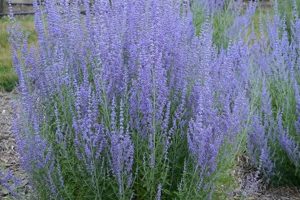
A plant exhibiting delicate, light-azure blossoms evokes a sense of tranquility and visual appeal. These blooms, often small and clustered, contribute to diverse ecosystems and horticultural practices. Examples include certain varieties of forget-me-nots (Myosotis), blue flax (Linum lewisii), and some cultivars of hydrangeas. Their color is a significant characteristic.
The aesthetic value of such flora lies in its calming influence and ability to complement various color palettes in garden designs. Historically, specific species have been associated with symbolism of remembrance, faithfulness, and affection. The gentle hue is believed to promote relaxation and reduce stress. Furthermore, the presence of these plants can attract pollinators, enhancing biodiversity in local environments.
Understanding the specific characteristics, cultivation requirements, and regional variations of plants with this particular coloration is essential for gardeners, botanists, and enthusiasts. The subsequent discussion will delve into specific species, optimal growing conditions, and the impact of soil composition on the vibrancy and longevity of these attractive botanical specimens.
Cultivation Considerations for Azure-Hued Blooms
Successful propagation of plants displaying light-blue blossoms necessitates careful attention to several environmental and horticultural factors. Optimizing these conditions ensures vibrant coloration and robust growth.
Tip 1: Soil Acidity Management: Soil pH directly influences the availability of aluminum ions, which are crucial for producing blue pigments in certain species, such as hydrangeas. Lowering the pH to between 5.5 and 6.0, through the addition of sulfur or aluminum sulfate, can intensify the blue coloration.
Tip 2: Sunlight Exposure: While most flowering plants require adequate sunlight, excessive direct sun can scorch delicate petals and fade the blue hue. Providing partial shade, particularly during the hottest part of the day, is beneficial. Eastern or northern exposures are often ideal.
Tip 3: Watering Practices: Consistent moisture is essential, but overwatering can lead to root rot. Ensure proper drainage by planting in well-draining soil and monitoring soil moisture levels. Avoid allowing the soil to become waterlogged.
Tip 4: Fertilizer Selection: Opt for fertilizers low in phosphorus, as high phosphorus levels can inhibit the uptake of aluminum and diminish the intensity of the blue color. A balanced fertilizer with a higher potassium content promotes healthy flowering.
Tip 5: Variety Selection: Certain cultivars are inherently predisposed to producing more intense blue flowers than others. Researching and selecting varieties known for their color retention and vibrancy is crucial. Consider ‘Victoria’ forget-me-nots or specific hydrangea cultivars marketed for their blue blooms.
Tip 6: Protecting from Frost: Delicate blossoms are susceptible to frost damage. Protecting plants from late spring frosts through the use of row covers or moving potted specimens indoors can preserve the integrity of the flowers.
Tip 7: Regular Pruning: Deadheading spent flowers encourages continued blooming and prevents the plant from diverting energy into seed production. Pruning should be performed according to the specific needs of the plant species.
By adhering to these guidelines, gardeners can optimize the growing conditions for plants bearing light-blue flowers, thereby ensuring a visually appealing and thriving floral display.
The subsequent sections will address common pests and diseases affecting these plants and strategies for effective management, contributing to the long-term health and beauty of the garden.
1. Color genetics

Floral coloration, specifically the manifestation of light-blue hues, is fundamentally governed by the genetic makeup of the plant. The presence and expression of specific genes determine the production and accumulation of pigments responsible for the observed color.
- Anthocyanin Production
Anthocyanins are a class of water-soluble pigments primarily responsible for blue, purple, and red colors in flowers. The specific type and concentration of anthocyanins, dictated by genetic factors, determine the precise shade of blue. For instance, the presence of delphinidin-based anthocyanins is often associated with blue coloration.
- Modifying Genes and Co-pigmentation
The expression of genes that modify anthocyanin structure or stability significantly impacts the final floral color. Co-pigmentation, where colorless compounds interact with anthocyanins, can shift the hue towards bluer shades. Genes encoding enzymes involved in these modification processes are critical determinants of light-blue coloration.
- Vacuolar pH Regulation
The pH within the vacuoles of petal cells influences the stability and color of anthocyanins. Genes regulating the transport of protons and other ions into and out of the vacuole play a crucial role in maintaining the appropriate pH for blue pigment expression. A slightly acidic to neutral vacuolar pH is typically required for stable blue coloration.
- Genetic Mutations and Color Variation
Mutations in genes involved in any of the aforementioned processes can lead to variations in floral color, potentially resulting in lighter or darker shades of blue, or even shifts to different colors altogether. These mutations provide insights into the genetic pathways controlling pigment biosynthesis and regulation.
The interplay of these genetic factors underscores the complexity of achieving and maintaining the desired light-blue hue in floral displays. Understanding these genetic mechanisms allows for targeted breeding strategies to enhance and stabilize the “baby blue flower” characteristic, as well as for studying the fundamental principles of plant color genetics.
2. Pollinator attraction

The allure of specific flora to pollinators is a critical aspect of plant reproduction and ecosystem maintenance. Floral characteristics, including color, scent, and morphology, play a significant role in attracting various pollinator species. The occurrence of light-blue flowers, while less common than other hues, holds particular significance in attracting a specific range of pollinators.
- Bee Vision and Blue Reflectance
Bees possess trichromatic vision, sensitive to ultraviolet, blue, and green light. They exhibit a strong attraction to blue and purple hues. Light-blue flowers often exhibit high reflectance in the blue and ultraviolet spectrum, making them highly visible to bees. This visual signal aids bees in locating nectar and pollen resources. For example, species of Salvia and Echium with light-blue flowers are highly attractive to various bee species. The implications extend to plant reproduction, as enhanced bee visitation increases pollination success.
- Scent Profiles and Pollinator Specificity
Floral scent complements visual cues in attracting pollinators. While light-blue flowers may not always possess intensely fragrant profiles, the specific scent compounds produced can attract particular pollinator guilds. For instance, certain light-blue Myosotis species release volatile organic compounds (VOCs) that are attractive to specific bee species. The composition of these VOCs, even in subtle quantities, contributes to pollinator specificity, influencing which insects visit the flowers.
- Floral Morphology and Access to Rewards
The shape and structure of light-blue flowers can further influence pollinator attraction by facilitating access to nectar and pollen. Tubular or bell-shaped light-blue flowers, such as those found in some Campanula species, are ideally suited for long-tongued bees. These floral morphologies allow specific pollinators to efficiently access the floral rewards, increasing the likelihood of pollen transfer. This morphological adaptation fosters co-evolutionary relationships between plants and their preferred pollinators.
- Ecological Context and Pollinator Availability
The surrounding ecological context influences the effectiveness of light-blue flowers in attracting pollinators. In environments where blue-reflective resources are scarce, light-blue flowers may experience heightened pollinator visitation due to their relative rarity. However, the presence of competing floral resources with more attractive traits could diminish the attractiveness of light-blue blooms. The availability of specific pollinator species in the region further dictates the effectiveness of the floral display.
In summary, the attraction of pollinators to light-blue flowers is a multifaceted phenomenon influenced by visual cues, scent profiles, floral morphology, and ecological context. The interplay of these factors determines the effectiveness of light-blue blooms in attracting specific pollinator species and facilitating plant reproduction. Consequently, the prevalence of these blooms can shape the composition of local pollinator communities and influence ecosystem dynamics.
3. Soil pH influence

Soil pH exerts a significant influence on the coloration of certain plants bearing light-blue blossoms, most notably within the Hydrangea genus. The underlying mechanism involves the availability and uptake of aluminum ions in the soil, which are essential for the development of blue pigments within the flower petals. Acidic soil conditions (pH below 7) increase the solubility of aluminum, facilitating its absorption by the plant. This absorbed aluminum then complexes with anthocyanins, the pigments responsible for floral color, resulting in the characteristic blue hue. In contrast, alkaline soil conditions (pH above 7) reduce aluminum solubility, hindering its uptake and favoring the production of pink or red flowers in susceptible Hydrangea varieties. The precise shade and intensity of the blue color are thus directly correlated with the soil’s acidity level and the consequent aluminum availability.
The practical implications of this relationship are substantial for horticulture and landscaping. Gardeners can manipulate soil pH to control the floral color of Hydrangea plants. Amending the soil with acidic materials, such as sulfur or aluminum sulfate, effectively lowers the pH and promotes blue coloration. Conversely, the addition of lime or wood ash raises the pH, inhibiting aluminum uptake and favoring pink or red hues. Several commercial products are available specifically designed to adjust soil pH for Hydrangea cultivation. Moreover, soil testing provides a reliable method for determining the existing pH level and guiding appropriate amendments to achieve the desired floral color. These methods allow for tailored control.
Understanding the connection between soil pH and floral color in light-blue-flowered plants underscores the importance of soil management in horticulture. While this phenomenon is most pronounced in Hydrangea, soil pH also affects the availability of other essential nutrients for plant growth, influencing overall health and vigor. The challenge lies in accurately assessing soil conditions and implementing targeted amendments to optimize both pH and nutrient levels, thereby promoting vibrant floral coloration and robust plant development. Further research into the genetic and biochemical pathways involved in aluminum uptake and anthocyanin synthesis may lead to even more precise control over floral color in the future.
4. Cultural Symbolism

Floral symbolism has permeated cultures globally, with specific flowers and colors imbued with distinct meanings and associations. Plants exhibiting light-blue blossoms are no exception, carrying nuanced cultural significance that varies across societies and historical periods. Understanding these symbolic associations provides insight into how these flowers are perceived and utilized in various cultural contexts.
- Remembrance and Memory
Light-blue flowers, particularly forget-me-nots ( Myosotis), are frequently associated with remembrance, loyalty, and enduring affection. This symbolism is rooted in folklore and historical events where these flowers were used as tokens of remembrance during farewells or to honor deceased loved ones. The color itself evokes feelings of tranquility and nostalgia, reinforcing the connection with memory. In some cultures, wearing or displaying forget-me-nots signifies a promise not to forget someone or something important.
- Peace and Tranquility
The soft, serene hue of light-blue flowers often symbolizes peace, tranquility, and calmness. This association stems from the color’s psychological effect, which is known to promote relaxation and reduce stress. Light-blue flowers are frequently incorporated into environments designed to evoke a sense of serenity, such as meditation gardens or spas. Their presence is believed to create a harmonious atmosphere, contributing to a feeling of emotional well-being. The specific examples are evident in Japanese gardens.
- Hope and New Beginnings
In certain cultural traditions, light-blue flowers symbolize hope, new beginnings, and optimism. This symbolism is particularly prevalent in springtime celebrations, where the appearance of these flowers represents the renewal of life and the promise of a brighter future. The color’s association with the sky and open spaces further reinforces the idea of limitless possibilities and fresh starts. These flowers may be given as gifts to symbolize good wishes for future endeavors.
- Spirituality and Divinity
The association of light-blue with spirituality and the divine is found in numerous cultures. Light-blue is linked to the heavens. In artistic renditions, light-blue flowers represent spiritual aspiration, inner peace, and connection to a higher power. This symbolism adds a layer of depth to the floral meaning.
These multifaceted symbolic associations underscore the cultural significance of light-blue flowers. Whether representing remembrance, tranquility, hope, or spirituality, these blooms carry meanings that resonate deeply within human societies. Their continued use in cultural traditions and symbolic expressions reflects the enduring power of flowers to communicate complex emotions and ideas.
5. Species variation

The manifestation of light-blue floral coloration exhibits considerable variation across different plant species. This diversity arises from a combination of genetic, environmental, and evolutionary factors, resulting in a wide spectrum of blue hues, floral morphologies, and ecological adaptations. Investigating species variation provides a comprehensive understanding of the breadth and complexity of light-blue flower characteristics.
- Pigment Composition and Shade Differences
The specific types and concentrations of anthocyanin pigments differ substantially among plant species. Some species, such as certain varieties of Delphinium, produce intense, saturated blue hues due to the accumulation of delphinidin-based anthocyanins. Others, like some Myosotis cultivars, exhibit paler, more muted light-blue shades due to variations in pigment concentration or the presence of modifying compounds. These compositional differences contribute to the observed diversity in light-blue floral shades.
- Floral Morphology and Pollinator Interactions
Floral morphology, including shape, size, and arrangement of petals, varies widely across species displaying light-blue flowers. Species with tubular or bell-shaped flowers, such as Campanula, are adapted for pollination by long-tongued bees, while those with open, disc-shaped flowers, like some Linum species, attract a broader range of pollinators, including bees and butterflies. This morphological diversity reflects adaptations to specific pollination syndromes, influencing the reproductive success of different species.
- Environmental Adaptation and Geographic Distribution
Species with light-blue flowers exhibit diverse adaptations to different environmental conditions, leading to variations in their geographic distribution. Some species, such as Echium vulgare, are drought-tolerant and thrive in arid environments, while others, like Gentiana verna, are adapted to alpine conditions. These adaptations are reflected in their physiological traits, such as leaf morphology, root structure, and flowering time, contributing to their survival and persistence in specific habitats.
- Genetic Diversity and Evolutionary Relationships
Genetic diversity within and among species contributes to the observed variation in light-blue floral characteristics. Closely related species may exhibit subtle differences in flower color or morphology due to genetic drift or selection pressures. Phylogenetic studies, such as those that examine species within the Boraginaceae or Polemoniaceae families, provide insights into the evolutionary relationships among light-blue-flowered species and the genetic mechanisms underlying their shared traits.
The observed species variation in light-blue flower traits underscores the evolutionary flexibility and adaptive capacity of flowering plants. This diversity is a valuable resource for horticultural breeding, conservation efforts, and scientific research aimed at understanding the genetic and ecological factors that shape floral evolution. Further investigation into the genomic and physiological mechanisms underlying species variation will continue to enhance the understanding of the light-blue flower characteristics and their role in the natural world.
Frequently Asked Questions Regarding Light-Blue Flora
This section addresses common inquiries and clarifies prevalent misconceptions associated with plants exhibiting light-blue blossoms.
Question 1: Are all flowers described as “baby blue” genetically related?
No, plants referred to as “baby blue” do not necessarily share close genetic relationships. The light-blue coloration can arise independently in diverse plant families due to convergent evolution or artificial selection for similar aesthetic traits.
Question 2: What is the primary cause of fading in light-blue flowers?
Exposure to intense sunlight and elevated temperatures are major contributors to fading in light-blue flowers. Ultraviolet radiation can degrade the anthocyanin pigments responsible for the blue coloration, leading to a loss of vibrancy.
Question 3: Can light-blue flowers change color after being cut?
Yes, some light-blue flowers may exhibit color changes after being cut due to shifts in pH or enzymatic reactions within the petal tissues. The specific outcome depends on the species and the surrounding environmental conditions.
Question 4: Are light-blue flowers inherently more difficult to cultivate than other colors?
Not necessarily. Cultivation difficulty varies by species, not solely by flower color. While specific requirements exist for certain light-blue-flowered plants, many are relatively easy to grow with proper care and attention to soil conditions.
Question 5: Do all “baby blue” flowers attract the same pollinators?
No, although many attract bees due to their visual spectrum, “baby blue” flowers can attract a variety of pollinators, depending on scent, shape, and location.
Question 6: Are light-blue flowers toxic to humans or animals?
The toxicity of light-blue flowers varies significantly by species. Some may be non-toxic, while others contain compounds that can cause skin irritation or gastrointestinal distress if ingested. It is crucial to identify the specific plant species and research its toxicity before handling or consuming it.
Understanding these aspects of “baby blue” flowers allows for more appropriate cultivation.
The article will proceed with “baby blue” flower information.
Concluding Remarks on Plants with Light-Blue Blossoms
This exploration has illuminated the various facets of plants displaying light-blue flowers, underscoring their aesthetic appeal, ecological significance, and cultural relevance. The examination encompassed genetic determinants of floral color, mechanisms of pollinator attraction, the influence of soil pH, symbolic associations, and the spectrum of species variation. Each aspect contributes to a more complete appreciation of these unique botanical specimens.
Continued research into the intricate biological processes governing floral coloration, combined with responsible horticultural practices, will ensure the preservation and enjoyment of these plants for generations to come. The delicate balance between scientific inquiry and environmental stewardship remains crucial for maintaining biodiversity and fostering a deeper understanding of the natural world. Further investigations could uncover novel applications in fields ranging from pigment engineering to conservation biology, solidifying the importance of continued study.