A luxuriously soft and lightweight covering crafted from the delicate undercoat fibers of cashmere goats, specifically designed for infants and young children, offers exceptional warmth and comfort. These items often serve as cherished heirlooms, embodying both practicality and sentimental value.
The inherent breathability and temperature-regulating properties of the material make it ideal for sensitive skin, minimizing the risk of overheating and promoting restful sleep. Historically, textiles made from these fine fibers have been associated with affluence and superior quality, signifying a commitment to providing the best for the child’s well-being. Their durability ensures longevity, making them a worthwhile investment.
Subsequent sections will delve into the sourcing and production processes, explore care and maintenance recommendations, and provide guidance on selecting an appropriate product based on specific needs and preferences, ensuring informed consumer choices.
Practical Guidance on Purchasing and Maintaining a Premium Infant Covering
The following recommendations aim to provide clarity when considering an investment in a high-quality textile product designed for infants, focusing on aspects of selection, care, and responsible usage.
Tip 1: Verify Fiber Authenticity. Examine product labels for clear indications of 100% cashmere content. Reputable suppliers will provide certification or documentation verifying the origin and quality of the fibers. Be wary of blends or unsubstantiated claims.
Tip 2: Prioritize Gentle Dyes. Opt for products utilizing low-impact, non-toxic dyes. Infants are particularly susceptible to skin irritation and allergic reactions. Look for certifications like OEKO-TEX Standard 100, which indicates testing for harmful substances.
Tip 3: Assess Stitch Quality. Carefully inspect the knit or weave construction. A tight, even stitch indicates superior craftsmanship and contributes to the product’s durability and resistance to pilling. Avoid items with loose threads or uneven tension.
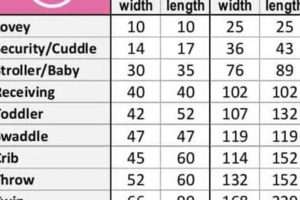
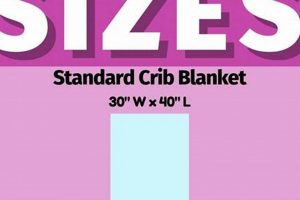
Tip 4: Consider Weight and Size. Select a weight appropriate for the climate and intended use. A lighter weight is preferable for warmer months, while a slightly heavier weight may be more suitable for colder environments. Ensure the dimensions are adequate to provide coverage without posing a suffocation hazard.
Tip 5: Implement Proper Cleaning Procedures. Hand washing in cool water with a gentle detergent specifically formulated for delicate fibers is recommended. Avoid harsh chemicals, bleach, and excessive agitation. Lay flat to dry, away from direct sunlight or heat sources.
Tip 6: Practice Responsible Usage. Never leave an infant unattended with a covering that could pose a suffocation risk. Monitor the infant’s temperature to prevent overheating. Regularly inspect for signs of wear and tear, such as holes or loose threads, which could become hazardous.
Tip 7: Store Properly. When not in use, store in a breathable cotton or linen bag to protect from moths and dust. Avoid storing in plastic containers, which can trap moisture and promote mildew growth.
Adherence to these guidelines ensures the longevity and safety of the item, maximizing its value and minimizing potential risks associated with infant textile products.
The subsequent sections will explore related textile options and address frequently asked questions concerning the proper care and handling of these valuable goods.
1. Softness

The tactile attribute of “softness” is paramount in the context of textiles intended for infant use. Its impact on comfort, well-being, and acceptance by the infant necessitates careful consideration when evaluating product suitability.
- Fiber Fineness and Density
The diameter of the cashmere fibers directly correlates with the perceived softness. Finer fibers, typically measuring between 14 and 19 microns, create a smoother, less abrasive surface. A higher density of these fine fibers further enhances the tactile experience, resulting in a more plush and luxurious feel. Products utilizing fibers at the lower end of this micron range are generally considered superior in terms of softness.
- Surface Texture and Finish
The manufacturing processes employed can significantly influence the surface texture. Techniques such as napping or brushing create a raised, fluffy surface that further enhances the perceived softness. However, these processes must be carefully controlled to avoid compromising the fiber integrity or creating excessive pilling. A smooth, even finish is indicative of high-quality processing.
- Reduced Irritation Potential
The inherent softness of cashmere minimizes friction against delicate infant skin, reducing the potential for irritation, chafing, and discomfort. This is particularly important for infants with sensitive skin or those prone to eczema or other dermatological conditions. Products lacking this inherent softness may exacerbate existing skin conditions or lead to new irritations.
- Psychological Comfort and Security
The tactile sensation of softness elicits feelings of comfort, security, and well-being. This can be particularly beneficial for infants, promoting relaxation, reducing anxiety, and facilitating sleep. A soft, comforting textile can serve as a transitional object, providing a sense of familiarity and security in unfamiliar environments.
These facets demonstrate the complex interplay between material properties, manufacturing processes, and the resulting tactile experience. The selection of textile products for infants requires a discerning assessment of these factors to ensure optimal comfort, safety, and well-being.
2. Warmth

The provision of adequate thermal insulation is a critical function of any covering intended for infant use. Cashmere, due to its unique fiber structure, excels in retaining body heat while simultaneously allowing for breathability, mitigating the risk of overheating. The crimped nature of the fibers creates numerous air pockets, which act as insulators, trapping warm air close to the body. This inherent thermal efficiency makes it a suitable material for maintaining a comfortable and stable body temperature in infants, particularly during periods of sleep or in colder environments. The level of warmth provided is directly proportional to the thickness and density of the knit or weave, requiring careful consideration of the ambient temperature and the infant’s individual thermal needs.
For instance, premature infants, who are often unable to regulate their body temperature effectively, benefit significantly from the consistent warmth provided by such materials. Similarly, during winter months, the insulating properties of the material help to prevent heat loss and maintain a stable core temperature, reducing the risk of hypothermia. However, it is crucial to avoid overdressing the infant, as excessive warmth can lead to discomfort, restlessness, and an increased risk of Sudden Infant Death Syndrome (SIDS). Parents and caregivers must monitor the infant’s temperature regularly and adjust the layering of clothing and coverings accordingly. The practical significance of this understanding lies in the ability to make informed decisions about the appropriate use of these items, ensuring the infant’s thermal comfort and safety.
In summary, the material’s capacity to deliver warmth stems from its inherent fiber structure and manufacturing processes. Careful consideration of these factors, combined with vigilant monitoring of the infant’s thermal state, allows for the safe and effective utilization of such textiles. Challenges remain in educating caregivers about the appropriate use of such products and in developing reliable methods for assessing an infant’s thermal needs. Nevertheless, the understanding of this connection contributes to the overarching goal of promoting infant health and well-being.
3. Durability
The inherent longevity of items fashioned from these fine fibers directly correlates with its value proposition, extending beyond initial cost considerations. Durability, in this context, denotes the capacity to withstand repeated use and laundering while retaining its essential characteristics, such as softness, shape, and thermal properties. This resilience is attributed to the unique fiber structure and careful processing techniques employed during manufacturing. Substandard processing or lower-quality fibers compromise durability, resulting in premature wear, pilling, or distortion of the product. The consequences of inadequate durability include reduced usability, increased replacement costs, and potential environmental impact due to frequent disposal.
Specific examples illustrate the practical significance of durability. A carefully manufactured item, subjected to appropriate care, can withstand years of use and frequent washing, serving multiple children within a family or being passed down as a cherished heirloom. In contrast, a poorly constructed covering may exhibit signs of wear within a few months, necessitating replacement and diminishing its long-term value. Furthermore, the ability to withstand repeated cleaning cycles is crucial for maintaining hygiene and preventing the build-up of allergens, particularly important for infant products. Instances of premature degradation not only represent a financial loss but also raise concerns about the quality control processes during manufacturing.
In summary, durability is an indispensable attribute, impacting its economic value, environmental footprint, and overall suitability for infant use. Addressing challenges in ensuring consistent fiber quality and promoting responsible manufacturing practices remains paramount. Further research into sustainable production methods and consumer education regarding proper care techniques can contribute to maximizing the lifespan and minimizing the environmental impact of these textile products, aligning with broader goals of responsible consumption and sustainable development.
4. Hypoallergenic
The designation “hypoallergenic,” when applied to textile products intended for infant use, signifies a reduced likelihood of eliciting allergic reactions in susceptible individuals. The relevance of this attribute in relation to coverings stems from the enhanced sensitivity of infant skin and the potential for prolonged contact with the material.
- Fiber Structure and Allergen Binding
The smooth surface of cashmere fibers, in contrast to coarser wool varieties, offers fewer points of attachment for common allergens such as dust mites and pet dander. This reduced allergen binding capacity minimizes the likelihood of these irritants coming into contact with the infant’s skin, thereby reducing the potential for allergic reactions. Products lacking this smooth fiber structure may trap and retain allergens, increasing the risk of sensitization.
- Natural Fiber Properties and Irritant Reduction
Cashmere is a natural fiber that, when processed without harsh chemicals, exhibits inherent properties that reduce skin irritation. The absence of harsh chemical treatments minimizes the risk of allergic contact dermatitis, a common reaction to synthetic dyes and processing agents. Textile products utilizing natural, unbleached fibers are generally preferred for infants with sensitive skin or known allergies.
- Breathability and Moisture Management
The breathability of cashmere allows for efficient moisture wicking, preventing the build-up of sweat and humidity against the skin. A damp environment can exacerbate allergic reactions and promote the growth of mold and bacteria, both potential allergens. Products lacking breathability may trap moisture, creating a breeding ground for irritants and increasing the risk of skin problems.
- Ethical Sourcing and Manufacturing Processes
Hypoallergenic properties are also dependent on ethical sourcing and gentle manufacturing. Fibers obtained from goats raised in environments that minimize exposure to pesticides and pollutants are less likely to contain residual allergens. Processing techniques that avoid harsh chemicals and dyes further reduce the risk of sensitization. Transparency in sourcing and manufacturing contributes to consumer confidence in the product’s hypoallergenic claims.
The convergence of these factors fiber structure, natural properties, breathability, and ethical sourcing contributes to the overall hypoallergenic character of coverings. While no textile product can be guaranteed to be completely allergen-free, adherence to stringent sourcing and manufacturing standards minimizes the risk of allergic reactions, promoting the well-being of infants with sensitive skin. Further research into the long-term effects of textile materials on infant skin health is warranted, as are efforts to standardize hypoallergenic testing protocols.
5. Breathability
Breathability is a critical attribute in textiles intended for infant use, particularly in items such as coverings. Its significance lies in its capacity to facilitate the passage of air and moisture, mitigating the risks associated with overheating and humidity retention against the skin. The inherent characteristics of the fibers and the construction methods employed in its fabrication directly impact the item’s breathability, thereby influencing its suitability for infants.
- Fiber Structure and Air Permeability
The fine diameter and crimped structure of cashmere fibers create microscopic air pockets within the fabric. These air pockets enhance air permeability, allowing for the efficient exchange of air between the infant’s skin and the surrounding environment. Enhanced air circulation promotes the evaporation of moisture, preventing the build-up of sweat and reducing the risk of skin irritation. Conversely, tightly woven fabrics with less porous fiber structures impede air flow, potentially leading to overheating and discomfort.
- Moisture Wicking Properties
Effective moisture management is intrinsically linked to breathability. The ability of cashmere to wick moisture away from the skin contributes to maintaining a dry and comfortable microclimate. This is particularly important for infants, who may be prone to sweating, especially during sleep. Fabrics with poor moisture-wicking capabilities trap perspiration against the skin, creating a breeding ground for bacteria and exacerbating skin conditions such as eczema.
- Temperature Regulation
The breathable nature of cashmere facilitates effective temperature regulation, preventing overheating in warmer conditions and providing insulation in cooler environments. This thermoregulatory capacity is essential for maintaining a stable body temperature in infants, who have a limited ability to regulate their own temperature. Fabrics that impede air circulation can lead to overheating, increasing the risk of heat rash and discomfort, while those that allow excessive heat loss may contribute to hypothermia.
- Construction Techniques and Weave Density
The weave density and construction techniques employed in the fabrication of the material influence its breathability. Loosely woven fabrics with a lower thread count offer greater air permeability compared to tightly woven, dense materials. Openwork patterns and knitted constructions also enhance breathability by creating larger air channels within the fabric structure. Careful consideration of these construction elements is essential for optimizing the item’s thermoregulatory properties.
The integration of these elements fiber structure, moisture-wicking capabilities, temperature regulation, and construction techniques collectively determines the overall breathability, influencing its suitability for infant use. The careful selection of products with appropriate breathable characteristics is crucial for promoting infant comfort, preventing overheating, and minimizing the risk of skin irritation, ensuring a safe and comfortable environment for the infant.
6. Investment
The acquisition of a product crafted from the aforementioned material represents a financial commitment that extends beyond the immediate purchase price. It is an investment in quality, durability, and the well-being of the infant. The initial outlay is typically higher compared to coverings made from synthetic or less expensive natural fibers. However, the long-term value lies in the product’s ability to withstand repeated use and laundering without significant degradation, potentially serving multiple children or being preserved as a family heirloom. A poorly constructed or lower-quality alternative may require more frequent replacement, offsetting any initial cost savings. Thus, the concept of investment encompasses not only monetary expenditure but also the anticipated lifespan and continued utility of the item.
The investment aspect also extends to the ethical and environmental considerations associated with responsible sourcing and manufacturing practices. Products from reputable suppliers often adhere to higher standards of animal welfare and environmental sustainability, minimizing the negative impact on cashmere goat populations and ecosystems. Supporting these practices through purchasing decisions contributes to a more sustainable and ethical textile industry. Conversely, the pursuit of lower prices may inadvertently support unethical labor practices or environmentally damaging production methods. The choice, therefore, involves a trade-off between immediate cost savings and the long-term societal and environmental consequences.
In summary, the association with investment is multifaceted, encompassing the financial outlay, the product’s longevity, and the ethical considerations inherent in its production. The decision to acquire such an item involves a comprehensive assessment of these factors, weighing the immediate costs against the long-term benefits and societal impact. Addressing challenges in transparency within the supply chain and promoting consumer awareness of ethical and sustainable practices remain crucial for maximizing the value and minimizing the negative consequences associated with this investment.
Frequently Asked Questions
The following section addresses common inquiries and misconceptions regarding high-quality infant textile products, providing clarity on their usage, care, and sourcing.
Question 1: What are the specific benefits for infants compared to other materials, such as cotton or synthetic fabrics?
The material’s superior softness minimizes skin irritation, while its breathability reduces the risk of overheating. Additionally, its temperature-regulating properties provide warmth in colder environments and prevent excessive heat retention in warmer climates, qualities not consistently found in cotton or synthetic alternatives.
Question 2: How can consumers verify the authenticity and quality, given the prevalence of mislabeled or counterfeit products?
Consumers should seek products with certifications from reputable organizations, such as the Cashmere and Camel Hair Manufacturers Institute (CCMI). Scrutinize product labels for clear indications of 100% cashmere content and inquire about the origin of the fibers. Be wary of excessively low prices, as they may indicate inferior quality or fraudulent labeling.
Question 3: What are the recommended washing and care procedures to maintain the integrity of the product over time?
Hand washing in cool water with a gentle detergent specifically formulated for delicate fibers is recommended. Avoid harsh chemicals, bleach, and excessive agitation. Lay flat to dry, away from direct sunlight or heat sources. Proper storage in a breathable cotton or linen bag further prolongs the product’s lifespan.
Question 4: Are there any potential safety hazards associated with their use, and how can these risks be minimized?
Potential hazards include suffocation if the covering is too large or loosely placed in the crib. Ensure the dimensions are appropriate and avoid leaving an infant unattended with a covering that could obstruct breathing. Regularly inspect for signs of wear and tear, such as holes or loose threads, which could become choking hazards.
Question 5: What are the ethical considerations surrounding sourcing, particularly concerning animal welfare and environmental impact?
Ethical sourcing involves ensuring that cashmere goats are raised in humane conditions and that shearing practices are conducted without causing harm or distress. Environmental considerations include minimizing water usage, reducing chemical inputs, and implementing sustainable land management practices. Consumers should support brands that prioritize transparency and traceability in their supply chains.
Question 6: What is the typical lifespan of a properly cared-for item, and what factors influence its longevity?
With proper care, a well-constructed product can last for many years, potentially even decades. Factors influencing longevity include fiber quality, manufacturing techniques, washing frequency, and storage conditions. Regular maintenance and careful handling are essential for maximizing its lifespan.
These answers aim to provide a comprehensive understanding of relevant considerations, empowering consumers to make informed decisions and ensure the safe and responsible utilization of premium infant coverings.
The concluding section will summarize the key benefits and provide recommendations for selecting an appropriate product based on individual needs and preferences.
Baby Cashmere Blanket
This exploration has elucidated the various facets associated with items crafted from these premium fibers, ranging from the tactile comfort and thermal properties to the ethical considerations inherent in their production. Key benefits highlighted include the material’s superior softness, breathability, and durability, alongside its hypoallergenic characteristics. The responsible sourcing and manufacturing practices associated with reputable suppliers further contribute to its long-term value proposition. Careful attention to these attributes enables discerning consumers to make informed purchasing decisions, ensuring the well-being and comfort of infants.
The decision to acquire a baby cashmere blanket signifies a commitment to providing a product that is not only luxurious but also safe, sustainable, and ethically produced. Continued vigilance in verifying fiber authenticity, promoting responsible sourcing, and advocating for sustainable manufacturing practices remains crucial for ensuring the long-term integrity of the industry and maximizing the benefits for both consumers and the environment. The ongoing pursuit of innovation in textile technology and consumer education will further contribute to the responsible utilization of these valuable natural resources.