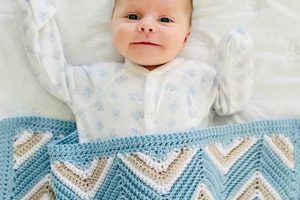
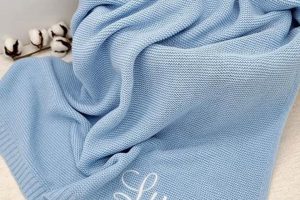
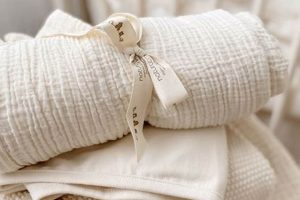
Material selection for infant coverings necessitates particular attention to texture and composition. Specifically, the fibers chosen must exhibit gentleness against delicate skin, minimizing the potential for irritation or allergic reaction. A prime example is a fine-gauge merino wool or a specialized acrylic blend, both of which offer a supple hand and are known for their hypoallergenic properties.
The judicious selection of these materials contributes significantly to the comfort and safety of the infant. Prioritizing these fibers helps regulate the baby’s body temperature, providing warmth without overheating. Historically, natural fibers like cotton were favored; however, modern advancements have yielded synthetic options that rival natural materials in softness and ease of care. The enduring importance of appropriate textiles in infant care is underscored by their direct impact on the baby’s well-being.
Therefore, subsequent sections will delve into specific fiber types suitable for such projects, considering factors such as washability, durability, and cost-effectiveness. Further discussion will focus on the appropriate stitch patterns and construction techniques that enhance the overall comfort and safety of the finished item.
Guidance on Material Selection for Infant Coverings
This section offers specific recommendations to ensure the creation of safe and comfortable infant coverings, focusing on fiber properties and construction techniques.
Tip 1: Fiber Content Verification: Scrutinize the fiber content label. Opt for materials explicitly designated as hypoallergenic or suitable for sensitive skin to minimize the risk of allergic reactions.
Tip 2: Ply and Twist Considerations: Select yarns with a tightly plied construction to reduce shedding. Loose fibers can pose a choking hazard to infants.
Tip 3: Washability Assessment: Prioritize machine-washable and dryer-safe materials to facilitate convenient and thorough cleaning, essential for maintaining hygiene.
Tip 4: Colorfastness Testing: Conduct a colorfastness test by washing a small swatch of the chosen yarn. This prevents dye bleeding, which can irritate the infants skin or stain other items.
Tip 5: Weight and Gauge Evaluation: Choose a yarn weight appropriate for the intended pattern. Lighter-weight yarns generally produce a finer, more breathable fabric suitable for infants.
Tip 6: Seam Security Reinforcement: Ensure all seams are securely fastened and reinforced to prevent unraveling. Loose ends should be carefully woven in and trimmed short.
Tip 7: Embellishment Minimization: Limit or avoid the use of small embellishments, such as buttons or beads, which present a choking hazard.
Implementing these recommendations ensures the finished covering is both comfortable and safe for the infant, minimizing potential risks associated with unsuitable materials or construction techniques.
The subsequent conclusion will consolidate the key points discussed, reinforcing the importance of informed material selection in creating optimal infant care items.
1. Fiber Composition

The relationship between fiber composition and the suitability of yarn for infant coverings is direct and consequential. Fiber type dictates the inherent softness, texture, and potential for allergic reactions. For example, yarns composed of synthetic fibers, such as acrylic, can be engineered for exceptional softness and are often hypoallergenic, making them a practical choice. Conversely, while natural fibers like certain wools possess inherent warmth and a desirable drape, they may require processing to mitigate potential itchiness or allergenicity. Therefore, the specific fiber content determines the comfort and safety profile of the resulting infant blanket.
Consider the practical implications of fiber selection. A 100% cotton yarn, while breathable and relatively soft, might lack the elasticity needed for a blanket that withstands repeated use and washing. Blends, such as cotton-acrylic mixes, can offer a compromise, combining the benefits of both fiber types. The choice extends beyond just material properties; it influences care instructions. Items made from fibers requiring delicate washing cycles might prove less practical for everyday use in infant care. The selection of the right fiber or fiber blend involves a careful balance between comfort, care, and durability.
In summary, fiber composition represents a foundational element in the creation of safe and comfortable infant blankets. While achieving optimal softness is a primary objective, considerations of washability, durability, and potential allergenicity must also be addressed. An informed understanding of fiber properties allows for the selection of yarns that are both pleasing to the touch and practical for the demands of infant care. Further exploration of yarn construction and ply will build upon these foundations.
2. Hypoallergenic Qualities

The term “hypoallergenic qualities,” when applied to yarn intended for infant coverings, denotes a critical set of characteristics designed to minimize the risk of allergic reactions. This consideration transcends mere comfort, directly addressing the potential for adverse immunological responses in infants.
- Fiber Selection and Allergenicity
The choice of fiber directly influences the allergenic potential of the yarn. Natural fibers, such as wool, contain lanolin, which can trigger allergic reactions in sensitive individuals. Processing methods can reduce, but not eliminate, this risk. Conversely, synthetic fibers like acrylic and certain types of nylon are inherently less allergenic, though additives or dyes used in their production may still pose a risk.
- Dye Composition and Sensitization
Dyes used to color yarn can be a significant source of allergens. Certain dyes, particularly those containing heavy metals or formaldehyde, are known sensitizers. Yarns labeled as “low-impact” or “natural-dyed” are generally preferable, as they utilize less harsh chemicals in the dyeing process, reducing the likelihood of skin irritation or allergic reactions.
- Manufacturing Processes and Residue
The manufacturing process itself can introduce allergens. Chemicals used in scouring, bleaching, or finishing yarn can leave residues that irritate sensitive skin. Yarns produced in facilities adhering to strict environmental standards, such as OEKO-TEX certification, are more likely to be free of harmful chemicals.
- Yarn Construction and Fiber Shedding
The construction of the yarn impacts its tendency to shed fibers. Loosely spun yarns release more fibers, increasing the risk of inhalation or ingestion by infants, potentially leading to respiratory irritation or allergic reactions. Tightly plied yarns are less prone to shedding and therefore present a lower allergenic risk.
Therefore, selecting yarn with certified hypoallergenic qualities involves a comprehensive evaluation of fiber type, dye composition, manufacturing processes, and yarn construction. Prioritizing these factors minimizes the potential for adverse reactions, ensuring the creation of safe and comfortable infant blankets. The practical outcome of adhering to these stringent criteria is a finished product that reduces the likelihood of skin irritation and promotes the well-being of the infant.
3. Washability
The characteristic of washability is paramount when selecting yarn for infant blankets. This aspect directly impacts hygiene, longevity, and practicality, given the inevitable soiling associated with infant care. Therefore, prioritizing materials that withstand frequent cleaning cycles is essential.
- Fiber Stability During Laundering
Different fibers exhibit varying degrees of stability during laundering. Natural fibers, such as untreated wool, are prone to shrinkage and felting when exposed to heat and agitation. Synthetic fibers, like acrylic, generally maintain their shape and texture more effectively. Selecting yarns specifically treated for washability ensures the blanket retains its form and softness after repeated cleaning. For example, superwash merino wool undergoes a process that renders it machine-washable without compromising its inherent softness.
- Dye Fastness and Color Retention
The ability of the yarn’s dye to resist fading or bleeding during washing is critical. Poor dye fastness results in color transfer, potentially staining other items or diminishing the blanket’s aesthetic appeal. Utilizing yarns with high color retention, achieved through specific dyeing processes, ensures the blanket maintains its vibrancy and visual integrity over time. An instance is the use of reactive dyes in cotton yarns, which create a strong bond between the dye molecules and the fiber, minimizing color loss during washing.
- Ease of Stain Removal
Infant blankets are susceptible to various stains from spills, bodily fluids, and food. Yarns with inherent stain-resistant properties or those that readily release stains during washing are advantageous. Certain synthetic fibers possess a smoother surface, preventing stains from penetrating deeply into the fibers. Furthermore, pre-treating stains before laundering enhances their removal, irrespective of fiber type.
- Drying Time and Efficiency
The time required for a blanket to dry after washing influences its practicality. Rapid drying minimizes the risk of mildew or bacterial growth, particularly in humid environments. Synthetic fibers generally dry faster than natural fibers due to their lower moisture absorption. Selecting a yarn with efficient drying properties contributes to the overall hygiene and convenience of the infant blanket.
In summary, washability encompasses multiple interconnected factors impacting the suitability of yarn for infant blankets. Consideration of fiber stability, dye fastness, stain removal, and drying time ensures the creation of a hygienic, durable, and aesthetically pleasing item. The practical benefits of selecting washable yarns are undeniable, contributing to the overall well-being and convenience of infant care.
4. Texture Softness
Texture softness is a primary determinant in assessing the suitability of yarn for infant blankets. The correlation between tactile softness and infant comfort is substantial. Exposure to rough or abrasive materials can cause skin irritation, particularly in newborns and young infants, whose epidermal layers are considerably more delicate than those of adults. Consequently, yarns lacking in texture softness are generally deemed inappropriate for crafting items intended for direct contact with a baby’s skin. For instance, a tightly spun wool yarn, despite its inherent warmth and durability, would likely be unsuitable due to its potentially coarse texture. The practical implication of prioritizing texture softness is a reduced risk of skin irritation, leading to greater infant comfort and, consequently, improved rest and well-being.
Evaluating texture softness involves considering both the inherent properties of the fiber and the yarn’s construction. Certain fibers, such as merino wool, cashmere, and bamboo, are naturally softer than others. However, even inherently soft fibers can be rendered less desirable through aggressive spinning techniques or the inclusion of abrasive elements. Examples include loosely spun yarns with protruding fibers or yarns that have undergone harsh chemical treatments. Conversely, a tightly plied yarn made from a high-quality fiber and treated with gentle finishing processes can exhibit exceptional texture softness. Practical applications of this understanding include selecting yarns specifically marketed as “baby yarns,” which are often processed to maximize softness and minimize the potential for irritation, and conducting tactile assessments of yarn samples prior to purchase.
In conclusion, texture softness is not merely a desirable attribute but an essential characteristic of yarn intended for infant blankets. Prioritizing texture softness minimizes the risk of skin irritation and enhances infant comfort. Challenges in achieving optimal texture softness lie in balancing inherent fiber properties with appropriate construction and finishing techniques. Awareness of these factors empowers informed material selection, directly contributing to the creation of safer and more comfortable items for infant care. The emphasis on texture softness aligns with the broader theme of prioritizing infant well-being through thoughtful material selection and crafting practices.
5. Durability
The concept of durability, when applied to soft yarns intended for infant blankets, represents a critical and often underestimated attribute. While softness is understandably prioritized for infant comfort, the longevity and resistance to wear of the yarn directly impact the blanket’s usability and value. A yarn lacking in durability may pill, stretch, or unravel with repeated use and washing, rendering the blanket unsightly and potentially unsafe due to loose fibers. For example, a loosely spun, single-ply merino wool, while exceptionally soft initially, may exhibit significant pilling and fiber shedding within a short period, diminishing its overall utility as a durable infant blanket.
The connection between yarn construction and durability is substantial. Tightly plied yarns, where multiple strands are twisted together, exhibit greater resistance to abrasion and distortion compared to single-ply yarns. Furthermore, the type of fiber plays a crucial role. Synthetic fibers, such as acrylic, are inherently more resistant to abrasion and stretching than many natural fibers. However, advancements in yarn processing have yielded durable natural fiber options, such as superwash wools, which undergo treatments to enhance their resistance to shrinkage and felting. The practical significance of understanding these aspects lies in the ability to select yarns that maintain their integrity and softness even after prolonged use and frequent laundering.
In summary, durability is an essential component of soft yarns suitable for infant blankets. The choice of yarn construction and fiber type significantly affects the blanket’s longevity and resistance to wear. While prioritizing softness is critical, a balanced approach that considers durability ensures the creation of an infant blanket that is not only comfortable but also practical and enduring. Overlooking durability ultimately diminishes the value and safety of the finished product.
6. Weight/Gauge

The properties of weight and gauge are fundamental considerations when selecting yarn for the creation of infant blankets. These factors dictate the resulting fabric’s density, drape, and overall suitability for delicate skin, directly impacting comfort and safety.
- Impact on Fabric Density
Yarn weight, typically categorized using a standardized system (e.g., fingering, DK, worsted), correlates directly with the thickness of the yarn strand. Lighter weight yarns, such as fingering or sport weight, produce fabrics with a finer gauge (stitches per inch) and a looser, more open structure. This translates to enhanced breathability, mitigating the risk of overheating, a crucial factor for infant safety. Conversely, heavier weight yarns yield denser fabrics, potentially compromising breathability and increasing the risk of thermal discomfort.
- Influence on Drape and Texture
Gauge, the number of stitches and rows per inch, significantly influences the drape and texture of the finished blanket. A looser gauge, achieved with larger needles or hooks relative to the yarn weight, creates a softer, more pliable fabric. This pliability is essential for ensuring the blanket conforms comfortably to the infant’s body without causing undue pressure or restriction. A tighter gauge, conversely, produces a stiffer, less yielding fabric, potentially uncomfortable against delicate skin.
- Relationship to Yarn Consumption
Yarn weight and gauge directly affect the total amount of yarn required to complete a blanket. Heavier weight yarns, due to their greater thickness, generally require less yardage to achieve a given size. Conversely, lighter weight yarns necessitate a greater yardage investment. This factor is relevant to project budgeting and material procurement, as well as the overall weight of the finished blanket, which can be a consideration for portability and ease of handling.
- Compatibility with Stitch Patterns
The chosen stitch pattern must be compatible with the yarn weight and gauge to achieve the desired fabric characteristics. Simple stitch patterns, such as garter stitch or stockinette stitch, are generally suitable for a wide range of yarn weights and gauges. More complex stitch patterns, however, may require specific yarn weights and gauges to ensure the pattern definition is clear and the fabric drapes appropriately. Incompatible combinations can result in distorted patterns and an unsatisfactory final product.
These interdependent factorsyarn weight, gauge, and their influence on fabric density, drape, yarn consumption, and stitch pattern compatibilitymust be carefully considered to create an infant blanket that is both soft and safe. The thoughtful selection of yarn weight and gauge is paramount to ensuring the final product meets the specific needs and sensitivities of the infant.
Frequently Asked Questions
This section addresses common inquiries and misconceptions regarding the selection and utilization of appropriate materials for crafting infant coverings, focusing on the properties that contribute to both comfort and safety.
Question 1: What constitutes “soft” in the context of yarn intended for baby blankets, and how is it objectively measured?
Subjective assessments of softness are insufficient. While tactile evaluation provides preliminary information, fiber diameter, measured in microns, offers a more objective metric. Lower micron counts generally indicate finer fibers, resulting in a softer feel. Furthermore, yarn construction, including ply and twist, influences the overall texture and perception of softness.
Question 2: Are natural fibers inherently superior to synthetic fibers for infant blankets, given their purported breathability and skin-friendliness?
Neither category holds universal superiority. While natural fibers like merino wool and cotton offer desirable properties, certain synthetic fibers, such as specialized acrylics, are engineered for exceptional softness and hypoallergenic qualities. The choice necessitates a careful consideration of specific fiber characteristics, processing methods, and individual sensitivities.
Question 3: What are the potential risks associated with using yarns that are not specifically designated as “baby yarn” for infant blankets?
Yarns not explicitly formulated for infant use may contain dyes, chemicals, or fiber blends that pose a risk of irritation or allergic reaction. Furthermore, they may lack the required washability or durability to withstand frequent laundering, a critical aspect of infant care.
Question 4: How does yarn weight and gauge influence the safety and comfort of a baby blanket, and what guidelines should be followed?
Yarn weight and gauge directly affect the fabric’s density and drape. Overly dense fabrics can impede breathability, increasing the risk of overheating. A looser gauge is generally preferable, allowing for greater air circulation. Adhering to pattern recommendations regarding yarn weight and needle size is crucial for achieving the intended fabric properties.
Question 5: What are the recommended laundering practices for baby blankets made from soft yarns, and how can damage to the fibers be minimized?
Laundering practices should align with the specific fiber content of the yarn. Gentle wash cycles, cold water, and mild detergents are generally recommended. Avoid harsh chemicals, bleach, and excessive agitation. Tumble drying on low heat or air drying minimizes the risk of shrinkage and fiber damage.
Question 6: What are the key indicators of a high-quality, safe, and durable “soft yarn” suitable for creating infant blankets?
Essential indicators include certification labels (e.g., OEKO-TEX), detailed fiber content information, washability specifications, tight ply construction, and minimal shedding. Tactile assessment can provide preliminary insight, but relying on objective criteria ensures a more informed decision.
Selecting appropriate yarn for infant blankets requires a nuanced understanding of fiber properties, construction techniques, and safety considerations. Prioritizing these factors ensures the creation of comfortable, durable, and hypoallergenic items for infant care.
The subsequent section will explore specific yarn brands and products that align with these recommendations, providing practical guidance for material selection.
Conclusion
The preceding analysis has illuminated the critical attributes of materials specifically suited for infant coverings. Prioritizing the selection of soft yarn for baby blanket projects necessitates a meticulous evaluation of fiber composition, hypoallergenic properties, washability, texture, durability, and weight/gauge. Each characteristic contributes uniquely to the safety, comfort, and practicality of the finished item.
The informed application of these principles represents a responsible commitment to infant well-being. Continued research and development in textile technology promise further advancements in fiber science, yielding even more effective materials for safeguarding and comforting the most vulnerable population. Stakeholders are urged to remain abreast of these developments, ensuring the ongoing provision of optimal care through thoughtful material selection.