These items, often a small, soft blanket or plush toy with an attached blanket, serve as transitional objects for infants and toddlers. They provide comfort and security, particularly during times of separation from caregivers or in unfamiliar environments. A common example is a miniature, satin-edged fleece square clutched by a young child at naptime.
The significance of such an item lies in its ability to offer psychological support. It can reduce anxiety and promote feelings of well-being. Historically, these objects have been recognized by child development experts as playing a crucial role in emotional development, facilitating independence, and aiding in self-soothing behaviors. Their tactile qualities and familiar scent contribute to their effectiveness.
Understanding the characteristics and functions of these comforting items is essential before discussing specific care instructions, safety considerations, and factors to consider when selecting one for a child. These aspects will be explored in further detail.
Selection and Usage Guidance
The following are recommendations to assist in the informed selection and appropriate utilization of comforting blankets intended for infants and young children.
Tip 1: Material Safety. Prioritize products constructed from hypoallergenic and non-toxic materials. Check for certifications indicating adherence to safety standards, ensuring the absence of harmful chemicals and dyes.
Tip 2: Size and Design. Opt for a compact size, preventing entanglement hazards. Choose designs free from small parts, such as buttons or ribbons, which could pose a choking risk.
Tip 3: Texture Variety. Introduce a range of textures to stimulate sensory development. Consider options incorporating smooth satin edges or varied pile heights within the fabric.
Tip 4: Gradual Introduction. Integrate the item gradually into the child’s routine, associating it with positive experiences such as feeding or bedtime. This fosters a sense of familiarity and security.
Tip 5: Regular Cleaning. Maintain cleanliness through frequent washing, following the manufacturer’s instructions. This minimizes the risk of bacterial accumulation and allergen exposure.
Tip 6: Monitor for Wear. Periodically inspect the item for signs of wear and tear, such as loose seams or fraying edges. Replace it promptly if damage is detected, preventing potential hazards.
Tip 7: Consider Multiples. Having more than one identical item can mitigate distress if one is lost or requires cleaning. This ensures a consistent source of comfort for the child.
Adherence to these guidelines promotes both the safety and the effectiveness of these items in providing comfort and security to young children during critical stages of development.
The subsequent section will address potential concerns and frequently asked questions related to the use of comforting blankets, offering further insights for informed decision-making.
1. Safety
Safety is paramount when selecting and utilizing comforting textiles intended for infants and toddlers. The potential hazards associated with these items necessitate careful consideration of material composition, construction, and overall design.
- Material Composition and Toxicity
The materials used in construction must be non-toxic and free from harmful chemicals, dyes, and flame retardants. Regulations often dictate acceptable levels of substances such as lead, phthalates, and BPA. A failure to meet these standards can result in exposure to carcinogenic or endocrine-disrupting compounds.
- Suffocation and Entanglement Hazards
Design features that pose suffocation or entanglement risks must be avoided. This includes excessive size, loose ribbons, cords, or elastic components. Appropriate dimensions and secure attachment of all parts are critical to minimizing these dangers. Regular inspection for wear and tear is essential to prevent detachment of small parts.
- Allergenicity
The potential for allergic reactions should be considered. Hypoallergenic materials, such as organic cotton or bamboo, are preferable to reduce the risk of skin irritation or respiratory distress. Manufacturing processes must also minimize the presence of allergens like dust mites or pet dander.
- Flammability
The item’s flammability should conform to safety standards. While complete fireproofing is not always achievable, materials with inherently low flammability characteristics are desirable. Avoid blankets treated with flammable chemicals, as these can release toxic fumes when ignited.
Thorough evaluation of these safety aspects is crucial in mitigating potential risks associated with the use of comforting textiles. Parents and caregivers should prioritize products that adhere to established safety regulations and exhibit responsible manufacturing practices. Consistent vigilance in monitoring the item’s condition further enhances the safety profile of these items.
2. Comfort

The primary function of a “lovey baby blanket” is to provide comfort to infants and toddlers. This comfort manifests both physically and psychologically, serving as a crucial element in the item’s purpose and effectiveness. The soft texture and familiar scent create a sensory experience that promotes feelings of security and well-being. The cause-and-effect relationship is direct: the tactile properties of the textile trigger neurological responses that reduce anxiety and induce relaxation. For instance, a child experiencing separation anxiety may find solace in holding their familiar blanket, the physical sensation acting as a surrogate for parental presence. Without comfort, the “lovey” loses its value and its role as a transitional object is negated.
The significance of comfort extends beyond mere emotional support. It influences sleep patterns, emotional regulation, and overall developmental progress. A child who feels secure and comfortable is more likely to engage in exploratory behavior and develop independence. Consider the example of a toddler transitioning to a new daycare environment. A familiar blanket can ease the transition by providing a source of stability and reducing stress, thereby facilitating adaptation to the new surroundings. The consistent provision of comfort, therefore, is not merely a luxury but a practical component in supporting healthy development. Practical applications include strategic use during stressful situations such as doctor’s visits or bedtime routines.
In summary, the nexus of comfort and the function of the items is inseparable. Comfort is not simply an added feature, it is the defining characteristic that enables it to fulfill its role as a source of security and emotional regulation for young children. While other factors, such as safety and durability, are undeniably important, the underlying purpose is to deliver consistent and reliable comfort. Challenges in this area include maintaining hygiene while preserving the familiar scent and texture that provides comfort. This understanding is crucial for parents, caregivers, and manufacturers, guiding the selection and utilization of these objects to maximize their benefits.
3. Material
The selection of materials is paramount to the effectiveness and safety of any comforting blanket for infants and toddlers. The tactile experience is directly influenced by the fabric’s composition, impacting the child’s sensory perception and overall comfort level. Materials such as organic cotton, muslin, bamboo, and fleece are commonly utilized, each possessing distinct characteristics that affect breathability, softness, and durability. For instance, a blanket made of tightly woven synthetic fibers may lack breathability, potentially leading to overheating, whereas a loosely woven muslin cloth provides breathability but may be less durable over repeated washings. The implications of material choice extend beyond mere comfort, influencing potential allergic reactions and the item’s capacity to withstand daily use and cleaning.
Furthermore, material choice impacts product safety. Substances used in fabric production, such as dyes and flame retardants, can pose risks to infant health. Regulations mandate the avoidance of harmful chemicals like lead, phthalates, and formaldehyde in children’s products. Compliance with these standards is essential, as exposure to these substances can lead to developmental issues or health complications. For example, a blanket dyed with non-compliant dyes may cause skin irritation or allergic reactions in sensitive individuals. Therefore, opting for certified organic or OEKO-TEX certified materials can mitigate these risks, ensuring a safer and healthier product for the child. The impact is evident in the reduced incidence of skin allergies and respiratory issues among children using blankets made from natural, non-toxic materials.
In summary, the material composition of a comforting blanket dictates its comfort, safety, and longevity. Prioritizing natural, hypoallergenic, and durable fabrics is crucial for maximizing the item’s benefits and minimizing potential hazards. The practical significance of this understanding lies in empowering parents and caregivers to make informed purchasing decisions that prioritize the well-being of the child. Challenges remain in balancing cost considerations with the desire for premium, safe materials. Future innovations in textile technology may provide more sustainable and affordable options that meet the stringent safety and comfort requirements for infant and toddler products.
4. Washability
The frequent cleaning of comforting textiles intended for infants and toddlers is not merely a matter of hygiene, but a critical component ensuring continued safety and well-being. These items, often in constant contact with a child’s skin and oral cavity, accumulate saliva, food particles, and environmental contaminants, creating a breeding ground for bacteria and allergens. The direct consequence of inadequate cleaning is an increased risk of skin irritation, infections, and allergic reactions. For example, a blanket left unwashed for an extended period can harbor dust mites, triggering asthma symptoms or eczema flare-ups in susceptible children. Therefore, the ability to withstand frequent washing cycles without compromising structural integrity or material safety is a primary consideration in the selection of a comforting blanket.
The practical application of this understanding manifests in the selection of materials and construction techniques. Fabrics should be chosen for their durability and colorfastness, capable of maintaining their form and appearance after repeated machine washing and drying. Seams must be reinforced to prevent unraveling, and embellishments should be securely attached to avoid becoming choking hazards. Care instructions provided by the manufacturer are crucial and should be strictly adhered to. Failure to follow these instructions can lead to shrinkage, fading, or damage to the item, rendering it unsuitable for continued use. A real-world example is a blanket made from delicate natural fibers that shrinks significantly when subjected to high-heat drying, thereby losing its intended size and comfort.
In summary, washability is inextricably linked to the safety and longevity of comforting textiles for infants and toddlers. Consistent and appropriate cleaning practices are essential for minimizing health risks and maintaining the item’s intended function. Challenges exist in balancing the need for frequent washing with the desire to preserve the item’s softness and familiarity. Further research into innovative materials and cleaning techniques may offer solutions to these challenges, ensuring that these comforting objects remain safe, hygienic, and cherished companions for young children.
5. Durability
Durability is a key attribute influencing the longevity and functionality of comforting textiles for infants and toddlers. The constant handling, chewing, and washing these items endure necessitates robust construction and resilient materials. Compromised durability leads to premature wear, posing potential safety hazards from loose threads or detached components. A direct consequence of insufficient durability is the frequent replacement of these items, incurring additional expense and potentially disrupting the child’s sense of security associated with a familiar object. A real-world example includes a blanket constructed with loosely woven fabric that quickly develops holes after repeated use, requiring immediate replacement to prevent a choking hazard. The importance of durability as a component is underlined by its direct impact on the item’s lifespan and the maintenance of a safe, comforting resource for the child.
Practical applications of this understanding are evident in the selection of appropriate materials and construction methods. Reinforced stitching, durable fabric choices like tightly woven cotton or fleece, and secure attachment of any embellishments are crucial. Moreover, care instructions provided by manufacturers should be diligently followed to maximize the item’s lifespan. For instance, using a gentle wash cycle and avoiding high heat drying can significantly prolong the durability of a delicate fabric. A testament to this is the sustained integrity of heirloom blankets, often passed down through generations, a direct result of durable materials and careful maintenance.
In summary, durability is paramount for ensuring the lasting safety and comfort provided by these items. A balance must be struck between softness and resilience to create a product that withstands the rigors of daily use without compromising its essential function. Challenges remain in sourcing sustainable and affordable materials that meet stringent durability standards. Further innovation in textile technology may provide solutions to these challenges, ensuring these items remain cherished and reliable sources of comfort for young children.
6. Size

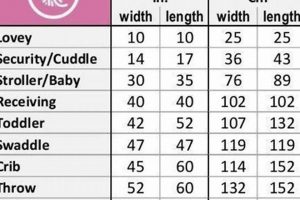
The dimensions of a comforting textile significantly influence its safety, portability, and suitability for infants and toddlers. A correlation exists between the size of the item and the potential for suffocation or entanglement. An excessively large blanket can pose a suffocation risk, particularly for infants who lack the motor skills to remove it from their face. Conversely, an item that is too small may offer insufficient comfort or security, negating its intended purpose. For example, a miniature square of fabric may be easily lost or dropped, failing to provide the consistent source of comfort needed during times of stress or separation. Appropriate dimensions are, therefore, a critical component in ensuring the item fulfills its intended function without compromising safety. Dimensions generally fall within a range optimized for tactile comfort and reduced hazard potential.
Practical applications of this understanding are evident in product design and usage guidelines. Manufacturers typically adhere to recommended size standards based on age and developmental stage. These standards aim to strike a balance between providing adequate coverage for comfort and minimizing the risk of entanglement or suffocation. Furthermore, size influences the portability of the item, making it convenient for parents and caregivers to transport and utilize in various settings, such as car rides, daycare, or travel. A compact and easily foldable blanket can be readily available whenever and wherever the child needs reassurance. This contrasts with larger, less portable alternatives, which may be impractical for on-the-go use and therefore less effective in providing consistent comfort.
In summary, the dimensions are a crucial consideration, dictating both safety and usability. Challenges remain in creating designs that are both adequately comforting and inherently safe across various developmental stages. Further research into ergonomic design and child development may provide solutions to these challenges, ensuring that these items remain a safe and readily accessible source of comfort for young children. The practical significance of this is empowering informed decisions regarding product selection and usage, thereby safeguarding the child’s well-being.
7. Attachment
The concept of attachment is intrinsically linked to the function and value of a comforting textile for infants and toddlers. These items frequently serve as transitional objects, facilitating the formation of secure attachments by providing a sense of continuity and stability during periods of separation from primary caregivers. The emotional bond formed between a child and their comforting object mirrors, in part, the attachment relationship with a parent. This association arises because the item often accompanies soothing interactions, such as feeding or bedtime routines. The effect is a transfer of the security and comfort associated with the caregiver to the inanimate object. A child clinging to their well-worn blanket during a doctor’s visit exemplifies this transference, finding solace in the familiar scent and texture.
The importance of this attachment lies in its contribution to emotional regulation and independence. Children who develop strong attachments to transitional objects are often better equipped to cope with stress and anxiety. The practical application of this understanding is evident in the strategic use of these items to ease transitions, such as starting daycare or moving to a new home. The blanket or toy acts as a portable source of security, enabling the child to navigate unfamiliar environments with greater confidence. For example, offering a child their comforting object at the onset of separation anxiety can mitigate distress and facilitate smoother transitions. The tactile comfort and familiar scent serves as an anchor, providing a sense of continuity amidst change.
In summary, the emotional bond a child forms with the textile is not merely a preference, but a significant element supporting emotional development. The existence of challenges exists in ensuring the item remains safe and hygienic while retaining its comforting qualities. The practical significance of recognizing and supporting these attachments is paramount for fostering resilience and emotional well-being in young children. The connection between attachment and the item highlights its role beyond a simple comfort object, transforming it into a critical tool for emotional development.
Frequently Asked Questions Regarding Comforting Textiles for Infants
The following section addresses common inquiries and concerns regarding the appropriate selection, usage, and care of comforting blankets and similar items intended for infants and toddlers.
Question 1: At what age is it appropriate to introduce a comforting blanket to an infant?
Pediatric recommendations generally advise against introducing any loose items, including blankets, into an infant’s crib until at least 12 months of age due to the increased risk of Sudden Infant Death Syndrome (SIDS). Alternative comforting methods, such as swaddling (for younger infants) or the presence of a caregiver, are recommended during this period. Consult a pediatrician for personalized guidance.
Question 2: How can the safety of a comforting blanket be ensured?
Safety protocols demand the selection of items constructed from breathable materials, devoid of small, detachable parts, and of an appropriate size to minimize suffocation or entanglement hazards. Regular inspection for wear and tear is essential, and any damaged items should be discarded promptly. Compliance with relevant safety standards and certifications (e.g., OEKO-TEX) is crucial.
Question 3: What are the recommended cleaning procedures for a comforting blanket?
Hygiene protocols dictate frequent cleaning using a mild, hypoallergenic detergent. Adherence to the manufacturer’s care instructions is paramount to prevent damage to the item. Thorough drying is essential to inhibit the growth of mold or bacteria. Avoid using harsh chemicals or bleach, as these can irritate sensitive skin or compromise the structural integrity of the fabric.
Question 4: Can the use of a comforting blanket hinder a child’s development of independence?
Evidence suggests that these items, when used appropriately, can facilitate independence by providing a sense of security and self-soothing. However, an over-reliance on the item may indicate underlying anxiety or attachment issues. Monitor the child’s dependence and consult a child development specialist if concerns arise.
Question 5: What materials are most suitable for a comforting blanket intended for a child with allergies?
Hypoallergenic materials, such as organic cotton, bamboo, or microfiber, are recommended to minimize the risk of allergic reactions. Avoid materials known to trigger allergies, such as wool or certain synthetic fabrics. Washing the item prior to initial use can remove residual manufacturing chemicals or allergens.
Question 6: How can a comforting blanket be weaned away from a child when they outgrow the need for it?
Gradual weaning is recommended. This may involve limiting the item’s availability to specific times or locations, or introducing alternative comforting strategies, such as verbal reassurance or alternative transitional objects. Avoid abrupt removal, as this can cause unnecessary distress. Positive reinforcement and age-appropriate explanations can facilitate the process.
In summary, the safe and beneficial utilization of comforting textiles requires careful consideration of developmental stage, material safety, hygiene practices, and potential impacts on emotional development. Consultation with pediatricians or child development specialists is recommended when uncertainties arise.
The subsequent section will offer guidance on selecting suitable products for the target demographic.
Conclusion
This exploration has addressed the facets of the “lovey baby blanket,” ranging from material safety and construction to emotional significance and hygienic maintenance. Core elements influencing its effectiveness include: safe material composition, appropriate sizing to mitigate hazards, washability for hygiene, durability for longevity, and the emotional comfort it provides. These factors must be rigorously considered in product design, selection, and usage to ensure both the child’s safety and the object’s efficacy as a transitional aid.
Given its potential impact on early childhood development, continued diligence in upholding safety standards, promoting informed usage, and researching innovative materials remains paramount. As a critical tool during formative years, the understanding and responsible utilization of “lovey baby blanket” merits ongoing attention from parents, caregivers, and manufacturers alike, so it can be a safe option for all babies.
![Buy Premium Knitted Baby Blanket Wholesale - [Your Brand] | Baby Care 101: Essential Tips for Happy, Healthy Babies](https://singlebabies.com/wp-content/uploads/2026/04/th-522-300x200.jpg "Buy Premium Knitted Baby Blanket Wholesale - [Your Brand] Baby Care 101: Essential Tips for Happy, Healthy Babies")