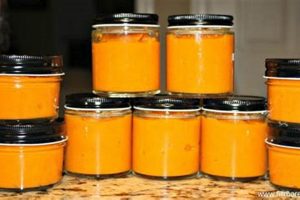
Small, typically glass, containers with wide mouths and airtight lids are frequently employed for storing and preserving homemade comestibles intended for infants. These receptacles offer a reusable and often more environmentally conscious alternative to single-use plastic packaging commonly associated with commercially produced infant nutrition. The utilization of these containers allows caregivers to prepare, portion, and store pureed fruits, vegetables, and other age-appropriate foods in a convenient and organized fashion.
Employing reusable receptacles for storing infant provisions offers multiple advantages, including reduced waste and potential cost savings over time. Their robust construction allows for repeated sterilization and washing, ensuring hygiene and safety. Historically, similar vessels have been used for food preservation; their adaptation for infant nutrition storage reflects a growing trend toward sustainable practices and control over ingredient quality. This practice allows parents to tailor recipes to their child’s dietary needs and preferences, avoiding potential allergens or additives present in some pre-packaged options.
The subsequent sections will delve into the specifics of selecting appropriate containers, preparing food for optimal preservation, safe storage practices, and methods for reheating contents to ensure both nutritional integrity and the well-being of the infant. Further discussion will include labeling strategies and potential risks associated with improper handling or storage.
Storage and Preparation Guidance
Proper procedures are critical when utilizing glass containers for storing infant comestibles. Adherence to specific guidelines ensures both safety and optimal preservation.
Tip 1: Select Appropriate Jars: Ensure the chosen containers are specifically designed for food storage and capable of withstanding temperature fluctuations associated with freezing and thawing. Jars with tempered glass offer increased durability.
Tip 2: Sterilize Before Use: Prior to first use, and periodically thereafter, sterilize containers and lids in boiling water for a minimum of ten minutes. This minimizes bacterial contamination.
Tip 3: Portion Food Appropriately: Fill each container with a single serving size to minimize waste and ensure freshness upon opening. Account for expansion when freezing by leaving headspace at the top of the container.
Tip 4: Label Each Container: Clearly label each container with the date of preparation and contents. This prevents confusion and helps track expiration dates.
Tip 5: Rapidly Cool Prepared Food: Immediately after preparation, cool the comestible quickly in an ice bath before transferring it to the glass container. Rapid cooling inhibits bacterial growth.
Tip 6: Freeze in Single-Serving Portions: Consider freezing in smaller portions to avoid repeated thawing and refreezing, which can compromise the quality and safety of the food.
Tip 7: Thaw Safely: Thaw frozen contents in the refrigerator, not at room temperature, to prevent bacterial proliferation. Microwave thawing should only be considered as a last resort and must be followed by immediate consumption.
Following these recommendations helps maintain food safety and nutritional value. Improper preparation or storage can introduce harmful bacteria and compromise the integrity of the food.
The final section will address common concerns and misconceptions related to using reusable glass containers for infant nutrition, providing further clarity and reassurance.
1. Sterilization protocols

Sterilization protocols are paramount when utilizing glass receptacles for infant comestibles. Inadequate sterilization can introduce harmful microorganisms, posing a significant health risk to infants whose immune systems are not fully developed. Strict adherence to established procedures is therefore non-negotiable.
- Boiling Water Immersion
Immersion in boiling water for a minimum of ten minutes is a common sterilization method. This process ensures the destruction of most vegetative bacteria, yeasts, and molds. Jars and lids must be fully submerged to achieve adequate sterilization. Incomplete submersion can leave pockets of contamination.
- Steam Sterilization
Steam sterilization, often employed in hospitals and laboratories, utilizes pressurized steam to achieve sterilization. Specialized equipment is required for this method, ensuring consistent temperature and pressure. Home steam sterilizers designed for baby bottles can also be adapted for smaller containers.
- Chemical Sterilization
Certain chemical sterilizing solutions, commonly used for infant feeding equipment, may also be appropriate for the glass jars. However, thorough rinsing is essential to remove any residual chemicals that could be harmful to the infant. The manufacturer’s instructions must be strictly followed to ensure both efficacy and safety.
- Dishwasher Sterilization
Some dishwashers offer a sterilization cycle that utilizes high temperatures to sanitize items. However, the efficacy of this method depends on the dishwasher’s specifications and proper loading techniques. Ensure that all surfaces are exposed to the high-temperature water and steam for the duration of the cycle.
The choice of sterilization protocol should align with available resources and manufacturer recommendations for the glass receptacles in use. Regardless of the method employed, visual inspection of the containers after sterilization is crucial to ensure cleanliness and integrity. Any jars with visible residue or damage should be discarded. Rigorous application of these protocols is central to the safe use of glass containers for storing food intended for infant consumption.
2. Freezing guidelines

Freezing guidelines represent a critical component in the safe and effective utilization of glass containers for preserving infant comestibles. The inherent properties of glass, specifically its susceptibility to fracture under extreme temperature fluctuations and expansion upon freezing, necessitate stringent adherence to established protocols. Neglecting these guidelines can result in container breakage, spillage, potential contamination of the food, and a resultant health hazard for the infant.
One primary concern is volume expansion during freezing. Water, a primary constituent of most infant comestibles, expands upon transitioning to a solid state. Filling a glass container to its maximum capacity before freezing will inevitably lead to pressure buildup, potentially causing the glass to crack or shatter. Therefore, leaving adequate headspace typically about one inch from the top of the jar is paramount. Practical examples include pureed fruits or vegetables; a container filled to the brim before freezing will likely fail, whereas the same container with appropriate headspace will remain intact. Another crucial element is the cooling rate. Rapid cooling before freezing helps minimize ice crystal formation, which can affect the texture of the food upon thawing and potentially damage the container walls. Placing the filled container in an ice bath prior to freezing is an effective method for achieving rapid cooling.
In summary, a comprehensive understanding of freezing principles is indispensable when employing glass containers for infant comestible storage. Proper headspace allowance, controlled cooling rates, and careful selection of appropriate glass types collectively mitigate the risk of container failure and food spoilage. These measures ultimately contribute to the safety and well-being of the infant consuming the stored food. Deviations from these guidelines present considerable challenges, underscoring the need for meticulous adherence to established best practices. This understanding aligns with the broader theme of responsible and informed infant nutrition, emphasizing the importance of proactive measures to safeguard infant health.
3. Safe thawing

The intersection of safe thawing practices and the utilization of glass containers for infant provisions presents a crucial area of consideration. Improper thawing techniques applied to frozen comestibles stored in such receptacles can negate the benefits of careful preparation and storage, potentially introducing health risks to the infant. The primary objective of safe thawing is to minimize bacterial proliferation, which is accelerated at temperatures between 40F and 140F (4C and 60C). This temperature range, often referred to as the “danger zone,” allows for rapid bacterial growth, potentially leading to foodborne illnesses. For example, leaving a container of frozen pureed sweet potatoes at room temperature for an extended period subjects it to this danger zone, elevating the risk of bacterial contamination. The selection of appropriate thawing methods is therefore a critical control point in ensuring the safety of infant nutrition.
Acceptable thawing methodologies include refrigeration, cold water immersion, and microwave heating. Refrigeration, while a slower process, maintains the food at a consistently safe temperature below 40F (4C), effectively inhibiting bacterial growth. Cold water immersion accelerates the thawing process compared to refrigeration but requires constant monitoring and water changes to maintain a consistently low temperature. Microwave thawing, though the fastest method, presents a heightened risk of uneven heating, creating localized “hot spots” conducive to bacterial proliferation. In such instances, immediate consumption is paramount. Specifically, if a container of frozen butternut squash is thawed in the microwave, it must be consumed directly after, as residual heat promotes bacterial growth even after refrigeration. The use of glass containers necessitates awareness of potential temperature-related breakage during microwave thawing, highlighting the importance of using microwave-safe glassware and avoiding sudden temperature shifts.
In summation, the practice of safe thawing represents an indispensable element in the comprehensive utilization of glass containers for storing infant nourishment. Prioritizing refrigeration or cold water immersion as thawing methods, combined with meticulous attention to temperature control and immediate consumption when using microwave thawing, mitigates the risk of bacterial contamination and ensures the nutritional integrity of the food. Neglecting these precautions compromises the safety of the infant and diminishes the overall value of employing reusable glass containers for food storage.
4. Leak-proof lids
The integrity of infant comestibles stored within reusable glass containers depends substantially on the functionality of leak-proof lids. These lids serve as the primary barrier against external contaminants, preventing spoilage and maintaining the nutritional value of the food. A failure in the lid’s sealing mechanism can introduce bacteria, mold, and other undesirable elements, rendering the contents unsafe for consumption by an infant. Consequently, the selection and maintenance of high-quality, leak-proof lids are paramount to the safe and effective use of these containers for infant nutrition. As a real-life example, a poorly sealed container transported in a diaper bag could leak, creating a unsanitary environment and potentially exposing the food to harmful microorganisms. The cause and effect are direct: a compromised lid leads to potential contamination and a health risk for the infant.
Practical application extends beyond mere containment. Leak-proof lids also facilitate convenient storage and transport. They enable caregivers to prepare and portion infant meals in advance, allowing for organized meal planning and reducing the reliance on commercially prepared options. This convenience is particularly relevant for parents returning to work or traveling with infants. Additionally, many lids are designed to be compatible with various container sizes, offering versatility in storage. The implementation of a robust sealing mechanism also contributes to preventing freezer burn when storing food for extended periods, which can negatively impact the texture and taste of the prepared food. The choice of lid material, such as BPA-free plastic or stainless steel, also addresses potential concerns regarding chemical leaching into the food.
In conclusion, leak-proof lids are not merely an accessory but an essential component of reusable glass containers designed for infant comestibles. Their functionality directly impacts food safety, storage convenience, and overall effectiveness. The challenges associated with lid degradation or malfunction underscore the need for regular inspection and replacement. Understanding the importance of these lids links directly to the broader theme of responsible infant care, emphasizing the significance of meticulous attention to detail in all aspects of infant nutrition and food safety.
5. Appropriate sizing

The selection of appropriately sized receptacles is a critical factor when employing glass containers for storing infant comestibles. Container volume directly impacts portion control, food waste minimization, and efficient storage within refrigeration or freezing units. Overly large containers may encourage overfeeding or result in wasted food, while undersized containers necessitate multiple storage units for a single meal, impacting convenience and potentially compromising freshness.
- Portion Control and Age-Appropriate Servings
Infant dietary needs vary significantly with age and developmental stage. Appropriate sizing of containers facilitates accurate portioning according to recommended feeding guidelines. For example, a four-month-old typically consumes considerably less pureed food than an eight-month-old; therefore, smaller volume containers are more suitable for younger infants to prevent waste and ensure freshness. Using varied sizes allows for tailored meal preparation.
- Minimizing Food Waste
Selecting container sizes that closely align with typical serving sizes reduces the likelihood of discarding uneaten food. Open comestibles are susceptible to bacterial contamination, limiting their storage duration post-opening. Employing appropriately sized containers ensures that once opened, the contents are consumed within a safe timeframe, thereby minimizing potential waste and associated health risks. Preplanning and understanding typical intake volumes is key.
- Efficient Storage and Space Optimization
The physical dimensions of storage containers directly influence the efficient utilization of space within refrigerators and freezers. Appropriately sized vessels maximize storage capacity, allowing for organized and readily accessible inventory management. Larger containers, while potentially accommodating larger volumes, may occupy disproportionately more space, reducing overall storage efficiency. Optimizing the use of storage space translates to better organization and reduced clutter, improving overall hygiene.
- Thawing Time Considerations
The volume of food stored in a container significantly affects thawing time. Smaller portions thaw more rapidly, facilitating quicker meal preparation and reducing the risk of prolonged exposure to the “danger zone” temperatures conducive to bacterial growth. Utilizing appropriately sized containers contributes to efficient thawing, minimizing the potential for microbial proliferation and maintaining food safety. For instance, a small container of frozen peas thaws much faster than a large block, thus decreasing the time it sits at room temperature.
These facets underscore the inherent connection between container sizing and the effective management of infant nutrition. Strategic selection of appropriately sized containers contributes to responsible food handling, promoting both infant health and economic efficiency.
Frequently Asked Questions
The following addresses common inquiries regarding the use of glass receptacles for storing infant comestibles. Clarification of these points is essential for safe and effective implementation.
Question 1: Are all glass jars suitable for freezing infant food?
Not all glass is created equal. It is imperative to select jars specifically manufactured for freezing, as these are typically tempered to withstand temperature fluctuations. Standard glass jars may crack or shatter under freezing conditions.
Question 2: How should glass jars be cleaned before storing infant food?
Rigorous cleaning protocols are essential. Jars should be thoroughly washed with hot, soapy water and then sterilized via boiling, steaming, or chemical sterilization methods. This minimizes the risk of bacterial contamination.
Question 3: Is there a risk of lead contamination from glass jars?
While older glass jars may contain lead, modern manufacturing processes have largely eliminated this concern. It is advisable to use newer jars or those specifically certified as lead-free, particularly for infant food storage.
Question 4: What is the best way to label baby food mason jars?
Clearly labeling each container with the date of preparation and contents is crucial. Use waterproof labels and a permanent marker to ensure legibility, even after freezing and thawing.
Question 5: Can glass jars be safely reheated in a microwave?
While some microwave-safe glass jars exist, caution is warranted. Sudden temperature changes can cause glass to shatter. If microwaving, ensure the jar is rated for microwave use and heat in short intervals, stirring frequently to distribute heat evenly. It is generally recommended to transfer the contents to a microwave-safe bowl for reheating.
Question 6: How long can baby food be safely stored in glass jars, both in the refrigerator and freezer?
Refrigerated homemade baby food should be consumed within 1-2 days. Frozen baby food, stored in airtight glass containers, can be safely stored for up to 1-2 months. Always discard any food exhibiting signs of spoilage, regardless of storage duration.
These answers provide guidance on the appropriate utilization of these vessels. Following these recommendations contributes to the safe and effective storage of infant nutrition.
The next segment will explore alternative storage methods for those seeking non-glass options.
Conclusion
The preceding discussion has explored the multifaceted considerations associated with the utilization of baby food mason jars for the storage of infant comestibles. Rigorous adherence to sterilization protocols, freezing and thawing guidelines, and proper labeling practices is paramount to mitigating potential health risks. The selection of appropriate container sizes and the employment of leak-proof lids further contribute to the overall safety and efficacy of this method.
The informed and conscientious application of these principles enables caregivers to leverage the benefits of reusable glass containers for infant nutrition while minimizing potential hazards. Continued diligence in maintaining hygienic practices and staying abreast of evolving food safety recommendations remains essential for ensuring the well-being of infants.