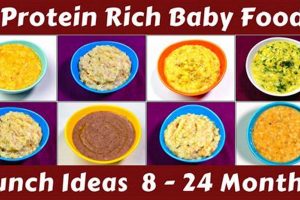
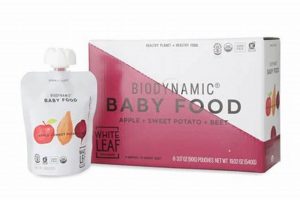
Products in the realm of infant nutrition featuring a vibrant color derived from ingredients such as carrots, sweet potatoes, or squash are commonly available. These formulations often represent an early introduction to solid foods for infants, offering a range of essential nutrients. For example, a puree combining cooked carrots and a mild spice caters to developing palates.
The significance of these brightly hued comestibles lies in their potential contribution to a baby’s vitamin A intake, crucial for vision development and immune system support. Historically, root vegetables have been a readily accessible and affordable source of nutrition, making them a staple in early childhood diets worldwide. The beta-carotene content contributes to the conversion into Vitamin A in the body.
Further exploration will delve into the specific nutritional composition, preparation methods, potential allergenic concerns, and age-appropriate introduction strategies associated with these products, offering a thorough understanding for caregivers.
Guidance on Incorporating Orange Baby Food
The following recommendations aim to provide caregivers with practical strategies for safely and effectively introducing preparations featuring ingredients such as carrots and sweet potatoes into an infant’s diet.
Tip 1: Gradual Introduction: Introduce new foods one at a time, particularly if they are among the first solids given to the baby. Allow several days between introductions to monitor for any allergic reactions or digestive issues. Carrots or sweet potatoes, while generally well-tolerated, should still be introduced carefully.
Tip 2: Single-Ingredient Purees: Begin with single-ingredient purees before combining multiple foods. This allows for easier identification of any potential allergens. Offer a simple carrot puree for a few days before introducing a mixed vegetable blend.
Tip 3: Age-Appropriate Texture: Ensure the texture is appropriate for the infant’s developmental stage. Initially, purees should be smooth and free of lumps. As the baby develops, gradually introduce thicker textures and small, soft pieces. Mash cooked sweet potato thoroughly at first, then transition to slightly chunkier preparations.
Tip 4: Preparation Methods: Steam or bake orange vegetables to preserve nutrients and minimize the risk of adding unhealthy fats. Avoid frying or adding excessive amounts of salt, sugar, or spices. Steamed carrots retain more vitamins than boiled carrots.
Tip 5: Storage and Handling: Properly store any prepared items to prevent bacterial growth. Refrigerate unused portions promptly and discard any leftovers after 24 hours. Ensure all utensils and surfaces are clean before preparing meals.
Tip 6: Observe for Reactions: Monitor the infant for any signs of allergic reactions, such as rash, hives, vomiting, or diarrhea. Consult with a pediatrician if any concerns arise. Changes in bowel movements should also be noted.
Tip 7: Portion Control: Start with small portions and gradually increase the amount as the babys appetite develops. Do not force the infant to finish the entire serving if they are not hungry. One or two tablespoons are usually sufficient for initial feedings.
By following these guidelines, caregivers can confidently introduce carotenoid-rich ingredients, ensuring their infant receives essential nutrients while minimizing potential risks.
The subsequent sections will address specific recipes and considerations for incorporating these provisions into a balanced dietary plan.
1. Nutrient Density

Nutrient density, in the context of infant nutrition, refers to the concentration of essential vitamins, minerals, and other beneficial compounds relative to the caloric content of a food item. Preparations derived from brightly colored vegetables, such as carrots and sweet potatoes, are often promoted for their elevated nutrient density. The premise is that these ingredients offer a substantial amount of vitamins and minerals per serving, without contributing excessive calories or empty nutrients. For example, a puree of cooked sweet potato delivers a high dose of vitamin A precursors, fiber, and potassium, while remaining relatively low in calories.
The importance of nutrient density is particularly pronounced during infancy, a period of rapid growth and development. Infants have relatively high nutritional needs but small stomach capacities, making it crucial that the foods they consume are packed with essential nutrients. Introducing these types of foods early in life can contribute significantly to meeting these needs and establishing healthy eating habits. Consider the contrast between a commercially prepared puree and a sweetened juice product; while both may provide calories, the former offers a significantly superior profile of vitamins and minerals.
In summary, nutrient density serves as a key attribute of infant comestibles. The selection of ingredients rich in essential nutrients, combined with appropriate preparation methods, supports optimal growth and development during this critical stage of life. Challenges remain in ensuring accessibility and affordability of nutrient-dense options for all socioeconomic groups. The concept of nutrient density underscores the broader imperative of providing infants with a foundation for lifelong health through informed dietary choices.
2. Preparation safety

Preparation safety is paramount when introducing solid foods to infants. This is particularly relevant for brightly colored vegetable-based purees, such as those derived from carrots and sweet potatoes, due to their inherent properties and potential risks associated with improper handling or cooking.
- Pesticide Residue Mitigation
Raw agricultural products may contain pesticide residues. Thorough washing under running water is essential to minimize potential exposure. Peeling produce further reduces surface contamination. Opting for organically grown options reduces the risk. Insufficient attention to this facet poses a direct threat to infant health.
- Thorough Cooking and Pureeing
Ensuring produce is cooked until soft is crucial for digestive ease and palatability. Straining the cooked ingredients through a fine-mesh sieve or using a high-powered blender guarantees a smooth consistency, eliminating potential choking hazards. Under-processed food increases the risk of gagging or choking.
- Safe Storage Practices
Prepared purees should be cooled rapidly and stored in airtight containers in the refrigerator. Storing cooked baby food in the refrigerator should be done in a timely manner (within two hours). Prepared items should be discarded after 24 hours to prevent bacterial proliferation. Improper storage creates a breeding ground for pathogens, posing significant health risks.
- Allergen Awareness and Cross-Contamination
While carrots and sweet potatoes are not common allergens, awareness of potential cross-contamination during preparation is important. Utensils and surfaces should be thoroughly cleaned after contact with known allergens (e.g., nuts, dairy). Preparing food in a dedicated, allergen-free environment minimizes risk.
By adhering to stringent preparation safety guidelines, caregivers can minimize risks associated with preparing brightly colored vegetable-based infant foods. Prioritizing these measures ensures that nutrient-rich foods, such as pureed carrots and sweet potatoes, are introduced safely and effectively, promoting optimal infant health.
3. Allergen Awareness

The implementation of rigorous allergen awareness protocols is vital when introducing any new food to an infant, including preparations featuring carrots, sweet potatoes, and other ingredients resulting in a characteristic hue. While brightly colored vegetables are generally considered low-risk allergens, vigilance regarding potential allergenic reactions and cross-contamination is essential.
- Delayed Introduction of High-Risk Allergens
While not inherently allergenic, combining these vegetables with common allergenic foods (dairy, soy, nuts) in homemade or commercial blends necessitates careful consideration. The introduction of single-ingredient preparations prior to introducing complex mixtures allows for easier identification of potential allergens. For example, introducing a plain carrot puree before a carrot and sweet potato blend with dairy can isolate reactions.
- Monitoring for Allergic Reactions
Caregivers must be educated on the signs and symptoms of allergic reactions, which may manifest as skin rashes, hives, vomiting, diarrhea, or respiratory distress. Close observation during and after initial feedings is paramount. Documenting food introductions and any associated symptoms aids in identifying patterns. A rash appearing several hours after consumption warrants immediate investigation.
- Ingredient Source Transparency
For commercially prepared items, scrutinizing the ingredient list for potential allergens is crucial. “May contain” statements indicate the possibility of cross-contamination during manufacturing. Opting for products with clearly labeled ingredients from reputable manufacturers minimizes risk. Vague labeling increases the likelihood of unintentional allergen exposure.
- Cross-Contamination Prevention
In home preparation, preventing cross-contamination is paramount. Separate cutting boards, utensils, and preparation surfaces should be designated for allergen-free food preparation. Thorough cleaning and sanitation of equipment before preparing brightly colored vegetable purees are necessary, particularly if allergens are present in the household. Residue from previous food preparations can trigger allergic reactions.
By adhering to meticulous allergen awareness practices, caregivers can safely introduce preparations with brightly colored vegetables into an infant’s diet, mitigating potential risks associated with allergic reactions and promoting optimal health outcomes. The importance of proactive monitoring and preventive measures cannot be overstated in this context. It is always best to consult with a medical professional such as a pediatrician for medical advice.
4. Age appropriateness

The introduction of solid foods to infants is a developmental milestone that necessitates careful consideration of age appropriateness. Preparations featuring carrots, sweet potatoes, and other orange-hued vegetables are often among the first solids introduced, however, their suitability hinges on several age-related factors. Premature introduction, typically defined as before four months of age, can interfere with breastfeeding, potentially increase the risk of aspiration, and place undue stress on the infant’s immature digestive system. Conversely, delaying the introduction of solids beyond six months may lead to nutritional deficiencies, particularly iron, and impede the development of oral motor skills necessary for consuming a variety of textures.
A crucial aspect of age appropriateness concerns texture. Initially, infants lack the ability to chew effectively, necessitating smooth, lump-free purees. As the infant develops, typically around six to eight months, thicker textures and soft, mashed consistencies can be introduced. Failure to adapt the texture to the infant’s developmental stage can result in gagging, choking, or food refusal. For instance, offering a finely pureed sweet potato at four months is generally appropriate, while offering the same consistency at eight months may not provide sufficient stimulation for developing oral motor skills. Furthermore, ingredient combinations must also be age-appropriate; highly spiced or seasoned dishes are generally unsuitable for infants due to their sensitive digestive systems. Consider also that homemade preparations allow for precise control over texture and ingredients, ensuring optimal suitability for the individual infant’s developmental stage. Commercial products, while convenient, require careful evaluation to ensure they meet age-appropriate texture and ingredient standards.
In summary, age appropriateness is a critical determinant of the safe and effective introduction of orange-colored vegetable preparations to infants. Adherence to recommended guidelines regarding timing, texture, and ingredient composition minimizes the risk of adverse events and supports optimal growth and development. Challenges remain in disseminating accurate information to caregivers and ensuring access to affordable, age-appropriate options across diverse socioeconomic backgrounds. Understanding and implementing age-appropriate feeding practices is an essential component of promoting infant health and well-being, and medical advice should be sought by a medical professional.
5. Digestive Ease

Digestive ease is a primary consideration when introducing solid foods to infants, impacting nutrient absorption and overall well-being. Preparations including carrots and sweet potatoes are often selected for their purported digestibility, although this characteristic is contingent upon preparation and individual infant physiology.
- Fiber Content and Stool Consistency
Carrots and sweet potatoes contain dietary fiber, which influences stool consistency. Moderate fiber intake can promote regular bowel movements and prevent constipation. However, excessive fiber, particularly if introduced rapidly, may lead to loose stools or diarrhea. The balance between promoting regularity and avoiding gastrointestinal distress is critical. For example, a small portion of carrot puree may alleviate mild constipation, while a large serving could exacerbate loose stools. The initial quantity should be carefully monitored.
- Presence of Complex Carbohydrates
These vegetables contain complex carbohydrates, which require enzymatic breakdown during digestion. Infants’ digestive systems are still developing, and their ability to process complex carbohydrates efficiently increases with age. Overfeeding or introducing complex carbohydrates too early can result in gas, bloating, or discomfort. The gradual introduction of small portions allows the infant’s system to adapt and produce the necessary enzymes. Symptoms of discomfort, such as excessive crying or irritability after feeding, warrant a reduction in portion size or a temporary cessation of the food.
- Cooking Methods and Digestibility
Cooking methods significantly impact the digestibility of these vegetables. Steaming or baking renders them softer and easier to digest than raw or lightly cooked preparations. Pureeing further reduces the particle size, easing the digestive burden on the infant’s system. Thoroughly cooked and pureed sweet potatoes are generally more readily digested than coarsely mashed preparations. Utilizing appropriate cooking techniques optimizes nutrient availability and minimizes gastrointestinal distress.
- Individual Tolerance and Sensitivity
Infants exhibit individual variability in their tolerance to different foods. What is easily digested by one infant may cause discomfort in another. Factors such as gut microbiota composition, enzyme production, and the presence of underlying medical conditions contribute to this variability. Careful observation of the infant’s response to new foods is essential. Any signs of digestive distress, such as gas, bloating, vomiting, or changes in stool consistency, should prompt a reassessment of the feeding plan. Personalized approaches to infant feeding are critical for optimizing digestive ease.
In conclusion, while preparations derived from carrots and sweet potatoes are frequently favored for their perceived digestibility, their impact on digestive ease is multifaceted. Factors such as fiber content, carbohydrate complexity, cooking methods, and individual tolerance all contribute to the overall digestive experience. A nuanced understanding of these elements is essential for caregivers to make informed decisions regarding the introduction and management of these foods within an infant’s diet. Medical advice should be sought from qualified professionals.
6. Vitamin A Source
The relationship between these baby foods and vitamin A stems from the presence of carotenoids, notably beta-carotene, in the vegetables used in their preparation. Vitamin A is essential for various physiological functions, rendering its dietary sources important, especially during infancy.
- Beta-Carotene Conversion
Beta-carotene, abundant in carrots and sweet potatoes, is a precursor to vitamin A. The body converts beta-carotene into retinol, the active form of vitamin A. The efficiency of this conversion varies among individuals, but these vegetables remain a significant source. For instance, a serving of sweet potato puree can provide a substantial percentage of an infant’s daily vitamin A requirement through beta-carotene conversion.
- Vision Development
Vitamin A plays a crucial role in vision development, particularly in low-light conditions. Adequate vitamin A intake supports the formation and function of rhodopsin, a light-sensitive pigment in the retina. Deficiency can lead to night blindness and, in severe cases, irreversible vision damage. Including carotenoid-rich foods contributes to maintaining healthy visual function.
- Immune Function
Vitamin A is integral to immune system function, supporting the development and activity of immune cells. It helps maintain the integrity of mucous membranes, which act as barriers against pathogens. Adequate vitamin A levels reduce the risk of infections. Introducing these foods can contribute to bolstering an infant’s immune defenses.
- Cell Growth and Differentiation
Vitamin A influences cell growth and differentiation, processes essential for development and tissue repair. It regulates gene expression and cellular communication. Deficiency can disrupt these processes, leading to impaired growth and development. Incorporating sources of beta-carotene promotes healthy cellular function.
The provision of vitamin A through these foods highlights their nutritional value in infant diets. The conversion of beta-carotene ensures a readily available source of this essential nutrient. Their inclusion in early feeding regimens aligns with the goal of supporting optimal development and health during infancy. Supplementation should be determined by a medical professional.
Frequently Asked Questions
The following questions address common inquiries and concerns regarding brightly colored vegetable-based infant provisions.
Question 1: At what age is the introduction of preparations featuring carrots or sweet potatoes appropriate?
The introduction of solids, including preparations with carrots or sweet potatoes, is generally recommended around six months of age. This recommendation aligns with the developmental readiness of most infants, including the ability to sit upright, maintain head control, and demonstrate an interest in food. Consultation with a pediatrician is advised to determine individual readiness.
Question 2: Is there a risk of allergic reaction associated with consuming preparations featuring carrots or sweet potatoes?
While carrots and sweet potatoes are not considered highly allergenic foods, allergic reactions are possible. Symptoms may include skin rash, hives, vomiting, or diarrhea. The introduction of single-ingredient preparations is recommended to monitor for any adverse reactions. Medical attention should be sought if any allergic symptoms manifest.
Question 3: How should this type of puree be prepared to ensure safety and nutritional value?
To ensure safety, brightly colored vegetables should be thoroughly washed and cooked until soft. Steaming or baking are preferred methods to preserve nutrients. The cooked vegetables should be pureed to a smooth consistency to prevent choking hazards. Prepared foods should be stored properly in the refrigerator and consumed within 24 hours.
Question 4: Can excessive consumption lead to carotenemia, a condition characterized by skin yellowing?
Excessive consumption can lead to carotenemia, a benign condition characterized by yellowing of the skin, particularly on the palms and soles. This condition is caused by elevated levels of beta-carotene in the blood. Reducing the intake of carotenoid-rich foods typically resolves the condition without any long-term health consequences.
Question 5: Are commercially prepared options as nutritious as homemade preparations?
Both commercially prepared and homemade options can be nutritious. Commercially prepared items often undergo rigorous testing to ensure safety and nutritional content. Homemade preparations allow for greater control over ingredients and preparation methods. Careful evaluation of the ingredient list and nutritional information is advised when selecting commercially prepared options.
Question 6: How does the fiber content impact an infant’s digestive system?
Carrots and sweet potatoes contain dietary fiber, which can promote healthy bowel movements. However, excessive fiber intake may lead to digestive discomfort, such as gas or diarrhea. Introducing these foods gradually and monitoring the infant’s response is recommended. Ensuring adequate hydration is also important for proper fiber digestion.
These FAQs provide a foundational understanding of preparations featuring carrots or sweet potatoes in infant nutrition. Caregivers are encouraged to consult with healthcare professionals for personalized guidance.
The following sections will provide recipes and further insights into the integration of these products within a comprehensive infant dietary plan.
Conclusion
This exploration has provided a detailed overview of orange baby food, encompassing its nutritional aspects, safety considerations, and practical applications. The analysis has addressed key areas such as vitamin A provision, digestive implications, and the mitigation of allergenic risks. It emphasizes the importance of age-appropriate introduction and proper preparation techniques. This information should provide a sound basis for understanding this food group within the context of infant nutrition.
The responsible integration of orange baby food hinges on informed decision-making and diligent observation. Caregivers are encouraged to apply the presented insights judiciously, consulting with pediatricians or registered dietitians to tailor dietary plans to individual infant needs. Continued research and evolving dietary guidelines will further refine best practices in infant nutrition, demanding ongoing vigilance and adaptation to promote optimal health outcomes.
![Top-Rated Best Baby Food Makers: [Year] Guide & Reviews | Baby Care 101: Essential Tips for Happy, Healthy Babies](https://singlebabies.com/wp-content/uploads/2026/04/th-35-300x200.jpg "Top-Rated Best Baby Food Makers: [Year] Guide & Reviews Baby Care 101: Essential Tips for Happy, Healthy Babies")