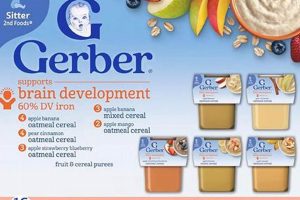
This level of prepared meals for infants typically introduces more complex textures and combinations of ingredients. It usually includes chunkier purees and mashed foods, offering a wider variety of flavors and allowing babies to experience different consistencies as they develop their chewing skills. An example would be a mix of diced vegetables with small pieces of cooked chicken.
The introduction of these more textured foods is an important step in a child’s development, aiding in the transition from smooth purees to table food. This phase helps develop oral motor skills necessary for chewing and swallowing a greater variety of foods. The introduction of more varied ingredients can also contribute to a broader palete and reduce the likelihood of picky eating later in life.
The following sections will delve into specific recipes, nutritional considerations, developmental milestones related to this stage, and provide guidelines for parents navigating this crucial period of infant feeding.
Guidance for Advancing to Prepared Infant Meals
The transition to this level of infant feeding requires careful consideration. Observing developmental cues and understanding nutritional needs are paramount.
Tip 1: Observe Developmental Readiness: Look for signs such as the ability to sit upright with minimal support, good head control, and an interest in food. These indicate readiness for more textured solids.
Tip 2: Introduce New Textures Gradually: Begin with slightly thicker purees before progressing to chunkier consistencies. This allows the infant to adapt to the new oral sensation and prevents gagging.
Tip 3: Prioritize Nutrient Density: Each serving should offer significant nutritional value. Incorporate a balance of vegetables, fruits, and protein sources to support growth and development.
Tip 4: Monitor for Allergies: Introduce new ingredients one at a time, waiting a few days before introducing another. This facilitates identification of potential allergic reactions.
Tip 5: Avoid Added Sugars and Salts: Developing healthy eating habits early is crucial. Avoid adding unnecessary sugars and salts to maintain nutritional integrity and prevent preference for overly sweet or salty flavors.
Tip 6: Prepare Food Safely: Ensure proper food handling and preparation to minimize the risk of bacterial contamination. Wash hands thoroughly before preparation, and cook ingredients to appropriate temperatures.
Tip 7: Be Patient and Persistent: It may take multiple attempts for an infant to accept new textures and flavors. Continue offering the food in a positive and encouraging manner.
Adhering to these guidelines ensures a safe and nutritious transition, promoting healthy eating habits from an early age.
In conclusion, mindful implementation of these considerations will contribute positively to a child’s nutritional journey.
1. Texture

The introduction of varied textures is a defining characteristic. This stage moves beyond smooth purees, incorporating mashed, lumpy, and soft, chewable consistencies. The purpose is to stimulate oral motor development, preparing the infant for the eventual transition to table foods. A primary cause for introducing different textures is the infant’s developing ability to handle more complex food structures; the effect is improved chewing and swallowing skills. The significance lies in preventing potential feeding difficulties later in life, as delayed texture introduction can lead to oral aversion or picky eating habits.
For example, offering finely mashed sweet potato with small, soft-cooked broccoli florets introduces both a new texture and a distinct flavor. This facilitates the development of the muscles used for chewing and promotes acceptance of more complex food structures. If an infant is only exposed to smooth purees beyond the developmentally appropriate window, the transition to solid foods may prove challenging. Observing the infant’s cues, such as gagging or refusal, can help adjust the texture to a manageable level. Starting with slightly thicker purees and gradually increasing the lumpiness is a common strategy.
In summary, careful consideration of texture is paramount during this phase. The appropriate introduction of more complex textures positively influences oral motor skills and reduces the risk of feeding problems later in life. Understanding the interplay between developmental readiness and the progression of food textures is key to ensuring a smooth and successful transition.
2. Nutrition

Nutritional content is a cornerstone of appropriate dietary choices. During this developmental phase, infants require a diverse intake of essential nutrients to support rapid growth, cognitive development, and overall health. Precise nutritional composition of dietary intake is particularly important at this stage.
- Macronutrient Balance
Adequate caloric intake, derived from a balance of carbohydrates, proteins, and fats, is critical. Proteins support tissue growth, while carbohydrates provide energy. Healthy fats are essential for brain development. An example is incorporating sources like lean meats, whole grains, and avocado to meet these requirements. Insufficient macronutrient intake can lead to impaired growth and developmental delays.
- Micronutrient Needs
Micronutrients, including vitamins and minerals, play vital roles in various bodily functions. Iron supports cognitive development and oxygen transport. Calcium and vitamin D are crucial for bone health. Incorporating iron-rich foods such as fortified cereals and vitamin D-rich foods such as egg yolks ensures sufficient micronutrient intake. Deficiencies can result in anemia, impaired immune function, or bone development issues.
- Dietary Fiber
Dietary fiber, found in fruits, vegetables, and whole grains, promotes healthy digestion and bowel regularity. Introducing fiber-rich foods gradually can help prevent constipation, a common concern during this phase. An example would be offering pureed pears or cooked sweet potatoes. Insufficient fiber intake can lead to digestive discomfort and potential long-term health issues.
- Hydration
Maintaining adequate hydration is essential for overall health and proper bodily functions. While breast milk or formula remains the primary source of hydration, small amounts of water can be introduced alongside solid foods. Monitoring urine output and consistency helps ensure adequate hydration. Dehydration can lead to constipation, lethargy, and, in severe cases, serious health complications.
These facets highlight the multifaceted nature of nutritional considerations. Careful attention to macronutrients, micronutrients, fiber, and hydration during this phase is paramount. A well-balanced and nutrient-rich diet supports optimal growth and sets the foundation for lifelong healthy eating habits.
3. Allergens

Introducing potential allergens within prepared meals necessitates careful consideration and a systematic approach. This is particularly pertinent during the developmental phase of feeding, where the immature immune system is still developing tolerance.
- Common Allergenic Foods
Certain foods are statistically more likely to trigger allergic reactions. These include cow’s milk, eggs, peanuts, tree nuts, soy, wheat, fish, and shellfish. Introducing these foods one at a time allows for clear identification of any adverse reactions. For example, a small amount of cooked egg yolk can be introduced and the infant observed for any signs of allergy, such as rash, hives, or digestive upset. Delaying the introduction of these foods does not necessarily prevent allergies and may even increase the risk in some cases.
- Introduction Strategies
A gradual and monitored introduction is crucial. Begin with a single suspected allergen in a small quantity, observing the infant for several days before introducing another. If a reaction occurs, discontinue the food immediately and consult with a pediatrician or allergist. Documentation of the introduction process and any observed reactions is advisable. For instance, when introducing peanut butter, start with a very small, diluted amount and carefully monitor for any allergic signs over the subsequent 24-48 hours.
- Cross-Reactivity
Cross-reactivity occurs when the proteins in one food are similar to those in another, leading to an allergic reaction in individuals sensitive to the initial food. For example, individuals allergic to birch pollen may experience oral allergy syndrome when consuming certain fruits and vegetables. Understanding potential cross-reactivities is essential for informed food choices and allergy management. Consulting with an allergist can help determine potential cross-reactivities and appropriate dietary modifications.
- Label Reading and Preparation Practices
Thorough label reading is paramount to identify hidden allergens in pre-packaged foods. Careful attention should be paid to ingredient lists, noting any potential allergenic components. When preparing meals, avoid cross-contamination by using separate utensils and cutting boards for allergenic and non-allergenic foods. For instance, using a dedicated knife and cutting board for preparing meals without nuts can prevent accidental exposure in nut-sensitive individuals.
These facets highlight the complexities associated with allergens in relation to prepared infant foods. Strategic introduction, awareness of cross-reactivity, and diligent label reading are essential components of mitigating potential risks and ensuring the safety of the infant. A proactive and informed approach is vital for promoting optimal health and well-being.
4. Portion Size

Portion size is an integral aspect of prepared infant meals, directly influencing nutritional intake and the development of healthy eating habits. During this developmental phase, appropriate portion sizes are critical to ensure adequate caloric and nutrient delivery without overfeeding. A mismatch between portion size and the infant’s caloric needs may lead to either growth faltering or the establishment of eating patterns that contribute to childhood obesity. For example, consistently offering excessively large portions may stretch the infant’s stomach capacity and create a preference for larger quantities of food later in life.
Determining appropriate portion sizes requires careful consideration of the infant’s age, weight, activity level, and individual appetite cues. Typically, this stage involves a gradual increase in portion sizes as the infant’s digestive system matures and their caloric demands rise. A starting point could be offering 2-4 ounces of food per meal, increasing incrementally based on the infant’s demonstrated hunger and satiety signals. Overriding these signals by encouraging the infant to finish larger portions than they desire can disrupt their ability to self-regulate food intake. An alternative approach would be to offer smaller initial portions and allow the infant to request more if they are still hungry.
In conclusion, appropriate portion sizes within the realm of prepared meals are pivotal for establishing healthy eating habits and supporting optimal growth. Recognizing the individual variability in infant appetite and avoiding the imposition of excessive quantities are essential components of responsible feeding practices. Balancing the need for adequate nutrition with the development of self-regulation skills contributes to long-term health and well-being. Portion control awareness leads to greater understanding and support of baby’s healthy eating habits.
5. Safety

Ensuring the safety of prepared meals is paramount. This phase necessitates meticulous attention to detail, as infants are particularly vulnerable to foodborne illnesses and choking hazards. Adhering to strict safety protocols is not merely a recommendation but a fundamental requirement for safeguarding infant health.
- Preparation Hygiene
Thorough handwashing and the use of clean utensils are essential to prevent bacterial contamination. Food preparation surfaces should be disinfected regularly. An example of this is cleaning countertops with a bleach solution before and after preparing any meals. Neglecting proper hygiene can introduce harmful pathogens, potentially causing serious illness in infants.
- Cooking and Storage Temperatures
Cooking foods to appropriate internal temperatures is crucial to eliminate harmful bacteria. Using a food thermometer to verify temperatures is advisable. Cooked foods should be cooled rapidly and stored in the refrigerator at temperatures below 40F (4C). Improper cooking and storage can promote bacterial growth, increasing the risk of food poisoning. For example, meat should be cooked to an internal temperature of 165F (74C) before serving.
- Choking Hazards
Foods should be prepared in appropriate sizes and consistencies to minimize the risk of choking. Hard, round foods such as whole grapes or cherry tomatoes should be avoided or cut into small pieces. Pureeing or mashing foods to an appropriate consistency is another safety measure. For example, grapes should be quartered before being offered to an infant. Failure to address potential choking hazards can lead to serious injury or death.
- Ingredient Sourcing and Quality
Selecting high-quality ingredients from reputable sources is essential to minimize exposure to pesticides, heavy metals, and other contaminants. Organic options are preferable when available. Inspecting food for signs of spoilage before preparation is also critical. Contaminated or spoiled ingredients can pose significant health risks to infants. Opting for fresh, locally sourced produce minimizes the chances of harmful exposure.
These multifaceted considerations underscore the critical role of safety in the context of prepared meals. Diligent adherence to hygiene standards, proper cooking and storage practices, avoidance of choking hazards, and careful ingredient sourcing are all vital components of safeguarding infant well-being. A comprehensive approach to safety ensures a healthier and more secure feeding experience.
6. Variety

Introducing a diverse array of flavors and ingredients is a fundamental objective during the prepared infant meal phase. This approach aims to expand the infant’s palate, promoting acceptance of a wider range of foods and establishing healthy eating habits early in life.
- Flavor Exposure
Introducing various flavors during this period can reduce the likelihood of picky eating later. Exposure to different taste profiles, including sweet, savory, and slightly bitter, allows the infant to become familiar with a broader range of food experiences. An example would be introducing a mild vegetable like zucchini alongside a naturally sweeter option like carrots. Consistent exposure enhances acceptance and may reduce neophobia, the fear of new foods.
- Nutritional Completeness
A varied diet ensures a more comprehensive intake of essential nutrients. Different foods contain distinct vitamin and mineral profiles. Incorporating diverse food groups, such as fruits, vegetables, grains, and proteins, maximizes the opportunity to meet the infant’s nutritional needs. Offering a combination of spinach (vitamin K) and sweet potatoes (vitamin A) provides a wider spectrum of micronutrients than either food alone. Limited variety can increase the risk of nutrient deficiencies.
- Texture Introduction
Presenting foods with varying textures is crucial for developing oral motor skills. As the infant progresses through this phase, incorporating mashed, lumpy, and soft-cooked options stimulates chewing and swallowing development. Offering both smooth purees and slightly chunkier options, like mashed avocado, supports the transition to solid foods. Restriction to only smooth textures can impede the development of appropriate chewing skills.
- Allergy Management
Introducing potential allergens in a controlled and systematic manner, as advised by a pediatrician, can facilitate early identification of food sensitivities. Offering single-ingredient meals from common allergenic food groups, such as eggs or peanuts (in age-appropriate forms), allows for the detection of adverse reactions. Delaying the introduction of these foods without medical advice may not prevent allergies and could potentially increase the risk.
These considerations highlight the importance of variety. Offering a wide range of tastes, textures, and nutrients during the prepared infant meal phase is a key strategy for supporting healthy development and fostering positive eating habits that can extend throughout the infant’s life. Thoughtful selection and introduction of diverse foods can significantly impact an infant’s nutritional status and acceptance of varied diets in the future.
Frequently Asked Questions
The following questions address common inquiries and misconceptions surrounding the use of prepared meals for infants, specifically during this developmental stage.
Question 1: At what age should an infant transition to this level of feeding?
Generally, infants are ready for this more textured food between 8 and 10 months of age. However, developmental readiness, not solely chronological age, is the primary indicator. Look for the ability to sit upright with minimal support, good head control, and a demonstrated interest in self-feeding. Consultation with a pediatrician is advisable.
Question 2: What textures are appropriate?
Appropriate textures include mashed, lumpy, and soft, chewable consistencies. The goal is to stimulate oral motor development without posing a choking hazard. Hard or very large pieces of food should be avoided. Progression should be gradual, allowing the infant to adapt to new textures.
Question 3: How should potential allergens be introduced?
Common allergenic foods, such as eggs, peanuts, and milk products, should be introduced one at a time, in small quantities. The infant should be monitored for any adverse reactions for several days before introducing another new allergen. If a reaction occurs, the food should be discontinued, and medical advice should be sought. Prioritize discussing an introduction strategy with a pediatrician.
Question 4: What constitutes a balanced dietary composition?
A balanced composition includes a mix of carbohydrates, proteins, and fats. Focus on nutrient-dense foods such as fruits, vegetables, lean meats, and whole grains. Minimize added sugars and salts. Adequate intake of vitamins and minerals is also essential.
Question 5: How should one address concerns about constipation?
Constipation can be addressed by incorporating fiber-rich foods, such as pureed fruits and vegetables, into the diet. Adequate hydration is also crucial. Small amounts of water can be offered alongside prepared food meals. If constipation persists, consult a pediatrician.
Question 6: How can safety be ensured during food preparation?
Safety measures include thorough handwashing, using clean utensils, cooking foods to appropriate internal temperatures, and storing cooked foods properly. Avoid potential choking hazards by preparing food in small, manageable pieces. Source ingredients from reputable suppliers to minimize exposure to contaminants.
Careful consideration of these frequently asked questions can assist caregivers in navigating the transition to this particular infant feeding stage.
The following section will address recipe ideas and considerations.
Conclusion
The progression to baby food stage 3 represents a critical phase in an infant’s nutritional journey. This article has explored essential aspects of this developmental stage, including texture introduction, nutritional balance, allergen management, appropriate portion sizes, safety protocols, and the importance of dietary variety. Each element contributes significantly to the infant’s growth, development, and the establishment of healthy eating habits.
Continued vigilance and informed decision-making are paramount in ensuring a safe and nutritionally adequate transition. Further research and consultation with healthcare professionals can provide additional guidance, empowering caregivers to navigate this period with confidence and promote optimal outcomes for infant health and well-being.


![Best Germany Baby Food Market Trends [Year] & Beyond | Baby Care 101: Essential Tips for Happy, Healthy Babies](https://singlebabies.com/wp-content/uploads/2026/05/th-70-300x200.jpg "Best Germany Baby Food Market Trends [Year] & Beyond Baby Care 101: Essential Tips for Happy, Healthy Babies")