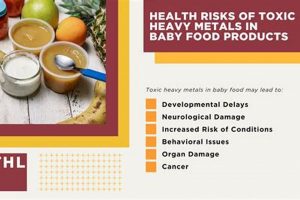
The presence of naturally occurring elements like arsenic, lead, cadmium, and mercury in food products designed for infants and young children has become a topic of increasing scrutiny. These elements, classified as heavy metals, can be absorbed by plants from soil and water during cultivation, ultimately finding their way into processed foods. While these elements may be present in various foods, their presence in baby food raises specific concerns due to infants’ and young children’s heightened vulnerability to potential adverse health effects.
Addressing the levels of these elements in infant food is paramount due to the potential for long-term health consequences, including neurological and developmental issues. Governmental bodies and consumer advocacy groups are increasingly focused on establishing and enforcing stringent safety standards and advocating for greater transparency in manufacturing processes. This scrutiny fosters heightened awareness among parents and caregivers, influencing purchasing decisions and encouraging manufacturers to prioritize product safety.
Understanding the sources of contamination, regulatory efforts, and potential mitigation strategies is crucial for ensuring the safety of food intended for infants. Subsequent sections will delve into the specific heavy metals of concern, explore current regulatory frameworks, and discuss strategies for minimizing exposure risk to young children.
Mitigating Heavy Metal Exposure in Infant Food
Reducing the risk of infant exposure to heavy metals through dietary choices requires a multi-faceted approach. The following guidelines emphasize informed decision-making and proactive strategies.
Tip 1: Prioritize Single-Ingredient Foods: Offer infants single-ingredient purees made from whole fruits and vegetables. This practice allows parents to identify potential sources of contamination more easily.
Tip 2: Rotate Food Choices: Avoid relying on the same food items consistently. Varying the diet can minimize the cumulative exposure to any single heavy metal present in certain foods.
Tip 3: Review Rice Cereal Consumption: While rice cereal has been a traditional first food, consider alternatives such as oat, barley, or multi-grain cereals. Rice tends to accumulate arsenic from the soil more readily than other grains.
Tip 4: Diligently Check Product Labels: Scrutinize product labels for information regarding heavy metal testing or certifications. Opt for brands that demonstrate a commitment to quality control.
Tip 5: Prepare Homemade Purees When Possible: Preparing baby food at home from fresh, locally sourced ingredients allows for greater control over the quality of ingredients used. Thoroughly wash all produce before preparation.
Tip 6: Be Mindful of Water Sources: Consider the source of water used to prepare formula or baby food. If well water is used, regular testing for contaminants, including heavy metals, is recommended.
Tip 7: Consult with a Pediatrician: Discuss concerns about heavy metal exposure with a pediatrician. They can provide personalized dietary recommendations and guidance based on the infant’s specific needs.
These strategies empower caregivers to take proactive steps in minimizing infant exposure, promoting healthier dietary habits and minimizing potential risks.
The following sections will explore regulatory actions and continued research efforts related to heavy metal levels in baby food.
1. Arsenic Contamination

Arsenic contamination is a critical component of the larger issue of “good and gather baby food heavy metals.” Rice, a common ingredient in baby food products including those marketed under the Good and Gather brand, is known to absorb arsenic from the soil. This absorption presents a potential pathway for inorganic arsenic, a known human carcinogen, to enter the food chain and ultimately be consumed by infants. The levels of inorganic arsenic in rice-based products, therefore, directly contribute to the overall heavy metal content and associated health risks.
The importance of addressing arsenic contamination in baby food stems from infants’ heightened vulnerability. Due to their smaller body weight and developing organ systems, infants are more susceptible to the toxic effects of arsenic. Long-term exposure, even at low levels, has been linked to potential cognitive impairments and an increased risk of certain cancers later in life. Consequently, manufacturers of baby food, including Good and Gather, must implement rigorous testing and sourcing practices to minimize arsenic levels in their products.
Mitigating arsenic contamination requires a multi-pronged approach. This includes sourcing rice from regions with lower arsenic levels in the soil, employing processing techniques that reduce arsenic content, and providing clear labeling that informs consumers about the potential presence of arsenic. Regular testing of finished products is also essential to ensure compliance with established safety standards. The successful management of arsenic contamination is not merely a regulatory requirement but a fundamental ethical obligation for manufacturers of infant food products.
2. Lead Exposure

Lead exposure, in the context of “good and gather baby food heavy metals,” represents a serious health concern due to its neurotoxic effects, particularly on developing brains. The presence of lead in baby food, even in trace amounts, warrants careful examination and mitigation strategies.
- Sources of Lead Contamination
Lead can enter baby food through various pathways, including contaminated soil, water sources used in processing, and manufacturing equipment. Packaging materials have also been identified as a potential source. Identifying and eliminating these sources is critical for minimizing lead levels in finished products. Good and Gather, like other manufacturers, must ensure rigorous testing and sourcing protocols to prevent contamination at each stage of production.
- Neurological Impacts on Infants
Infants and young children are especially vulnerable to the harmful effects of lead. Exposure can lead to developmental delays, learning disabilities, and behavioral problems. Even low levels of lead in the blood can negatively impact cognitive function. Therefore, minimizing lead exposure through baby food is essential for protecting children’s neurodevelopmental health. Any detectable level of lead in a product intended for infants should be considered unacceptable.
- Regulatory Standards and Testing
The Food and Drug Administration (FDA) sets limits for lead in baby food and other food products. Manufacturers are responsible for ensuring their products meet these standards through regular testing. The FDA has proposed action levels for lead in certain baby foods to further reduce exposure. Good and Gather is expected to comply with these regulations and implement robust testing programs to verify the safety of its products.
- Mitigation and Prevention Strategies
Strategies to reduce lead exposure include careful selection of ingredients, regular testing of raw materials and finished products, and implementation of strict quality control measures during manufacturing. Employing lead-free equipment and packaging is also crucial. Transparency in testing results and clear communication with consumers can build trust and provide reassurance about the safety of Good and Gather baby food.
Addressing lead exposure is a continuous process that requires ongoing vigilance and proactive measures. By understanding the sources of lead contamination, implementing effective mitigation strategies, and adhering to regulatory standards, Good and Gather can minimize the risk of lead exposure in its baby food products and safeguard the health of infants.
3. Cadmium Levels

Cadmium, a toxic heavy metal, is a pertinent component of the “good and gather baby food heavy metals” discussion. It occurs naturally in the environment and can contaminate food crops through soil and water absorption. Cadmium levels in baby food are of particular concern due to infants’ heightened vulnerability to heavy metal toxicity. The presence of cadmium contributes to the overall burden of heavy metals in “good and gather baby food,” influencing the safety and potential health risks associated with its consumption. For instance, root vegetables like sweet potatoes and carrots, often used in baby food formulations, can accumulate cadmium from the soil, thereby increasing cadmium levels in the final product.
The determination of cadmium levels necessitates rigorous testing and monitoring protocols. Manufacturers must adhere to established regulatory limits for cadmium in baby food to minimize potential health risks. Effective mitigation strategies include sourcing ingredients from regions with lower cadmium levels in the soil and implementing processing techniques that reduce cadmium content. For example, blanching vegetables before pureeing can help reduce cadmium levels. Furthermore, transparent labeling practices should inform consumers about the cadmium levels in “good and gather baby food,” fostering informed purchasing decisions.
Managing cadmium levels within “good and gather baby food” is a multifaceted challenge requiring continuous effort. The implementation of best practices in sourcing, processing, and testing is essential for ensuring product safety. Ongoing research into cadmium accumulation in food crops and effective mitigation strategies remains crucial. By prioritizing cadmium level control, manufacturers can minimize the potential health risks associated with this heavy metal, safeguarding the health and well-being of infants.
4. Mercury Concerns
Mercury contamination, while less frequently discussed in the context of baby food compared to arsenic, lead, and cadmium, nonetheless constitutes a valid concern within the broader discussion of “good and gather baby food heavy metals.” Its presence, even in trace amounts, necessitates scrutiny due to its potential neurotoxic effects on infants and young children.
- Sources of Mercury Contamination
The primary pathway for mercury contamination in food products is through fish and seafood. However, certain agricultural practices or environmental conditions can lead to mercury accumulation in soil, potentially affecting crops used in baby food production. While direct mercury contamination in plant-based baby food is relatively rare, it remains a potential risk that warrants monitoring. Specifically, cross-contamination during processing and packaging, though unlikely, should not be discounted.
- Forms of Mercury and Toxicity
Mercury exists in various forms, including elemental, inorganic, and organic mercury. Methylmercury, an organic form primarily found in fish, is the most toxic. While fish is not a typical ingredient in most “good and gather baby food” products, the potential presence of other mercury forms from environmental sources necessitates evaluation. The toxicity of mercury primarily affects the developing nervous system, impacting cognitive and motor functions. The degree of harm depends on the dose, duration, and timing of exposure.
- Regulatory Oversight and Testing
Regulatory agencies like the FDA establish acceptable mercury levels in various food products. Although regulations might not explicitly target mercury in plant-based baby food with the same stringency as in seafood, general food safety standards require manufacturers to minimize all potential contaminants. Testing for mercury, along with other heavy metals, is essential to ensure compliance with these standards and safeguard infant health. “Good and gather baby food” manufacturers are expected to have quality control measures in place to detect and prevent mercury contamination.
- Mitigation Strategies and Consumer Awareness
Minimizing mercury exposure involves careful sourcing of ingredients, monitoring agricultural practices, and implementing stringent quality control measures during processing. Transparency regarding testing results and clear communication about potential risks can build consumer trust. While the risk of mercury contamination in “good and gather baby food” might be lower than other heavy metals, ongoing vigilance and proactive measures are vital. Choosing products from reputable brands with a demonstrated commitment to safety is also a practical step for concerned parents.
The potential, albeit relatively low, for mercury contamination reinforces the importance of a comprehensive approach to managing heavy metal risks in “good and gather baby food.” This includes rigorous testing, transparent communication, and continuous efforts to minimize all potential sources of contamination, ensuring the safety and well-being of infants and young children.
5. Regulatory Limits

Regulatory limits pertaining to heavy metals in baby food are crucial for safeguarding infant health, particularly in products like “good and gather baby food heavy metals”. These limits are established by governmental agencies to minimize exposure to toxic substances that can impede neurological development and overall well-being.
- FDA Action Levels for Heavy Metals
The Food and Drug Administration (FDA) sets action levels for certain heavy metals, such as lead and arsenic, in various food products, including baby food. These levels are based on scientific assessments of potential health risks and represent the maximum permissible concentration of these substances. Manufacturers of “good and gather baby food” must comply with these action levels to ensure their products are safe for consumption. Exceeding these limits can result in product recalls and legal repercussions.
- Compliance and Testing Requirements
To ensure adherence to regulatory limits, manufacturers are required to implement comprehensive testing programs. This involves regular analysis of raw materials and finished products for heavy metal content. Accurate record-keeping and transparent reporting are essential components of compliance. The FDA conducts periodic inspections of manufacturing facilities to verify compliance and can take enforcement actions against companies that fail to meet regulatory standards. This rigorous testing regime is directly applicable to “good and gather baby food heavy metals”, holding them accountable.
- International Standards and Harmonization
While the FDA regulates the US market, international organizations such as the World Health Organization (WHO) and the Codex Alimentarius Commission also establish guidelines for heavy metal levels in food. Efforts are underway to harmonize regulatory standards across different countries to ensure consistent levels of safety worldwide. Manufacturers of “good and gather baby food heavy metals” who export their products must comply with the regulatory requirements of the importing countries, which may differ from US standards.
- Impact on Product Formulation and Sourcing
Regulatory limits influence product formulation and ingredient sourcing decisions. Manufacturers may need to adjust their recipes or seek alternative suppliers to meet regulatory requirements. For instance, if a particular batch of rice contains elevated levels of arsenic, the manufacturer may need to reject that batch or implement processing techniques to reduce arsenic content. This has a direct bearing on “good and gather baby food heavy metals” where ingredient selection is critically reviewed.
In summation, adherence to regulatory limits is a fundamental aspect of ensuring the safety of “good and gather baby food heavy metals”. Consistent monitoring, rigorous testing, and proactive ingredient management are essential strategies for maintaining compliance and protecting infant health. The pursuit of harmonized international standards further underscores the global commitment to minimizing heavy metal exposure through food.
6. Testing Protocols

The phrase “good and gather baby food heavy metals” necessitates comprehensive testing protocols to ensure product safety and regulatory compliance. These protocols serve as a critical control measure, designed to detect and quantify the presence of heavy metals, such as arsenic, lead, cadmium, and mercury, in raw materials and finished products. The effectiveness of these protocols directly influences the extent to which manufacturers can mitigate potential health risks associated with infant exposure to these contaminants. A well-defined testing strategy involves not only the selection of appropriate analytical methods but also rigorous sampling procedures and quality control measures to guarantee reliable and accurate results.
The implementation of testing protocols can be observed in real-world scenarios. For instance, if routine testing reveals elevated levels of arsenic in a particular batch of rice flour used in “good and gather baby food,” the manufacturer is obligated to reject the ingredient or implement processing techniques to reduce arsenic content. Similarly, the detection of lead in packaging materials would necessitate an immediate change in suppliers. These examples highlight the practical significance of testing protocols as a proactive mechanism for identifying and addressing potential sources of heavy metal contamination. Regular auditing of testing procedures, coupled with transparency in reporting results, further enhances consumer confidence and reinforces the brand’s commitment to product safety.
In conclusion, testing protocols are inextricably linked to the concept of “good and gather baby food heavy metals,” serving as a cornerstone of risk management and quality assurance. While challenges persist in achieving complete elimination of heavy metals, the consistent and rigorous application of testing protocols represents a tangible and demonstrable effort to minimize infant exposure and uphold regulatory standards. Continued investment in advanced analytical techniques and a commitment to transparency remain paramount for ensuring the safety and nutritional integrity of baby food products.
Frequently Asked Questions
The following questions and answers address common concerns regarding the presence of heavy metals in Good and Gather baby food and their potential impact on infant health.
Question 1: Are heavy metals naturally present in baby food?
Heavy metals, such as arsenic, lead, cadmium, and mercury, are naturally occurring elements found in the environment. They can be absorbed by plants from soil and water, subsequently finding their way into various food products, including baby food.
Question 2: What are the potential health risks associated with heavy metal exposure in infants?
Infants and young children are particularly vulnerable to the toxic effects of heavy metals due to their smaller body size and developing organ systems. Exposure can lead to neurological damage, developmental delays, and an increased risk of certain cancers later in life.
Question 3: What regulatory measures are in place to control heavy metal levels in baby food?
Government agencies, such as the Food and Drug Administration (FDA), establish action levels for heavy metals in baby food. Manufacturers are required to comply with these limits through rigorous testing and quality control measures.
Question 4: How does Good and Gather test its baby food for heavy metals?
Good and Gather implements testing protocols, which include regular analysis of raw materials and finished products for heavy metal content. This testing ensures compliance with regulatory standards and minimizes potential risks to consumers.
Question 5: What steps can parents take to minimize their infant’s exposure to heavy metals through baby food?
Parents can minimize exposure by prioritizing single-ingredient foods, rotating food choices, limiting rice cereal consumption, and preparing homemade purees when possible. Reviewing product labels and consulting with a pediatrician are also beneficial.
Question 6: Where can I find information about Good and Gather’s heavy metal testing results?
Consumers can typically find information about a company’s testing practices on their website or by contacting customer service. Transparency in testing results fosters consumer trust and enables informed purchasing decisions.
In summary, understanding the sources of heavy metals, regulatory frameworks, and personal mitigation strategies is vital for ensuring the safety of baby food products. Ongoing research and continuous improvements in testing and manufacturing practices are essential for minimizing infant exposure and promoting optimal health.
Consider researching trusted baby food brands and consulting with your child’s pediatrician to help determine optimal dietary guidelines for your infant.
Conclusion
The examination of “good and gather baby food heavy metals” underscores the persistent concern surrounding naturally occurring contaminants in infant nutrition. Stringent regulatory standards, coupled with rigorous testing protocols, are essential for mitigating potential health risks. The presence of heavy metals, even in trace amounts, warrants continuous vigilance and proactive management strategies throughout the production process.
Ultimately, ensuring the safety and nutritional integrity of baby food remains a shared responsibility. Continued research, technological advancements, and transparent communication are paramount for minimizing infant exposure to heavy metals and fostering a healthier future generation. Prioritizing consumer awareness and promoting informed decision-making empowers caregivers to make choices aligned with their child’s well-being.