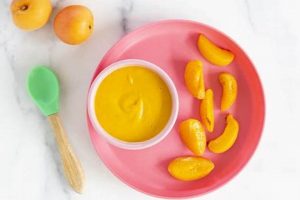
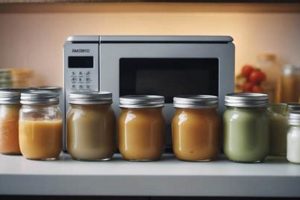
The process of preparing pears for infant consumption involves transforming the raw fruit into a smooth, easily digestible pure. This typically entails washing, peeling, and coring ripe pears, followed by steaming or baking to soften the flesh. The softened pear is then blended or mashed to achieve a consistency suitable for a baby’s developmental stage.
Introducing pears as a first food offers several advantages. Pears are naturally sweet, making them palatable for infants, and are generally well-tolerated due to their low allergenic potential. Furthermore, pears provide essential nutrients, including fiber, which can aid in digestion and prevent constipation. Historically, fruit pures have been a common and readily available option for introducing solid foods to infants worldwide.
Subsequent sections will detail specific methods for preparing pear pure, outlining necessary equipment, step-by-step instructions, and considerations for storage and safety. This will equip caregivers with the knowledge to confidently prepare nutritious and age-appropriate meals.
Preparation Suggestions
These recommendations are intended to optimize the process of creating pear pure for infants, ensuring both nutritional value and safety.
Tip 1: Select Ripe Pears. Choose pears that yield slightly to gentle pressure, indicating optimal ripeness and natural sweetness. Avoid pears that are overly hard or have blemishes.
Tip 2: Steam or Bake Instead of Boil. Steaming or baking pears helps preserve more of their nutrients compared to boiling, which can leach nutrients into the water.
Tip 3: Use a High-Speed Blender. A high-speed blender will ensure an exceptionally smooth pure, minimizing the risk of choking and maximizing ease of consumption for the infant.
Tip 4: Incorporate Breast Milk or Formula. Adjust the pure’s consistency by adding breast milk or formula. This provides familiar flavors and increases the nutritional content of the pure.
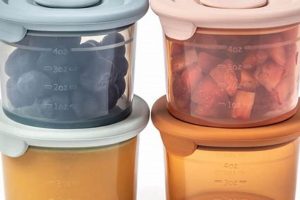
Tip 5: Store Properly. Properly stored pear pure in airtight containers can be refrigerated for up to three days or frozen for up to three months. Always label containers with the date of preparation.
Tip 6: Test for Allergies. Introduce pear pure in small quantities and observe the infant for any signs of allergic reaction before incorporating it fully into the diet.
Tip 7: Consider Organic Pears. Choosing organic pears will minimize the infant’s exposure to pesticides. Thoroughly washing non-organic pears is essential.
Tip 8: Introduce Textures Gradually. As the infant develops, gradually introduce thicker textures by reducing the blending time or incorporating small, soft pieces of pear.
Adherence to these guidelines will contribute to the successful integration of pear pure into an infant’s diet, promoting healthy growth and development.
The subsequent section will conclude this discussion with final considerations for incorporating pear baby food into a balanced infant diet.
1. Preparation
The “Preparation” phase is foundational to the creation of safe and nutritious pear pure for infants. It encompasses all activities preceding the actual cooking or blending of the pears, directly impacting the final product’s quality and suitability for consumption by a developing digestive system.
- Selection of Pears
Choosing pears that are appropriately ripe is paramount. Underripe pears may be difficult to digest and lack natural sweetness, while overripe pears may exhibit signs of spoilage. Optimal ripeness is indicated by a slight give when gentle pressure is applied. Sourcing organic pears minimizes exposure to pesticides, requiring less stringent washing procedures. Conventional pears necessitate thorough washing to remove surface contaminants.
- Washing and Peeling
Effective washing removes dirt, debris, and potential pesticide residue from the pear’s surface. The use of a fruit and vegetable wash is permissible, followed by a thorough rinsing under running water. Peeling is recommended to remove the skin, which can be difficult for infants to digest, and may contain higher concentrations of pesticide residue if non-organic pears are used. The skin can also alter the final texture, making it less smooth.
- Coring and Slicing
Coring eliminates the seed-containing core, which is inedible. Slicing the pear into uniform pieces ensures even cooking. Uniform slicing facilitates consistent softening of the pear flesh during steaming or baking, which is crucial for achieving a smooth, lump-free pure. Unevenly sized pieces can lead to inconsistent textures and potential choking hazards.
- Equipment Sanitization
Ensuring all equipment that will come into contact with the pear is clean and sanitized is a critical step in minimizing the risk of bacterial contamination. This includes cutting boards, knives, steamers, blenders, and storage containers. Washing these items in hot, soapy water and then sanitizing with a food-safe sanitizer or boiling water is recommended.
These preparatory steps, when meticulously executed, establish the groundwork for a safe and nutritious pear pure. Neglecting these stages can compromise the quality and safety of the final product, potentially impacting the infant’s health and well-being. A meticulous approach to preparation is non-negotiable.
2. Ingredients

The selection of ingredients is paramount to creating suitable nourishment for infants. The quality, source, and handling of ingredients directly influence the nutritional value, safety, and digestibility of the final pear puree.
- Primary Ingredient: Pears
The pear variety significantly impacts the final product. Bartlett, Anjou, or Bosc pears are commonly used due to their naturally sweet flavor and soft texture when cooked. The selection of organic pears mitigates the risk of pesticide exposure, a critical consideration for infant food. Regardless of the source, ensuring the pears are ripe, free from blemishes, and of good quality is crucial.
- Liquid Medium: Water, Breast Milk, or Formula
Liquids serve to adjust the consistency of the pure to a texture appropriate for the infant’s developmental stage. Water is a neutral option; however, breast milk or formula provides added nutritional benefits and familiar flavors. The choice of liquid should be based on the infant’s age, dietary needs, and any existing allergies or sensitivities.
- Optional Additives: Spices or Flavor Enhancers
While generally discouraged for initial introduction to solid foods, small quantities of spices like cinnamon or nutmeg can add flavor complexity for older infants. It is imperative to introduce new spices gradually and observe for any allergic reactions. Artificial flavor enhancers and added sugars should be strictly avoided.
- Preservation Considerations: Lemon Juice or Ascorbic Acid
To prevent oxidation and browning of the pear pure, a small amount of lemon juice or ascorbic acid (Vitamin C) can be added. This is particularly relevant when preparing large batches for storage. The quantity used should be minimal to avoid altering the flavor profile significantly.
The careful selection and preparation of these ingredients directly impacts the final outcome and the infant’s acceptance and tolerance of the pear pure. Prioritizing fresh, high-quality ingredients, and avoiding unnecessary additives contributes to a healthier and more nutritious food for the developing infant.
3. Equipment

The effective creation of pear-based infant nourishment necessitates specific equipment, impacting the safety, texture, and nutritional integrity of the final product. The selection and proper utilization of tools directly influence the efficiency and quality of the preparation process. Failure to employ appropriate equipment can result in inconsistent textures, potential contamination, and nutrient loss, underscoring the critical connection between tools and outcome. For instance, using a dull knife can lead to uneven pear slices, affecting cooking consistency. A substandard blender may produce a lumpy pure, posing a choking hazard to the infant.
Steaming equipment, such as a steamer basket or electric steamer, helps preserve nutrients during the cooking process, compared to boiling, where water-soluble vitamins can leach out. The blending stage benefits from a high-powered blender or food processor, capable of creating a uniformly smooth pure, essential for infants transitioning to solid foods. Precise measurement tools, like measuring cups and spoons, ensure consistent ingredient ratios, especially when adding liquids to achieve the desired consistency. Storage containers, preferably airtight and BPA-free, are vital for maintaining the freshness and safety of prepared pure, preventing bacterial growth and nutrient degradation during refrigeration or freezing.
In summary, the correct equipment constitutes an indispensable element in the preparation of pear-based infant food. Investing in quality tools, employing them correctly, and maintaining their cleanliness directly impacts the nutritional value, safety, and suitability of the final product for infant consumption. The careful selection and responsible use of equipment are, therefore, fundamental to ensuring the health and well-being of the infant.
4. Safety

Safety is paramount in the context of preparing pear-based nourishment for infants. The immature digestive and immune systems of infants render them particularly vulnerable to foodborne illnesses and allergic reactions. Adherence to rigorous safety protocols is, therefore, not merely a recommendation but a necessity. Improper food handling and preparation can introduce harmful bacteria, such as E. coli or Salmonella, leading to severe gastrointestinal distress in infants. Similarly, introducing allergenic foods without proper observation can trigger adverse reactions, ranging from mild skin rashes to life-threatening anaphylaxis. The “how to make pear baby food” context, therefore, demands meticulous attention to sanitation, ingredient selection, and preparation techniques.
Practical applications of safety protocols include thorough washing of both the pears and all equipment used in the preparation process. Steaming or baking pears, rather than boiling, reduces the risk of nutrient loss and minimizes the potential for bacterial growth. Pureeing the cooked pears to a smooth, lump-free consistency eliminates potential choking hazards. Storing the prepared pear pure in airtight containers at appropriate temperatures prevents bacterial proliferation. Furthermore, following the four-day wait rule, introducing new foods separately to monitor for allergic reactions, is critical to safe feeding practices. Documented cases of infant botulism linked to improperly prepared homemade foods underscore the grave consequences of neglecting these safety measures.
In conclusion, the relationship between safety and “how to make pear baby food” is direct and critical. Prioritizing hygiene, selecting appropriate ingredients, employing safe cooking and storage methods, and carefully monitoring for allergic reactions are essential components of responsible infant feeding practices. Challenges in this area include maintaining consistent adherence to safety protocols and remaining vigilant for emerging food safety concerns. However, the understanding and rigorous implementation of these safety measures are indispensable for safeguarding the health and well-being of infants.
5. Storage

Storage protocols are intrinsically linked to the preparation of pear pure for infants, acting as a critical control point to maintain safety and nutritional integrity. Proper storage extends the usability of prepared food, while minimizing the risk of bacterial contamination and nutrient degradation, both of which are of paramount importance for infant health.
- Refrigeration Guidelines
Refrigeration serves as a short-term preservation method. Prepared pear pure should be transferred to airtight containers and stored at temperatures below 40F (4C). This inhibits the growth of many pathogenic bacteria. The pure typically remains safe for consumption for up to 72 hours under these conditions. Beyond this timeframe, the risk of bacterial proliferation increases significantly, potentially leading to foodborne illness in the infant.
- Freezing Techniques
Freezing provides a longer-term storage solution. Pear pure should be portioned into small, individual servings and frozen promptly after preparation. Freezing rapidly minimizes the formation of large ice crystals, which can negatively impact the texture of the pure. Proper freezer temperatures of 0F (-18C) or lower can preserve the pure for up to three months without significant nutrient loss. Thawing should occur in the refrigerator to inhibit bacterial growth, and the pure should be consumed within 24 hours of thawing.
- Container Selection and Sanitation
The type of container used for storage impacts both safety and quality. Glass or BPA-free plastic containers are recommended to prevent the leaching of harmful chemicals into the food. All containers must be thoroughly washed and sanitized before use to eliminate potential sources of contamination. Labeling containers with the date of preparation is essential for tracking storage time and ensuring the use of fresh product.
- Impact on Nutritional Value
Storage conditions influence the retention of essential nutrients. Prolonged storage, particularly at elevated temperatures, can lead to the degradation of vitamins, especially Vitamin C. Proper refrigeration and freezing practices help minimize this nutrient loss. Consuming the pure within recommended timeframes ensures that the infant receives the maximum nutritional benefit from the prepared food. Thawed pure should not be refrozen, as this further degrades the texture and nutritional content.
The effectiveness of the methods to prepare pear pure hinges upon adherence to rigorous storage procedures. These procedures mitigate risks associated with bacterial contamination and nutrient degradation, thereby safeguarding infant health. The integration of these guidelines into the “how to make pear baby food” routine assures a safe and nutritious dietary choice.
6. Nutritional Value
The nutritional composition of pear pure, prepared as an initial solid food for infants, demands careful consideration. The process must aim to preserve inherent nutrients while minimizing the introduction of detrimental substances. Nutritional value is a central tenet when considering preparation methods.
- Vitamin Content Preservation
Pears contain vitamins, including Vitamin C and Vitamin K, which are susceptible to degradation during processing. Steaming, as opposed to boiling, minimizes the leaching of water-soluble vitamins into the cooking liquid, thereby retaining a greater proportion of these essential micronutrients within the final pure. Prolonged exposure to heat should be avoided to further preserve vitamin content.
- Fiber Considerations
Pears provide dietary fiber, beneficial for promoting healthy bowel function in infants. The fiber content can be altered by the preparation method. While peeling removes some fiber, pureing the flesh retains a significant portion. The consistency of the pure should be adjusted to avoid overwhelming the infant’s digestive system with excessive fiber, which can lead to discomfort or diarrhea.
- Mineral Retention
Pears contain minerals, such as potassium, which are vital for maintaining electrolyte balance. Similar to vitamins, mineral content can be affected by processing techniques. Minimal processing, such as gentle steaming, aids in retaining these essential minerals within the pure. The use of filtered water can also contribute to minimizing mineral loss during steaming.
- Natural Sugars and Acidity
Pears possess natural sugars, primarily fructose, contributing to their palatability. However, excessive fructose intake can contribute to digestive upset in some infants. The inherent acidity of pears can also affect infants with sensitivities. Balancing sweetness and acidity can be achieved by selecting ripe, but not overripe, pears and avoiding the addition of supplementary sweeteners or acidic ingredients, such as lemon juice, unless necessary for preservation.
The preparation must balance maximizing nutrient retention with digestibility and minimizing potential adverse effects. Through careful selection of ingredients and appropriate processing techniques, pear pure can serve as a nutritionally sound and well-tolerated initial food for infants, contributing to their healthy growth and development. This consideration emphasizes the importance of understanding both the nutrient profile of pears and the impact of preparation methods on their bioavailability.
7. Age Appropriateness

The consideration of age appropriateness is fundamental to the successful integration of pear pure into an infant’s diet. Developmental stages dictate the texture, consistency, and quantity of food that an infant can safely and effectively consume. Preparation techniques must align with these evolving capabilities to minimize risks and maximize nutritional benefit.
- Initial Introduction (4-6 Months)
At this stage, infants typically possess limited oral motor skills. The pure must be extremely smooth, free of any lumps or fibrous material. A liquid-like consistency, achieved through extensive blending and the addition of breast milk or formula, is essential. Initial servings should be small, typically one to two teaspoons, allowing the infant to adapt to the new texture and flavor while monitoring for allergic reactions.
- Transitional Phase (6-8 Months)
As infants develop improved oral motor control, the texture of the pure can be gradually thickened. The introduction of slightly thicker consistencies prepares the infant for more solid foods. Small amounts of finely mashed pear can be incorporated into the smooth pure. Serving sizes can be increased proportionally to the infant’s appetite and tolerance.
- Advanced Textures (8-10 Months)
At this stage, infants are typically capable of handling more textured foods. The pure can include small, soft pieces of pear, encouraging chewing and further developing oral motor skills. The consistency can be thickened to a mashed potato-like texture. Supervision remains critical to prevent choking, and the size of the pear pieces should be carefully controlled.
- Quantity and Frequency Adjustments
As the infant’s diet expands to include a variety of foods, the quantity and frequency of pear pure consumption should be adjusted accordingly. Pear pure should complement, not replace, breast milk or formula as the primary source of nutrition. Monitoring the infant’s growth and development, in consultation with a pediatrician, is essential for determining appropriate serving sizes and dietary adjustments.
The dynamic relationship between age and “how to make pear baby food” necessitates continuous evaluation and adaptation. As infants progress through developmental milestones, adjustments to preparation techniques and serving characteristics are crucial for ensuring safe and effective nutritional support. A rigid adherence to age-appropriate guidelines is essential for fostering healthy eating habits and promoting optimal growth and development.
Frequently Asked Questions
This section addresses common inquiries and concerns related to the preparation and administration of pear-based nourishment for infants.
Question 1: Can pear skin be included in infant pure?
The inclusion of pear skin is generally not recommended for infants. The skin can be difficult to digest and may pose a choking hazard due to its texture. Furthermore, non-organic pear skin may contain pesticide residues. Peeling pears prior to pureing is advisable.
Question 2: Is it necessary to cook pears before pureing?
Cooking pears prior to pureing is recommended to soften the fruit and enhance digestibility. Steaming or baking are preferred methods, as they preserve more nutrients compared to boiling. Raw pear can be difficult for infants to digest and may cause gastrointestinal discomfort.
Question 3: How can oxidation (browning) of pear pure be prevented?
Oxidation, resulting in browning, can be minimized by adding a small amount of lemon juice or ascorbic acid (Vitamin C) to the pure. This inhibits enzymatic browning without significantly altering the flavor profile. Storing the pure in airtight containers also reduces exposure to oxygen.
Question 4: What is the recommended storage duration for homemade pear pure?
Homemade pear pure can be refrigerated for up to 72 hours when stored in airtight containers at temperatures below 40F (4C). For longer-term storage, freezing is recommended. Frozen pure can be stored for up to three months without significant nutrient loss. Thawed pure should not be refrozen.
Question 5: Can spices be added to pear pure for infants?
The addition of spices to pear pure is generally discouraged for initial introduction to solid foods. Infants should first be introduced to individual flavors to assess for potential allergies. Small quantities of spices, such as cinnamon or nutmeg, may be considered for older infants, but should be introduced cautiously and monitored for adverse reactions.
Question 6: How can the consistency of pear pure be adjusted for different age groups?
For younger infants (4-6 months), the pure should be extremely smooth and liquid-like, achieved through extensive blending and the addition of breast milk or formula. As infants develop (6-8 months), the consistency can be gradually thickened. Older infants (8-10 months) can tolerate pure with small, soft pieces of pear, promoting chewing and oral motor development.
These responses represent evidence-based recommendations for preparing and administering pear pure to infants, aimed at optimizing safety and nutritional benefit.
The subsequent section will present a concise summary of key considerations for creating pear pure for infants.
Conclusion
The exploration of “how to make pear baby food” underscores the multifaceted nature of preparing infant nourishment. Key points include the selection of appropriate ingredients, adherence to rigorous safety protocols, utilization of suitable equipment, and careful consideration of age-appropriate textures and consistencies. Effective storage techniques are also critical for maintaining both safety and nutritional value.
The information presented serves as a foundation for informed decision-making in infant feeding practices. Continued vigilance in adhering to established safety guidelines and adapting preparation methods to meet individual infant needs remain essential for promoting optimal health and development. Further research and consultation with healthcare professionals are encouraged to ensure the best possible outcomes.