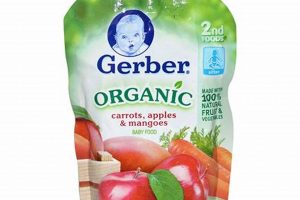
A food preparation system, often utilizing a high-powered blender, allows caregivers to create pured meals suitable for infants and toddlers. This approach involves blending fresh ingredients, such as fruits, vegetables, and cooked meats, to achieve a smooth consistency appropriate for early stages of weaning and dietary introduction. For example, parents can combine steamed sweet potatoes, apples, and breast milk or formula to produce a nutritious and easily digestible meal.
The practice offers several advantages, including control over ingredient quality and customization for specific dietary needs or allergies. Homemade meals can minimize exposure to preservatives and additives often found in commercially prepared options. Historically, the preparation of infant meals was a labor-intensive process; modern blending technology streamlines this task, allowing for efficient and convenient meal creation.
The following discussion will delve into the optimal methods for utilizing such a system, explore recommended recipes, address safety considerations, and examine the nutritional benefits associated with this method of infant food preparation.
Tips for Preparing Infant Meals
The creation of nutritious and palatable infant meals necessitates adherence to specific guidelines. Proper preparation techniques ensure both safety and optimal nutritional content.
Tip 1: Ingredient Selection: Prioritize fresh, high-quality produce and lean protein sources. Organic options are preferred to minimize exposure to pesticides.
Tip 2: Thorough Cleaning: Wash all fruits and vegetables meticulously under running water. Scrub firm produce with a vegetable brush.
Tip 3: Proper Cooking: Steam or bake ingredients until tender. Avoid frying, as it introduces unnecessary fats.
Tip 4: Portioning and Freezing: Prepare meals in bulk and freeze in individual portions using ice cube trays or small containers. This ensures convenient access to nutritious meals.
Tip 5: Thawing and Reheating: Thaw frozen meals in the refrigerator overnight. Reheat gently on the stovetop or in a microwave, ensuring even heating.
Tip 6: Texture Consistency: Adjust the consistency of meals based on the infant’s developmental stage. Begin with smooth purees and gradually introduce thicker textures as the infant matures.
Tip 7: Monitoring Allergies: Introduce new foods one at a time, waiting several days before introducing another. This allows for the identification of potential allergic reactions.
Consistent application of these strategies promotes the health and well-being of infants during the crucial weaning period. Proper techniques will ensure that the baby receives the maximum nutritional benefits.
The article will proceed to describe example recipes and more safety issues to consider when preparing infant food.
1. Nutrient Density

Nutrient density, the concentration of essential vitamins, minerals, and macronutrients relative to calorie content, is a paramount consideration when utilizing a high-powered blender to prepare infant meals. The aim is to maximize nutritional intake while ensuring age-appropriate caloric levels.
- Ingredient Variety and Synergy
Combining a diverse range of whole foods enhances nutrient density. For example, blending spinach (rich in iron and Vitamin K), sweet potato (high in Vitamin A and fiber), and avocado (a source of healthy fats and Vitamin E) creates a meal significantly more nutrient-dense than single-ingredient purees. The synergistic interaction of nutrients further amplifies their benefits; Vitamin C from fruits like mangoes enhances iron absorption from leafy greens.
- Minimizing Nutrient Loss During Preparation
Certain preparation methods can diminish nutrient content. Overcooking vegetables, for instance, can leach water-soluble vitamins. Steaming or gentle baking preserves a greater proportion of these vitamins. Additionally, incorporating raw elements like certain fruits or a small quantity of olive oil after cooking can optimize nutrient retention.
- Age-Specific Nutritional Requirements
Infant nutritional needs evolve rapidly. At six months, iron-rich foods are crucial to replenish depleted stores. Between nine and twelve months, the diet broadens to include protein sources and a wider range of vegetables. The system allows for precise tailoring of meals to meet these changing requirements, ensuring optimal growth and development.
- Fortification Strategies
When dietary restrictions exist, or when certain foods are not well-tolerated, strategic fortification can enhance nutrient density. Incorporating ingredients like ground flaxseed (for omega-3 fatty acids) or nutritional yeast (for B vitamins) can address potential deficiencies. Furthermore, breast milk or iron-fortified formula can be blended into purees to augment nutritional value.
The effective blending of these considerations culminates in highly nutrient-dense meals specifically designed to support infant health. By emphasizing ingredient variety, mitigating nutrient loss, adhering to age-specific requirements, and implementing thoughtful fortification strategies, caregivers can harness the full potential of this technology for optimal infant nutrition. The consistent application of these principles allows for meals far exceeding the nutritional value of processed commercial alternatives.
2. Texture Consistency

Texture consistency represents a critical attribute of infant meals prepared utilizing high-powered blending systems. Appropriateness of texture directly impacts both infant acceptance of food and developmental progression of oral motor skills. A well-controlled texture facilitates safe swallowing and minimizes risk of choking.
- Developmental Stages and Texture Progression
Infant feeding progresses through distinct stages, each requiring specific textural modifications. Initially, a completely smooth, lump-free puree is necessary to accommodate the immature swallowing mechanism of young infants. As infants mature, textures gradually increase in coarseness to encourage chewing and oral motor development. For instance, at six months, a pureed apple is suitable, whereas at eight months, a slightly mashed apple provides increased textural complexity.
- Achieving Uniformity with a Blending System
High-powered blending systems facilitate the creation of uniformly smooth purees, essential during initial feeding stages. These systems ensure consistent particle size, eliminating larger pieces that could pose a choking hazard. Proper operation of the system, including adequate liquid addition and sufficient blending time, is vital for achieving desired uniformity. Conversely, the blender can be used to generate texturally diverse food by simply reducing the blending time for older infants, and by adding solids after the blending process, like adding oatmeal or quinoa.
- Impact on Sensory Acceptance
Texture significantly influences an infant’s acceptance of new foods. A smooth, familiar texture can encourage initial acceptance, particularly when introducing novel flavors. Aversive reactions may occur if texture is inappropriate for the infant’s developmental stage. Therefore, careful adjustment of texture, guided by the infant’s cues, is essential. Too coarse a texture can cause aversive reactions, too smooth can hamper development.
- Considerations for Modified Diets
In cases of developmental delays or specific medical conditions, texture modification may be necessary for extended periods. The blending system offers a means to maintain adequate nutrition while accommodating swallowing difficulties or other feeding challenges. For example, individuals with dysphagia might require consistently smooth textures to minimize aspiration risk. Similarly, infants with cleft palates require liquid foods or ultra-smooth purees to aid in digestion.
Control over texture consistency, facilitated by a blending system, is an invaluable asset in infant feeding. It allows for tailoring meals to meet specific developmental needs, promotes acceptance of new foods, and accommodates medical requirements. Thoughtful manipulation of texture, coupled with careful observation of infant responses, optimizes nutrition and fosters positive feeding experiences.
3. Safety precautions

The preparation of infant meals requires adherence to rigorous safety protocols to minimize health risks. A blending system facilitates the creation of these meals; however, improper operation or inadequate attention to hygiene can negate potential benefits. Thorough sanitation of equipment, appropriate food handling practices, and awareness of allergenic potential are crucial factors. For example, residual bacteria in a poorly cleaned blender can contaminate the meal, potentially leading to gastrointestinal distress in the infant.
Proper food handling extends beyond equipment sanitation. Careful attention must be given to ingredient storage and preparation. Raw meats, poultry, and seafood should be cooked to appropriate internal temperatures to eliminate harmful pathogens. Cross-contamination must be avoided by using separate cutting boards and utensils for raw and cooked foods. Furthermore, newly introduced foods must be provided in isolation, allowing for identification of potential allergic reactions, with common allergens like peanuts and shellfish being introduced slowly and carefully. For example, introduce egg yolk alone and monitor for a few days before introducing other food to the baby.
In summary, the utilization of a blending system for infant meal preparation necessitates a comprehensive understanding and strict adherence to safety guidelines. These measures encompass equipment sanitation, appropriate food handling practices, and allergy awareness. Failure to implement these precautions can result in adverse health consequences, thereby undermining the nutritional benefits of homemade infant food. Thus, knowledge of and compliance with safety protocols are inextricably linked to the responsible preparation of meals with such systems.
4. Ingredient Freshness

The practice of preparing infant meals with a high-powered blending system places significant emphasis on ingredient freshness. The nutritional integrity of the final product is directly contingent upon the quality of the raw materials. Deterioration in freshness can precipitate a cascade of adverse effects, ranging from diminished vitamin content to the proliferation of harmful bacteria. For example, produce that has begun to decompose may harbor molds or bacteria that are particularly dangerous for infants with immature immune systems. Therefore, adherence to strict protocols regarding ingredient selection and storage is paramount.
Practical applications of this principle are evident in several aspects of meal preparation. Sourcing produce directly from local farms or farmers’ markets often allows for access to fresher ingredients compared to those found in conventional grocery stores. Storage protocols, such as refrigerating fruits and vegetables promptly after purchase and utilizing airtight containers, help to slow the degradation process. Furthermore, the timing of meal preparation should align with the freshness timeline; ideally, meals are prepared and consumed or frozen shortly after ingredient acquisition to maximize nutritional value. For example, preparing a fruit puree the same day that the fruit is purchased ensures higher vitamin content compared to preparing it several days later.
In conclusion, ingredient freshness represents a non-negotiable component of producing high-quality infant meals with blending systems. Compromising on freshness can undermine the intended nutritional benefits and introduce potential health risks. While challenges exist in consistently accessing and maintaining optimal ingredient quality, diligent attention to sourcing, storage, and preparation timelines mitigates these risks and ensures that infant meals deliver the expected nutritional support. This understanding links directly to the broader theme of responsible and informed infant feeding practices.
5. Dietary Variety
Dietary variety, defined as the consumption of a wide range of foods from different food groups, is an important factor when creating infant meals using a high-powered blending system. It influences nutritional adequacy, flavor acceptance, and the development of healthy eating habits. The preparation of blended meals provides a means of systematically introducing different foods, thereby fostering dietary variety from an early age. For example, the gradual introduction of various vegetables, fruits, grains, and protein sources, all prepared using the blending system, prevents reliance on a limited number of familiar foods. The blending system allows to combine multiple ingredients, and to hide some less tasty vegetable to help the baby getting used to different flavour.
A varied diet mitigates the risk of nutrient deficiencies associated with monotonous eating patterns. By introducing multiple food sources, caregivers can ensure the infant receives a wider spectrum of vitamins, minerals, and macronutrients essential for growth and development. This strategy also reduces the likelihood of developing food aversions or pickiness later in life. For instance, regularly incorporating green vegetables, despite their potential initial rejection, exposes the infant to different flavor profiles and textures, increasing the likelihood of acceptance over time. This can be reached by mixing the vegetable to be introduced with better known, and more tasty food like potatoes or sweet potatoes.
However, the introduction of dietary variety must proceed cautiously, adhering to established guidelines regarding the introduction of new foods. This allows for the identification of potential allergens or intolerances. Implementing a systematic approach, such as introducing one new food at a time and monitoring for adverse reactions, minimizes the risk of allergic responses. By carefully combining and presenting these different ingredients, the high-powered blending system is a valuable asset for achieving dietary variety. Its use must be integrated within a well-informed and judicious approach to infant feeding to ensure optimal nutrition and promote healthy eating habits.
6. Portion control
Precise portion control constitutes a fundamental aspect of infant feeding, particularly when high-powered blending systems are utilized for meal preparation. Inappropriate portion sizes, either excessive or insufficient, can exert detrimental effects on infant health, impacting weight gain, digestive function, and the establishment of healthy eating habits. Overfeeding, for example, may lead to discomfort, regurgitation, and an increased risk of childhood obesity. Conversely, underfeeding can compromise nutritional intake, hindering growth and development. The system’s ability to efficiently create larger quantities of food necessitates diligent attention to appropriate portioning.
Practical application of portion control principles involves several key strategies. Starting with small serving sizes and gradually increasing them based on infant cues is paramount. Utilizing appropriately sized storage containers, such as small, individual-serving freezer trays or containers, facilitates accurate portioning. Monitoring infant cues of hunger and satiety, rather than rigidly adhering to pre-determined quantities, promotes responsive feeding. This strategy allows the infant to regulate their intake. Discarding uneaten portions rather than encouraging forced feeding is essential for fostering healthy eating habits. For example, if an infant consistently leaves a portion of a blended sweet potato and apple puree uneaten, reducing the portion size at subsequent feedings is advisable. Note as well that proper portion size will depend on how concentrated the food is. For a given volume, a thicker consistence will provide more energy.
In conclusion, portion control is inextricably linked to the responsible and beneficial use of blending systems for infant meal preparation. Accurate portioning, guided by infant cues and appropriate storage practices, mitigates the risks of over- or underfeeding. Consistent adherence to these practices supports optimal infant health and fosters the development of healthy eating habits, laying the foundation for long-term well-being. The blending system itself is simply a tool; its effectiveness hinges on the user’s understanding and implementation of appropriate feeding practices.
Frequently Asked Questions
This section addresses common inquiries and misconceptions regarding the use of high-powered blending systems for preparing infant meals. The information presented aims to provide clarity and promote safe, informed feeding practices.
Question 1: Is blending sufficient to ensure food safety for infants?
Blending alone does not guarantee food safety. Thorough cooking of ingredients, meticulous equipment sanitation, and adherence to safe food handling practices are equally critical to minimize the risk of bacterial contamination. Furthermore, pasteurization may be required for some food.
Question 2: Can a blending system replace commercially prepared infant food entirely?
A blending system can serve as a primary means of preparing infant meals, provided that careful attention is paid to nutritional adequacy and variety. Consultation with a pediatrician or registered dietitian is advisable to ensure the infant’s nutritional needs are being met. Always remember that food variety is important.
Question 3: Are there specific food items that should be avoided when preparing infant meals with a blending system?
Honey should be avoided in infants under one year of age due to the risk of botulism. Whole nuts and seeds pose a choking hazard and are typically not recommended for infants. Additionally, excessive amounts of fruit juice should be avoided due to its high sugar content and limited nutritional value.
Question 4: How long can blended infant food be safely stored?
Blended infant food can be safely stored in the refrigerator for up to 48 hours. For longer storage, freezing in individual portions is recommended. Frozen blended food should be used within one to two months for optimal quality and safety.
Question 5: Does blending food reduce its nutritional content?
Blending itself does not significantly reduce the nutritional content of food. However, overcooking ingredients prior to blending can diminish certain vitamins. Steaming or baking, rather than boiling, is recommended to preserve nutrients.
Question 6: How should new foods be introduced when using a blending system?
New foods should be introduced one at a time, allowing for a period of observation (typically three to five days) to monitor for allergic reactions or intolerances. This approach facilitates the identification of problematic foods and prevents the introduction of multiple potential allergens simultaneously.
The information presented in this FAQ section is intended to serve as a general guide. Specific dietary recommendations should be tailored to the individual infant, in consultation with a qualified healthcare professional.
The discussion will now shift to a comparison between homemade and commercially prepared infant foods, examining the advantages and disadvantages of each approach.
Conclusion
The preceding discussion explored the various facets of infant meal preparation using a high-powered blending system. Key considerations included ingredient selection, texture consistency, safety precautions, dietary variety, and portion control. Adherence to these principles is crucial for maximizing the nutritional benefits and minimizing potential risks associated with this method of feeding. While this preparation technique offers numerous advantages, its effectiveness hinges on informed and responsible application.
Ultimately, the informed and safe preparation of “vitamix baby food” holds potential to positively impact infant nutrition and development. The insights presented are intended to empower caregivers to make well-considered decisions regarding their infant’s diet. Continuous education and consultation with healthcare professionals are encouraged to ensure optimal health outcomes for the youngest members of society.