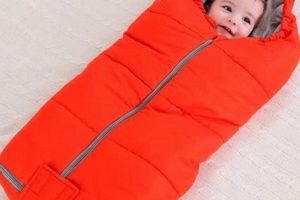
Determining appropriate sleepwear for infants involves considering room temperature to ensure safety and comfort. A room temperature of 68 degrees Fahrenheit requires careful selection of clothing to prevent overheating or chilling. This consideration aims to create a sleep environment that supports optimal rest and reduces the risk of Sudden Infant Death Syndrome (SIDS).
Maintaining a consistent and safe sleep environment is crucial for infant well-being. Overheating has been identified as a risk factor for SIDS, highlighting the importance of dressing infants appropriately for the ambient temperature. Historically, there has been a shift from bundling babies in multiple layers to recommending lighter, more breathable options. This evolution reflects growing knowledge about infant thermoregulation and safe sleep practices.
Therefore, selecting the right sleep attire for infants in a 68-degree Fahrenheit room necessitates a nuanced approach. Guidance on appropriate choices, ranging from lightweight sleep sacks to simple cotton pajamas, will be explored to help caregivers make informed decisions. Factors such as the baby’s age, individual temperature preferences, and the type of bedding used also play a significant role in creating a safe and comfortable sleep environment.
Sleepwear Guidance for Infants at 68 Degrees Fahrenheit
Selecting appropriate sleep attire for an infant at a room temperature of 68 degrees Fahrenheit necessitates careful consideration to ensure both comfort and safety. The following guidelines provide practical advice for caregivers.
Tip 1: Opt for Breathable Fabrics: Natural fibers, such as cotton or muslin, are recommended. These materials promote air circulation, reducing the risk of overheating. Avoid synthetic fabrics that may trap heat and moisture.
Tip 2: Consider a Lightweight Sleep Sack: A sleep sack with a low tog rating (0.5-1.0) is often suitable. Ensure the sleep sack fits snugly around the shoulders and chest but allows for leg movement. Avoid sleep sacks with excessive padding or quilting.
Tip 3: One Layer May Suffice: Depending on the specific sleep sack and the infant’s individual temperature regulation, a single layer of clothing underneath may be sufficient. A long-sleeved onesie or a lightweight pajama set can provide adequate warmth.
Tip 4: Monitor for Signs of Overheating or Chilling: Regularly check the infant’s temperature by feeling the nape of the neck. Sweating, flushed skin, or rapid breathing may indicate overheating. Cold hands or feet, coupled with fussiness, can suggest chilling.
Tip 5: Avoid Loose Bedding: Loose blankets or quilts should not be used in the crib. These items pose a suffocation risk and can contribute to overheating. Adherence to safe sleep guidelines is paramount.
Tip 6: Adjust Based on Individual Needs: Infants vary in their ability to regulate body temperature. Some may require slightly more or less clothing. Consistent monitoring and adjustments are crucial.
Tip 7: Ensure Proper Fit: Clothing should fit appropriately. Overly tight clothing can restrict movement and circulation, while overly loose clothing can pose a safety hazard.
Following these guidelines promotes a safe and comfortable sleep environment for infants, minimizing the risk of overheating or chilling while maintaining a 68-degree Fahrenheit room temperature. Careful observation and appropriate adjustments based on individual needs are essential for optimal infant well-being.
This information serves as a practical guide for caregivers. Further research and consultation with healthcare professionals are encouraged for personalized recommendations.
1. Fabric Breathability

The selection of breathable fabrics is a critical consideration when determining appropriate infant sleepwear at a room temperature of 68 degrees Fahrenheit. This choice directly impacts the infant’s ability to regulate body temperature and maintain a comfortable sleep environment.
- Air Permeability and Heat Dissipation
Air permeability, the measure of how easily air passes through a fabric, directly influences heat dissipation. Breathable fabrics allow warm air generated by the infant’s body to escape, preventing overheating. For example, tightly woven synthetic fabrics restrict airflow, potentially leading to increased body temperature, whereas loosely woven cotton or muslin facilitates ventilation.
- Moisture Wicking and Evaporation
Breathable fabrics often possess moisture-wicking properties, drawing perspiration away from the skin and promoting evaporation. This process helps to cool the body and prevent discomfort. For instance, cotton’s absorbent nature allows it to draw moisture away from the skin, but it may not dry as quickly as specialized performance fabrics designed for moisture management.
- Material Composition and Thermal Regulation
The composition of the fabric significantly affects its thermal regulation capabilities. Natural fibers, such as cotton, linen, and bamboo, generally exhibit better breathability than synthetic fibers like polyester or nylon. This difference stems from the inherent structure of the fibers, which allows for greater airflow and moisture absorption. The choice of material can impact thermal regulation.
- Impact on Sleep Quality and Safety
Selecting breathable fabrics contributes directly to sleep quality and safety. Overheating is a known risk factor for Sudden Infant Death Syndrome (SIDS), and utilizing breathable materials reduces the likelihood of this occurrence. A comfortable and regulated body temperature promotes restful sleep, which is essential for infant development and well-being.
In summary, the utilization of breathable fabrics is paramount when considering appropriate infant sleepwear for a room temperature of 68 degrees Fahrenheit. These fabrics facilitate air circulation, manage moisture, and promote thermal regulation, thereby enhancing sleep quality and reducing the risk of overheating. The careful selection of materials directly contributes to a safer and more comfortable sleep environment for the infant.
2. Layering Minimization

Layering minimization represents a critical aspect of ensuring infant safety and comfort at a room temperature of 68 degrees Fahrenheit. Excess layering can impede the natural thermoregulatory processes of infants, potentially leading to overheating, a known risk factor for Sudden Infant Death Syndrome (SIDS). The connection between minimizing layers and maintaining an appropriate sleep environment at 68 degrees lies in supporting optimal heat dissipation and preventing thermal stress. For instance, an infant dressed in multiple layers of clothing in a 68-degree room may experience elevated body temperature, triggering discomfort and potentially disrupting sleep cycles. This situation underscores the necessity of carefully assessing the thermal properties of each layer and reducing the overall number of garments worn during sleep.
Practical application of layering minimization involves selecting lightweight, breathable materials and avoiding the use of excessive bedding. A single layer of breathable cotton or muslin, or a lightweight sleep sack with a low tog rating, typically suffices in a room maintained at 68 degrees. Caregivers should regularly monitor the infant’s temperature by feeling the nape of the neck to assess for signs of overheating or chilling. Adjustments to the sleep attire should be made based on individual infant needs, acknowledging that thermoregulatory capacity varies between infants. The goal is to maintain a neutral thermal environment, avoiding both extremes of temperature that can compromise infant well-being.
In summary, layering minimization is inextricably linked to creating a safe and comfortable sleep environment for infants at 68 degrees Fahrenheit. Excessive layering can hinder thermoregulation and increase the risk of overheating. A practical approach involves selecting lightweight, breathable materials, utilizing low tog sleep sacks, and continuously monitoring the infant’s temperature. The challenge lies in understanding individual infant needs and adjusting sleep attire accordingly. Addressing this challenge is essential in mitigating potential risks associated with inappropriate sleepwear and promoting optimal infant health.
3. Sleep Sack Tog

The tog rating of a sleep sack is a critical consideration when determining appropriate infant sleepwear in a 68-degree Fahrenheit environment. The tog value represents the thermal resistance of a textile, indicating its ability to insulate. Proper selection of a sleep sack tog is essential for maintaining a safe and comfortable sleep temperature, mitigating risks associated with overheating or chilling.
- Definition and Measurement of Tog
The term ‘tog’ is a unit of thermal resistance, commonly used in the textile industry to quantify the insulating properties of fabrics. A higher tog rating indicates greater thermal resistance, meaning the fabric provides more insulation. Tog ratings are typically measured using standardized testing methods that simulate the transfer of heat through the material. For instance, a sleep sack with a tog rating of 2.5 offers significantly more warmth than one rated at 0.5.
- Impact of Tog Value on Infant Thermoregulation
Infants possess limited capacity for thermoregulation compared to adults, making them more susceptible to temperature fluctuations. The tog rating of a sleep sack directly influences the infant’s ability to maintain a stable body temperature. A sleep sack with an excessively high tog rating in a 68-degree room can cause overheating, potentially increasing the risk of SIDS. Conversely, an insufficient tog rating may lead to chilling, disrupting sleep patterns and causing discomfort.
- Recommended Tog Ratings for 68 Degrees Fahrenheit
For a room temperature of 68 degrees Fahrenheit, a sleep sack with a tog rating between 0.5 and 1.0 is generally recommended. This range provides adequate insulation without excessive warmth. The selection may vary based on the infant’s individual characteristics, such as age, weight, and metabolic rate. Monitoring the infant for signs of overheating or chilling is crucial, regardless of the sleep sack’s tog rating.
- Combining Tog Ratings with Appropriate Clothing Layers
The effectiveness of a sleep sack tog rating is also contingent on the clothing worn underneath. In a 68-degree environment, pairing a 0.5 tog sleep sack with a lightweight cotton onesie may provide sufficient warmth. However, if a 1.0 tog sleep sack is used, a single diaper or a very light layer may be more appropriate. The goal is to create a balanced thermal environment that prevents overheating or chilling, considering the combined insulation of the sleep sack and clothing layers.
The relationship between sleep sack tog and appropriate infant sleepwear at 68 degrees Fahrenheit necessitates a comprehensive understanding of thermal resistance and infant thermoregulation. By carefully selecting sleep sacks with appropriate tog ratings and coordinating with suitable clothing layers, caregivers can create a safe and comfortable sleep environment that minimizes the risk of overheating and promotes optimal infant well-being.
4. Temperature Monitoring

Temperature monitoring serves as a crucial component in maintaining infant safety and comfort when determining appropriate sleepwear for a 68-degree Fahrenheit environment. Accurate assessment of the infant’s thermal state allows for timely adjustments to clothing and bedding, mitigating risks associated with overheating or chilling.
- Methodology of Temperature Assessment
Accurate temperature assessment involves tactile methods, primarily feeling the nape of the infant’s neck. This area provides a reliable indication of core body temperature. The skin should feel warm, not hot or cold. Alternative methods, such as using a thermometer, are generally unnecessary unless there are clear indications of illness. Reliance on parental intuition, guided by tactile assessment, offers a practical approach to temperature monitoring.
- Interpretation of Temperature Signals
Specific physiological signs indicate thermal distress. Sweating, flushed skin, rapid breathing, or restlessness suggest overheating. Conversely, cold hands and feet, coupled with shivering or lethargy, may indicate chilling. Recognizing these signals necessitates prompt adjustments to the infant’s sleep environment, potentially involving the removal or addition of clothing layers.
- Environmental Considerations and Adjustment Protocols
Environmental factors, such as humidity and air circulation, influence the infant’s thermal comfort. Higher humidity levels can impede evaporative cooling, increasing the risk of overheating. Proper ventilation is essential. When adjustments are necessary, incremental changes are preferable. Removing one layer of clothing or adjusting the sleep sack tog rating allows for gradual adaptation. Continuous monitoring following adjustments ensures the infant’s comfort and safety.
- Long-Term Monitoring and Adaptive Strategies
Consistent temperature monitoring allows for the development of adaptive sleepwear strategies. Observing the infant’s thermal responses over time enables caregivers to identify patterns and tailor clothing choices accordingly. This approach promotes proactive management of the infant’s sleep environment, minimizing potential risks associated with temperature dysregulation. Documentation of these observations facilitates informed decision-making and ensures consistent care.
Effective temperature monitoring forms an integral part of ensuring infant well-being when considering appropriate sleepwear in a 68-degree Fahrenheit room. The insights gained through accurate assessment and thoughtful adjustments support a safe and comfortable sleep environment, thereby mitigating potential thermal risks and promoting optimal infant health.
5. Proper Fit

The concept of proper fit in infant sleepwear directly impacts safety and comfort, particularly when considering appropriate clothing choices for a room temperature of 68 degrees Fahrenheit. Ill-fitting garments can impede movement, restrict circulation, or pose entanglement hazards, compromising the well-being of the sleeping infant.
- Circulation and Movement Restriction
Overly tight clothing restricts blood flow and limits the infant’s ability to move freely. Such restrictions can disrupt sleep and, in extreme cases, compromise circulation. Examples include onesies with tight elastic around the legs or arms, or sleep sacks that are too small and constricting. In a 68-degree environment, where minimal layering is desired, tight-fitting garments can exacerbate discomfort and potentially lead to overheating due to reduced air circulation close to the skin.
- Entanglement and Suffocation Risks
Loose-fitting clothing, particularly items with long, dangling strings or ribbons, presents an entanglement hazard. These elements can wrap around the infant’s neck or limbs, potentially leading to strangulation or restricted breathing. Overly large sleep sacks can also pose a risk if the infant slides down and the fabric covers the face. When selecting sleepwear for a 68-degree room, ensuring a snug yet comfortable fit without extraneous fabric minimizes these risks.
- Thermal Regulation and Comfort
Properly fitted clothing allows for adequate air circulation around the infant’s body, aiding in thermal regulation. Clothing that is too large may trap air, potentially leading to overheating, while overly small garments can restrict airflow and cause discomfort. At 68 degrees Fahrenheit, maintaining a stable body temperature is essential, and properly fitted sleepwear facilitates this process by allowing for optimal air exchange and preventing extremes of temperature.
- Developmental Impact and Freedom of Movement
Restrictive clothing can impede the infant’s natural movements and exploration during sleep. Infants often shift positions and stretch during sleep cycles, and tight or ill-fitting garments can hinder these movements, potentially affecting muscle development and overall comfort. Choosing sleepwear that allows for unrestricted movement, while still maintaining a secure and safe fit, supports healthy development and promotes restful sleep in a 68-degree environment.
In conclusion, proper fit is a non-negotiable aspect of selecting infant sleepwear, especially when aiming to create a safe and comfortable sleep environment at 68 degrees Fahrenheit. Ill-fitting garments can compromise circulation, pose entanglement hazards, impede thermal regulation, and restrict movement. Selecting sleepwear that allows for a snug yet comfortable fit, while adhering to safety standards, is paramount for promoting infant well-being and minimizing potential risks associated with inappropriate clothing choices.
6. Safe Bedding

Safe bedding practices are inextricably linked to appropriate infant sleepwear at a room temperature of 68 degrees Fahrenheit. The composition and arrangement of bedding within the sleep environment directly influence the infant’s thermal regulation and overall safety. Adherence to established safe bedding guidelines is essential for mitigating risks such as suffocation, overheating, and Sudden Infant Death Syndrome (SIDS), particularly when selecting sleep attire.
- Firm Mattress and Fitted Sheet
A firm mattress, covered by a fitted sheet, forms the foundation of a safe sleep environment. Soft mattresses or loose bedding can create pockets that pose a suffocation risk. In a 68-degree room, this baseline safety measure is paramount. The firmness of the mattress ensures a stable sleep surface, while the fitted sheet prevents entanglement. For example, a memory foam mattress, while comfortable for adults, is not recommended for infants due to its conforming nature. This setup complements the choice of sleepwear by minimizing external factors that could compromise safety.
- Elimination of Loose Bedding
Loose blankets, pillows, bumper pads, and stuffed animals should be entirely absent from the infant’s sleep space. These items increase the risk of suffocation, entrapment, and overheating. Their presence negates the benefits of carefully selected sleepwear. For example, a thick quilt can elevate the infant’s body temperature, rendering lightweight sleep attire insufficient for thermal regulation. Maintaining a clutter-free crib is a cornerstone of safe sleep practices, irrespective of the ambient temperature or clothing choices.
- Appropriate Sleep Sack or Swaddle Usage
When utilizing a sleep sack or swaddle, it is crucial to ensure proper fit and usage. A sleep sack should allow for adequate hip movement to prevent developmental dysplasia of the hip. Swaddling should cease when the infant shows signs of rolling over. For instance, a tightly swaddled infant in a 68-degree room may overheat if the sleep attire is too warm. The sleep sack or swaddle should complement the room temperature and the infant’s clothing, providing warmth without posing a risk of overheating or restriction.
- Crib Placement and Environmental Factors
The crib’s location within the room influences the infant’s exposure to drafts or direct sunlight. Avoid placing the crib near windows, vents, or radiators that could create temperature fluctuations. For example, a crib positioned near a drafty window may necessitate warmer sleepwear, while a crib exposed to direct sunlight may increase the risk of overheating. Consistent monitoring of the room temperature and humidity levels is essential for maintaining a stable sleep environment that supports appropriate sleepwear choices.
The interplay between safe bedding practices and suitable infant sleepwear at 68 degrees Fahrenheit underscores the importance of a holistic approach to infant sleep safety. Strict adherence to safe bedding guidelines minimizes external risks, allowing for more precise control over the infant’s thermal environment through appropriate sleep attire selection. Continuous vigilance and awareness of potential hazards are essential for promoting a safe and comfortable sleep experience.
Frequently Asked Questions
This section addresses common queries regarding appropriate infant sleepwear for a room temperature of 68 degrees Fahrenheit, providing evidence-based guidance to ensure safety and comfort.
Question 1: Is 68 degrees Fahrenheit a safe room temperature for infant sleep?
Yes, 68 degrees Fahrenheit (approximately 20 degrees Celsius) is generally considered a safe and suitable room temperature for infant sleep. Maintaining a consistent temperature within this range helps regulate the infant’s body temperature and reduces the risk of overheating, a known factor associated with Sudden Infant Death Syndrome (SIDS).
Question 2: What type of sleepwear is most appropriate for a 68-degree Fahrenheit room?
Lightweight and breathable materials, such as cotton or muslin, are recommended. A single layer of clothing, such as a long-sleeved onesie or a lightweight pajama set, may suffice. Alternatively, a sleep sack with a low tog rating (0.5-1.0) can provide adequate warmth without causing overheating.
Question 3: Are blankets safe for infants sleeping in a 68-degree Fahrenheit room?
Loose blankets are not recommended for infants, regardless of room temperature. They pose a suffocation risk and can contribute to overheating. A sleep sack or swaddle provides a safer alternative for maintaining warmth.
Question 4: How can overheating be identified in an infant sleeping in a 68-degree Fahrenheit room?
Signs of overheating include sweating, flushed skin, rapid breathing, restlessness, and damp hair. Feeling the nape of the infant’s neck provides a reliable indication of body temperature; it should feel warm, not hot.
Question 5: What adjustments should be made if an infant appears cold in a 68-degree Fahrenheit room?
If the infant exhibits cold hands and feet, coupled with shivering or fussiness, an additional lightweight layer may be necessary. However, careful monitoring is essential to prevent overheating. A gradual approach, such as adding a thin cotton blanket over a sleep sack, is advisable.
Question 6: How does humidity affect sleepwear choices for a 68-degree Fahrenheit room?
High humidity levels can impede evaporative cooling, increasing the risk of overheating. In humid environments, lighter and more breathable fabrics are preferable. Ensuring proper ventilation and maintaining optimal humidity levels in the room are also crucial.
These answers provide a foundation for making informed decisions about infant sleepwear at 68 degrees Fahrenheit. Consistent monitoring and adjustments based on individual infant needs remain paramount.
The subsequent section delves into the importance of consulting healthcare professionals for personalized guidance.
What Should Baby Wear to Sleep 68 Degrees
This exploration has detailed critical factors in determining appropriate infant sleepwear for a 68-degree Fahrenheit environment. Considerations encompass fabric breathability, layering minimization, sleep sack tog ratings, temperature monitoring techniques, proper garment fit, and adherence to safe bedding practices. Each element contributes to a safe and comfortable sleep climate, mitigating risks of overheating, chilling, and suffocation.
The well-being of infants depends on informed and vigilant caregiving. Understanding and applying these guidelines ensures optimal sleep conditions, promoting infant health and reducing potential hazards. Continued education and consultation with healthcare professionals are essential to adapt strategies as infants develop and environmental conditions evolve. Proactive measures in sleepwear selection and environmental management are critical to safeguard infant health during vulnerable sleep periods.


![Baby Sleepwear: What Should Baby Wear to Sleep? [Guide] | Baby Care 101: Essential Tips for Happy, Healthy Babies](https://singlebabies.com/wp-content/uploads/2026/04/th-491-300x200.jpg "Baby Sleepwear: What Should Baby Wear to Sleep? [Guide] Baby Care 101: Essential Tips for Happy, Healthy Babies")