Infant nocturnal vocalizations, often characterized by whimpering, sobbing, or full-fledged cries, are a common experience for parents. These sounds, occurring during periods of sleep, can be unsettling, prompting concern about the well-being of the child. They encompass a range of expressions, from brief, almost imperceptible noises to prolonged, distressed outcries.
Understanding the basis for these nocturnal episodes is crucial for parental reassurance and effective caregiving. Differentiating between normal sleep behavior and potential underlying medical or developmental issues is essential. Historically, various interpretations have been offered, ranging from superstitious beliefs to evolving scientific understandings of infant sleep cycles and emotional development. This comprehension promotes more informed responses, reducing parental anxiety and fostering a healthier sleep environment for both child and caregivers.
The following sections will delve into the common physiological and environmental factors that contribute to these episodes, including sleep cycles, hunger, discomfort, and developmental milestones. Additionally, strategies for managing and alleviating these nighttime disturbances will be explored, providing practical guidance for parents navigating this challenging aspect of early childhood.
Addressing Infant Nocturnal Crying
The following recommendations address potential causes of infant crying during sleep, offering practical strategies for parents and caregivers.
Tip 1: Establish a Consistent Sleep Schedule: Maintaining regular sleep and wake times, even on weekends, helps regulate the infant’s circadian rhythm and can reduce sleep disturbances.
Tip 2: Optimize the Sleep Environment: Ensure a dark, quiet, and comfortably cool room. Consider using white noise or a sound machine to mask disruptive noises.
Tip 3: Address Hunger Prior to Bedtime: Providing a sufficient feeding before sleep can minimize hunger-related awakenings during the night. Consult with a pediatrician regarding appropriate feeding schedules.
Tip 4: Check for Discomfort: Ensure the infant’s diaper is clean and dry. Examine for signs of skin irritation, rash, or other discomforts that may be causing distress.
Tip 5: Monitor Room Temperature: Overheating or being too cold can disrupt sleep. Dress the infant in appropriate clothing for the room temperature, avoiding excessive layers.
Tip 6: Consider Teething: Teething can cause discomfort and irritability, leading to crying. Offer a chilled teething ring or gently massage the gums to provide relief. Always supervise the infant with teething aids.
Tip 7: Briefly Observe Before Intervening: Allow a short period of observation before immediately intervening when an infant cries. The infant may self-soothe and return to sleep without assistance.
Implementing these strategies can contribute to improved infant sleep and reduced nocturnal crying. Consistent application and careful observation of the infant’s individual needs are paramount.
The subsequent section will summarize common misconceptions surrounding infant sleep and crying, reinforcing the importance of evidence-based practices.
1. Hunger

Hunger is a primary physiological drive, and its influence on infant sleep patterns, specifically the occurrence of crying during sleep, is significant. Adequate nutrition is essential for growth, development, and maintaining stable physiological functions, including sleep regulation. Insufficient caloric intake can disrupt sleep and manifest as nocturnal crying.
- Metabolic Needs and Sleep Disruption
Infants have high metabolic rates relative to their body size, necessitating frequent feedings. If the interval between feedings exceeds the infant’s capacity to store energy, blood sugar levels can decline, triggering hunger cues. These cues often manifest as crying, even during sleep, as the infant attempts to communicate its need for nourishment. This disruption is particularly prevalent during growth spurts when caloric demands increase.
- Feeding Schedules and Crying Patterns
Irregular or inconsistent feeding schedules can contribute to unpredictable crying patterns during sleep. Infants thrive on routine, and a predictable feeding schedule helps regulate their digestive system and energy levels. Unpredictable feedings can lead to hunger occurring at various points throughout the night, resulting in inconsistent and potentially prolonged crying episodes.
- Composition of Feedings and Satiety
The composition of breast milk or formula can impact satiety levels and, consequently, the duration between feedings. Breast milk changes composition during a feeding, with the later milk containing more fat, which promotes satiety. Formula composition also varies, and some formulas may be more easily digested than others, potentially leading to earlier hunger cues. Adequate fat and protein content in feedings are crucial for sustained satiety.
- Growth Spurts and Increased Demands
Infants experience periods of rapid growth known as growth spurts, during which their caloric demands significantly increase. These spurts often lead to more frequent feedings, including during the night, and can manifest as increased crying if the infant’s hunger is not promptly addressed. Parents may need to adjust feeding schedules temporarily to accommodate these increased needs.
In summary, hunger plays a vital role in influencing sleep patterns in infants, and nocturnal crying is a common manifestation of unmet nutritional needs. Addressing feeding schedules, considering feeding composition, and acknowledging periods of increased demand due to growth spurts are crucial strategies for mitigating hunger-related crying and promoting more restful sleep.
2. Discomfort

Physical discomfort represents a significant instigator of nocturnal crying in infants. Various sources of unease can disrupt sleep and elicit distress vocalizations. Addressing these discomforts is essential for promoting restful sleep and minimizing infant distress.
- Diaper Wetness or Soiling
Prolonged exposure to moisture and irritants in soiled diapers can lead to skin irritation and discomfort, prompting crying during sleep. Infants, particularly those with sensitive skin, are susceptible to diaper rash, which can cause significant discomfort and disrupt sleep patterns. Regular diaper changes and the use of barrier creams can mitigate this source of discomfort.
- Suboptimal Room Temperature
Environmental temperature significantly affects infant comfort and sleep. Overheating or being too cold can disrupt sleep cycles and induce crying. Infants are less able to regulate their body temperature effectively than adults, making them vulnerable to temperature fluctuations. Optimal room temperature and appropriate clothing are crucial for maintaining thermal comfort.
- Restrictive Clothing or Bedding
Clothing that is too tight or made from irritating fabrics can cause discomfort and restrict movement, leading to crying during sleep. Similarly, bedding that is too heavy or constricting can interfere with sleep and cause distress. Opting for loose-fitting, breathable clothing and lightweight bedding promotes comfort and minimizes sleep disturbances.
- Physical Pain or Illness
Underlying physical pain, whether from teething, ear infections, or other minor illnesses, can manifest as crying during sleep. Teething pain, in particular, is a common cause of discomfort during infancy. While more serious illnesses typically present with other symptoms, subtle discomfort from minor ailments can still disrupt sleep and cause crying. Monitoring for signs of illness and providing appropriate pain relief measures, under the guidance of a healthcare professional, can alleviate this source of discomfort.
These facets illustrate the diverse ways in which physical discomfort can contribute to “why babies cry in their sleep.” Recognizing and addressing these specific sources of discomfort through proactive caregiving strategies can significantly improve infant sleep quality and overall well-being.
3. Overtiredness
Overtiredness in infants represents a paradoxical state where inadequate sleep leads to increased arousal and heightened difficulty settling down, frequently culminating in crying during sleep. This condition disrupts normal sleep patterns and negatively impacts the infant’s ability to achieve restorative rest.
- Cortisol Elevation and Sleep Disruption
When an infant remains awake for extended periods beyond their optimal wake window, the body initiates a stress response, resulting in elevated cortisol levels. Cortisol, a stimulating hormone, counteracts the natural processes that promote sleep, making it difficult for the infant to fall asleep and stay asleep. This physiological response contributes to fragmented sleep and increased instances of crying, particularly during lighter sleep stages.
- Difficulty Self-Soothing
Overtired infants exhibit reduced capacity for self-soothing. The heightened state of arousal interferes with their ability to regulate their emotions and transition smoothly between sleep cycles. Normally, infants briefly arouse during sleep cycle transitions but can typically return to sleep independently. However, an overtired infant is more likely to become fully awake and distressed, leading to prolonged crying episodes.
- Shorter Sleep Cycles and Frequent Awakenings
Overtiredness can lead to shortened sleep cycles and more frequent awakenings throughout the night. The elevated cortisol levels disrupt the natural sleep architecture, reducing the amount of restorative deep sleep and increasing the frequency of arousals. These frequent awakenings are often accompanied by crying as the infant struggles to return to a state of calm and relaxation.
- Misinterpretation of Sleep Cues
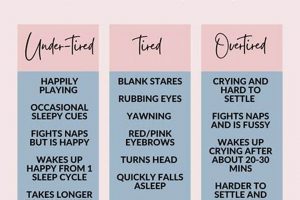
Recognizing and responding to an infant’s early sleep cues, such as yawning, eye rubbing, or fussiness, is crucial for preventing overtiredness. When these cues are missed, and the infant remains awake for too long, the window of opportunity for easy sleep onset closes. Parents may then misinterpret the subsequent crying as hunger or discomfort, when in reality, the infant is primarily struggling with the physiological effects of overtiredness.
In summary, overtiredness constitutes a significant factor in infant sleep disturbances, contributing directly to increased crying during sleep. Recognizing and addressing the underlying mechanisms of cortisol elevation, impaired self-soothing, altered sleep cycles, and misinterpretation of sleep cues is paramount for establishing healthy sleep habits and minimizing nocturnal crying episodes linked to overtiredness.
4. Teething
The process of teething, characterized by the eruption of teeth through the gums, is a common developmental stage in infancy. This physiological event is frequently associated with increased irritability and disrupted sleep patterns, contributing to nocturnal crying episodes.
- Inflammation and Pain
The primary mechanism linking teething to crying is the localized inflammation and pain associated with tooth eruption. As a tooth pushes through the gum tissue, it triggers an inflammatory response, leading to swelling, redness, and tenderness. This discomfort can be particularly pronounced at night, disrupting sleep and eliciting crying as the infant experiences heightened sensitivity and pain.
- Increased Salivation
Teething often stimulates increased salivation, which can lead to skin irritation around the mouth and chin. The constant wetness can cause chapping and rashes, adding to the infant’s discomfort. This secondary irritation may further contribute to sleep disturbances and crying during the night.
- Gum Sensitivity and Feeding Difficulties
The tenderness and inflammation of the gums can make feeding uncomfortable for infants. Sucking or chewing can exacerbate the pain, leading to fussiness during feedings and potentially disrupting sleep due to hunger. Reluctance to feed adequately can then result in increased nocturnal awakenings and crying related to unmet nutritional needs.
- Behavioral Changes and Irritability
The chronic discomfort of teething can lead to noticeable behavioral changes, including increased irritability, restlessness, and a general decrease in mood. These changes can make it more difficult for infants to self-soothe and transition to sleep, resulting in heightened sensitivity to environmental stimuli and a greater propensity for crying during the night.
In conclusion, the multifaceted discomforts associated with teething including inflammation, increased salivation, feeding difficulties, and behavioral changes all contribute to disrupted sleep patterns and increased instances of nocturnal crying in infants. Addressing these specific discomforts through appropriate teething remedies and supportive care can help alleviate symptoms and promote more restful sleep.
5. Sleep Cycles

Infant sleep is organized into cycles, differing significantly from adult sleep architecture. Understanding these cycles is critical to interpreting nocturnal crying episodes. Variations in sleep cycle length and composition impact an infant’s susceptibility to awakenings and subsequent crying.
- Sleep Stage Transitions and Arousal
Infant sleep cycles consist of active sleep (analogous to REM sleep in adults) and quiet sleep (analogous to non-REM sleep). Transitions between these stages are periods of heightened arousal, during which infants are more easily awakened by external stimuli or internal discomforts. These transitions often trigger crying, particularly if the infant is already experiencing hunger, discomfort, or overtiredness. The brevity of infant sleep cycles, typically lasting 45-60 minutes, means these arousal periods occur more frequently than in adults.
- Active Sleep and Brain Development
Active sleep, characterized by rapid eye movements, irregular breathing, and increased brain activity, plays a crucial role in infant brain development. However, it is also a stage of lighter sleep, making infants more prone to awakenings. During active sleep, minor disturbances, such as a slight chill or a noisy environment, can easily rouse the infant and initiate crying. The prominence of active sleep in infant sleep cycles contributes significantly to the frequency of nocturnal awakenings and crying.
- Quiet Sleep and Restorative Functions
Quiet sleep is a deeper, more restorative sleep stage characterized by slower breathing and heart rate. While awakenings are less frequent during quiet sleep, abrupt transitions from quiet sleep to wakefulness can also trigger crying, particularly if the infant experiences a sudden discomfort or disturbance. Ensuring a comfortable and consistent sleep environment can promote longer periods of uninterrupted quiet sleep, reducing the likelihood of crying.
- Self-Soothing and Sleep Cycle Completion
The ability to self-soothe, or independently return to sleep after a brief arousal, is a key developmental milestone that influences nocturnal crying. Infants who have not yet developed effective self-soothing strategies are more likely to fully awaken during sleep cycle transitions and require parental intervention to return to sleep. This can lead to prolonged crying episodes and disrupted sleep patterns. Promoting self-soothing skills through consistent bedtime routines and responsive caregiving can minimize these disruptions.
The interplay between sleep cycle stages, arousal thresholds, and self-soothing abilities significantly influences “why babies cry in their sleep.” Recognizing these dynamics allows caregivers to anticipate and address potential sources of sleep disruption, promoting more restful sleep for both the infant and the family.
6. Environment

The sleep environment exerts a profound influence on infant sleep quality and, consequently, on the occurrence of nocturnal crying. Noise levels, temperature, lighting, and the overall physical arrangement of the sleep space can either promote or disrupt an infant’s ability to achieve and maintain restful sleep. Unfavorable environmental conditions often trigger crying as a means of expressing discomfort or seeking a more conducive sleep setting.
For example, a room that is excessively warm can lead to restlessness and crying, as infants have limited capacity for thermoregulation. Similarly, exposure to bright light or loud noises can easily disrupt sleep cycles and induce crying episodes. The presence of allergens, such as dust mites or pet dander, can also contribute to respiratory distress, leading to discomfort and crying. Optimizing the sleep environment involves maintaining a dark, quiet, and comfortably cool room. The use of white noise can effectively mask disruptive sounds, while hypoallergenic bedding can minimize allergen exposure. Furthermore, a safe sleep space, free from loose bedding or potential hazards, is crucial for preventing accidents that could lead to distress and crying.
In summary, the environment plays a critical role in determining infant sleep patterns and the frequency of nocturnal crying. Attending to environmental factors and creating a sleep space that is conducive to rest can significantly reduce sleep disturbances and promote a more peaceful and restorative sleep experience for the infant. Neglecting these aspects can perpetuate a cycle of disrupted sleep and increased crying, impacting both the infant’s well-being and the parents’ ability to provide consistent care.
7. Separation Anxiety

Separation anxiety, a developmental stage characterized by distress when separated from primary caregivers, frequently contributes to nocturnal crying in infants and young children. This anxiety disrupts sleep patterns and manifests as crying episodes, particularly during nighttime awakenings or at bedtime.
- Heightened Arousal and Sleep Disruption
Separation anxiety triggers a physiological stress response, leading to heightened arousal and difficulty transitioning to sleep. The infant’s awareness of caregiver absence activates the sympathetic nervous system, increasing heart rate and cortisol levels. This heightened state interferes with the natural processes that promote sleep, resulting in fragmented sleep and increased instances of crying.
- Transitional Object Dependence
Infants experiencing separation anxiety often develop a strong attachment to transitional objects, such as blankets or stuffed animals. These objects provide a sense of security and comfort in the absence of the caregiver. However, if the infant becomes separated from the transitional object during the night, it can trigger anxiety and crying as the source of comfort is no longer available.
- Nighttime Awakenings and Seeking Reassurance
Infants with separation anxiety are more prone to nighttime awakenings. During these awakenings, they may cry out for their caregivers, seeking reassurance and proximity. The absence of the caregiver reinforces their anxiety, leading to prolonged crying episodes until the caregiver provides comfort and reassurance.
- Bedtime Resistance and Delayed Sleep Onset
Separation anxiety can manifest as resistance to bedtime. Infants may cry, cling to caregivers, or exhibit other behaviors aimed at delaying separation. This resistance prolongs the bedtime routine and delays sleep onset, potentially leading to overtiredness and further exacerbating nocturnal crying.
These facets of separation anxiety illustrate its direct influence on “why babies cry in their sleep.” Addressing separation anxiety through consistent routines, responsive caregiving, and the provision of security objects can mitigate its impact on sleep patterns and reduce the frequency of nocturnal crying episodes. Understanding the underlying emotional distress associated with separation anxiety is crucial for developing effective strategies to support infant well-being and promote restful sleep.
Frequently Asked Questions
The following questions address common parental concerns regarding infant nocturnal crying, providing evidence-based information to promote understanding and informed caregiving.
Question 1: Is some level of crying during infant sleep considered normal?
Intermittent crying during infant sleep is often a normal occurrence. Infants cycle through various sleep stages, and brief arousals accompanied by vocalizations are common. However, persistent or excessive crying warrants further evaluation.
Question 2: At what point should professional medical advice be sought for nocturnal infant crying?
Persistent crying that is inconsolable, accompanied by other symptoms such as fever, poor feeding, or changes in behavior, necessitates prompt medical consultation. These signs may indicate an underlying medical condition requiring attention.
Question 3: Does responding immediately to infant crying reinforce negative behavior?
Responding promptly to infant cries, particularly in the early months, is generally recommended. This responsiveness fosters a secure attachment and does not necessarily reinforce negative behaviors. However, as the infant develops, a balance between responsiveness and promoting self-soothing may be appropriate.
Question 4: Are there specific sleep training methods recommended for reducing nocturnal crying?
Various sleep training methods exist, ranging from gradual extinction to controlled comforting. The suitability of a particular method depends on the infant’s age, temperament, and parental preferences. Consultation with a pediatrician or sleep specialist is advisable before implementing any sleep training technique.
Question 5: How does the infant’s feeding schedule impact the likelihood of nocturnal crying?
Inconsistent or inadequate feeding schedules can contribute to nocturnal crying. Ensuring adequate caloric intake and establishing predictable feeding patterns can minimize hunger-related awakenings. Consultation with a healthcare professional regarding appropriate feeding strategies is recommended.
Question 6: Can environmental factors, such as room temperature or noise levels, influence nocturnal crying?
Environmental factors significantly impact infant sleep. Maintaining a comfortable room temperature, minimizing noise levels, and ensuring a dark sleep environment can promote restful sleep and reduce the likelihood of crying episodes.
The preceding questions address prevalent concerns about infant nocturnal crying. Recognizing normal sleep patterns, seeking timely medical advice, and optimizing environmental conditions can collectively contribute to improved sleep outcomes.
The subsequent section will provide a concise summary of the key insights discussed in this article.
Understanding Infant Nocturnal Vocalizations
The exploration of “why babies cry in their sleep” reveals a multifaceted issue influenced by physiological needs, developmental stages, and environmental factors. Hunger, discomfort, overtiredness, teething, and normal sleep cycle transitions all contribute to these nocturnal episodes. Recognizing these underlying causes is crucial for effective parental response and the promotion of infant well-being.
Continued research and evidence-based practices remain essential for optimizing infant sleep health. By fostering informed caregiving and addressing the complexities of infant sleep patterns, a more peaceful and restorative sleep environment can be established, benefiting both child and family. Further dedication to understanding infant sleep patterns will allow for increased successful sleep outcomes and better infant care.