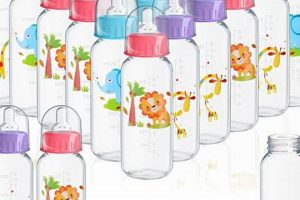
Infant feeding implements absent of petrochemical-derived polymers represent a growing segment within the baby product market. These alternatives utilize materials such as glass, stainless steel, and silicone in their construction. For instance, a borosilicate glass receptacle with a medical-grade silicone nipple provides a non-plastic feeding solution.
The rise in demand for these products reflects increasing parental concerns regarding potential chemical leaching, environmental sustainability, and overall infant well-being. Historically, conventional feeding bottles were predominantly manufactured using polycarbonate, a plastic now associated with bisphenol A (BPA). This prompted a shift towards safer and more ecologically sound alternatives. The reduced environmental impact due to the materials used, alongside the health considerations, contributes to their value.
Subsequent sections will delve into the various material options available, examine the potential advantages and disadvantages of each, provide guidance on proper care and maintenance, and outline key considerations for consumers seeking to adopt these products.
Guidance on Selecting and Using Infant Feeding Bottles Without Petrochemical Polymers
The following recommendations are provided to assist caregivers in making informed decisions regarding the selection, use, and maintenance of infant feeding bottles constructed from non-plastic materials. These guidelines aim to promote safe and effective feeding practices.
Tip 1: Material Verification: Scrutinize product descriptions to ensure accurate identification of materials. Confirm that the receptacle is composed of borosilicate glass or stainless steel, and that the nipple is manufactured from medical-grade silicone or natural rubber.
Tip 2: Thermal Shock Mitigation: When utilizing glass receptacles, exercise caution when subjecting them to rapid temperature changes. Allow the receptacle to gradually adjust to temperature differences to minimize the risk of cracking or shattering.
Tip 3: Nipple Assessment: Regularly inspect nipples for signs of wear, damage, or degradation. Replace nipples exhibiting discoloration, tears, or deformities to prevent potential choking hazards.
Tip 4: Cleaning Protocol: Adhere to rigorous cleaning and sterilization procedures. Use bottle brushes specifically designed for cleaning the interior surfaces of receptacles. Sterilize all components after each use, employing boiling water, steam sterilizers, or dishwashers with a sterilization cycle.
Tip 5: Storage Practices: Store disassembled components in a clean, dry environment to prevent bacterial growth. Avoid storing components in direct sunlight or extreme temperatures, which may compromise material integrity.
Tip 6: Gravitational Feeding Technique: When feeding, maintain the receptacle at an angle that allows the nipple to remain consistently filled with liquid. This minimizes air ingestion and reduces the incidence of colic.
Tip 7: Flow Rate Monitoring: Observe the infant’s feeding behavior to determine the appropriate nipple flow rate. A flow rate that is too rapid can lead to choking or gagging, while a flow rate that is too slow can result in frustration and inadequate intake.
By adhering to these guidelines, caregivers can mitigate potential risks associated with infant feeding and optimize the benefits of feeding bottles constructed from alternative materials. Prioritizing material verification, thermal management, regular inspection, thorough cleaning, and appropriate feeding techniques contributes to a safer and more effective feeding experience.
The succeeding sections will explore specific challenges and offer troubleshooting strategies related to the use of non-plastic infant feeding implements.
1. Material Safety

Material safety, in the context of infant feeding bottles, directly addresses the potential for harmful substances to migrate from the bottle’s composition into the liquid contents intended for consumption. The rationale for utilizing feeding bottles absent of petrochemical polymers stems primarily from concerns regarding the presence and potential leaching of chemicals such as bisphenol A (BPA), phthalates, and other additives commonly found in conventional plastics. These substances have been linked to endocrine disruption, developmental issues, and other adverse health effects, particularly in vulnerable populations such as infants. Choosing alternative materials, such as borosilicate glass, stainless steel, or medical-grade silicone, represents a proactive measure to mitigate this risk. For example, studies have demonstrated that glass and stainless steel are inherently inert and do not leach chemicals under normal usage conditions.
The significance of material safety extends beyond the immediate health of the infant. It also encompasses long-term well-being and reduces the cumulative exposure to environmental toxins. Furthermore, transparency in manufacturing processes and adherence to stringent quality control standards are essential components of ensuring material safety. Independent third-party testing and certifications, such as those provided by organizations like the National Sanitation Foundation (NSF) or the Food and Drug Administration (FDA), provide additional assurance to consumers regarding the safety and suitability of these feeding bottles. The selection of materials compliant with international standards further contributes to minimizing risks associated with chemical migration.
In summary, material safety is a paramount consideration when evaluating infant feeding implements. The utilization of alternative materials, rigorous testing, and adherence to established safety standards are crucial elements in minimizing the potential for chemical contamination and promoting the health and well-being of infants. The practical understanding of material composition and its potential impact allows caregivers to make informed decisions, fostering a safer feeding environment. Addressing this proactively offers significant value from using baby bottles devoid of plastic.
2. Thermal Resistance

Thermal resistance, pertaining to infant feeding bottles devoid of conventional polymers, constitutes a critical performance characteristic dictating the product’s ability to withstand temperature fluctuations without undergoing structural compromise or releasing potentially harmful substances. The composition of the bottle directly influences this characteristic, especially during sterilization and feeding processes.
- Sterilization Procedures
Sterilization, a mandatory practice for ensuring hygienic feeding, often involves exposing bottles to high temperatures through boiling, steaming, or chemical methods. Materials with inadequate thermal resistance may warp, crack, or degrade, potentially compromising the bottle’s integrity and releasing unintended chemicals. Borosilicate glass, known for its high thermal shock resistance, is well-suited for these procedures. A glass bottle can withstand rapid temperature changes without fracturing, allowing for safe and effective sterilization cycles.
- Temperature Retention
The ability to maintain the temperature of the liquid contents is essential for infant comfort and nutritional value. Materials with high thermal resistance exhibit lower rates of heat transfer, keeping the formula or breast milk warmer for extended periods. Stainless steel, for example, demonstrates better temperature retention compared to some plastics, minimizing the need for reheating and preserving the nutrients in the liquid. Efficient temperature retention contributes to a more consistent and convenient feeding experience.
- Dishwasher Compatibility
Routine cleaning often includes the use of dishwashers, which subject items to elevated temperatures and harsh detergents. Bottles with poor thermal resistance may become deformed or discolored after repeated dishwasher cycles. Materials like borosilicate glass and certain grades of silicone are inherently dishwasher-safe, maintaining their structural integrity and appearance over numerous cleaning cycles. This durability reduces the risk of premature replacement and contributes to the overall longevity of the product.
- Handling Safety
Thermal resistance also affects handling safety. When containing hot liquids, bottles with inadequate thermal resistance may become uncomfortably hot to hold, increasing the risk of burns or accidental drops. Materials with low thermal conductivity, such as silicone sleeves or coatings, can mitigate this issue by providing insulation and improving grip. A comfortable and secure grip enhances caregiver confidence and reduces the likelihood of spills or injuries.
In conclusion, thermal resistance significantly affects the practicality and safety of feeding bottles not made with conventional polymers. Selecting materials capable of withstanding sterilization, maintaining optimal temperature, enduring dishwasher cycles, and ensuring safe handling contributes to a reliable and user-friendly product. The inherent thermal properties of alternative materials directly enhance the value and safety associated with non-plastic feeding solutions, and should always be highly considered.
3. Cleaning Efficacy

The efficacy of cleaning protocols directly influences the safety and hygiene of infant feeding bottles, particularly those constructed from non-conventional polymer materials. Inadequate cleaning fosters bacterial proliferation, potentially leading to gastrointestinal distress or infections in infants. The surface properties of materials utilized in plastic-free bottles, such as glass, stainless steel, or silicone, dictate the adherence and removal of milk residues. Smooth, non-porous surfaces, characteristic of glass and stainless steel, generally exhibit superior cleaning performance compared to certain plastics that can develop micro-scratches, providing niches for bacterial colonization. For example, residual milk deposits in inadequately cleaned bottles can harbor Escherichia coli or Salmonella, posing significant health risks to infants.
Effective cleaning regimens necessitate a multi-faceted approach, encompassing physical scrubbing with appropriate brushes and the utilization of sterilization techniques. The design of the bottle also plays a critical role; wide-necked bottles with minimal crevices facilitate thorough cleaning. Furthermore, dishwasher compatibility is a significant consideration, as the high temperatures and detergents employed in dishwashers effectively eliminate microbial contaminants. However, specific cleaning agents should be carefully selected to ensure compatibility with the bottle material and to avoid the introduction of harmful residues. Instances of chemical residue contamination have been reported when incompatible cleaning agents are used, highlighting the importance of adhering to manufacturer recommendations.
In summary, cleaning efficacy is an indispensable element of safe infant feeding practices, particularly when employing feeding bottles crafted from materials other than conventional polymers. The choice of bottle material, implementation of rigorous cleaning protocols, and careful selection of cleaning agents are all critical determinants of hygiene. Addressing the issue of cleaning thoroughly offers significant health benefits to infants, minimizing their exposure to harmful bacteria. This aspect underpins the value of using plastic free baby bottles.
4. Durability Concerns

The adoption of feeding bottles crafted from materials other than conventional plastics introduces distinct durability considerations. While these alternatives offer benefits related to chemical leaching and environmental impact, their resistance to breakage, cracking, and wear under typical usage conditions warrants careful examination. For instance, borosilicate glass, while thermally stable and chemically inert, is susceptible to shattering upon impact, presenting a safety hazard. Similarly, stainless steel, though robust, can dent or deform under significant pressure, potentially compromising its functionality. Silicone nipples, while flexible, may tear or degrade over time, requiring periodic replacement. The perception of reduced durability compared to conventional plastic bottles can influence consumer acceptance and necessitates a thorough understanding of material properties and maintenance protocols.
Addressing durability concerns necessitates a multifaceted approach encompassing design considerations, material selection, and user education. Reinforced designs, such as incorporating silicone sleeves around glass bottles, can mitigate the risk of breakage. High-quality stainless steel alloys with enhanced dent resistance can improve the structural integrity of metal bottles. Clear instructions regarding proper handling, cleaning, and storage practices can extend the lifespan of all components. Comparative testing of different materials and designs under simulated usage conditions provides valuable data for optimizing product durability. For example, impact tests can assess the shatter resistance of glass bottles, while cyclical stress tests can evaluate the fatigue resistance of silicone nipples. Transparency regarding material limitations and recommended usage guidelines fosters informed consumer expectations and minimizes potential safety risks.
In conclusion, durability is a critical factor influencing the overall value and acceptance of feeding bottles absent of conventional plastics. While these alternatives offer distinct advantages in terms of safety and sustainability, their inherent material properties necessitate careful consideration of breakage resistance, structural integrity, and wear characteristics. A comprehensive approach encompassing design optimization, rigorous testing, and user education is essential for mitigating durability concerns and ensuring the long-term satisfaction and safety of consumers who use baby bottles not made with plastic. Furthermore, understanding these concerns allows consumers to make informed choices, maximizing the practical benefits of using such products.
5. Weight Distribution

The distribution of mass within an infant feeding bottle, commonly referred to as weight distribution, significantly impacts the ease of handling and the feeding experience, particularly when considering alternatives to conventional polymer construction. Materials such as glass and stainless steel, often employed in the manufacture of “plastic free baby bottles”, possess densities considerably higher than those of plastics. This difference in density directly influences the overall weight and the center of gravity of the assembled feeding apparatus, requiring adjustments in design and usage techniques.
- Ergonomic Considerations
The overall weight of the bottle and its distribution affect the caregiver’s ability to hold and manipulate the feeding implement comfortably. A bottle that is top-heavy or excessively heavy can lead to fatigue, particularly during prolonged feeding sessions. This can affect the caregiver’s control and potentially increase the risk of dropping the bottle. The design of “plastic free baby bottles” must therefore account for ergonomic factors, such as incorporating wider bases or strategically placed grips, to improve stability and reduce strain.
- Infant Handling
As infants develop the ability to hold their own bottles, the weight distribution becomes even more critical. An unbalanced bottle may be difficult for the infant to manage, leading to frustration and potentially affecting their feeding progress. Lightweight “plastic free baby bottles” or those with a low center of gravity are generally more suitable for infant handling, promoting independence and self-feeding skills. The size and shape of the bottle should also be considered, ensuring that it is appropriately sized for the infant’s grip strength and coordination.
- Material Composition and Design
The choice of materials and the overall design of “plastic free baby bottles” directly influence weight distribution. Glass bottles, for example, tend to be heavier than stainless steel or silicone bottles of comparable volume. Manufacturers often employ design strategies, such as thinner glass walls or strategically placed cutouts in stainless steel bottles, to reduce the overall weight. The shape of the bottle, whether cylindrical or contoured, also affects its balance and handling characteristics.
- Nipple Compatibility and Flow Rate
The interaction between the bottle’s weight distribution and the nipple’s design influences the flow rate and the infant’s ability to feed comfortably. An unbalanced bottle may require the infant to exert more effort to maintain a consistent flow, potentially leading to fatigue or gulping air. The nipple’s shape, size, and venting system should be carefully matched to the bottle’s design to ensure a smooth and consistent feeding experience, regardless of the bottle’s orientation or weight distribution.
In conclusion, weight distribution represents a significant design consideration in the context of “plastic free baby bottles.” The material selection, bottle shape, and ergonomic features must be carefully balanced to ensure comfortable handling, promote infant independence, and optimize the overall feeding experience. Addressing weight distribution concerns contributes to the practicality and usability of “plastic free baby bottles”, thereby enhancing their appeal to caregivers seeking safer and more sustainable feeding solutions.
6. Nipple Compatibility
Nipple compatibility, within the context of feeding bottles not made with plastic, is a critical determinant of successful infant feeding. The interface between the nipple and the bottle’s neck must form a secure and leak-proof seal to prevent spillage and ensure consistent liquid delivery. Variations in bottle neck dimensions and threading necessitate careful matching of nipples to specific bottle brands or product lines. For instance, a wide-neck nipple designed for a glass bottle with a corresponding wide opening will not properly fit a standard-neck stainless steel bottle, leading to leakage and feeding difficulties. This compatibility requirement directly affects the practical usability of alternative feeding systems.
Furthermore, nipple material properties, such as silicone durometer (hardness) and elasticity, interact with the bottle’s structural characteristics to influence flow rate and infant acceptance. A nipple that is too stiff may impede liquid flow, causing frustration for the infant, while a nipple that is too soft may collapse during feeding, resulting in inconsistent delivery. The venting system incorporated into the nipple design also plays a crucial role in regulating pressure within the bottle and minimizing air ingestion, thereby reducing the incidence of colic. For example, nipples with integrated anti-colic valves are often paired with specific bottle designs to optimize pressure equalization.
In conclusion, nipple compatibility represents a fundamental aspect of feeding bottle design and functionality. Ensuring proper fit, material compatibility, and functional integration between the nipple and the bottle is essential for promoting safe and effective infant feeding. The adherence to manufacturer specifications and the careful selection of compatible components contribute significantly to the overall success of feeding bottles not made with conventional polymers. The interplay between bottle design and nipple characteristics underscores the importance of comprehensive product testing and quality control in ensuring optimal performance and infant well-being.
Frequently Asked Questions
The following addresses common inquiries regarding infant feeding bottles constructed from materials other than conventional plastics. The information presented aims to clarify concerns and provide factual insights.
Question 1: Are feeding bottles absent of petrochemical polymers inherently safer than conventional plastic bottles?
The safety profile is generally considered superior due to the elimination of bisphenol A (BPA), phthalates, and other additives commonly found in plastics. Materials such as borosilicate glass and stainless steel are inherently inert, reducing the risk of chemical leaching.
Question 2: What are the primary material options for infant feeding bottles without plastic components?
The most common materials include borosilicate glass, 304 or 316 grade stainless steel, and medical-grade silicone. Each material possesses distinct properties regarding thermal resistance, durability, and weight.
Question 3: How does the cleaning and sterilization process differ for feeding bottles made of alternative materials?
The cleaning and sterilization process remains largely similar to that of conventional plastic bottles. However, it is imperative to verify the material’s thermal resistance to ensure compatibility with boiling water, steam sterilization, or dishwasher cycles.
Question 4: What are the principal durability concerns associated with glass infant feeding bottles?
The primary concern revolves around the potential for breakage due to impact. Borosilicate glass exhibits improved thermal shock resistance but is still susceptible to shattering. Silicone sleeves or protective coatings can mitigate this risk.
Question 5: Do infant feeding bottles made of stainless steel impart a metallic taste to the liquid contents?
High-quality stainless steel, specifically 304 or 316 grade, is generally inert and does not impart a metallic taste. Proper cleaning and maintenance further minimize the risk of taste alteration.
Question 6: Are there any specific nipple compatibility considerations when using non-plastic feeding bottles?
Nipple compatibility remains a crucial factor. Ensure that the nipple is specifically designed for the bottle’s neck dimensions and threading. Proper fit prevents leakage and ensures consistent liquid flow.
In summary, infant feeding bottles constructed from alternative materials offer potential benefits regarding safety and environmental impact. Careful consideration of material properties, cleaning protocols, and nipple compatibility is essential for optimal performance.
The succeeding section will address potential challenges and troubleshooting strategies related to the use of infant feeding implements that are not plastic.
Conclusion
The preceding discussion has illuminated several critical facets pertaining to infant feeding bottles constructed from materials other than conventional plastics. The absence of petrochemical polymers offers potential benefits, including reduced chemical leaching and environmental impact. However, careful consideration must be given to material safety, thermal resistance, cleaning efficacy, durability concerns, weight distribution, and nipple compatibility. The adoption of these alternative feeding implements necessitates a comprehensive understanding of their inherent properties and associated challenges.
Ultimately, the decision to utilize “plastic free baby bottles” represents a deliberate choice grounded in a commitment to infant well-being and environmental stewardship. Ongoing research and development will likely yield further advancements in material science and design, enhancing the safety, durability, and practicality of these alternative feeding solutions. Continued vigilance and informed decision-making remain paramount in ensuring optimal outcomes for infants and a sustainable future.