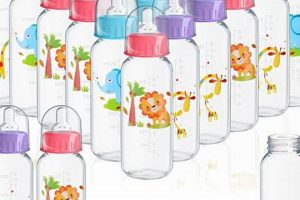
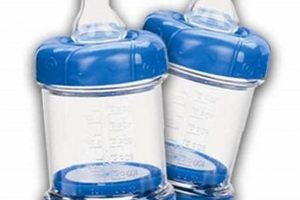
The process of safely elevating the temperature of infant feeding containers while traveling or away from home is a necessary consideration for parents and caregivers. This practice ensures the provision of adequately heated nourishment for the child, mimicking the optimal temperature associated with freshly prepared or refrigerated milk or formula.
Warming infant feeding containers while mobile is essential for maintaining consistent feeding routines and preventing digestive discomfort associated with consuming cold liquids. Historically, various methods have been employed, evolving from simple insulation techniques to technologically advanced portable warming devices. These innovations provide convenience and reassurance to caregivers, enabling them to adhere to recommended feeding guidelines regardless of their location.
Understanding the available methods for achieving optimal infant feeding container temperature while mobile, including the advantages and disadvantages of each, is paramount. Subsequent sections will address specific warming techniques, safety considerations, and the selection criteria for choosing the most appropriate method based on individual needs and circumstances.
Guidance for Infant Feeding Container Temperature Management While Mobile
The following recommendations provide practical guidance for safely and effectively elevating the temperature of infant feeding containers when away from a fixed location. Adhering to these principles contributes to the well-being of the infant and the efficacy of the feeding process.
Tip 1: Utilize a Portable Bottle Warmer: Specialized portable warming devices, often powered by a car adapter or rechargeable battery, are designed for this purpose. Select a model with automatic shut-off features to prevent overheating and ensure consistent temperature maintenance.
Tip 2: Employ a Thermos of Hot Water: A vacuum-insulated thermos can maintain hot water for several hours. When needed, pour a small amount of hot water into a separate container and immerse the feeding container until the contents reach the desired temperature. Verify the temperature before feeding.
Tip 3: Request Assistance at Food Service Establishments: Many cafes and restaurants are willing to provide hot water for warming feeding containers. Exercise caution when using water provided by external sources, ensuring it is clean and of appropriate temperature.
Tip 4: Utilize Pre-Warmed Insulated Bags: Insulated bags can maintain the temperature of a previously warmed feeding container for a limited time. Prior to departure, warm the feeding container to the appropriate temperature and place it in the insulated bag to slow the cooling process.
Tip 5: Opt for Room Temperature Formula When Appropriate: If feasible and tolerated by the infant, utilizing ready-to-feed formula that does not require warming simplifies the feeding process significantly.
Tip 6: Test Temperature Thoroughly: Prior to feeding, always test the temperature of the contents by dispensing a small amount onto the inner wrist. The temperature should be comfortably warm, not hot.
Tip 7: Prioritize Hygiene: Maintain meticulous hygiene practices throughout the warming and feeding process. Ensure all surfaces and implements are clean and sanitized to minimize the risk of contamination.
These suggestions offer practical solutions for ensuring appropriately warmed infant nourishment while mobile. The key considerations remain safety, hygiene, and the individual needs of the infant.
Subsequent discussion will address product recommendations and safety alerts.
1. Portability

The feasibility of warming an infant feeding container while mobile is intrinsically linked to the concept of portability. Warming methods must be readily transportable and easily employed in diverse environments, such as vehicles, public spaces, or outdoor settings. The absence of a portable solution necessitates reliance on less desirable options, potentially compromising the infant’s feeding experience and nutritional intake.
For example, a bulky warming system requiring a standard electrical outlet is unsuitable for use in a car during a road trip. Conversely, a compact, battery-powered warmer or a simple thermos of hot water provides a practical solution for warming feeding containers irrespective of location. The availability of portable warming devices directly influences a caregiver’s ability to maintain consistent feeding schedules and provide appropriately heated nourishment, thereby minimizing potential digestive upset or rejection of cold formula.
In conclusion, portability serves as a critical determinant in the successful implementation of warming techniques while mobile. Prioritizing compact, lightweight, and readily deployable warming methods ensures accessibility to adequately heated infant nourishment, irrespective of the caregiver’s location. Addressing portability challenges enhances feeding efficacy and contributes to overall infant well-being during travel or other situations away from home.
2. Temperature Consistency

Maintaining temperature consistency is paramount in safely and effectively warming infant feeding containers while mobile. Deviations from the recommended temperature range can compromise the nutritional integrity of the contents and pose potential health risks to the infant. Precise control and monitoring of the warming process are therefore essential for ensuring optimal outcomes.
- Nutrient Preservation
Excessive heat can degrade heat-sensitive nutrients present in breast milk or formula. Vitamins, enzymes, and immunological factors are particularly susceptible to denaturation at elevated temperatures. Maintaining consistent, controlled warming minimizes nutrient loss, preserving the nutritional value of the infant’s nourishment. For example, overheating breast milk can destroy beneficial antibodies, diminishing its protective properties.
- Prevention of Hot Spots
Uneven heating can create localized areas of excessive temperature within the feeding container, commonly referred to as hot spots. These pose a burn risk to the infant’s mouth and esophagus. Consistent warming techniques, such as gentle rotation or immersion in evenly heated water, mitigate the formation of hot spots, promoting uniform temperature distribution. Shaking the feeding container after warming is often recommended to further equalize temperature.
- Microbial Safety
Insufficient warming may fail to eliminate or inhibit the growth of harmful bacteria present in the feeding container. While proper refrigeration is the primary defense against bacterial proliferation, adequate warming is necessary to ensure the contents are safe for consumption. Consistent adherence to recommended warming times and temperatures minimizes the risk of bacterial contamination and subsequent gastrointestinal distress. For instance, lukewarm formula left at room temperature for extended periods can become a breeding ground for bacteria.
- Infant Palatability
Infants often exhibit preferences for specific temperatures when consuming milk or formula. Consistent warming to a palatable temperature, typically slightly warmer than room temperature, encourages acceptance and prevents feeding refusal. Providing nourishment at a consistently comfortable temperature promotes positive feeding experiences and supports adequate caloric intake. A feeding container that is inconsistently warmed, ranging from cold to lukewarm, may lead to feeding aversion.
The multifaceted relationship between temperature consistency and safely warming infant feeding containers underscores the importance of selecting appropriate warming methods and adhering to recommended guidelines. Strategies that promote uniform and controlled heating, while preventing overheating or inadequate warming, are crucial for ensuring the nutritional integrity, safety, and palatability of infant nourishment. Consistent application of these principles contributes significantly to the well-being and healthy development of the infant.
3. Hygiene Maintenance

Maintaining rigorous hygiene standards is an indispensable element when considering methods for elevating the temperature of infant feeding containers while mobile. The potential for bacterial contamination is amplified in non-controlled environments, necessitating stringent adherence to sanitary practices to safeguard infant health.
- Surface Sanitization
Preparation surfaces and warming implements may harbor microorganisms. Thoroughly cleaning and sanitizing all contact surfaces with food-grade sanitizers before warming significantly reduces the risk of contamination. For instance, a portable bottle warmer used on a public surface should be cleaned before each use to eliminate potential pathogens. Failure to sanitize increases the likelihood of bacterial transfer to the feeding container.
- Hand Hygiene
The caregiver’s hands serve as a primary vector for transmitting bacteria to the feeding container. Diligent hand washing with soap and water, or the use of alcohol-based hand sanitizers, is critical before handling the feeding container, warming equipment, or the infant. An example includes sanitizing hands immediately before immersing a feeding container in a thermos of hot water. Neglecting hand hygiene undermines efforts to maintain overall sanitary conditions.
- Equipment Sterilization
Portable warming devices, especially those that come into direct contact with the feeding container or its contents, require periodic sterilization to eliminate residual bacteria. Sterilization methods may include boiling, steaming, or the use of chemical sterilizing solutions. For instance, regularly sterilizing a reusable warming insert prevents the build-up of microbial colonies. Inadequate sterilization practices can render the warming process a source of contamination.
- Water Source Integrity
When using hot water for warming, the water source must be potable and free from contaminants. Utilizing tap water from questionable sources or relying on untreated water introduces potential health hazards. Using pre-boiled, cooled water from a reliable source is recommended when using the water immersion technique. Compromised water quality negates the benefits of hygienic warming practices.
The interplay between sanitation and elevated infant feeding container temperature in mobile environments underscores the criticality of consistent and comprehensive hygiene protocols. Thorough surface preparation, meticulous hand washing, diligent equipment sterilization, and attention to water source integrity are all indispensable elements in minimizing the risk of bacterial contamination and ensuring infant safety. By prioritizing these hygienic practices, caregivers can mitigate potential hazards and maintain the integrity of the feeding process while away from home.
4. Energy Source

The selection of an appropriate energy source is a pivotal decision point in determining the feasibility and practicality of warming infant feeding containers while mobile. The availability and suitability of the energy source directly influence the portability, convenience, and operational parameters of the warming method.
- Electrical Outlets (AC Power)
Utilizing standard alternating current (AC) electrical outlets offers a readily available energy source in many indoor settings, such as homes, offices, and public buildings. Warming devices designed for AC power typically provide consistent and reliable heat output. However, reliance on AC outlets inherently restricts mobility and limits the range of locations where warming can be conducted. For example, an electric bottle warmer requiring a wall outlet is unsuitable for use in a car or during outdoor activities. The dependency on AC power confines the warming process to stationary locations with accessible electrical infrastructure.
- Automotive Power (DC Power)
Direct current (DC) power, commonly available through a vehicle’s cigarette lighter or accessory outlet, provides a mobile energy source suitable for use during travel. Warming devices designed for DC power offer the advantage of in-vehicle operation, enabling caregivers to warm infant feeding containers while on the road. However, the availability of DC power is contingent upon access to a vehicle and the functional status of the vehicle’s electrical system. For example, a DC-powered bottle warmer is ineffective if the vehicle’s battery is depleted or if the cigarette lighter outlet is malfunctioning. The reliance on automotive power introduces a dependency on the vehicle’s operational condition.
- Battery Power (Rechargeable and Disposable)
Battery-powered warming solutions offer enhanced portability and independence from external power sources. Rechargeable batteries provide a reusable energy source, reducing the need for frequent replacements. Disposable batteries offer a convenient alternative, but entail ongoing replacement costs and environmental considerations. Battery-powered warmers are suitable for use in a wide range of settings, including outdoor environments and locations without access to electrical outlets or automotive power. However, battery life is a limiting factor, requiring periodic recharging or replacement. For example, a battery-powered warmer may only provide sufficient power for a limited number of warming cycles before requiring recharging or battery replacement.
The choice of energy source directly impacts the versatility and practicality of warming infant feeding containers while mobile. Electrical outlets offer reliable power but restrict mobility; automotive power provides in-vehicle warming capabilities but depends on the vehicle’s functionality; and battery power offers enhanced portability but is limited by battery life. Selecting the most appropriate energy source requires careful consideration of the intended usage scenarios, availability of power sources, and the desired level of portability.
5. Safety Mechanisms

The presence of robust safety mechanisms is a critical determinant in evaluating the suitability of any method or device designed for elevating the temperature of infant feeding containers while mobile. The inherent risks associated with improper warming techniques necessitate the incorporation of safeguards that mitigate potential hazards and protect infant well-being.
- Automatic Shut-Off
Automatic shut-off functionality is an essential safety feature that prevents overheating of the feeding container contents. This mechanism typically relies on a temperature sensor that triggers the cessation of the warming process once a pre-determined temperature threshold is reached. For example, a portable bottle warmer equipped with automatic shut-off will cease heating once the milk or formula attains a safe temperature, thereby preventing scalding and preserving nutrient integrity. The absence of automatic shut-off increases the risk of excessive heating and potential harm to the infant.
- Overheat Protection
Overheat protection mechanisms extend beyond automatic shut-off by incorporating fail-safe measures to prevent thermal runaway. These mechanisms may include thermal fuses, bimetallic strips, or redundant temperature sensors that interrupt the heating process in the event of a malfunction. For instance, a bottle warmer with overheat protection may automatically shut down if the temperature sensor fails or if the water level drops below a critical threshold. Such safeguards prevent catastrophic overheating scenarios that could lead to burns or equipment damage. Reliance solely on automatic shut-off may not provide adequate protection against all potential overheating events.
- Temperature Control
Precise temperature control is essential for ensuring consistent and safe warming of infant feeding containers. Mechanisms for temperature control may include adjustable thermostats, pre-set warming profiles, or digital temperature readouts that allow caregivers to monitor and regulate the warming process. For example, a bottle warmer with a digital temperature display enables the caregiver to select a specific warming temperature and monitor the contents to ensure they do not exceed a safe limit. Lack of adequate temperature control can result in inconsistent warming, potentially leading to either under-heated or over-heated contents.
- Material Safety
The materials used in the construction of warming devices must be non-toxic, heat-resistant, and free from harmful chemicals that could leach into the infant’s nourishment. Warming implements should be manufactured from food-grade materials that meet established safety standards. For example, a bottle warmer constructed from BPA-free plastic minimizes the risk of chemical contamination. Failure to utilize safe materials introduces the potential for harmful substances to migrate into the feeding container contents, posing a health risk to the infant.
The integration of these safety mechanisms serves as a critical factor in mitigating the risks associated with warming infant feeding containers while mobile. Automatic shut-off, overheat protection, temperature control, and material safety collectively contribute to a safer and more reliable warming process, safeguarding infant health and promoting caregiver confidence. Devices lacking these safeguards should be scrutinized carefully, and their potential risks should be weighed against their perceived benefits.
Frequently Asked Questions
This section addresses common inquiries regarding safe and effective practices for elevating the temperature of infant feeding containers while away from a fixed location. The following questions and answers provide guidance based on established safety guidelines and expert recommendations.
Question 1: What is the primary safety concern when warming feeding containers on the go?
The paramount safety consideration is avoiding overheating, which can degrade nutrients and pose a burn risk to the infant. Uniform heating and temperature verification are crucial.
Question 2: Are portable microwave ovens suitable for warming infant feeding containers during travel?
Portable microwave ovens are generally discouraged due to the potential for uneven heating and the creation of hot spots, which can be hazardous to the infant. Consistent, controlled warming methods are preferable.
Question 3: How long can a pre-warmed feeding container be safely stored in an insulated bag?
A pre-warmed feeding container should ideally be used within two hours of warming to minimize the risk of bacterial growth. If not used within this timeframe, the container should be refrigerated promptly.
Question 4: Can tap water be used for warming feeding containers while traveling internationally?
The use of tap water from unfamiliar sources is discouraged due to potential contamination. Bottled or pre-boiled, cooled water should be used instead.
Question 5: What is the recommended temperature for warmed infant formula or breast milk?
The recommended temperature is approximately body temperature or slightly warmer, around 98.6 degrees Fahrenheit (37 degrees Celsius). The temperature should be tested on the inner wrist before feeding to ensure it is comfortably warm, not hot.
Question 6: How often should portable bottle warmers be cleaned and sterilized?
Portable bottle warmers should be cleaned after each use to remove residue and sterilized regularly, following the manufacturer’s instructions. This frequency helps prevent bacterial contamination and ensures sanitary conditions.
Maintaining proper techniques during mobile warming contributes significantly to infant health.
The next section will address product recommendations in mobile warming techniques.
How to Warm Baby Bottle on the Go
The preceding discussion provides a comprehensive overview of “how to warm baby bottle on the go,” encompassing various techniques, safety considerations, and hygiene practices. It underscores the importance of portability, temperature consistency, and the selection of appropriate energy sources. Furthermore, the exploration of safety mechanisms highlights the need for vigilant attention to potential hazards during the warming process.
The ability to safely and effectively warm infant feeding containers while mobile is essential for ensuring consistent nutrition and promoting infant well-being. Continued adherence to the principles outlined above is crucial for caregivers navigating the challenges of infant feeding in diverse environments. Prioritizing safety, hygiene, and informed decision-making will contribute to positive feeding experiences and optimal infant health outcomes.