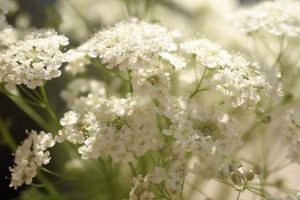
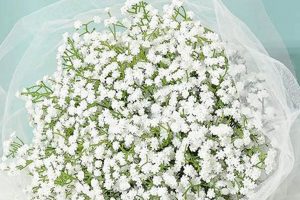
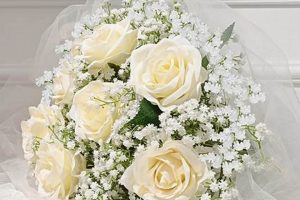
Flowers sharing characteristics with Gypsophila paniculata, commonly known as baby’s breath, are frequently sought for their delicate appearance and versatility in floral arrangements. These blooms often feature small, plentiful blossoms that create a light and airy aesthetic. Examples include varieties of astilbe, with their feathery plumes, and certain types of statice, offering a similar textural element and lasting quality. The popularity of using them stems from their ability to complement and enhance other, larger flowers within a bouquet or centerpiece.
The value of these baby’s breath alternatives lies in their contribution to floral design, providing volume and a softening effect. Historically, airy blooms have been associated with sentiments of purity and innocence, rendering them appropriate for various celebratory occasions, particularly weddings. Furthermore, these blooms often possess practical advantages, such as extended vase life and ease of drying, further contributing to their desirability within the floral industry and among home decorators.
The subsequent sections will delve into a more detailed examination of specific floral options offering comparable qualities, exploring their individual characteristics, cultivation requirements, and ideal applications in diverse settings. This exploration will provide a deeper understanding of the alternatives available and guide informed decision-making for achieving desired aesthetic outcomes.
Tips for Selecting Alternatives to Gypsophila paniculata
The following guidelines offer practical advice for choosing flowers with comparable characteristics to baby’s breath for various floral arrangements and decorative purposes.
Tip 1: Consider the Overall Aesthetic: Before selecting a substitute, determine the desired style. For a rustic appearance, consider waxflowers. For a more refined look, explore cultivars of astilbe with denser plumes.
Tip 2: Evaluate Bloom Size and Density: Baby’s breath is known for its small, numerous flowers. When selecting a similar flower, assess whether the scale and density of the blooms align with the intended design. Spray roses or small-flowered hydrangeas can provide a similar effect.
Tip 3: Assess Vase Life and Longevity: If extended vase life is crucial, opt for alternatives known for their durability. Statice, for instance, retains its color and form even when dried.
Tip 4: Account for Seasonal Availability: Certain flower types may be more readily available during specific seasons. This factor can influence both cost and accessibility. Plan selections accordingly.
Tip 5: Factor in Fragrance: While baby’s breath has a very mild scent, some alternative options may possess a more pronounced fragrance. Consider the potential impact of aroma on the overall sensory experience.
Tip 6: Explore Textural Contrasts: Integrate elements with varied textures to create visual interest. Pairing smooth petals with feathery foliage can enhance the arrangement’s depth.
Tip 7: Consider the Color Palette: Although traditionally white, baby’s breath is now available in dyed variations. When selecting alternatives, consider the color harmony with other floral components.
These strategies enable informed choices, maximizing the visual impact and longevity of floral displays when utilizing substitutes for Gypsophila paniculata.
The subsequent sections will explore particular examples of baby’s breath alternatives in greater detail, offering practical advice for their application and maintenance.
1. Aesthetics

The aesthetic impact of floral alternatives to Gypsophila paniculata represents a critical consideration in design choices. Flowers selected to mimic or replace baby’s breath are often chosen for their ability to create a specific visual effect, contributing to the overall atmosphere and style of an arrangement or decorative space. The correlation between aesthetic preference and floral choice directly influences the perceived elegance, rustic charm, or modern simplicity of the final presentation. For example, utilizing Queen Anne’s Lace can impart a wildflower aesthetic, while substituting with certain varieties of astilbe evokes a more refined and elegant feel. Understanding these nuances is essential for achieving the desired visual impact.
The practical application of aesthetic awareness extends to various areas of floral design. In wedding arrangements, where baby’s breath is frequently used, alternative flowers must complement the bride’s gown, venue dcor, and overall theme. Color, texture, and form contribute to the desired harmony. Similarly, in event planning and interior design, floral selections must align with the established visual scheme to maintain consistency and enhance the intended ambiance. The choice of floral substitutes profoundly impacts the end results; therefore, a comprehensive understanding of aesthetics is essential. For example, utilizing Limonium instead of babys breath can create a very different feeling to an arrangement.
In summary, the aesthetic dimension of floral alternatives to Gypsophila paniculata plays a pivotal role in achieving design objectives. While considerations such as cost and availability often factor into decision-making, the impact on the arrangement’s overall visual appeal remains paramount. Challenges arise when budgetary constraints limit access to preferred options, necessitating creative substitutions without compromising aesthetic integrity. The ability to effectively navigate these challenges reinforces the importance of a well-developed understanding of floral aesthetics in the broader context of design principles and floral artistry.
2. Availability

The consideration of “Availability” significantly impacts the practical application of selecting “flowers similar to baby’s breath.” It presents both limitations and opportunities in sourcing suitable alternatives for floral arrangements and decorative purposes. This factor directly influences the feasibility, cost, and overall design choices.
- Seasonality and Geographic Location
The availability of specific floral varieties is often tied to seasonal blooming periods and geographic cultivation regions. Certain flowers, such as specific types of astilbe, may only be accessible during particular months or in climates conducive to their growth. This constraint can limit the selection of “flowers similar to baby’s breath” based on the time of year or the accessibility of specialized suppliers. Importing flowers from distant locations can address this, but it significantly increases costs and potentially impacts freshness.
- Commercial Cultivation and Market Demand
The extent to which “flowers similar to baby’s breath” are commercially cultivated influences their overall availability. High-demand flowers, often those widely used in weddings or events, are more readily available through wholesalers and florists. Conversely, less common or niche varieties may require advance ordering or sourcing from specialized growers. Market demand can also lead to temporary shortages or price fluctuations, impacting the feasibility of incorporating these blooms into large-scale projects.
- Supplier Networks and Distribution Channels
Access to reliable supplier networks and efficient distribution channels directly affects the availability of “flowers similar to baby’s breath.” Florists and designers reliant on local wholesalers may face limitations in their selection compared to those with established relationships with national or international suppliers. The efficiency of the supply chain, including transportation and storage, influences the freshness and quality of the flowers upon arrival, thereby impacting their usability in arrangements.
- Substitution Strategies and Creative Alternatives
Limited availability of preferred floral alternatives often necessitates the implementation of substitution strategies. Designers may need to adapt their arrangements using more readily accessible flowers that share similar aesthetic characteristics with “flowers similar to baby’s breath.” This requires a comprehensive understanding of floral varieties and their respective attributes, as well as the ability to creatively integrate substitute blooms without compromising the overall design vision. Examples include utilizing smaller quantities of a preferred flower and supplementing with more common blooms.
In conclusion, “Availability” is a critical factor in selecting and utilizing “flowers similar to baby’s breath.” Seasonal limitations, market demand, supplier networks, and the implementation of substitution strategies all influence the feasibility of incorporating specific floral alternatives into arrangements. Addressing these challenges requires proactive planning, flexible design approaches, and a thorough understanding of the floral market to ensure that desired aesthetic outcomes are achieved within the constraints of availability.
3. Longevity

The duration that cut flowers retain their freshness and visual appeal, or “longevity,” is a significant factor when considering alternatives to Gypsophila paniculata (baby’s breath). The inherent perishable nature of floral materials necessitates careful selection based on the intended lifespan of an arrangement. For events spanning multiple days, or in settings where frequent replacements are impractical, prioritizing longevity becomes paramount. Flowers that wilt or degrade quickly detract from the overall aesthetic and necessitate costly upkeep. The choice of floral substitute directly influences the economic and logistical demands of maintaining a visually pleasing display. For example, statice offers significantly longer vase life compared to more delicate options, rendering it a preferred choice for extended events.
The physiological characteristics of various flower types determine their relative longevity. Factors such as water uptake efficiency, susceptibility to ethylene gas (a plant hormone that promotes ripening and senescence), and inherent cellular structure contribute to a flower’s ability to resist degradation. Furthermore, post-harvest handling practices, including proper hydration, temperature control, and the use of floral preservatives, can significantly extend the lifespan of cut flowers. Understanding these biological and logistical aspects allows for informed decision-making when selecting “flowers similar to baby’s breath” based on their projected vase life. Carnations, for instance, are known for their hardiness and extended freshness, making them a viable alternative in situations where longevity is prioritized. A less durable choice would be something with delicate petals, such as some varieties of lisianthus.
In summary, the consideration of longevity is intrinsically linked to the practical application and cost-effectiveness of using floral alternatives to Gypsophila paniculata. Selecting flowers with extended vase life minimizes maintenance requirements, reduces replacement costs, and ensures a visually appealing display throughout the intended duration. While aesthetic preferences and availability often influence floral choices, the inherent longevity of a species constitutes a crucial determinant when designing arrangements for prolonged enjoyment. Addressing challenges related to longevity involves understanding the biological factors that govern flower senescence and implementing proper post-harvest handling techniques.
4. Texture
The textural qualities of floral elements, particularly in the context of “flowers similar to baby’s breath,” play a pivotal role in shaping the overall aesthetic and tactile experience of arrangements. Gypsophila paniculata itself contributes a light, airy texture due to its multitude of small blossoms. Therefore, selecting alternatives involves careful consideration of the textural effect these substitutions will impart. A coarse or overly dense texture, for example, might clash with the intended delicacy of a design, while a smoother or more uniform texture may lack the visual interest that baby’s breath provides. Alternatives such as Queen Anne’s Lace offer a similar intricate texture, while statice can provide a drier, more papery alternative. This understanding of textural contrasts and harmonies is essential for achieving a visually balanced composition.
The practical application of textural considerations extends to various aspects of floral design. In wedding bouquets, for instance, the texture of floral components contributes significantly to the overall elegance and tactile appeal. A mix of textures, incorporating both soft and airy elements alongside bolder, more structured forms, creates a dynamic and visually engaging composition. Similarly, in event centerpieces, the interplay of textures can enhance the depth and interest of the display, complementing the surrounding decor. Florists often manipulate textures through techniques such as layering and grouping to achieve specific effects. For example, the addition of feathery astilbe alongside smooth calla lilies demonstrates a deliberate contrast in textures, amplifying the visual impact of both elements. Wax flowers offer a different textural element entirely, with a waxy coating on the petals.
In summary, the texture of “flowers similar to baby’s breath” represents a key design consideration that influences both the visual and tactile dimensions of floral arrangements. An informed awareness of textural properties allows for strategic selections that enhance the overall aesthetic and achieve specific design goals. Addressing the challenges inherent in balancing textures requires a nuanced understanding of floral characteristics and their interplay within a composition, ultimately leading to more visually compelling and harmonious floral designs.
5. Color Palette

The chosen color palette exerts a profound influence on the selection and utilization of “flowers similar to baby’s breath.” Gypsophila paniculata, traditionally white, functions as a neutral element, capable of harmonizing with a wide range of hues. Consequently, the selection of alternatives must align with the established color scheme to maintain visual cohesion and intended aesthetic effect. In monochromatic arrangements, replacements should closely mimic the white or off-white tones of baby’s breath. Contrasting schemes, on the other hand, may necessitate alternatives with complementary or contrasting colors to create visual interest and depth. The deliberate manipulation of color contributes to the overall mood and perceived formality of the floral design. For example, incorporating blush-toned waxflowers into a pastel arrangement reinforces a soft, romantic aesthetic, while using vibrant yellow statice in a bolder scheme introduces a sense of energy and vibrancy.
The practical application of color palette considerations extends to various contexts within floral design. For wedding arrangements, the flower color choices must synchronize with the bridal attire, venue decor, and overall thematic vision. The selection of “flowers similar to baby’s breath” often functions as an accent, either reinforcing the primary color scheme or introducing subtle variations for added complexity. Similarly, in corporate settings, floral arrangements often adhere to brand color guidelines, requiring carefully selected alternatives that align with the organization’s visual identity. The use of dyed baby’s breath substitutes introduces a wider array of color possibilities; however, the artificial appearance may detract from the desired natural aesthetic. The impact of color extends beyond mere visual appeal, influencing emotional responses and conveying specific messages.
In summary, the selection of “flowers similar to baby’s breath” is intrinsically linked to the intended color palette. Alternatives must harmonize with the established color scheme to maintain visual coherence and achieve the desired aesthetic effect. While aesthetic preferences and availability influence floral choices, the consideration of color palette constitutes a crucial determinant when designing arrangements for specific purposes. Challenges arise when limited access to preferred colors necessitates creative substitutions without compromising the intended visual message. Careful consideration of color theory and its application within floral design ensures a visually compelling and emotionally resonant outcome.
6. Fragrance
The olfactory dimension, or fragrance, represents a subtle yet significant aspect when considering floral alternatives to Gypsophila paniculata. Unlike some flowers prized for their intense scents, baby’s breath possesses a very mild, almost imperceptible aroma. Consequently, when seeking similar blooms, the presence or absence of fragrance becomes a key factor in determining suitability. The choice hinges on the arrangement’s intended purpose and setting. In environments where strong floral scents might overwhelm or trigger sensitivities, selecting alternatives with minimal or no fragrance becomes paramount. Conversely, if a subtle aromatic element is desired, options with a delicate fragrance profile may enhance the overall sensory experience. The conscious consideration of fragrance minimizes the risk of unintended olfactory conflicts within a given space. For example, substituting highly fragrant lilies for baby’s breath would drastically alter the character of an arrangement.
The practical implications of fragrance extend to diverse applications within floral design. Wedding arrangements, frequently incorporating baby’s breath, often benefit from subtle scents that complement rather than dominate the atmosphere. Alternatives with a faint, sweet fragrance, such as some varieties of waxflower, can enhance the romantic ambiance without overwhelming guests. Conversely, in healthcare settings, fragrance-free floral arrangements are often preferred to accommodate patients with allergies or sensitivities. The deliberate selection of blooms based on their olfactory characteristics demonstrates an understanding of the sensory impact of floral design. Many people are sensitive to certain scents, so using something scentless is often the safest option. It is important to verify with the recipient of a floral arrangement if they have any allergies, this ensures the flowers are enjoyed and do not create any issues.
In summary, the connection between fragrance and “flowers similar to baby’s breath” underscores the importance of olfactory awareness in floral design. While baby’s breath is virtually odorless, the presence or absence of fragrance in alternative blooms can significantly impact the overall sensory experience. Prioritizing alternatives with minimal or controlled fragrance mitigates the risk of overwhelming or triggering sensitivities, while the strategic incorporation of subtly scented options enhances the arrangement’s appeal. Careful consideration of fragrance, alongside visual and textural elements, leads to more harmonious and thoughtfully designed floral compositions. Challenges arise when balancing aesthetic preferences with olfactory considerations; however, a nuanced understanding of fragrance profiles enables informed decision-making, ensuring a pleasing sensory outcome.
Frequently Asked Questions
This section addresses common inquiries concerning the selection and use of floral alternatives that possess comparable aesthetic qualities to Gypsophila paniculata, commonly known as baby’s breath.
Question 1: What factors should be considered when selecting a substitute for baby’s breath in floral arrangements?
Primary considerations include the intended aesthetic, overall budget, availability of specific flower types, vase life requirements, desired fragrance profile, and the overarching color palette. Balancing these factors is essential for achieving a visually harmonious and cost-effective outcome.
Question 2: Are there specific flower varieties that closely mimic the appearance of baby’s breath?
Several alternatives offer similar characteristics. These include various species of astilbe, with their delicate, feathery plumes; certain varieties of statice, known for their lasting quality; and Queen Anne’s Lace, which provides a wildflower-inspired aesthetic. The suitability of each option depends on the specific design requirements.
Question 3: How does the longevity of baby’s breath alternatives compare to that of Gypsophila paniculata?
Longevity varies significantly among floral types. Statice, for example, typically exhibits a longer vase life compared to baby’s breath. Astilbe, while visually appealing, may require more frequent water changes to maintain freshness. The selection should align with the intended duration of the floral display.
Question 4: What are the potential cost implications of using alternatives to baby’s breath?
The cost of floral alternatives can fluctuate depending on seasonality, availability, and demand. Certain rare or imported varieties may command a higher price. Utilizing locally sourced, in-season options can mitigate expenses while still achieving the desired aesthetic.
Question 5: Can the fragrance of baby’s breath alternatives impact the overall sensory experience?
While baby’s breath possesses a minimal fragrance, certain alternatives may exhibit more pronounced scents. This factor should be considered, particularly in environments where strong floral fragrances might be undesirable. Selecting scent-free or subtly scented options is often advisable.
Question 6: Are there any considerations regarding allergies when using substitutes for baby’s breath?
Individuals with floral allergies may react differently to various flower types. It is prudent to inquire about potential allergies before incorporating specific alternatives, especially in settings where individuals may be sensitive to pollen or other allergens. Opting for hypoallergenic varieties can minimize the risk of adverse reactions.
In summary, the careful selection of “flowers similar to baby’s breath” necessitates a comprehensive understanding of factors such as aesthetics, availability, longevity, cost, fragrance, and allergenicity. Balancing these considerations is crucial for achieving a visually appealing and practically suitable floral design.
The following section will offer practical tips for cultivating and maintaining various floral alternatives.
Conclusion
The preceding exploration of “flowers similar to baby’s breath” has revealed a multifaceted landscape of alternatives, each possessing unique aesthetic, practical, and economic attributes. Factors such as availability, longevity, texture, color palette, and fragrance play crucial roles in determining the suitability of substitute blooms. Strategic selection, grounded in a comprehensive understanding of these variables, enables informed decision-making within the realms of floral design and decorative applications.
The ongoing pursuit of informed and sustainable floral practices necessitates continued exploration of alternative options, recognizing their inherent strengths and limitations. Further research into cultivation techniques, post-harvest handling, and consumer preferences will undoubtedly contribute to more effective and responsible utilization of “flowers similar to baby’s breath” in diverse contexts. The pursuit of floral excellence demands continuous refinement of both knowledge and practice.