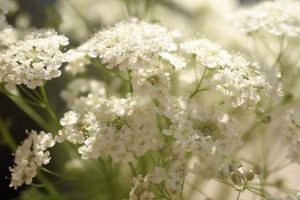
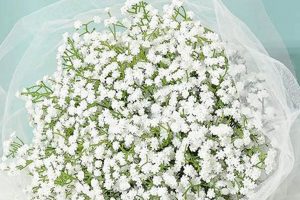
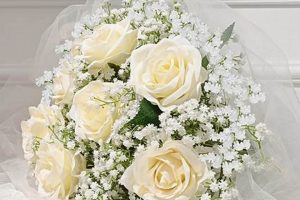
A floral design element often seen in matrimonial celebrations utilizes the delicate, airy appearance of Gypsophila paniculata (baby’s breath) fashioned into a decorative chain or rope. This garland serves as ornamentation for various aspects of the event, from adorning ceremony backdrops and reception tables to embellishing arches and staircases. The resulting aesthetic typically conveys a sense of romanticism, simplicity, and understated elegance.
The incorporation of this botanical element into wedding dcor provides several advantages. Its neutral color and light texture complement a wide range of wedding themes and color palettes. Historically, this floral choice has been associated with purity, innocence, and enduring love, adding symbolic meaning to the celebration. Furthermore, its relative affordability compared to other floral options makes it a budget-conscious choice for couples planning their nuptials. The versatile nature of the garland allows for creative applications and customization to suit individual preferences and stylistic visions.
The subsequent sections will delve into the diverse applications of this decorative feature in wedding design, explore various stylistic interpretations, and provide practical guidance on creating and maintaining these garlands to ensure optimal aesthetic impact on the special day. Considerations for selecting appropriate materials and construction techniques will also be addressed.
Essential Considerations for Baby’s Breath Garland Wedding Designs
Achieving a sophisticated and impactful aesthetic with Gypsophila paniculata garlands requires careful planning and execution. The following tips offer guidance on maximizing the visual appeal and longevity of this delicate floral element in matrimonial celebrations.
Tip 1: Hydration is Paramount: Baby’s breath wilts rapidly if dehydrated. Prior to assembly, hydrate stems thoroughly by submerging them in water for several hours. Consider using floral preservative solutions to extend freshness. During the event, mist the garland lightly with water to maintain turgidity.
Tip 2: Select Appropriate Base Materials: The garland base significantly impacts structural integrity and visual presentation. Opt for durable, flexible materials like floral wire, twine, or ribbon, selecting a color that complements or blends seamlessly with the floral component.
Tip 3: Consider Garland Density: The desired visual effect dictates the amount of baby’s breath used. A sparse arrangement creates a delicate, airy feel, while a denser arrangement projects a more opulent appearance. Adjust the quantity of stems accordingly to achieve the intended outcome.
Tip 4: Securing the Stems: Employ secure attachment methods to prevent shedding and maintain the garland’s form. Floral tape, wire, or glue dots are effective options. Ensure that attachments are discreet and do not detract from the overall aesthetic.
Tip 5: Incorporate Complementary Elements: While baby’s breath possesses inherent beauty, consider enhancing its visual impact by incorporating complementary floral elements or greenery. Eucalyptus, seeded eucalyptus, or ruscus can add texture and visual interest while maintaining a cohesive aesthetic.
Tip 6: Account for Environmental Factors: Environmental conditions, such as temperature and humidity, affect the longevity of the garland. Avoid prolonged exposure to direct sunlight or excessive heat. If the event is outdoors, consider a shaded location or employ measures to mitigate heat exposure.
Tip 7: Proper Storage and Transportation: Handle garlands with care during storage and transportation to prevent damage. Store in a cool, dark location, ideally wrapped in damp paper towels and plastic. Transport garlands in a protective container to minimize shifting and breakage.
By adhering to these recommendations, individuals can create stunning floral installations featuring baby’s breath, enhancing the ambiance of matrimonial celebrations with a touch of timeless elegance and delicate beauty.
The subsequent sections will address cost considerations, alternative floral options, and ethical sourcing practices relevant to wedding floral arrangements.
1. Cost

The cost associated with a wedding garland composed of Gypsophila paniculata is a significant factor in its adoption as a decorative element. Its inherent affordability, relative to other floral varieties commonly used in matrimonial celebrations, contributes to its appeal, particularly for couples operating within defined budgetary limitations. The price of Gypsophila paniculata fluctuates based on seasonal availability, geographic location, and wholesale versus retail purchasing channels. Sourcing directly from floral wholesalers or local growers can potentially mitigate expenses. Labor costs associated with garland construction also contribute to the overall expenditure; pre-made garlands command a premium compared to DIY arrangements. A practical example includes comparing the cost of a 10-foot rose garland versus a similar length of Gypsophila paniculata garland, often demonstrating a substantial price difference.
Further cost reductions can be achieved through strategic design choices. Reducing garland density, substituting elements with less expensive greenery, or creating shorter, strategically placed sections, rather than continuous lengths, can lower material requirements. The choice between fresh and preserved Gypsophila paniculata also influences expenditure; preserved options, while offering extended longevity, typically incur a higher initial cost. However, this must be considered regarding its re-usability. Consider real-world planning such as a comparison between using local seasonal varieties as opposed to importing premium flowers. The value proposition increases with reusability.
In summary, the cost component of a Gypsophila paniculata garland is a multifaceted consideration. Understanding price variances, exploring cost-saving design strategies, and evaluating the long-term value proposition are critical steps in optimizing budgetary allocation. While challenges exist in managing floral expenses, the relatively low cost of Gypsophila paniculata, coupled with informed decision-making, renders it an accessible and aesthetically pleasing option for wedding decoration.
2. Longevity
The duration for which a Gypsophila paniculata garland retains its aesthetic appeal is a critical determinant of its suitability for a matrimonial celebration. The ephemeral nature of fresh floral arrangements necessitates careful planning to ensure the garland remains visually appealing throughout the event, extending from pre-ceremony setup to the conclusion of the reception. Dehydration is a primary cause of diminished aesthetic quality in baby’s breath. This manifests as wilting, discoloration, and shedding of florets. Environmental factors such as temperature, humidity, and direct sunlight exposure exacerbate these processes. The timing of garland construction relative to the event, coupled with appropriate storage techniques, plays a crucial role in mitigating deterioration. For example, a garland constructed several days prior to the wedding and improperly stored will exhibit signs of decline far sooner than one prepared immediately before the ceremony and maintained in a cool, dark environment. The consequence of neglecting longevity is a visibly degraded floral element, detracting from the overall ambiance of the celebration.
To extend the lifespan of the garland, several strategies can be employed. Hydration techniques, including prolonged submersion in water and the use of floral preservatives, are paramount. Employing preserved or dried Gypsophila paniculata offers a significant advantage in terms of durability, although this choice alters the aesthetic slightly. Mist sprays of water keep the garland hydrated, while limiting sun exposure minimizes water loss. Construction of the garland on-site, whenever feasible, minimizes transportation-related damage and allows for immediate hydration upon completion. A pragmatic approach involves scheduling garland assembly as close to the event as possible and implementing stringent storage protocols until deployment. Furthermore, incorporating sturdier greenery alongside the Gypsophila paniculata can provide structural support and mask minor signs of wilt.
In summation, longevity is an indispensable consideration in the effective deployment of Gypsophila paniculata garlands for weddings. A proactive approach to hydration, environmental control, and strategic planning is essential to maximize the garland’s lifespan and ensure its visual contribution enhances, rather than detracts from, the celebratory atmosphere. The challenge lies in balancing the desired aesthetic with practical constraints of time, resources, and environmental factors. Careful planning is essential to realize the visual potential for this decorative piece.
3. Placement

The strategic positioning of Gypsophila paniculata garlands within the wedding venue exerts a substantial influence on the overall aesthetic impact and contributes significantly to the event’s ambiance. Careful consideration of architectural features, lighting conditions, and focal points is crucial to maximize the decorative potential of these floral elements.
- Ceremony Backdrop Enhancement
Utilizing garlands as a backdrop for the wedding ceremony creates a focal point, drawing attention to the couple during the exchange of vows. Garlands can be draped across existing structures such as arches, chuppahs, or arbors. In instances where a designated structure is absent, a custom-built frame can be erected to support the floral arrangement. For instance, a rustic outdoor wedding might feature a wooden arch adorned with a dense Gypsophila paniculata garland, blending seamlessly with the natural surroundings. The visual impact is enhanced when the garland is positioned against a contrasting background, allowing its delicate texture to stand out.
- Reception Table Embellishment
Garlands serve as elegant centerpieces when arranged along reception tables. They can be laid directly onto the tabletop, intertwined with candles or other decorative elements, or elevated on stands to create varying heights and visual interest. The length and density of the garland should be proportional to the table size to avoid overwhelming the space. Consider a long, rectangular table adorned with a sparse Gypsophila paniculata garland, interspersed with votive candles, creating a romantic and intimate atmosphere. Careful attention must be paid to ensuring the garland does not obstruct guests’ views or interfere with meal service.
- Architectural Feature Accentuation
Garlands can be employed to accentuate existing architectural features within the venue, drawing attention to noteworthy details and enhancing the overall visual appeal. Draping garlands along staircases, railings, or fireplace mantels adds a touch of elegance and softens the hard lines of these structures. The density and style of the garland should complement the architectural style of the venue; a grand ballroom might benefit from a more elaborate and opulent arrangement, while a rustic barn might call for a simpler, more understated design. For example, a Gypsophila paniculata garland cascading down a winding staircase can create a dramatic and memorable visual effect.
- Suspended Installations
Suspending garlands from ceilings or rafters creates a visually striking and immersive effect, transforming the venue into a floral wonderland. These installations can be designed to span the entire ceiling, creating a canopy of flowers, or hung in strategic locations to define specific areas within the space. The weight and support structure of the garland must be carefully considered to ensure safety and stability. An example could be suspending multiple strands of Gypsophila paniculata garlands from the ceiling of a tented reception, creating a whimsical and ethereal atmosphere. Adequate lighting is crucial to showcase the garland’s texture and detail effectively.
The effective placement of Gypsophila paniculata garlands requires a holistic understanding of the venue’s architecture, lighting, and spatial dynamics. Thoughtful consideration of these factors ensures the garland enhances the overall aesthetic of the wedding, creating a cohesive and visually captivating environment. Strategic positioning not only draws attention to key areas but also contributes to the overall atmosphere and mood of the celebration.
4. Aesthetics

The aesthetic appeal of a Gypsophila paniculata garland significantly impacts its suitability for nuptial celebrations. The delicate, airy texture and predominantly white coloration of the floral element contribute to a perception of romanticism, purity, and understated elegance, aligning with traditional wedding themes. The successful integration of this garland into the overall design scheme depends on its ability to complement existing decor and enhance the desired ambiance. For example, a rustic-themed wedding might employ a loosely arranged garland draped across exposed wooden beams, while a more formal setting could feature a densely packed garland adorning a grand staircase. The visual impact is directly proportional to the careful consideration of color palettes, lighting, and surrounding textures. Discrepancies between the intended aesthetic and the actual execution can result in a discordant or underwhelming visual effect, diminishing the overall success of the decorative element. The garland, therefore, must be viewed as an integrated element within the larger design context, rather than an isolated decorative item.
The perceived beauty of a Gypsophila paniculata garland is also subject to evolving trends and individual preferences. While historically associated with classic wedding styles, its versatility allows for adaptation to contemporary aesthetics. Combining the garland with contrasting colors or textures, such as incorporating dark green foliage or metallic accents, introduces a modern edge. The garland’s form can also be manipulated to create diverse visual effects, ranging from flowing, organic arrangements to structured, geometric designs. The use of lighting can significantly alter the garland’s appearance, highlighting its delicate texture and creating a soft, romantic glow. Practical application of this understanding involves careful selection of floral variety, arrangement style, and lighting techniques to align with the specific aesthetic vision of the wedding. This approach ensures that the garland contributes positively to the overall sensory experience of the event.
Ultimately, the aesthetic success of a Gypsophila paniculata garland in a wedding setting hinges on a nuanced understanding of design principles and a sensitivity to prevailing trends. The challenge lies in achieving a harmonious balance between personal preferences, stylistic conventions, and practical considerations. By prioritizing aesthetic cohesion and paying meticulous attention to detail, individuals can leverage the inherent beauty of this floral element to create a visually captivating and emotionally resonant celebration. The inherent adaptability of the floral choice supports several design aesthetics.
5. Alternatives

Exploring alternatives to Gypsophila paniculata (baby’s breath) in wedding garland design addresses constraints related to cost, sustainability, allergies, and stylistic preferences. The selection of alternative floral or non-floral materials necessitates careful consideration of aesthetic equivalence, logistical feasibility, and potential cost implications.
- Floral Substitutions
Several floral species can serve as viable replacements for Gypsophila paniculata, offering similar visual textures and color palettes. Spray roses, with their clusters of small blooms, provide a more substantial floral presence while maintaining a delicate aesthetic. Waxflowers, characterized by their petite blossoms and waxy foliage, offer enhanced durability and a subtly different texture. Astilbe, with its feathery plumes, provides a similar airy quality but introduces a greater range of color options. These alternatives may present varying price points and seasonal availability, requiring adjustments to budgetary planning and event timing. For instance, a couple seeking a blush-toned garland might opt for spray roses as a cost-effective alternative to dyed Gypsophila paniculata, which can be more expensive and less environmentally friendly.
- Greenery Options
Greenery can be used to create visually appealing garlands that evoke a natural, organic aesthetic. Eucalyptus, with its varied foliage types and aromatic properties, offers textural diversity and a touch of sophistication. Ruscus, characterized by its glossy leaves and arching stems, provides a more structured and formal appearance. Seeded eucalyptus, with its delicate seed pods, adds visual interest and a unique textural element. A garland composed primarily of eucalyptus, interspersed with occasional white blooms, provides an alternative for couples seeking a less overtly floral design. The cost-effectiveness of greenery, relative to floral elements, can contribute to significant budgetary savings.
- Non-Floral Materials
Non-floral materials offer opportunities for creating unique and sustainable garland designs. Fabric ribbons, in varying textures and colors, can be interwoven to create visually striking patterns. Paper flowers, crafted from recycled materials, provide a sustainable and customizable option. String lights, integrated into the garland, add a touch of whimsy and create a warm, inviting ambiance. A garland composed of intertwined ribbons and string lights, for example, could serve as a cost-effective and visually appealing alternative for a bohemian-themed wedding. The use of non-floral materials allows for greater creative freedom and offers opportunities for personalization.
- Combination Approaches
A combination of floral, greenery, and non-floral materials offers a flexible approach to garland design, allowing for customization and budgetary optimization. Mixing Gypsophila paniculata with less expensive greenery, such as eucalyptus or ferns, can reduce the overall cost while maintaining a floral element. Incorporating fabric ribbons or paper flowers alongside Gypsophila paniculata adds visual interest and allows for the integration of specific color palettes or thematic elements. A practical example would be a garland composed of Gypsophila paniculata, eucalyptus, and silk ribbons in the wedding’s signature colors, creating a cohesive and visually appealing design. This approach allows for a balance between aesthetic preferences, budgetary constraints, and sustainability considerations.
The exploration of alternatives to Gypsophila paniculata garlands underscores the importance of adaptability and creative problem-solving in wedding planning. By carefully considering the aesthetic, logistical, and economic implications of each option, couples can create visually stunning and memorable celebrations that align with their individual preferences and values. The selection of alternatives should be informed by a comprehensive understanding of the desired aesthetic, budgetary limitations, and environmental considerations.
6. Sustainability

The integration of sustainable practices into the creation and disposal of wedding garlands, particularly those incorporating Gypsophila paniculata, is a critical consideration for environmentally conscious celebrations. The environmental impact of floral arrangements encompasses various facets, from cultivation practices to waste management, each presenting opportunities for promoting ecological responsibility.
- Sourcing and Cultivation Practices
The environmental footprint of Gypsophila paniculata begins with its cultivation. Conventional farming methods often rely on synthetic fertilizers, pesticides, and herbicides, contributing to soil degradation, water pollution, and biodiversity loss. Opting for locally grown or organically cultivated Gypsophila paniculata minimizes these negative impacts. Local sourcing reduces transportation distances, thereby lowering carbon emissions associated with shipping. Organic cultivation eliminates the use of harmful chemicals, promoting soil health and protecting pollinators. For example, a wedding held in California could prioritize sourcing Gypsophila paniculata from local farms employing sustainable agricultural practices. The challenge lies in verifying the authenticity and sustainability claims of suppliers.
- Water Usage
Floral cultivation is a water-intensive process, particularly in arid and semi-arid regions. Sustainable water management practices are essential for minimizing the environmental impact of Gypsophila paniculata production. Implementing water-efficient irrigation techniques, such as drip irrigation or rainwater harvesting, can significantly reduce water consumption. Selecting drought-tolerant varieties of Gypsophila paniculata further minimizes water requirements. Supporting growers who prioritize water conservation efforts is crucial for promoting sustainable water usage. A practical example involves selecting a grower who utilizes recycled water for irrigation purposes, thereby reducing the demand on freshwater resources. Transparency in water usage reporting is essential for informed consumer choices.
- Floral Foam and Waste Reduction
Traditional floral foam, commonly used as a base for garland construction, is a non-biodegradable plastic material that persists in the environment indefinitely. Replacing floral foam with sustainable alternatives is a critical step towards reducing waste. Options include using reusable chicken wire, moss, or biodegradable floral foam made from natural materials. Composting floral waste, including Gypsophila paniculata stems and foliage, reduces landfill burden. Partnering with composting facilities or implementing on-site composting systems diverts organic waste from landfills and returns valuable nutrients to the soil. For instance, a wedding planner could collaborate with a local composting service to collect floral waste after the event. Minimizing packaging waste through bulk purchasing and reusable containers further contributes to waste reduction efforts.
- Transportation and Carbon Footprint
The transportation of Gypsophila paniculata from distant locations contributes to greenhouse gas emissions and increases the overall carbon footprint of the garland. Prioritizing locally sourced flowers minimizes transportation distances and associated emissions. Utilizing fuel-efficient transportation methods, such as hybrid or electric vehicles, further reduces the carbon footprint. Offsetting carbon emissions through carbon sequestration projects provides an additional means of mitigating environmental impact. For example, a couple could choose to donate to a reforestation project to offset the carbon emissions associated with transporting flowers from a regional supplier. Evaluating the transportation logistics and selecting the most sustainable options is crucial for minimizing environmental impact.
The pursuit of sustainability in “baby’s breath garland wedding” arrangements requires a holistic approach that encompasses sourcing practices, water management, waste reduction, and transportation logistics. By prioritizing these considerations, individuals can create visually stunning celebrations that minimize environmental impact and promote ecological responsibility. The challenge lies in integrating sustainability principles into every stage of the process, from flower selection to waste disposal, ensuring a truly eco-conscious event.
Frequently Asked Questions
The following questions address common concerns and misconceptions surrounding the use of baby’s breath garlands in wedding decor, providing clear and concise answers based on established horticultural and design principles.
Question 1: What is the optimal timing for constructing a Gypsophila paniculata garland prior to a wedding event?
The ideal timeframe for constructing a garland is 24-48 hours before the event. This allows sufficient time for hydration while minimizing the risk of wilting or discoloration. Storage in a cool, dark location is essential during this period.
Question 2: What are the most effective methods for hydrating a Gypsophila paniculata garland to prolong its freshness?
Submerging the stems in water for several hours prior to assembly is crucial. Subsequently, misting the garland lightly with water periodically throughout the event will help maintain turgidity. Floral preservative solutions can also be added to the water for enhanced hydration.
Question 3: How does the density of a Gypsophila paniculata garland affect its visual impact and cost?
A denser garland creates a more opulent and visually impactful display but requires a greater quantity of floral material, resulting in a higher cost. A sparser garland offers a delicate and airy aesthetic at a lower price point. The choice depends on the desired aesthetic and budgetary constraints.
Question 4: What are the primary environmental factors that negatively impact the longevity of a Gypsophila paniculata garland?
Exposure to direct sunlight, high temperatures, and low humidity accelerates dehydration and wilting, shortening the garland’s lifespan. Maintaining a cool, shaded environment with adequate humidity is crucial for preserving its freshness.
Question 5: What are the recommended attachment methods for securing a Gypsophila paniculata garland to various surfaces?
Floral tape, wire, and glue dots are effective options for attaching the garland to surfaces. The choice depends on the surface material and the desired level of permanence. Ensure that attachments are discreet and do not detract from the overall aesthetic.
Question 6: How does the selection of base materials influence the structural integrity and visual presentation of a Gypsophila paniculata garland?
Durable and flexible base materials such as floral wire, twine, or ribbon provide structural support and enhance the visual presentation. The color of the base material should complement or blend seamlessly with the floral component.
In conclusion, meticulous attention to construction timing, hydration techniques, environmental factors, attachment methods, and base material selection is essential for maximizing the aesthetic impact and longevity of Gypsophila paniculata garlands in wedding settings.
The subsequent section will delve into case studies showcasing successful applications of baby’s breath garland designs in diverse wedding scenarios.
Conclusion
The preceding analysis has elucidated the multifaceted considerations involved in incorporating a “baby’s breath garland wedding” design into matrimonial celebrations. From cost-effectiveness and longevity to placement aesthetics and sustainability, each aspect demands careful evaluation to ensure a harmonious and impactful outcome. The exploration of viable alternatives further expands the design possibilities while addressing budgetary or environmental concerns.
Effective integration of this decorative element requires a thorough understanding of its inherent limitations and potential. By prioritizing informed decision-making and adhering to best practices in construction, maintenance, and sourcing, individuals can elevate the aesthetic quality of their celebrations while minimizing environmental impact. Further research and innovation in sustainable floral practices are warranted to enhance the long-term viability of this and other floral design choices.